Federal & Illinois State Court Procedure CLE Event Kicks Off 2026
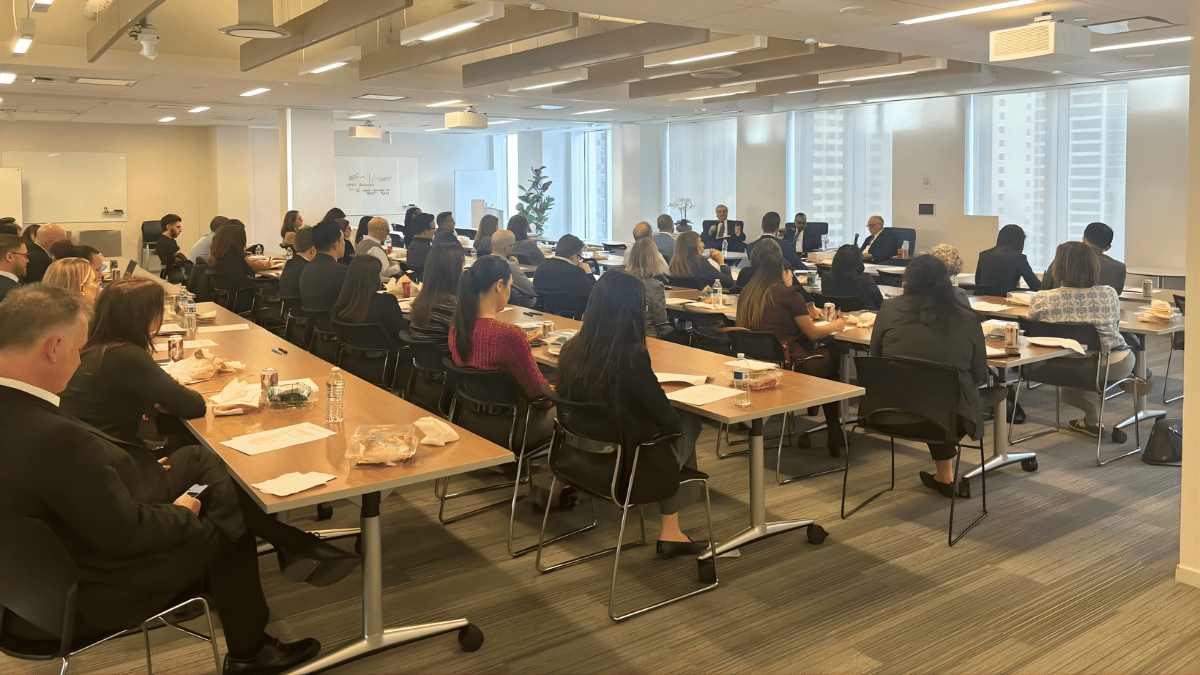
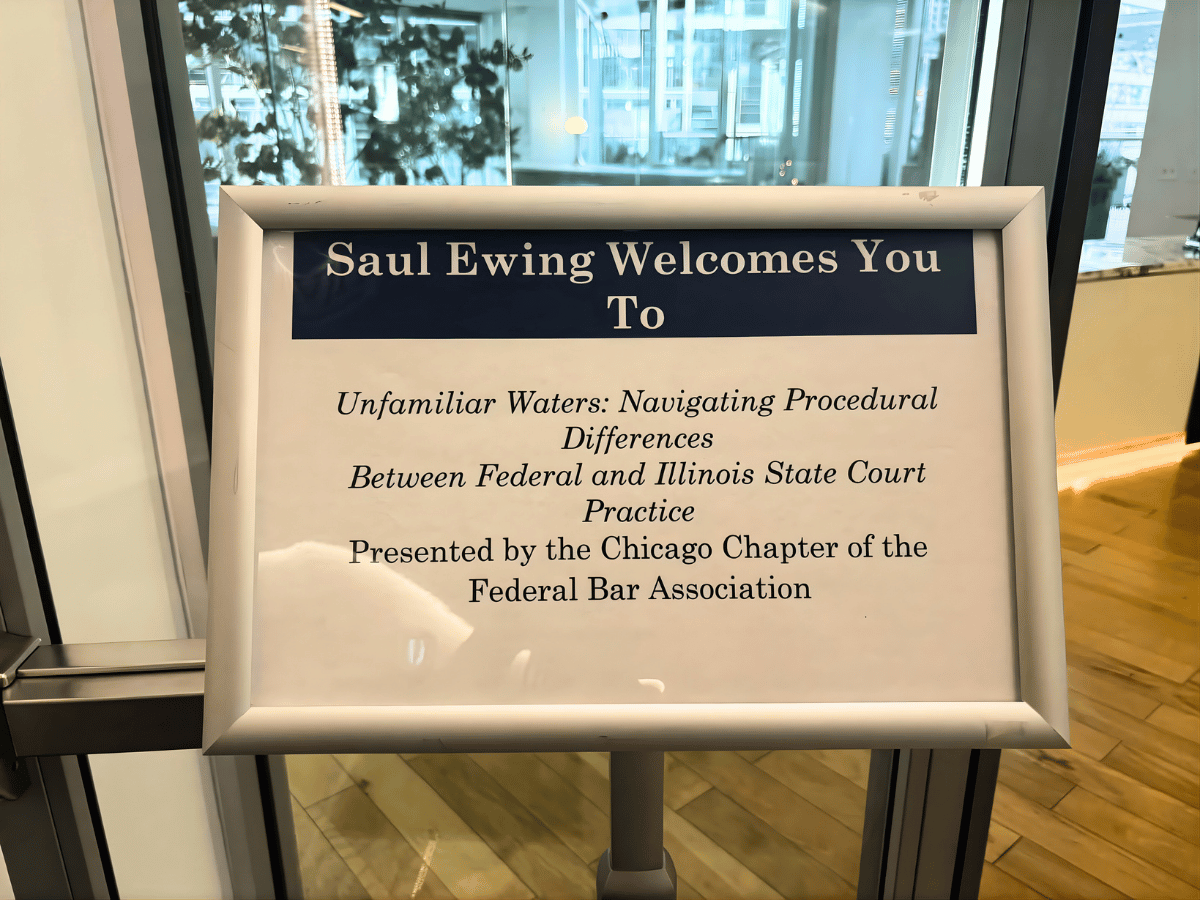
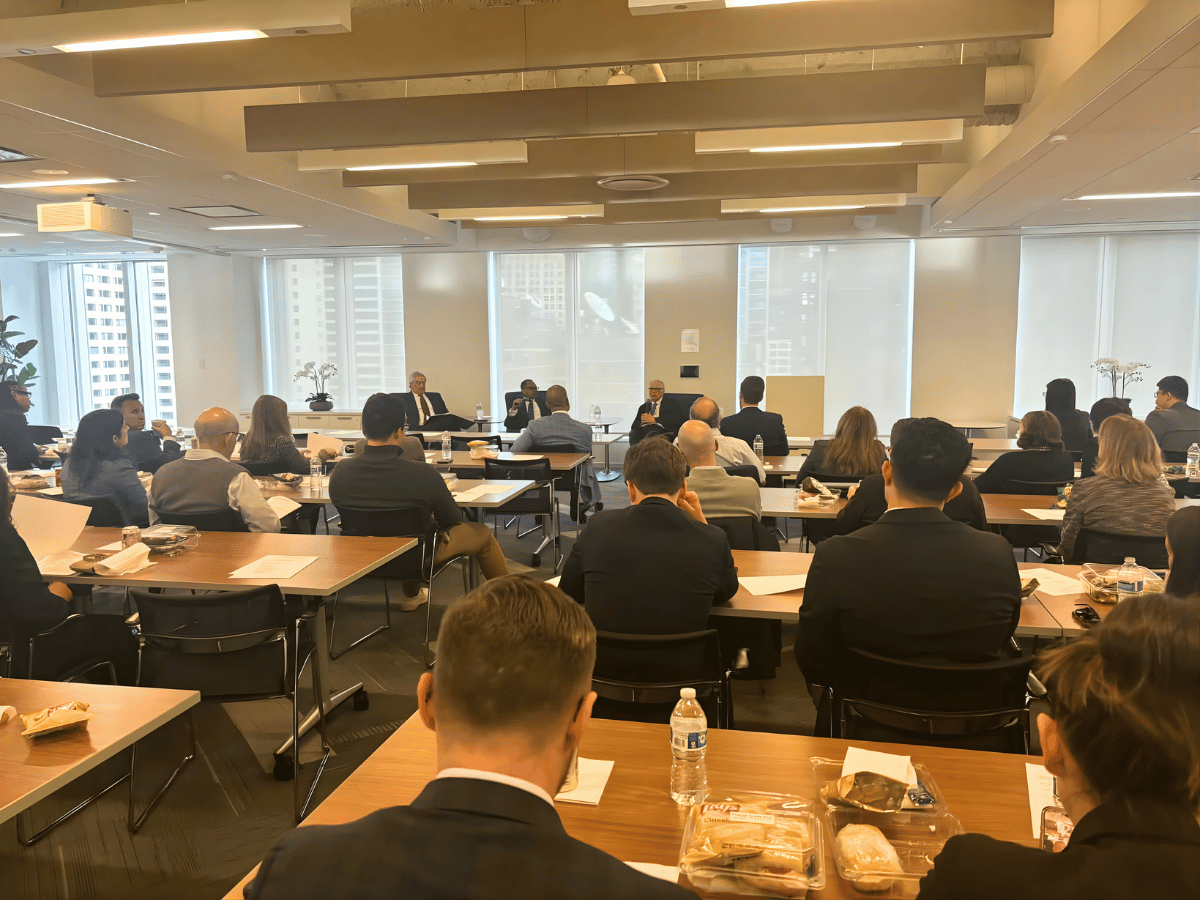
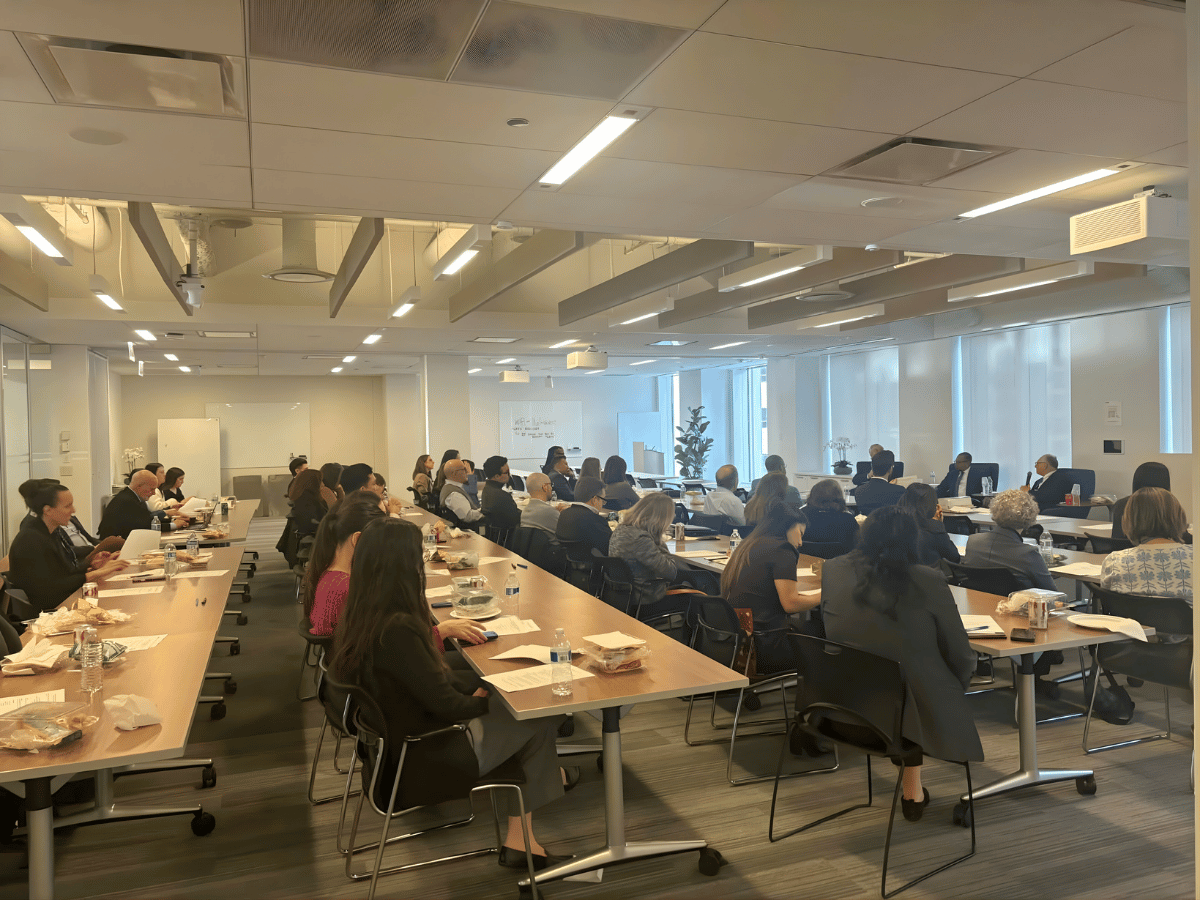
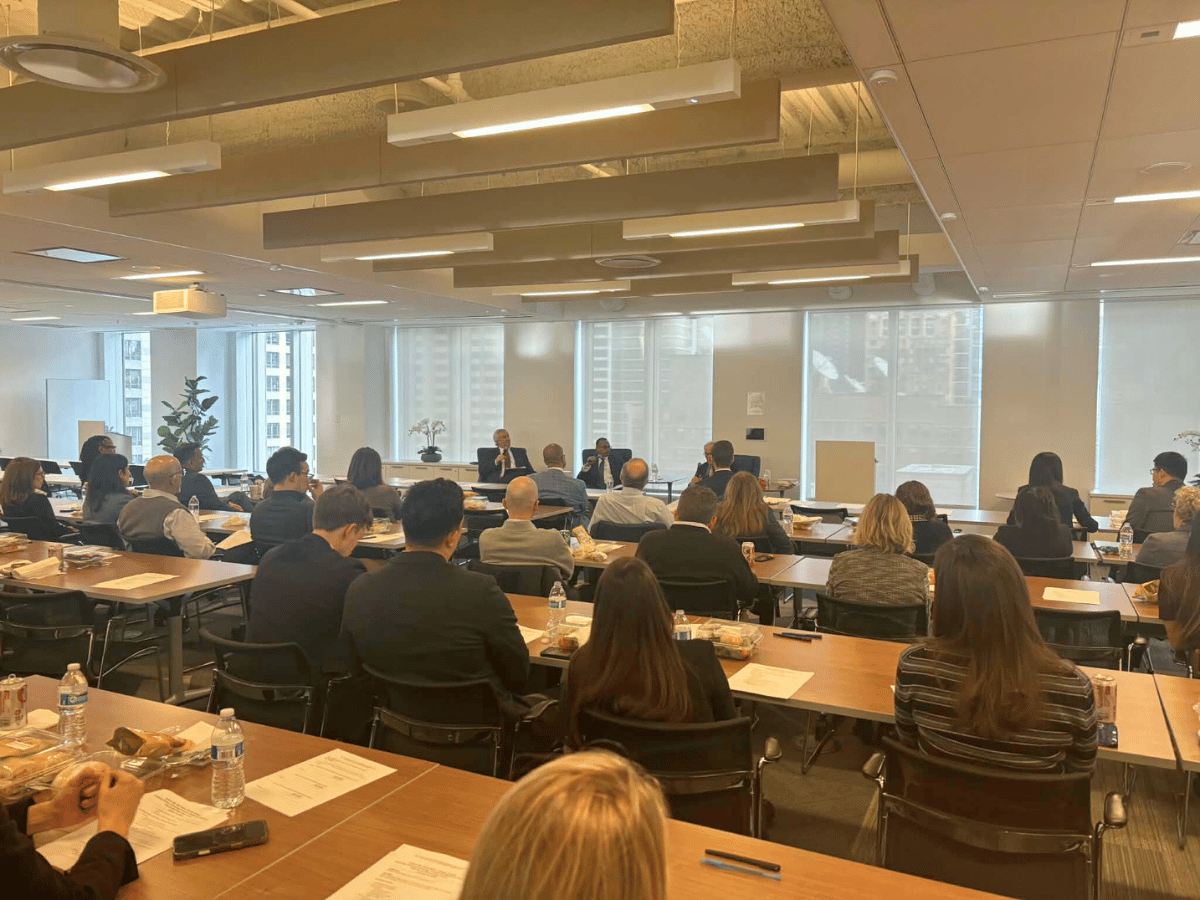
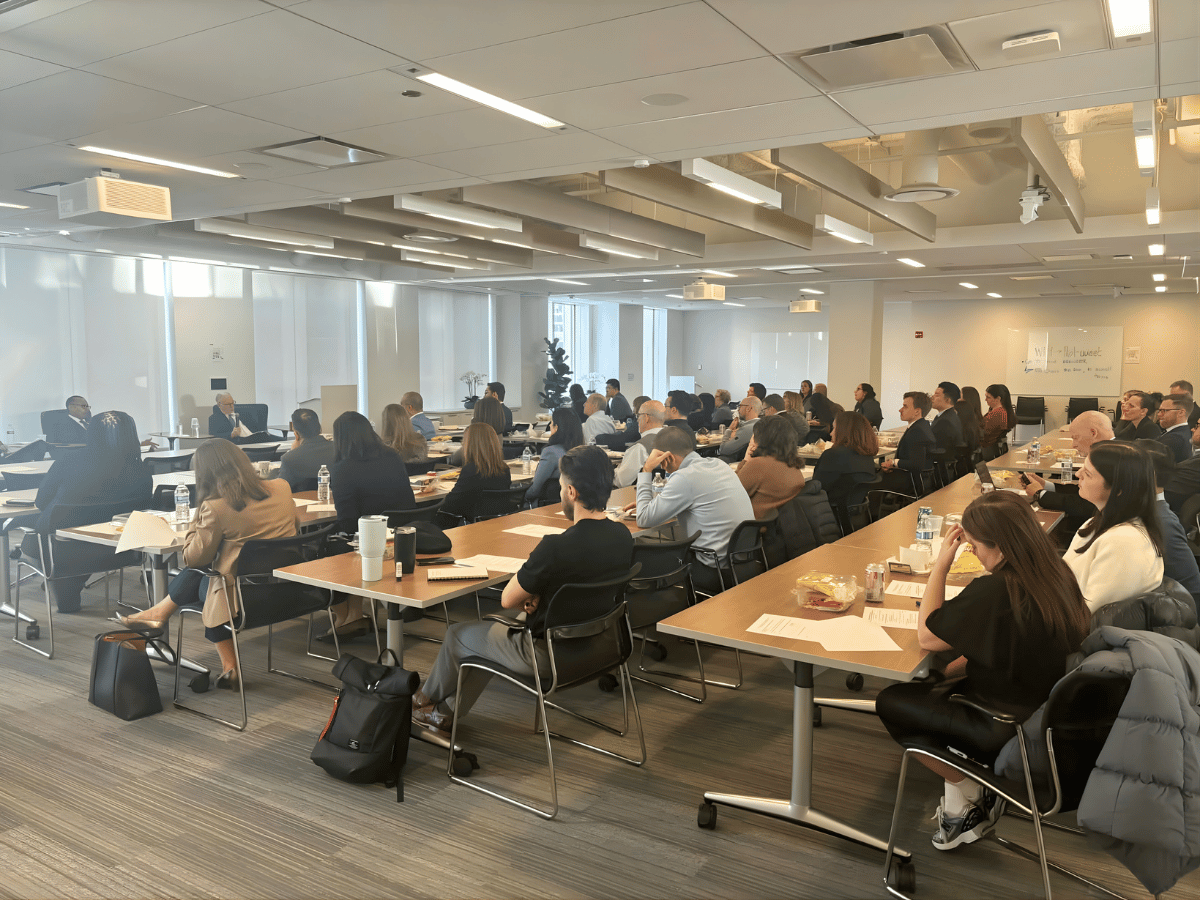
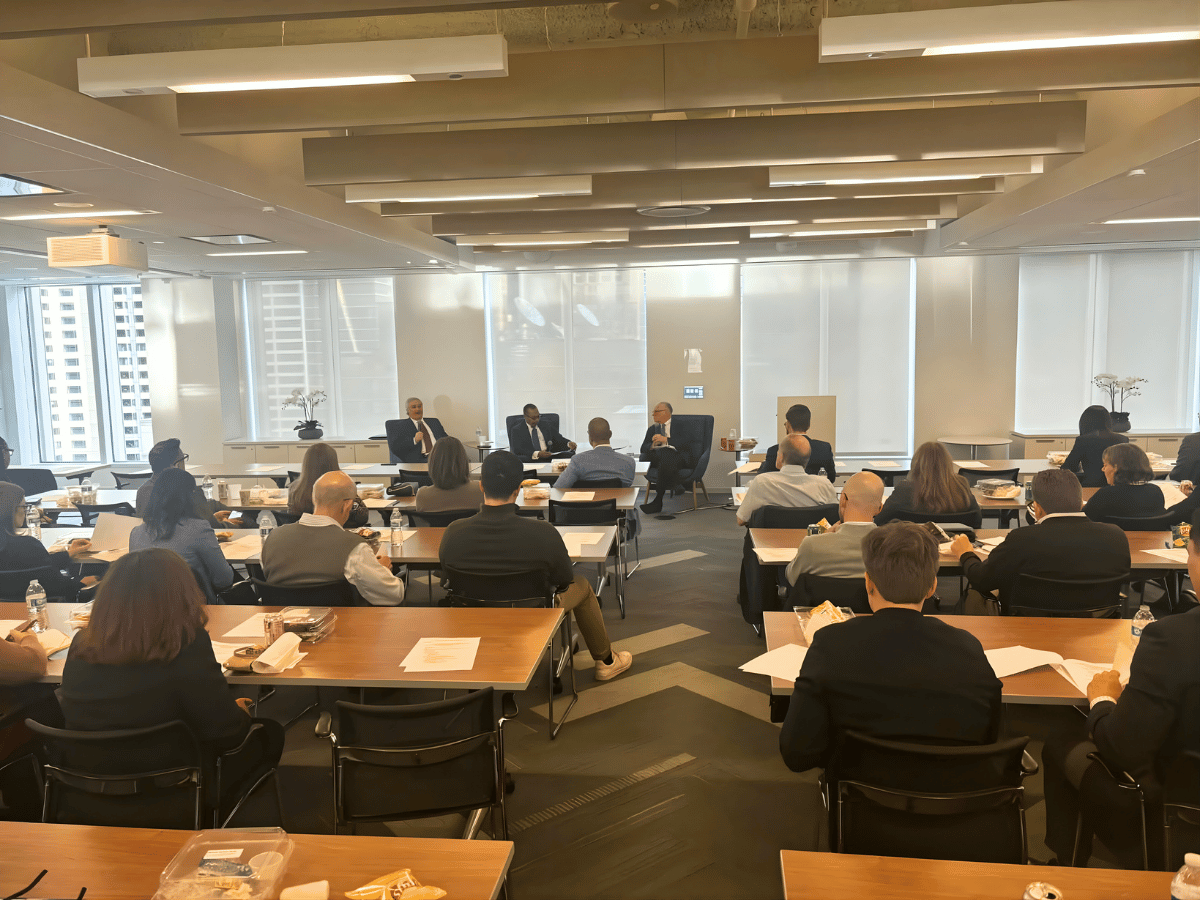
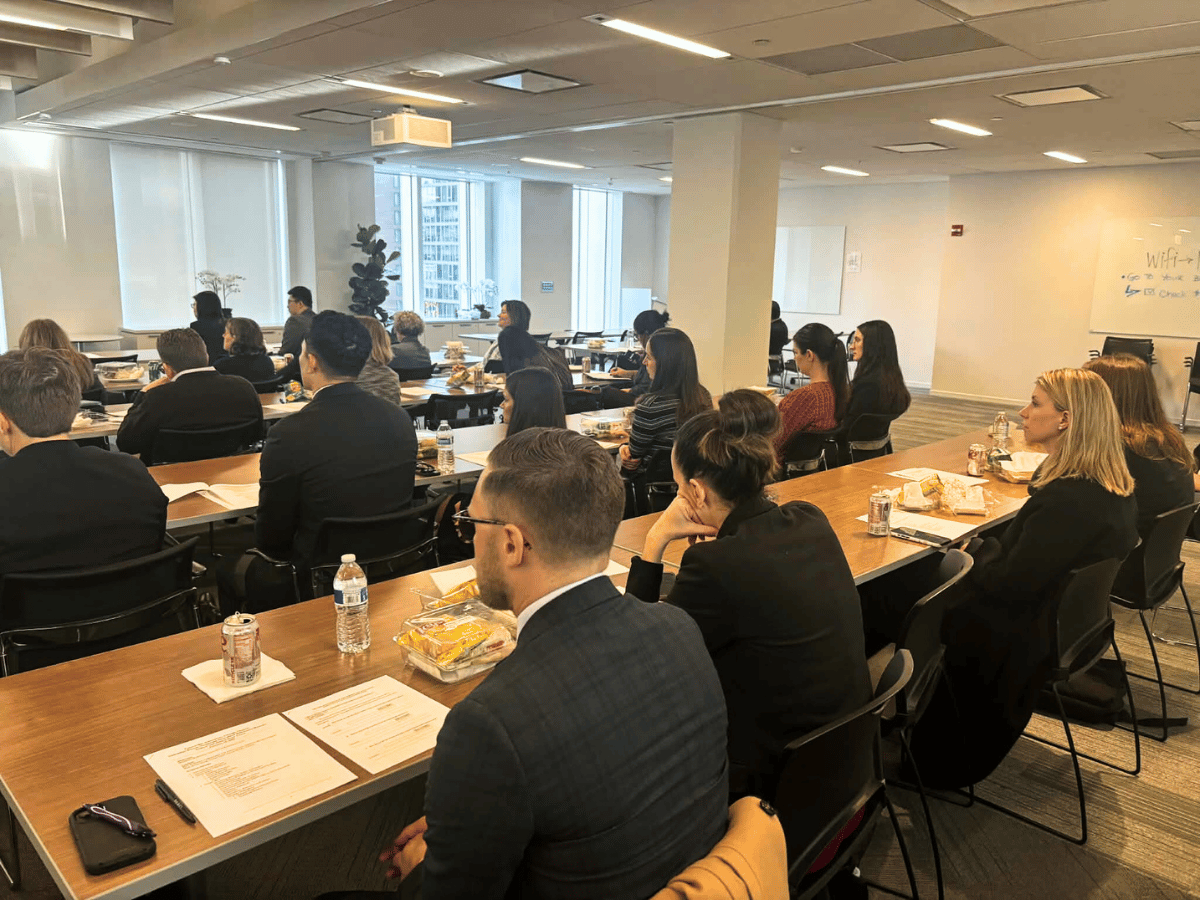
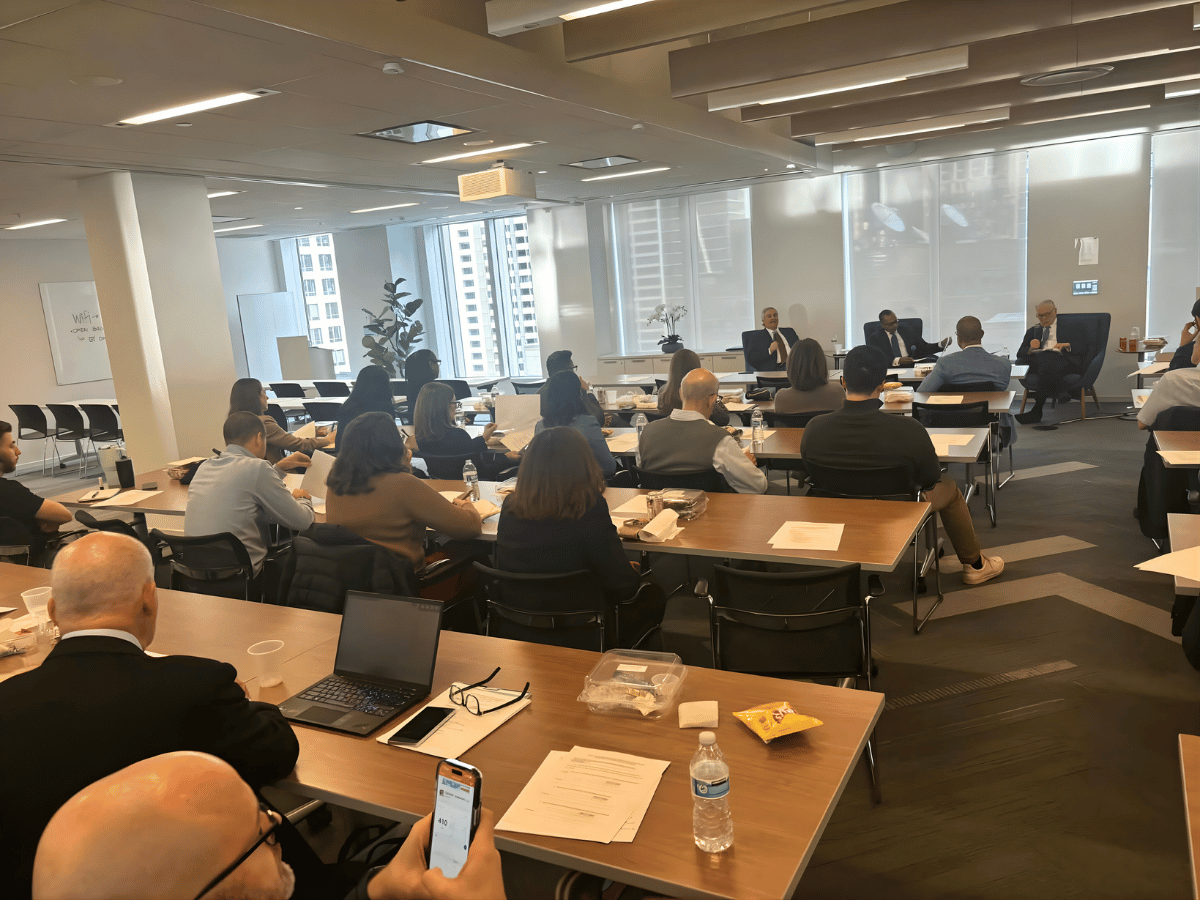
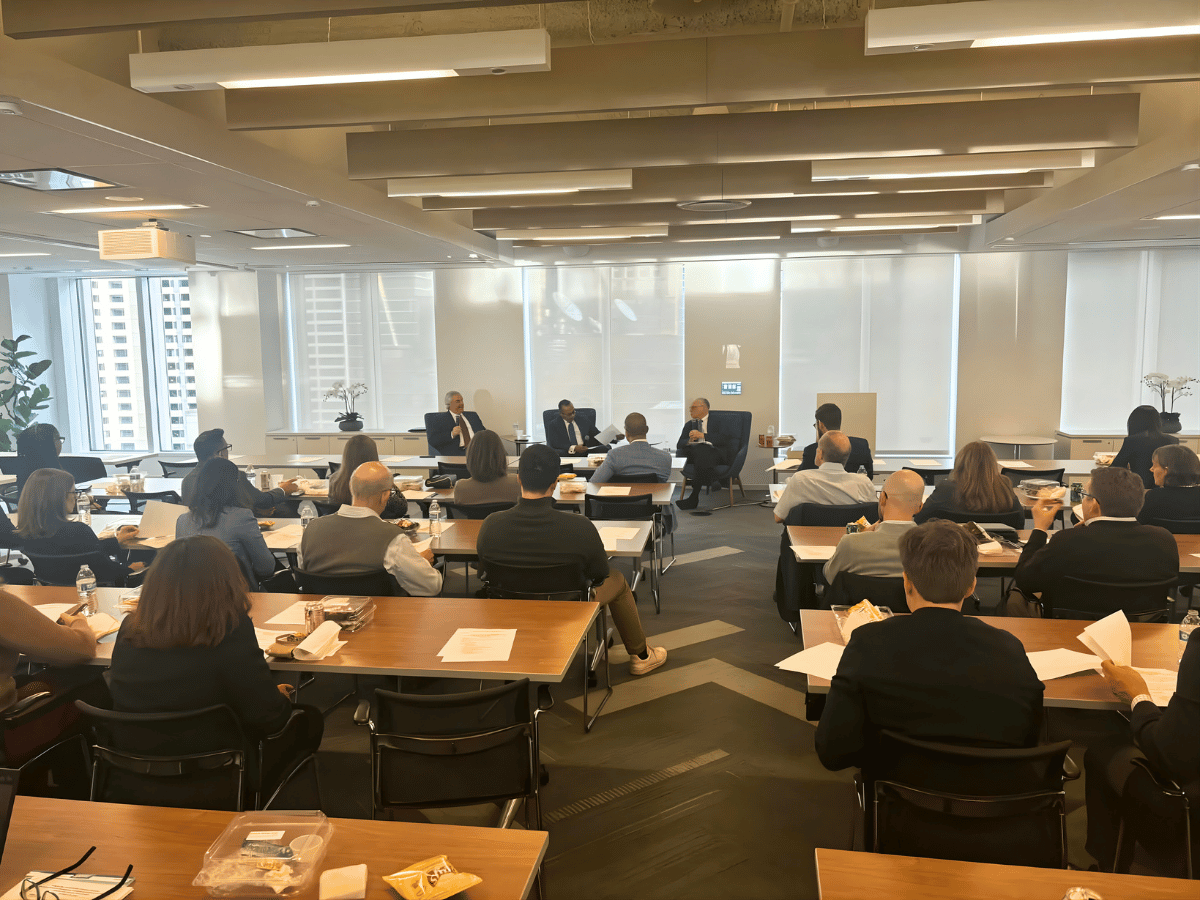
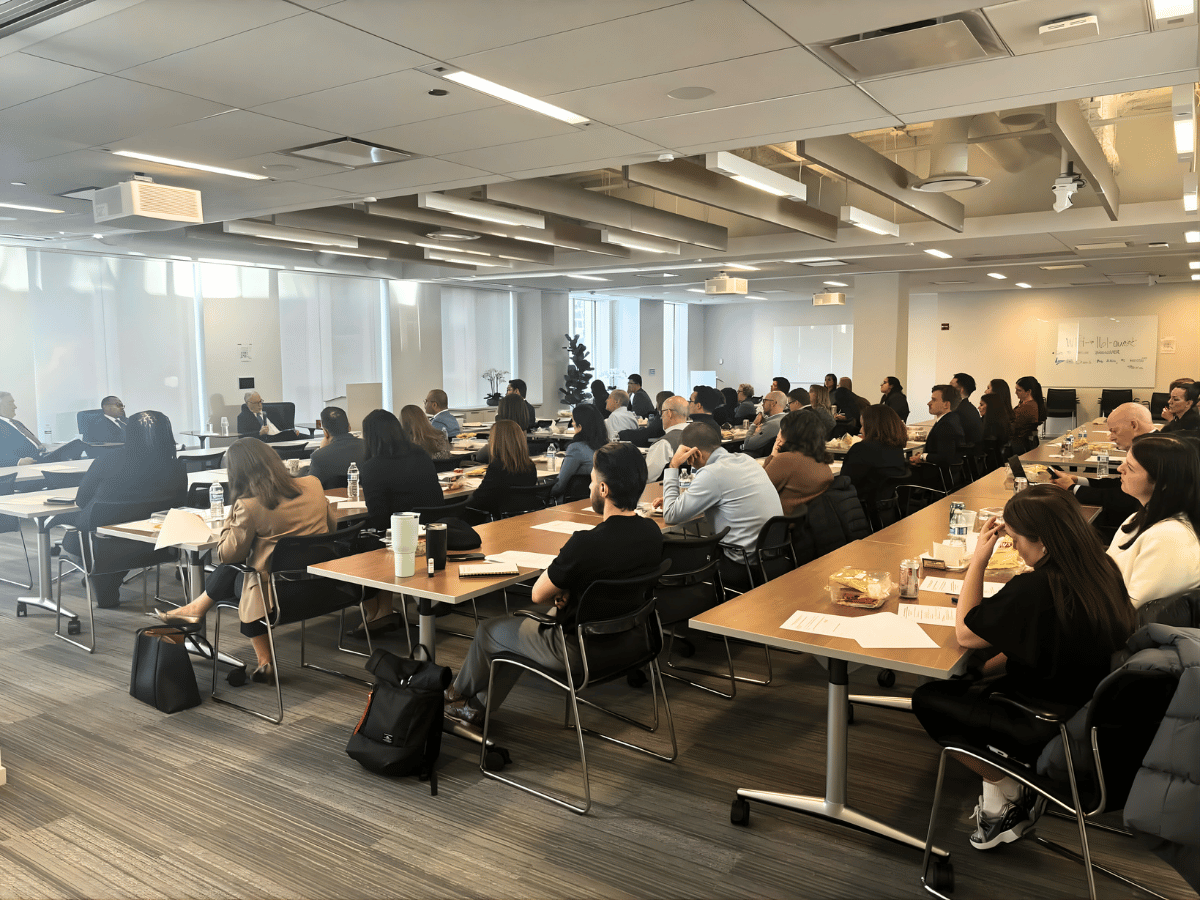
Kicking off the new year with strong momentum, the Federal Bar Association Chicago Chapter welcomed approximately 60 attorneys to its first program of 2026, Unfamiliar Waters: Navigating Procedural Differences Between Federal and Illinois State Court. Held on January 13th at Saul Ewing LLP, the program delivered a timely, highly practical discussion for litigators who regularly practice in one forum but may suddenly find themselves navigating the other.
The strong turnout underscored the reality that many lawyers spend most of their careers in either federal court or Illinois state court, but rarely both. When cases cross jurisdictions, even experienced practitioners can feel uncertain about procedural traps, unwritten customs, and strategic differences that materially affect outcomes. This program was designed to address that challenge head-on. Featuring an engaged audience, a thoughtfully structured agenda, and two sitting judges who were generous with both preparation and perspective, the program set an energetic and substantive tone for the FBA Chicago Chapter’s year ahead.
A Judicial Perspective on Procedural Pitfalls and Practical Strategy
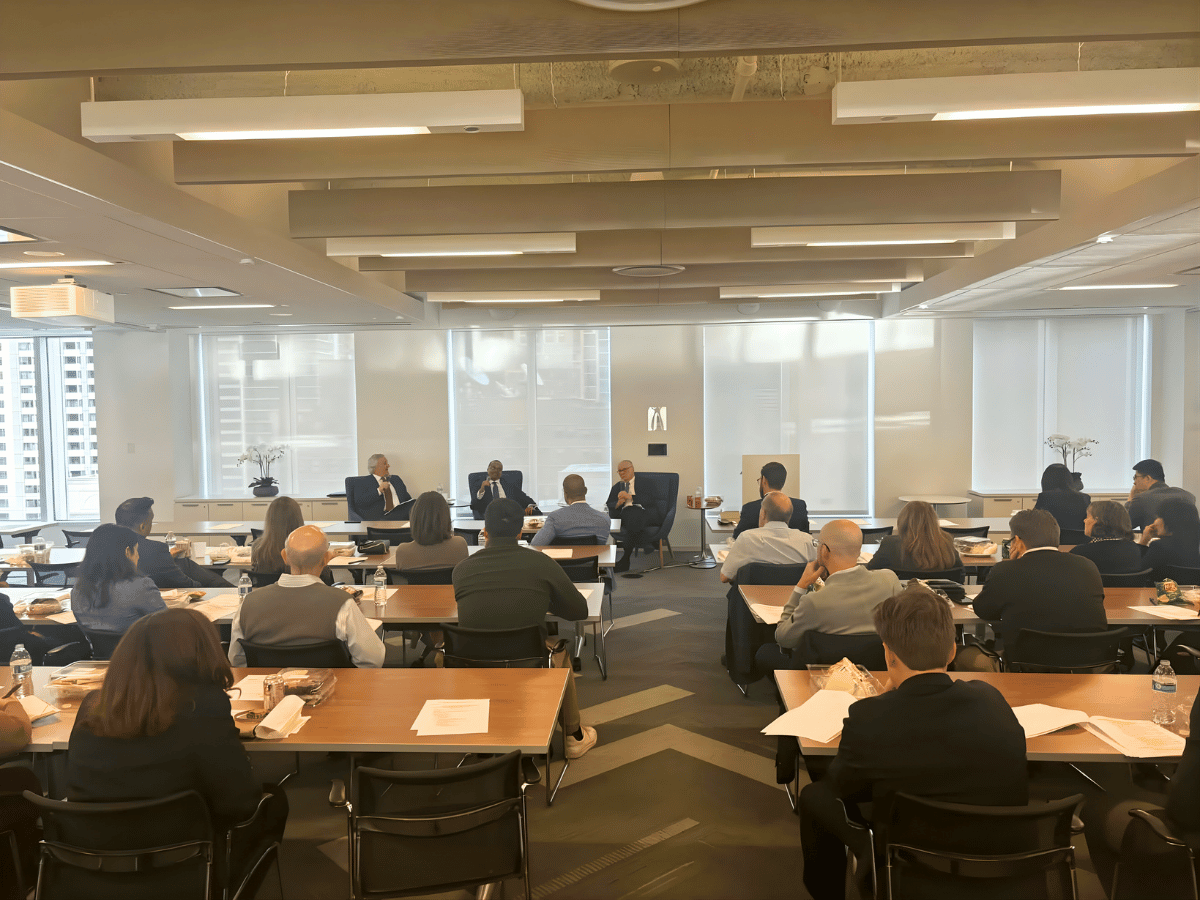
One of the defining strengths of Unfamiliar Waters was its panel, which featured Hon. Franklin Valderrama of the U.S. District Court for the Northern District of Illinois and Hon. Jerry Esrig of the Circuit Court of Cook County. Moderated by Michael I. Rothstein of Tabet DiVito & Rothstein LLC, the conversation brought together federal and state judicial viewpoints in a way few programs can.
Rather than offering abstract comparisons, the panelists walked attendees through concrete procedural differences that routinely trip up lawyers moving between forums. Early discussion focused on “quick hit” topics that often arise at the outset of a case, such as drafting proposed orders, the role of court reporters, substitution of judges, federal trial bar requirements, and threshold decisions about where to file. These initial topics framed a broader point echoed throughout the program: small procedural missteps can have outsized consequences.
From there, the discussion took a deeper diver on governing authorities. The panelists contrasted the layered federal framework of Federal Rules of Civil Procedure, Title 28, local rules, and individual standing orders with the equally complex but structurally different Illinois system. Moreover, they emphasized that success in either forum requires close attention not only to written rules but also to how those rules are applied in practice.
Key Distinctions from Pleadings to Privilege
A significant portion of the program explored distinctions that directly affect litigation strategy, beginning with pleading standards. The panel highlighted the contrast between federal notice pleading and Illinois fact pleading, explaining how expectations for specificity, verification, and exhibits differ. Importing habits from one forum into the other can undermine a case at the pleading stage.
Later, the panelists concentrated on motion practice. During this portion, they offered a detailed comparison of federal Rule 12 motions and Illinois sections 2-615 and 2-619. Attendees gained clarity on when extrinsic evidence is permitted, how waivers operate differently, and why sequencing decisions matter. These insights resonated strongly with practitioners, many of whom have experienced the frustration of learning procedural nuances only after a motion has already been denied.
Discovery practice sparked equally lively discussion. Judges Valderrama and Esrig addressed proportionality, scope, and timing, contrasting federal discovery’s emphasis on proportionality with Illinois’ broader interpretation of discoverable material. The panel also examined practical differences in interrogatories, document requests, requests to admit, and expert disclosures. These are areas where forum-specific rules can quietly shape the entire trajectory of a case.
Depositions and privilege rounded out the substantive discussion. Attendees were particularly engaged during the comparison of Illinois’ dual deposition system (discovery versus evidence depositions) and the federal approach, as well as the stark contrast between the federal subject-matter test and Illinois’ control-group test for organizational privilege. Overall, these distinctions, while technical, directly affect how lawyers prepare witnesses, communicate with clients, and protect sensitive information.
Engaged Judges, Thoughtful Questions, and a Strong Start to 2026
Beyond the substance, what truly distinguished Unfamiliar Waters was the level of engagement from the panelists. Both judges were clearly invested in the program, offering candid observations, real-world examples, and practical advice drawn from years on the bench. Their willingness to address nuanced questions reinforced the value of bench-bar dialogue. Attendees responded in kind, asking thoughtful questions that reflected both curiosity and experience. The Q&A portion allowed practitioners to test assumptions, clarify gray areas, and gain insight into how judges actually view common litigation practices. That exchange is exactly what many attorneys seek but rarely find in traditional CLE programming.
As the FBA Chicago Chapter looks ahead to another robust year of programming, Unfamiliar Waters set an encouraging tone. Strong attendance, substantive depth, and meaningful judicial participation combined to create a program that was both educational and energizing. For attorneys navigating the space between federal and Illinois state courts, it’s clear that understanding procedural differences is essential to effective legal practice. And with programs like this, the FBA Chicago Chapter continues to provide a forum where that understanding can grow.
For further programming like this, please explore the Chicago Chapter’s upcoming events.