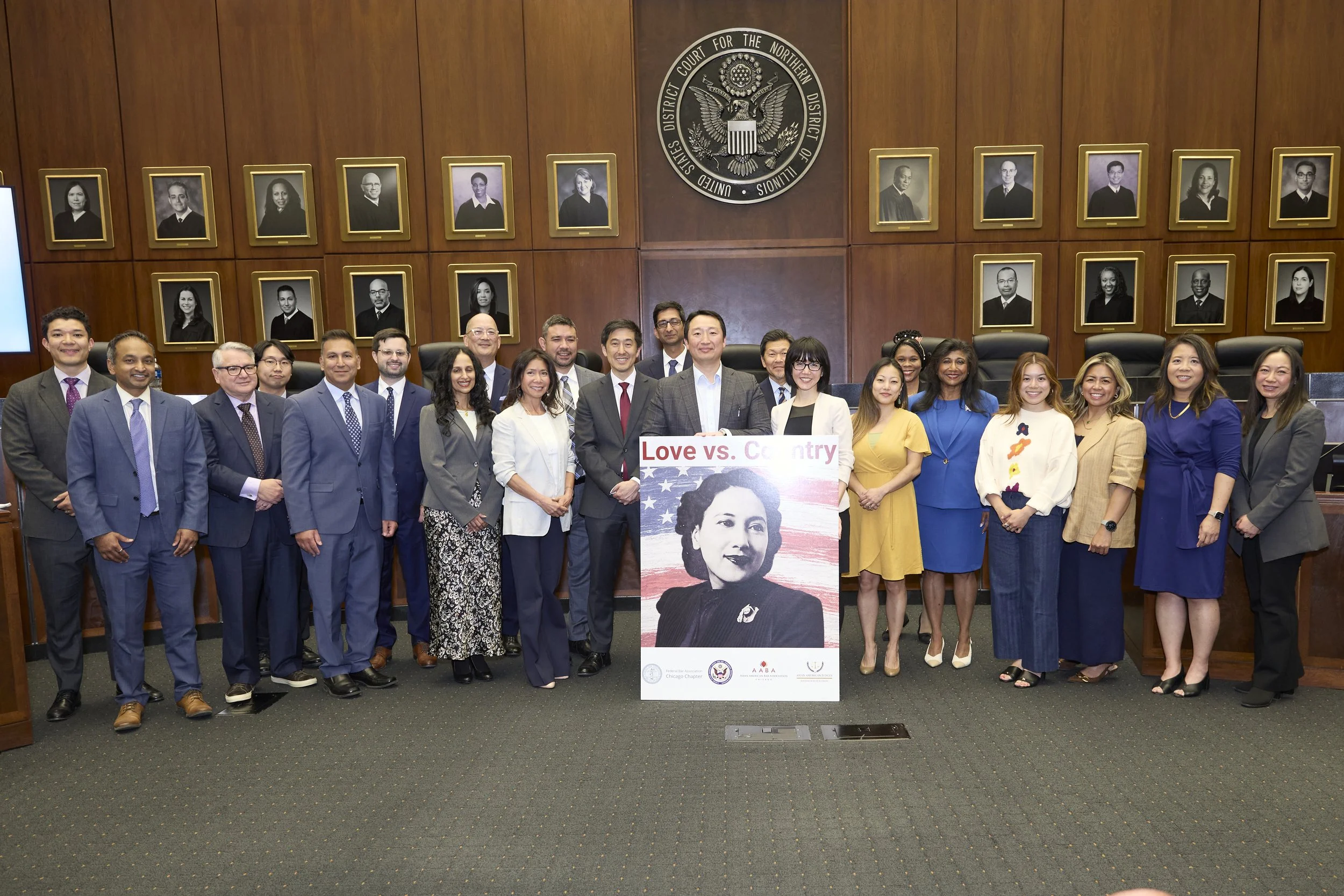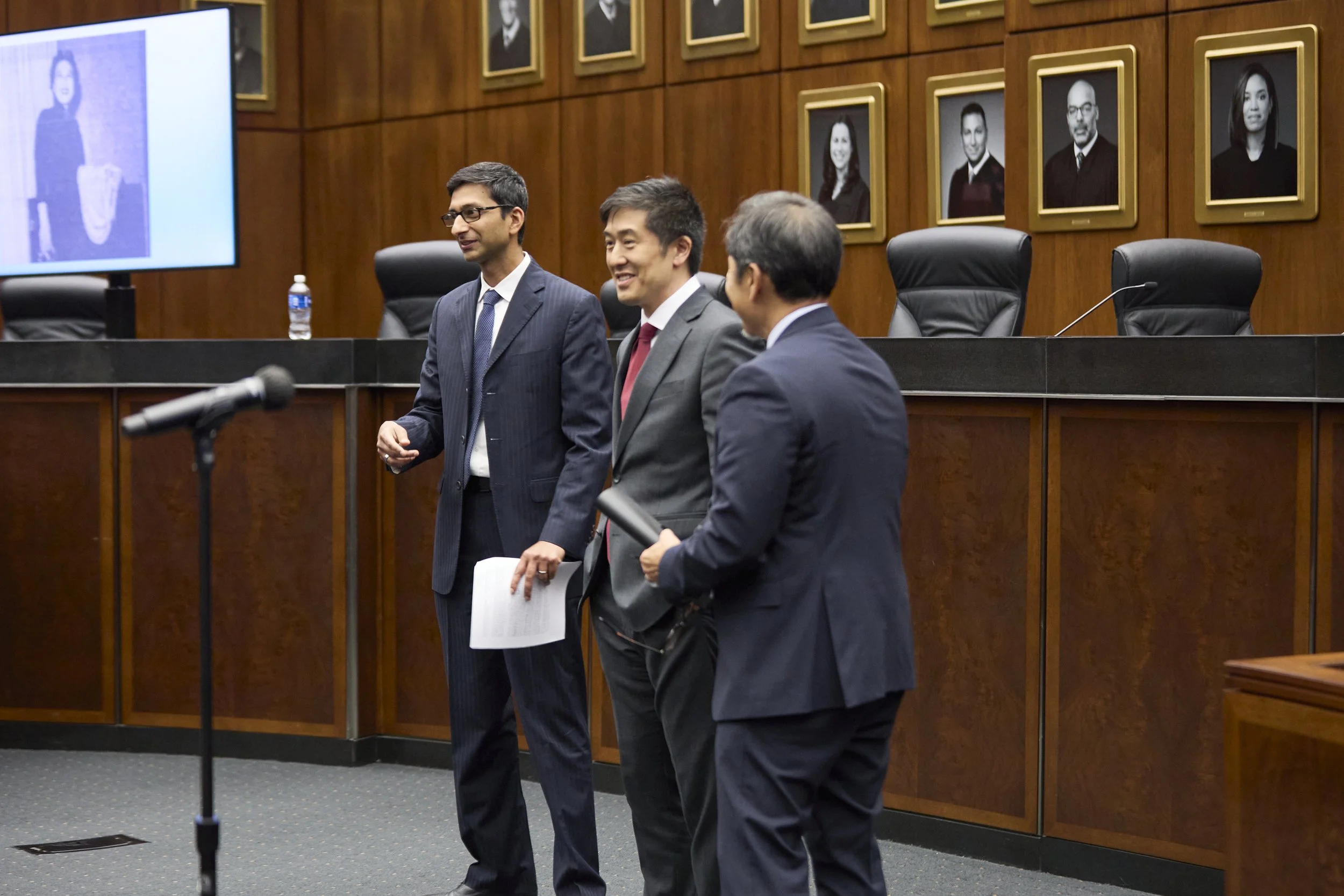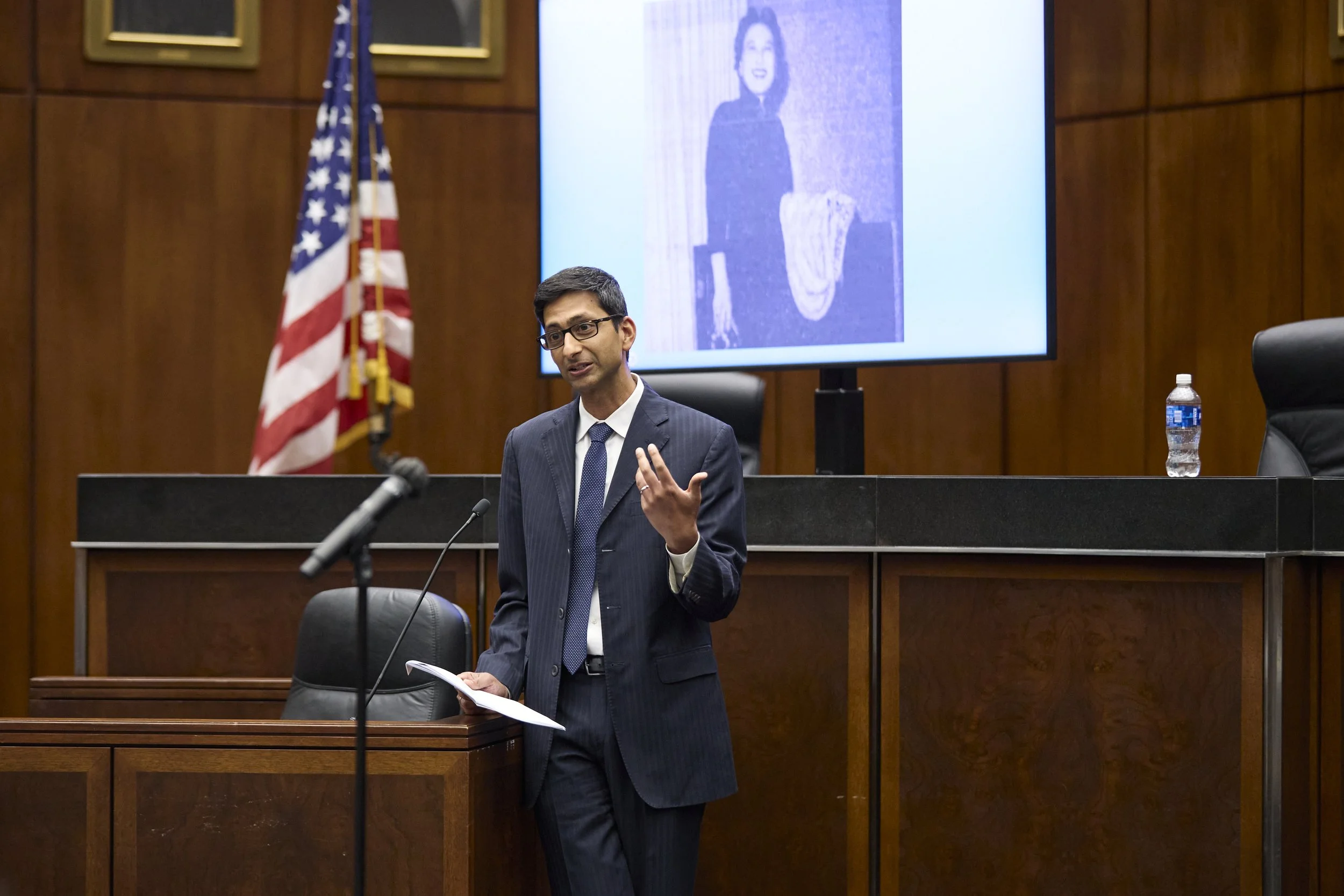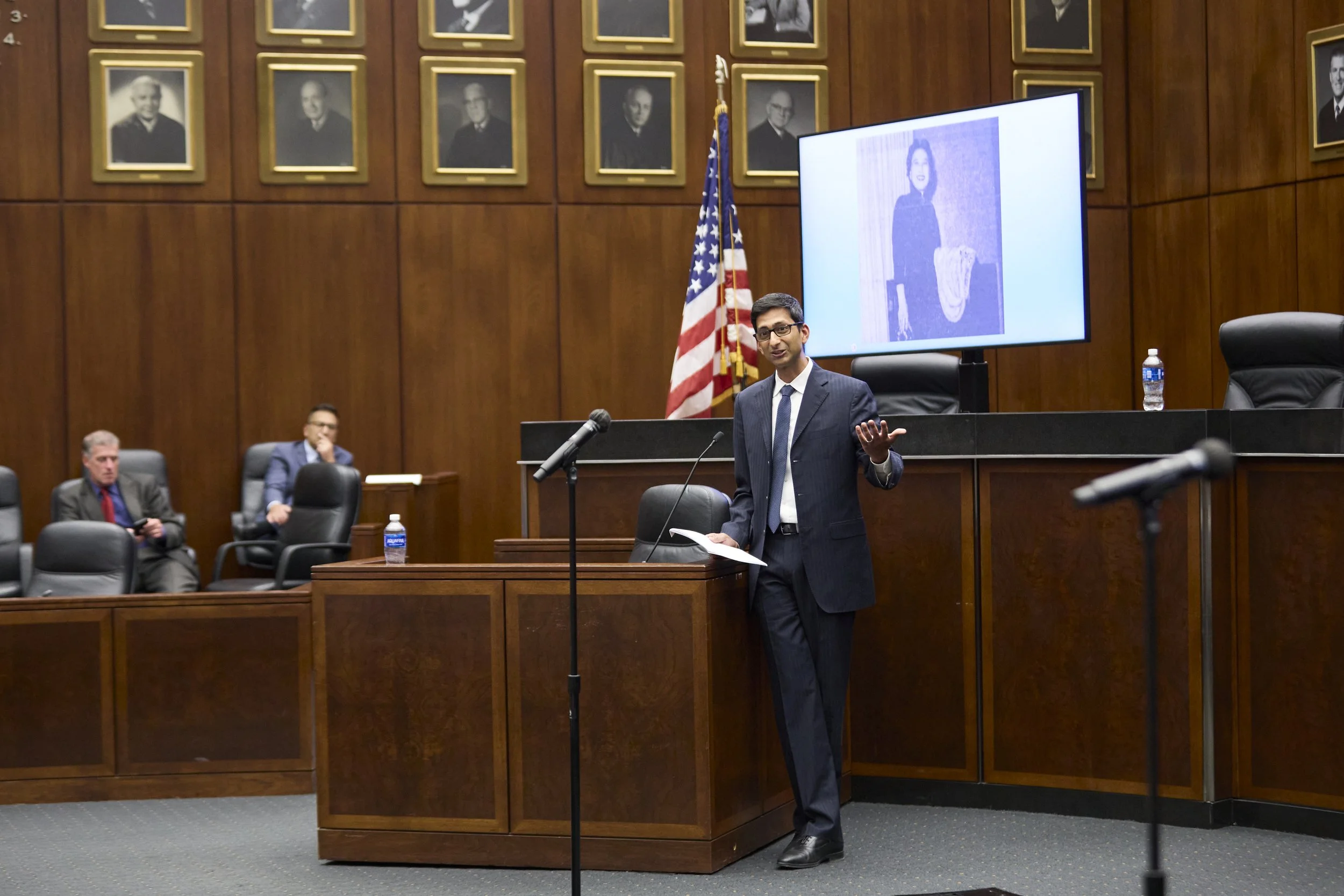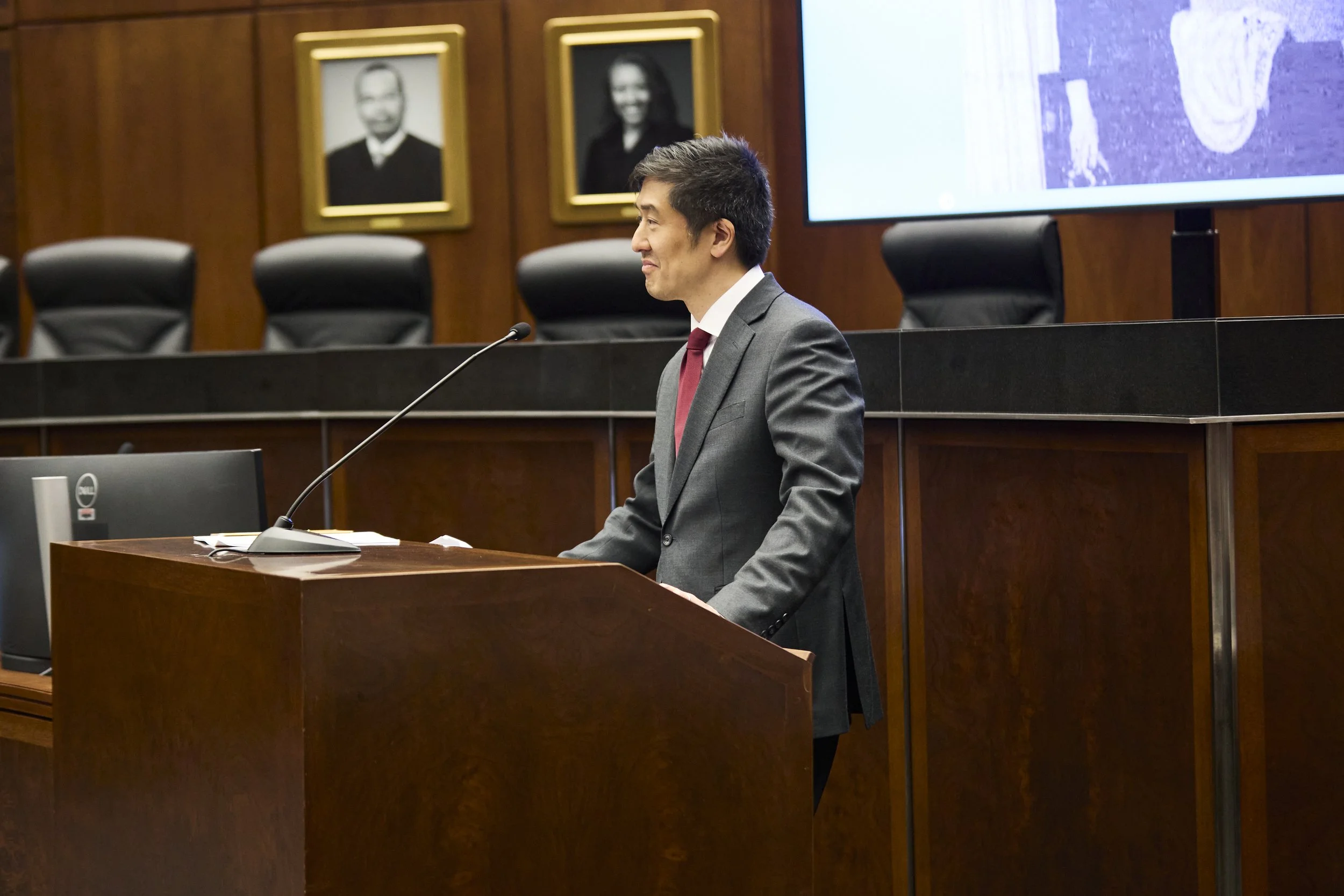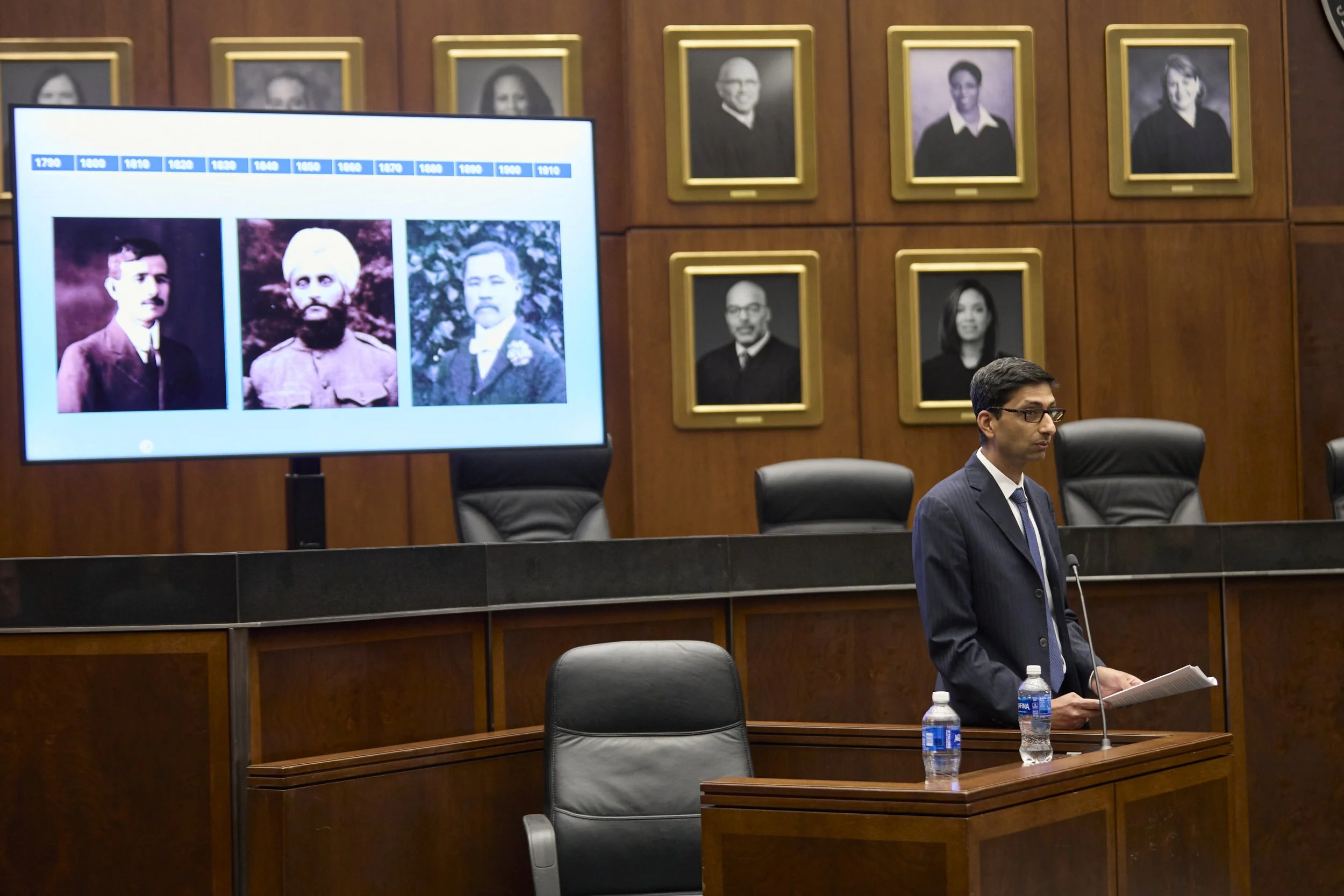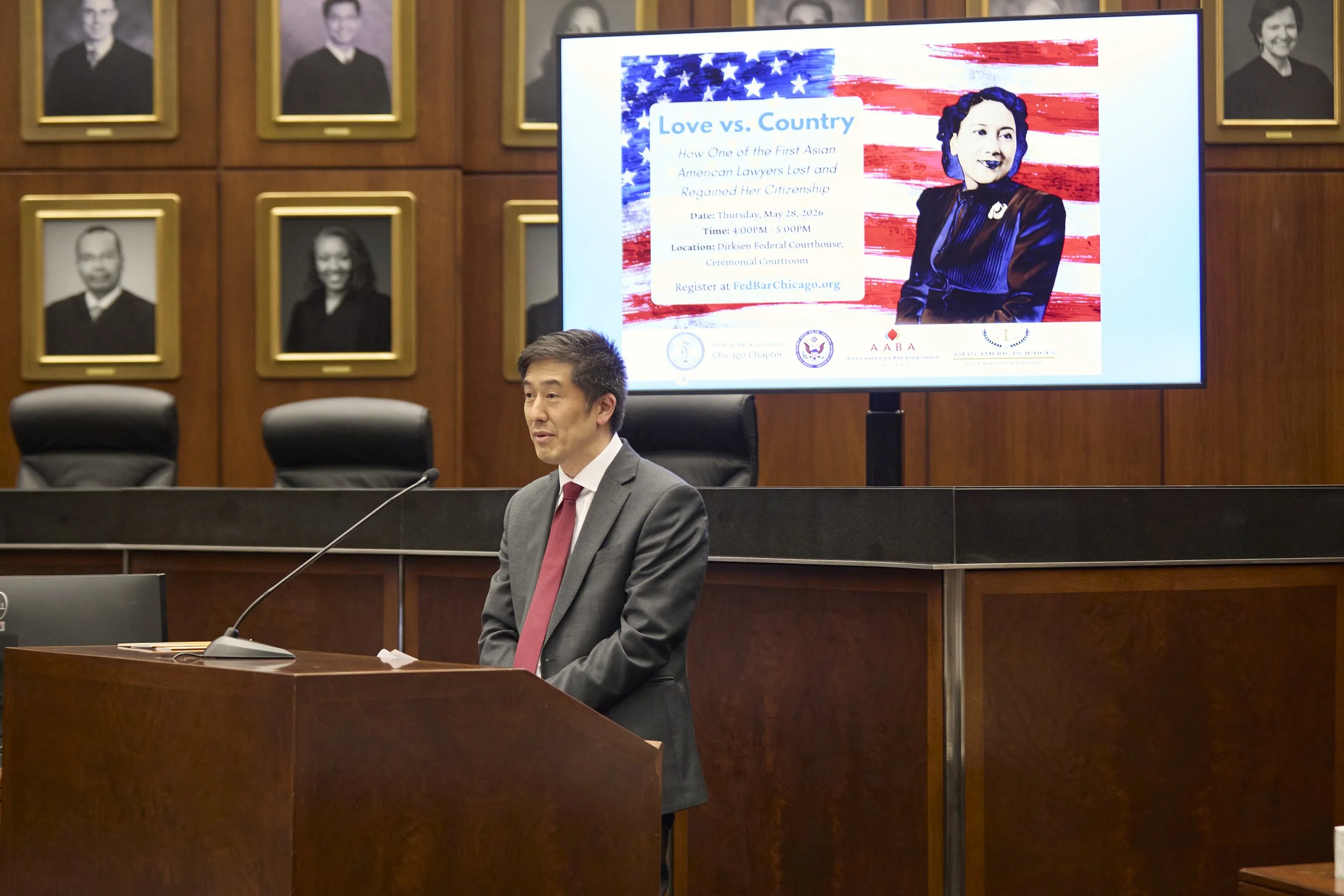
Sau Ung Loo Chan was one of the first Asian Americans to attend Yale Law School. Her story is one of the most remarkable in American legal history. A U.S. citizen by birthright, Chan fell in love with a man who was also born in the United States. He could not prove his birthright, however, because family circumstances and the destruction caused by the 1906 San Francisco earthquake left his records unverifiable. The government refused to recognize him as a citizen.
Under the Expatriation Act of 1907, any American woman who married a man deemed a non-citizen automatically lost her own citizenship. Chan lost hers the day she got married. She spent the next ten years fighting to get it back. Her arguments before immigration authorities were so persuasive that those same authorities offered her a job. She ultimately secured citizenship for herself, her husband, and their child. She went on to become the first Asian American woman lawyer in Hawaii. She testified before Congress to push for reform of U.S. immigration law. Her career became a legacy. That legacy was the subject of a major FBA Chicago event last month.
Love vs. Country Hosted at Dirksen Federal Courthouse
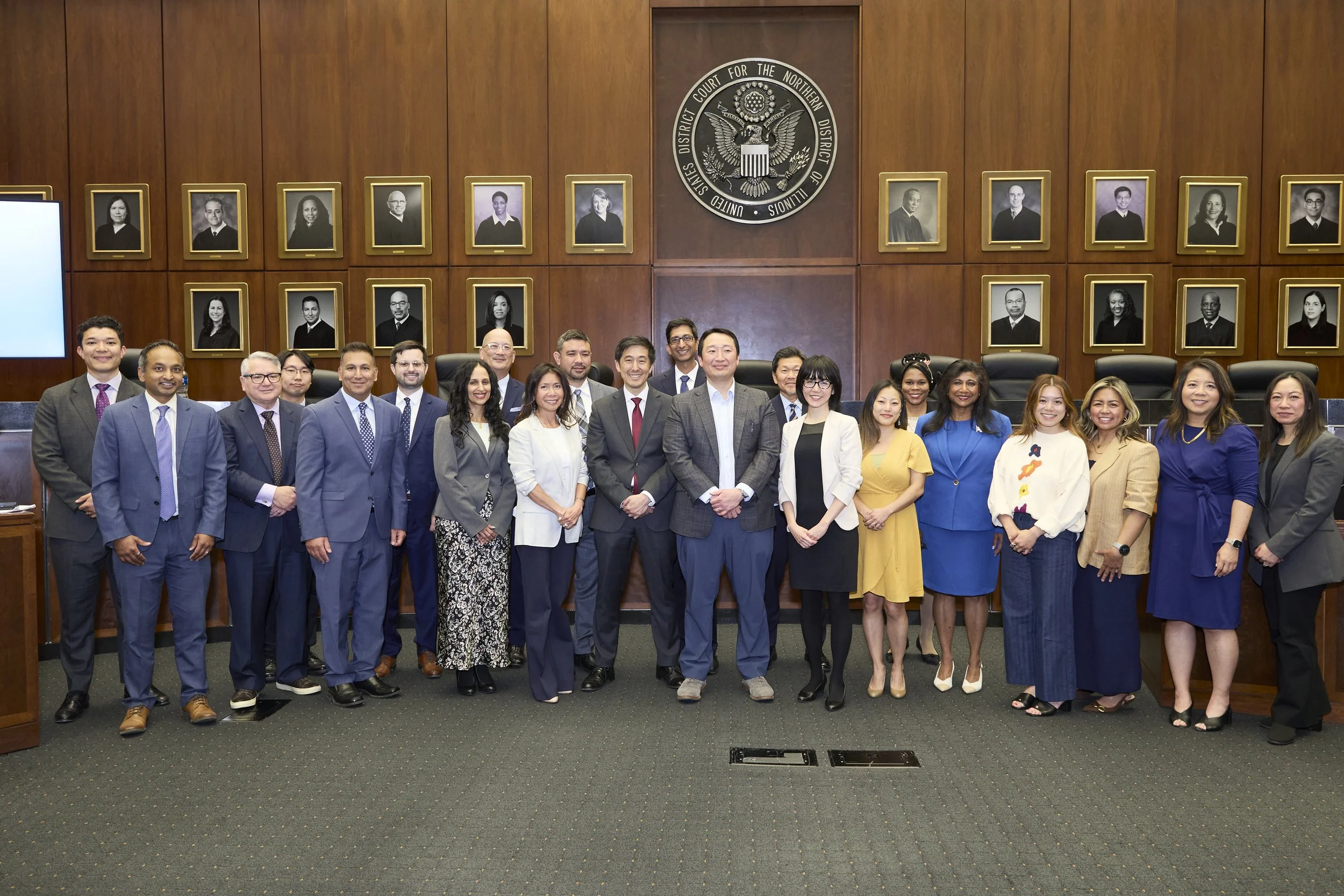
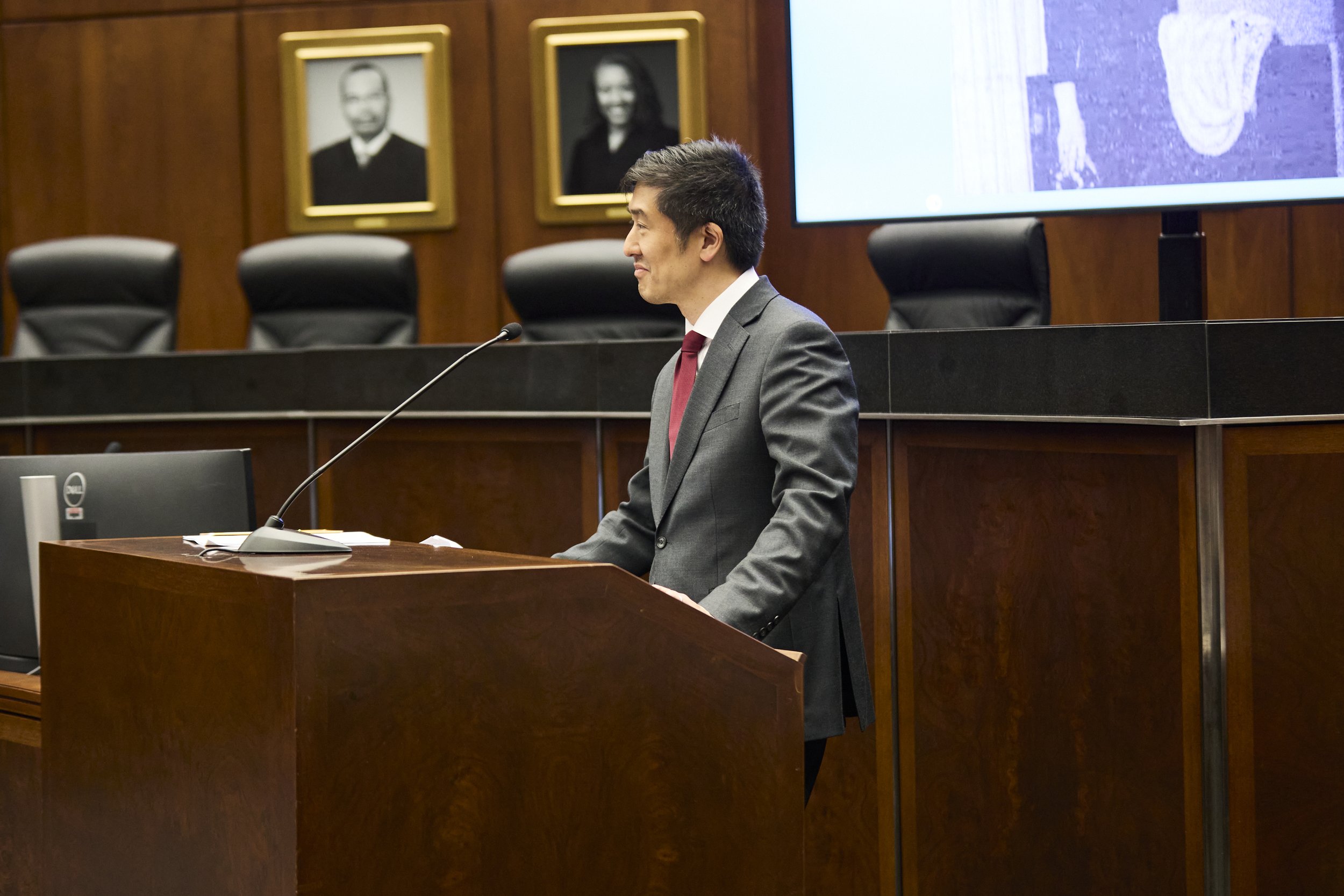
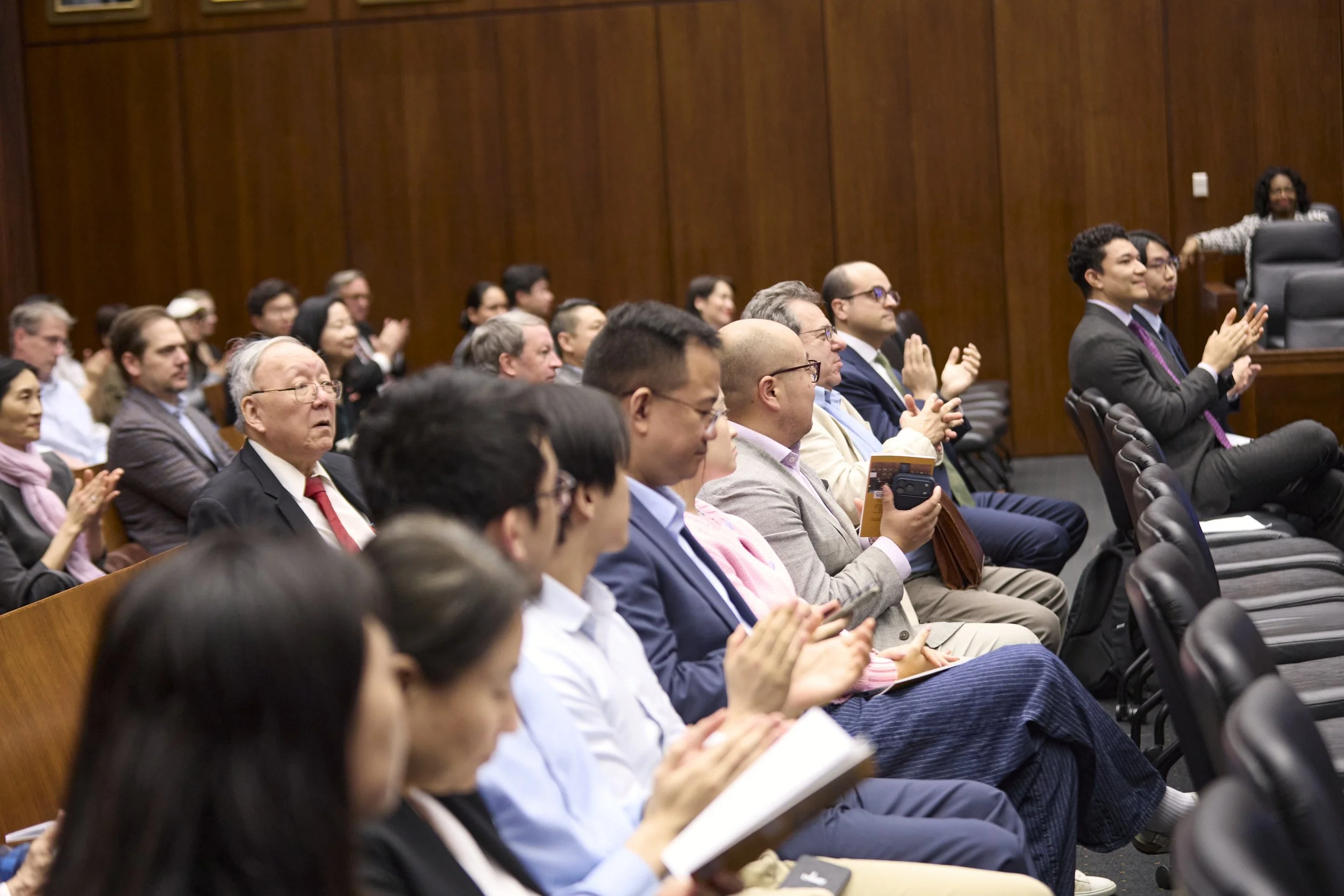
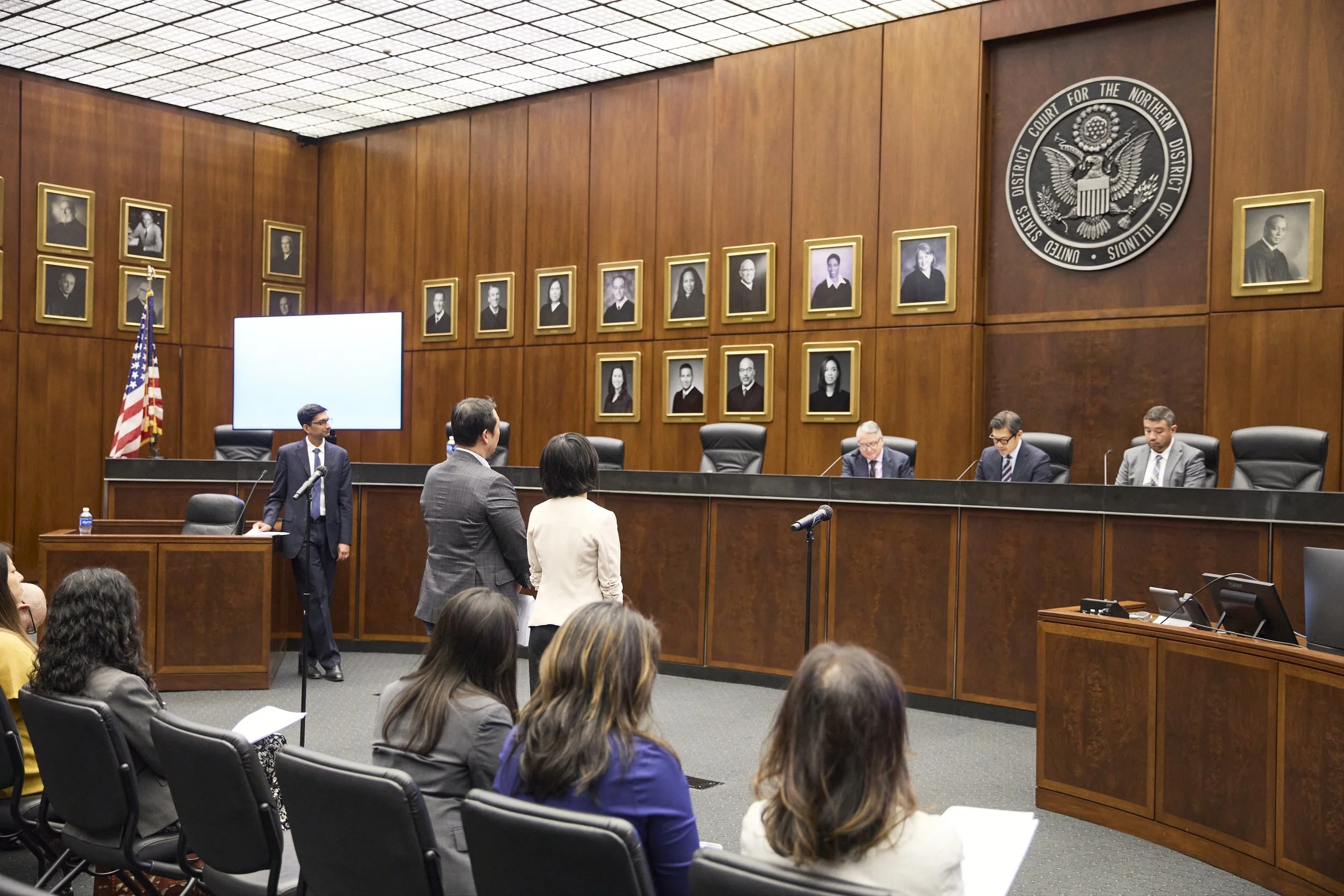
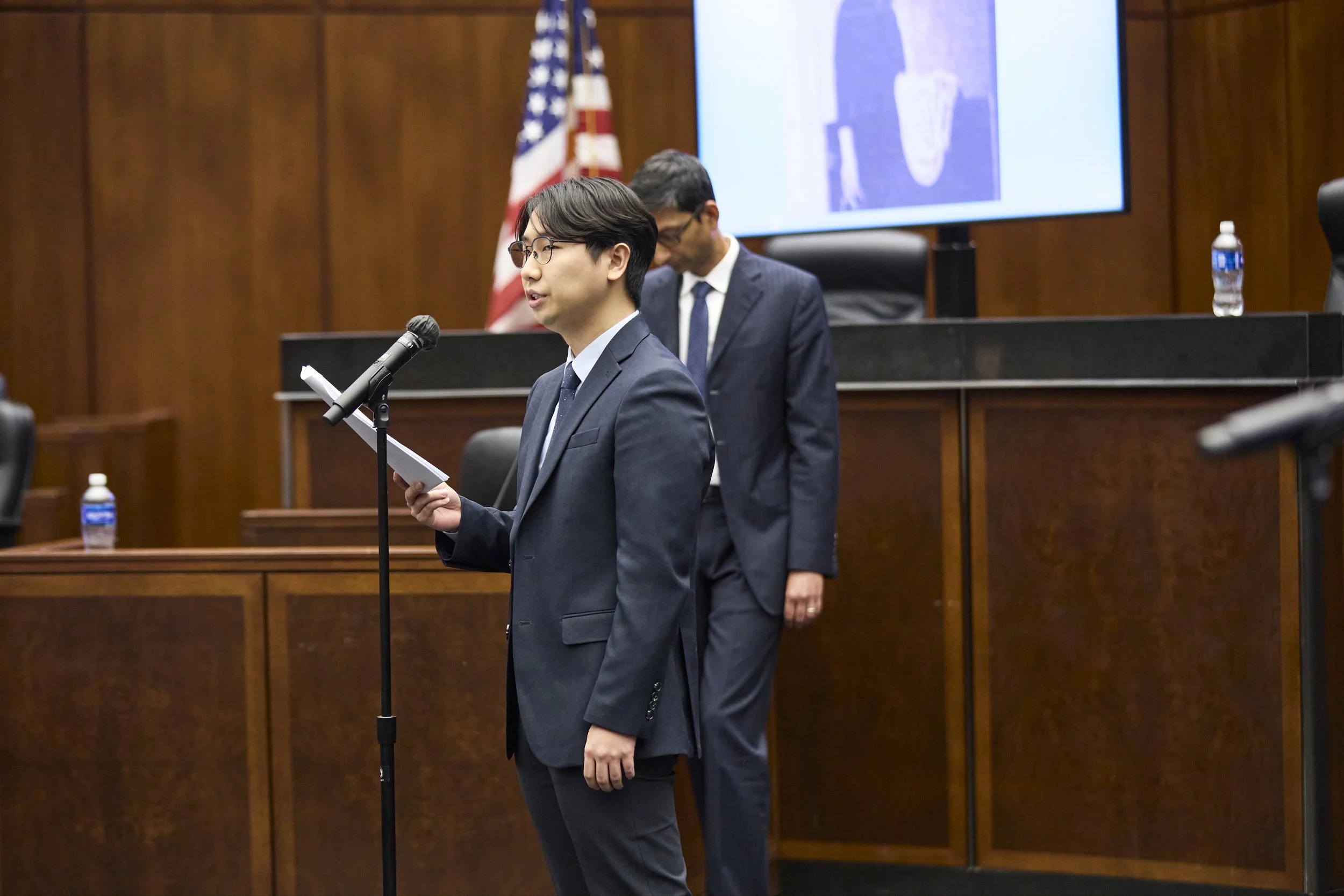
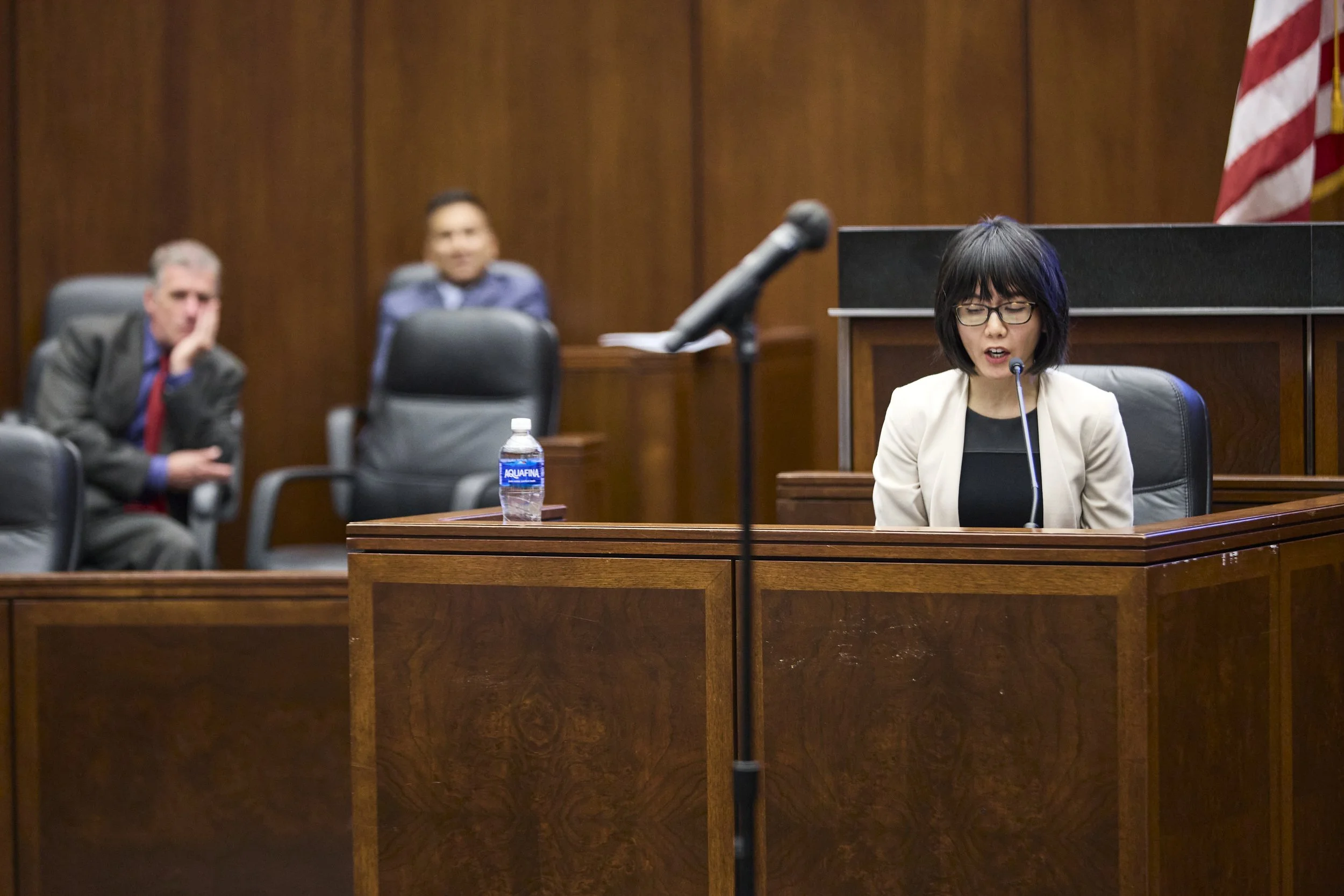
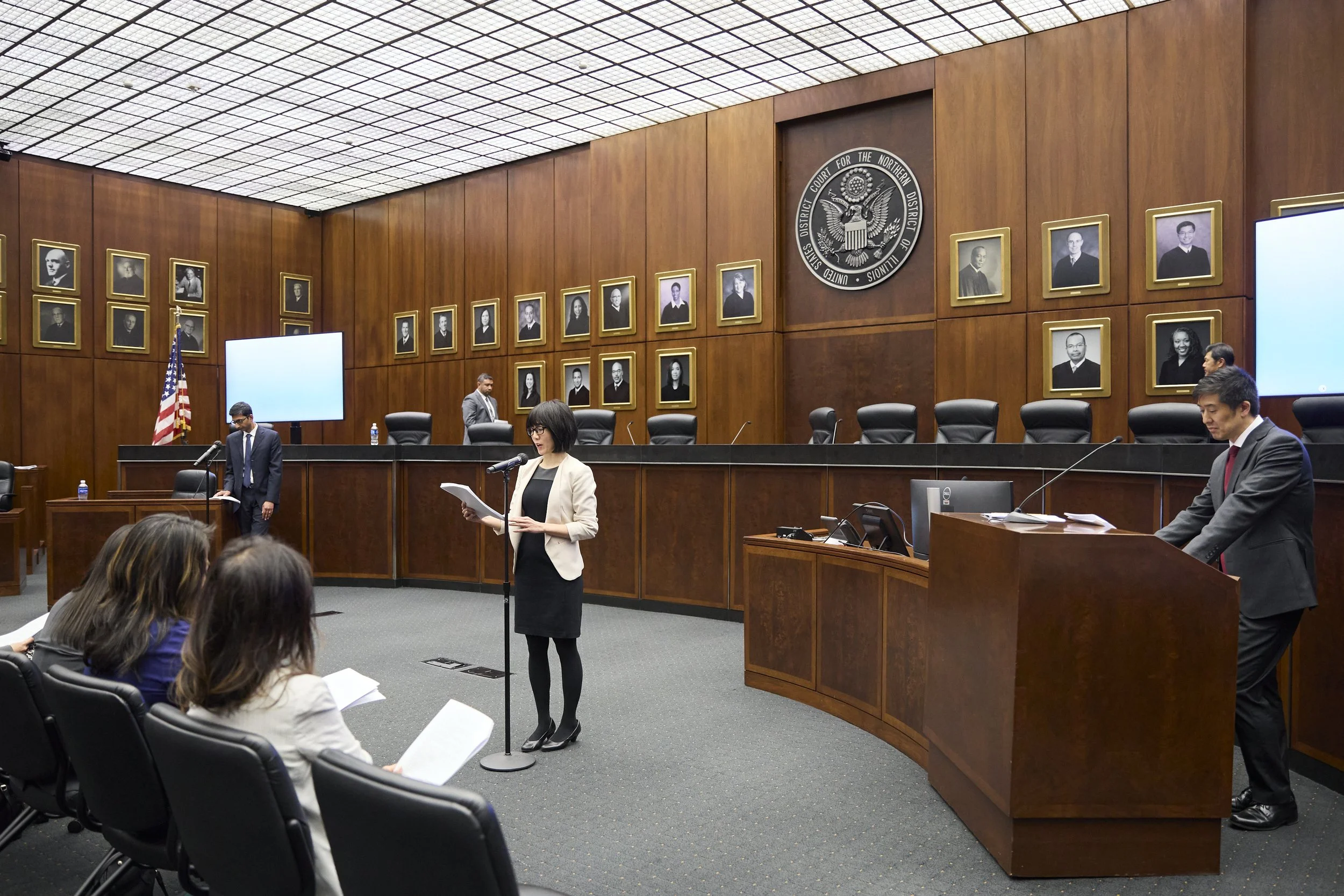
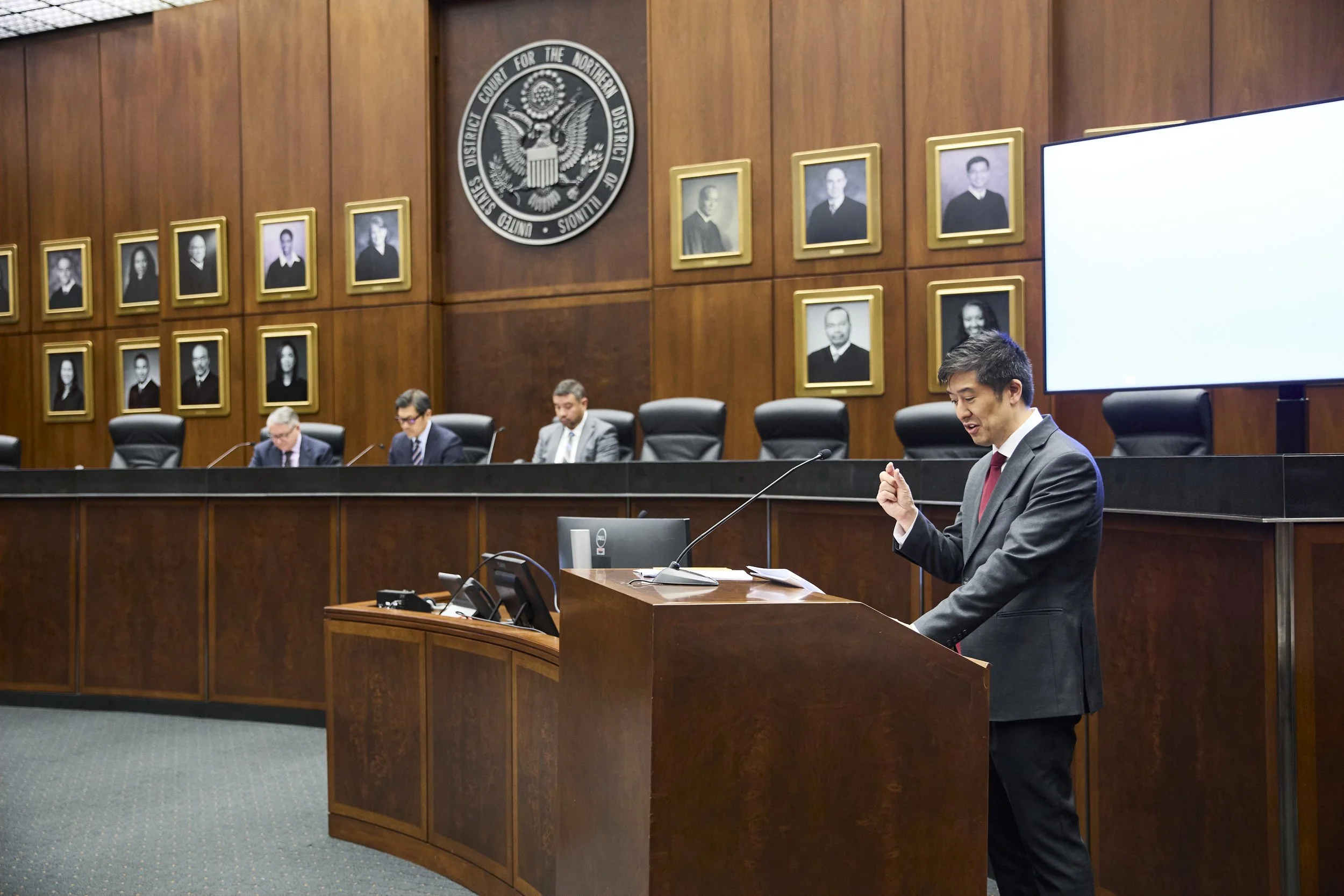
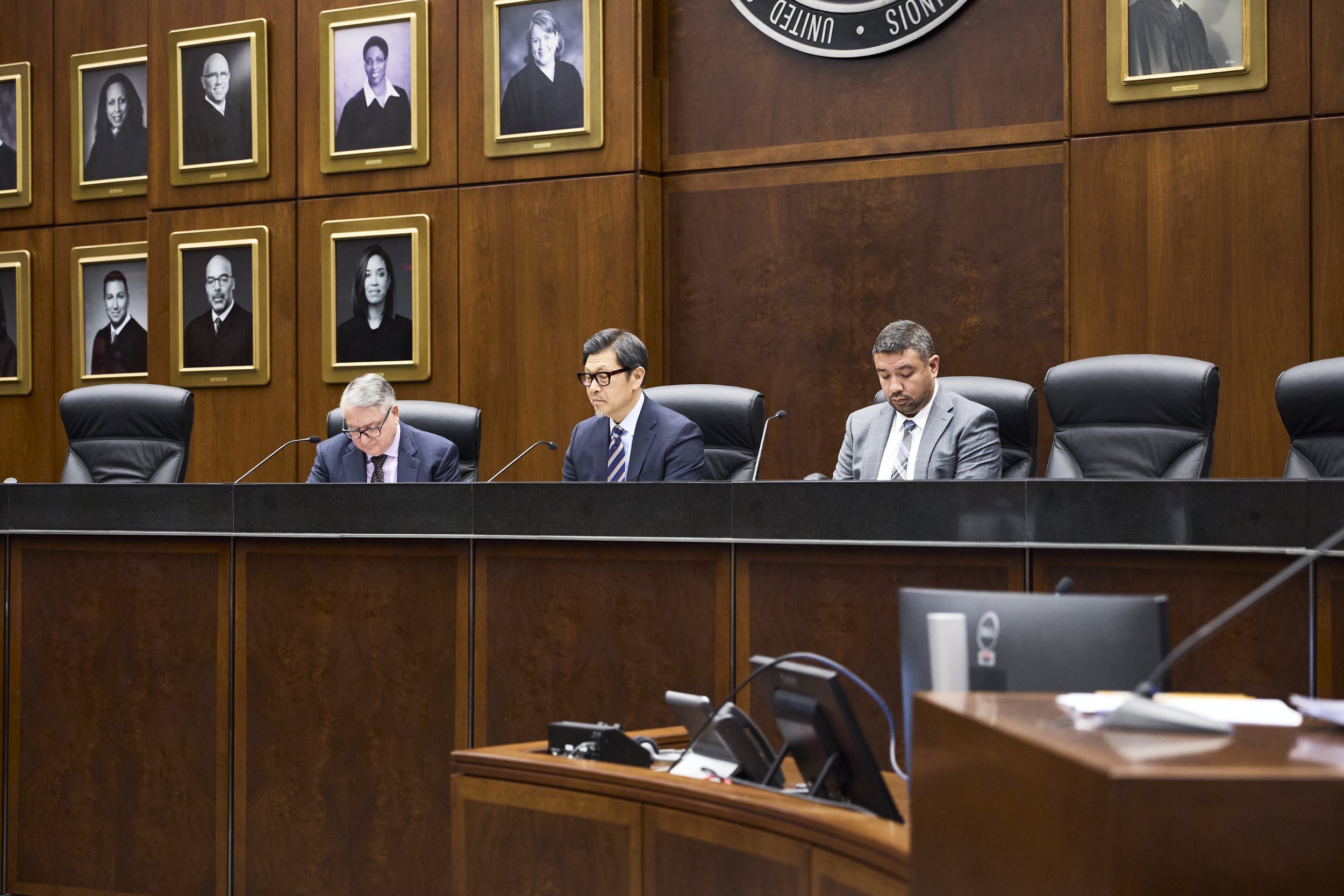
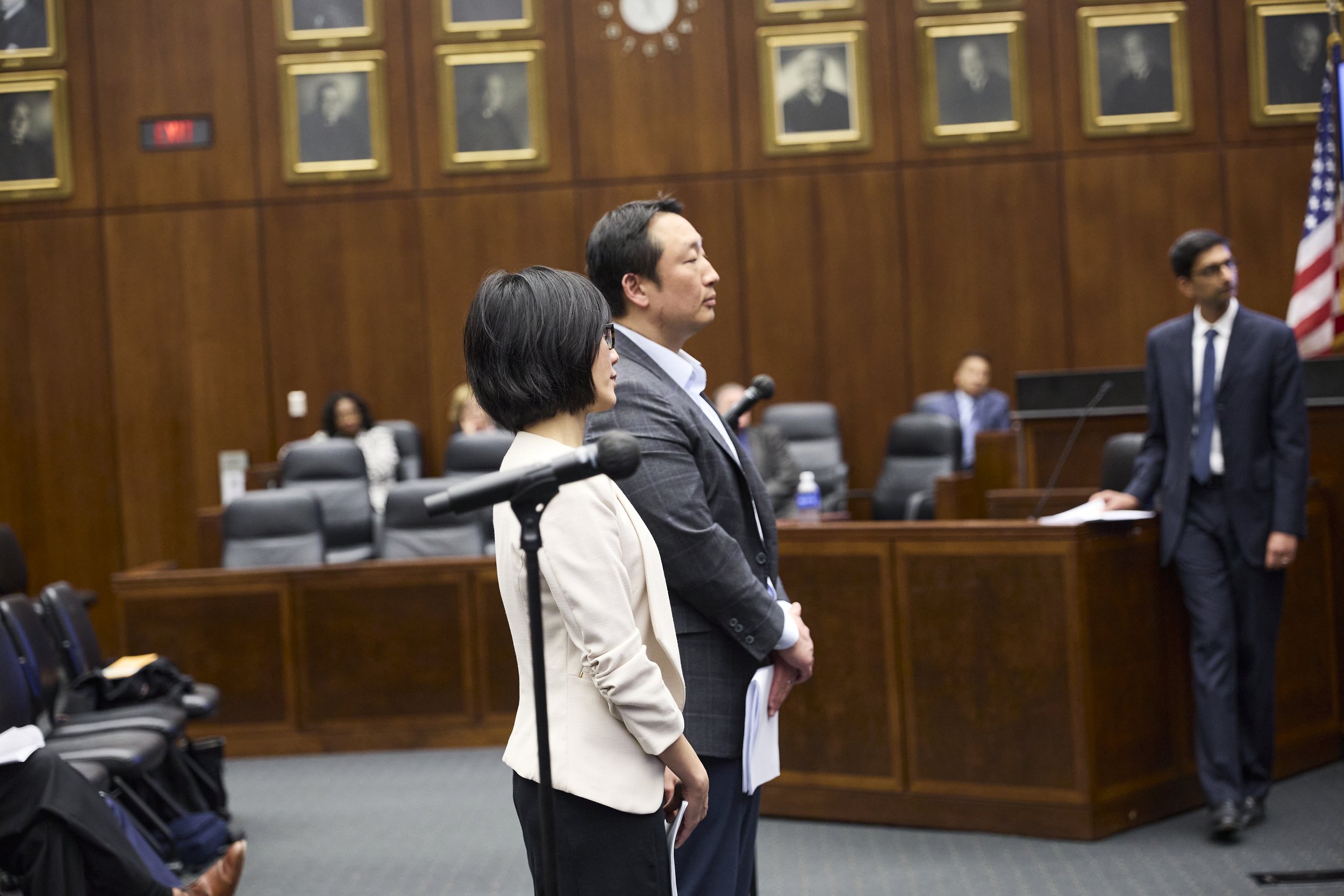
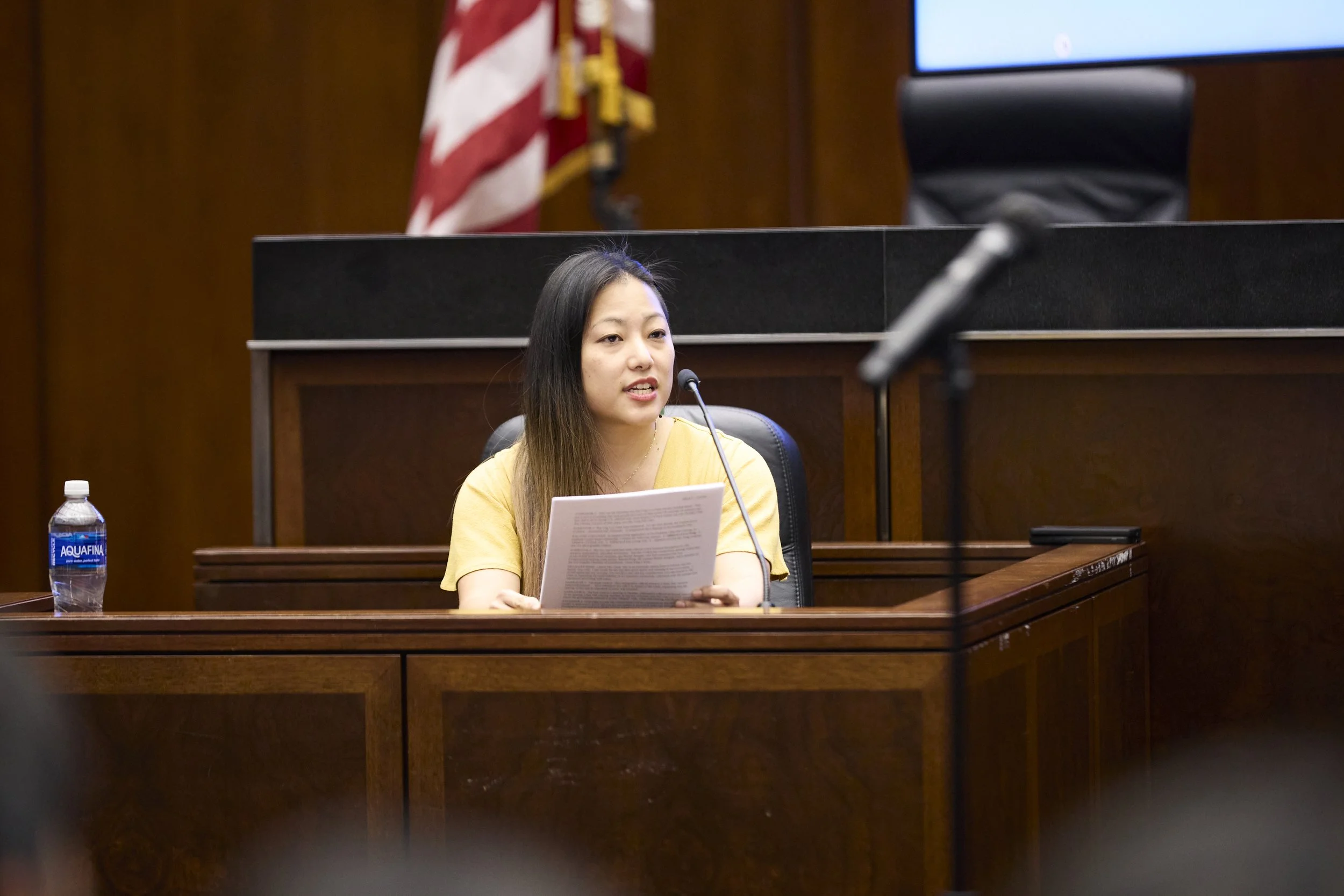
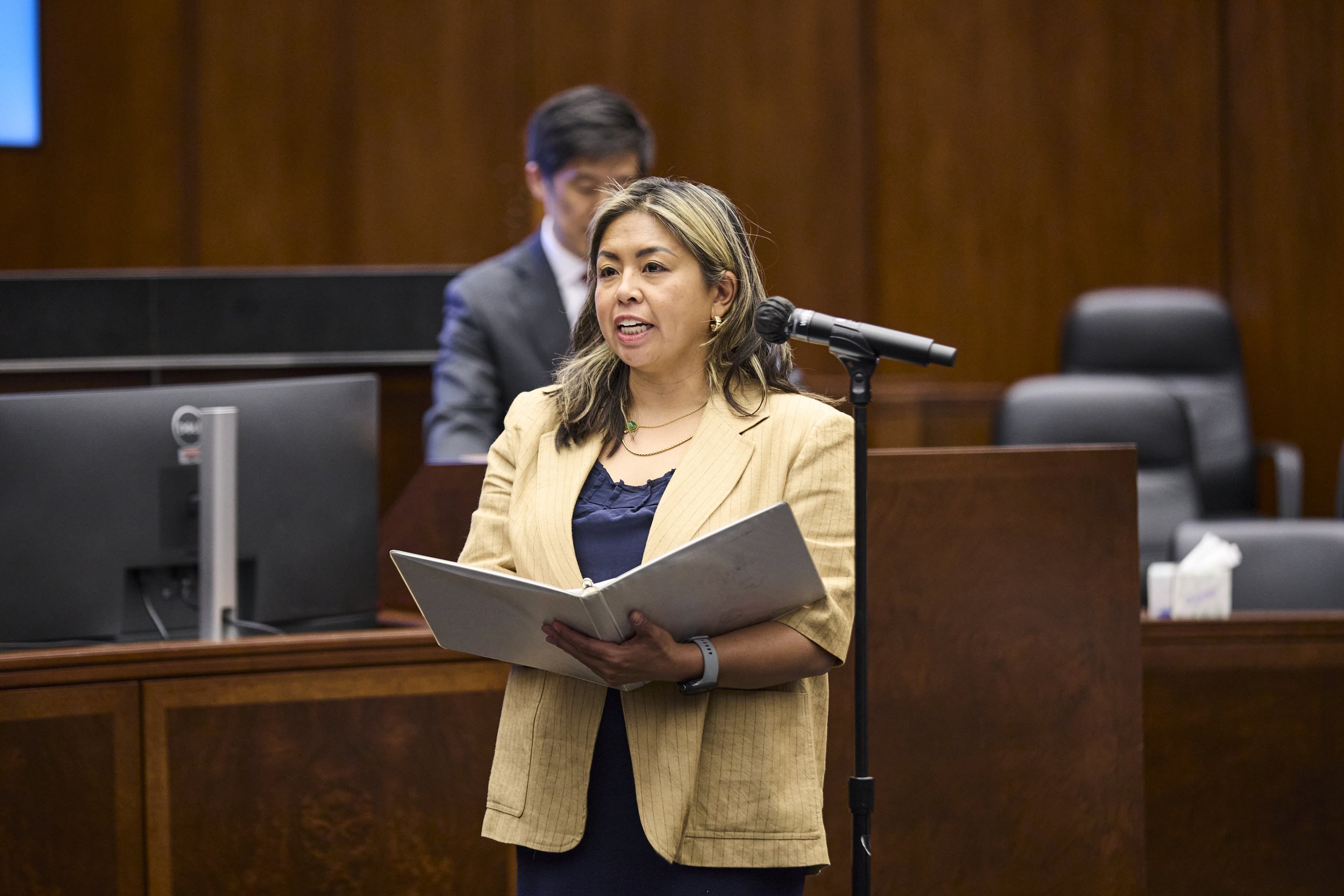
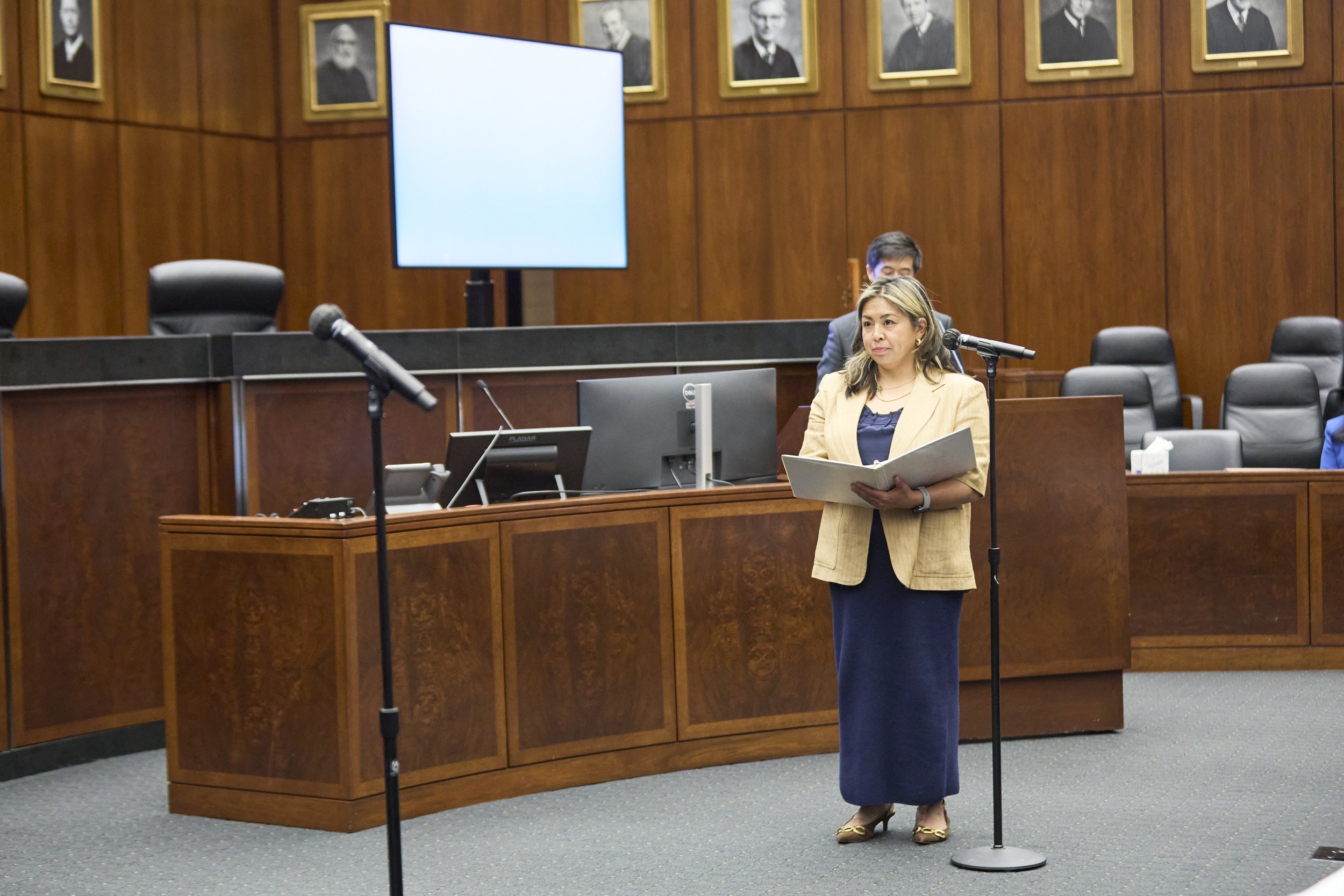
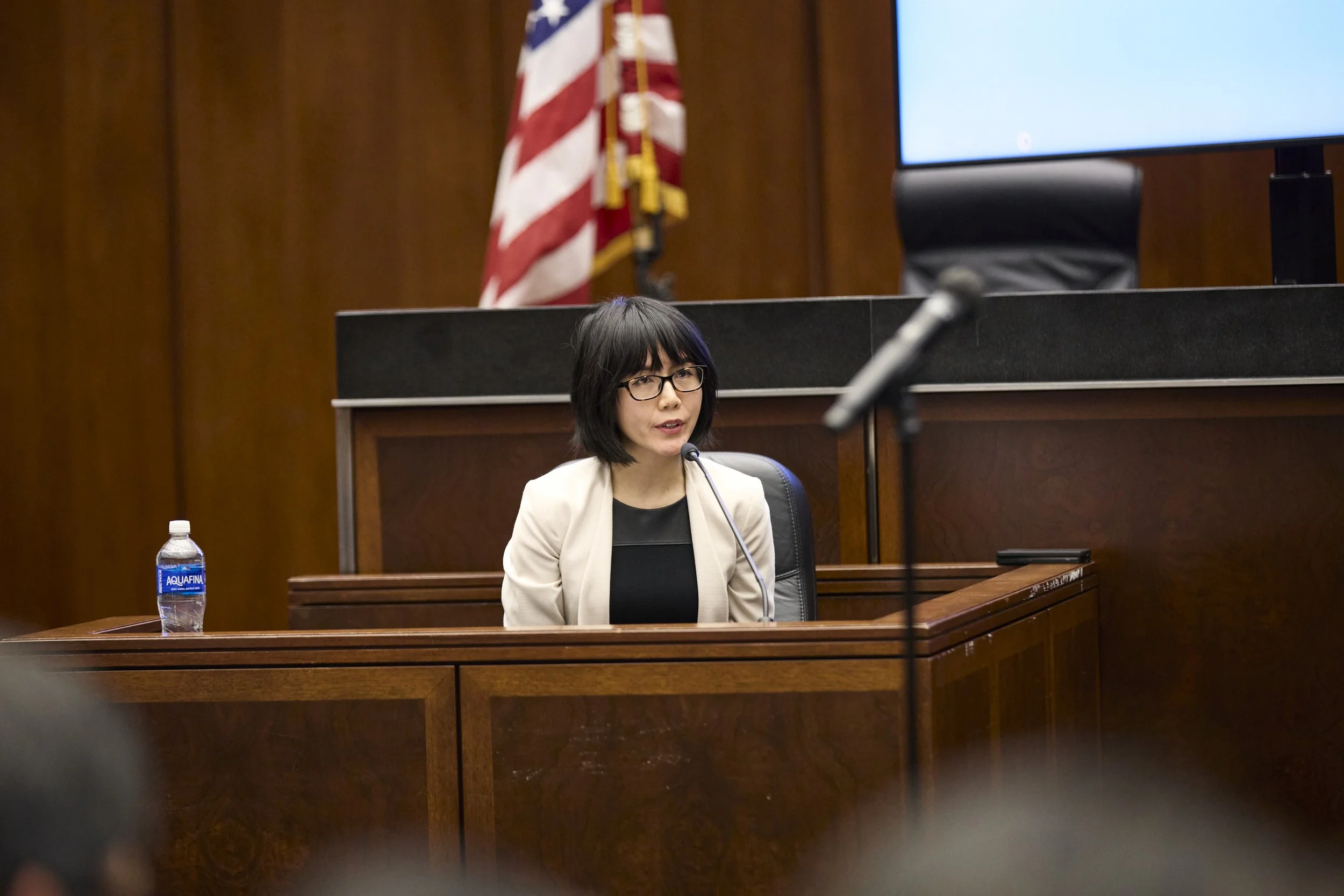
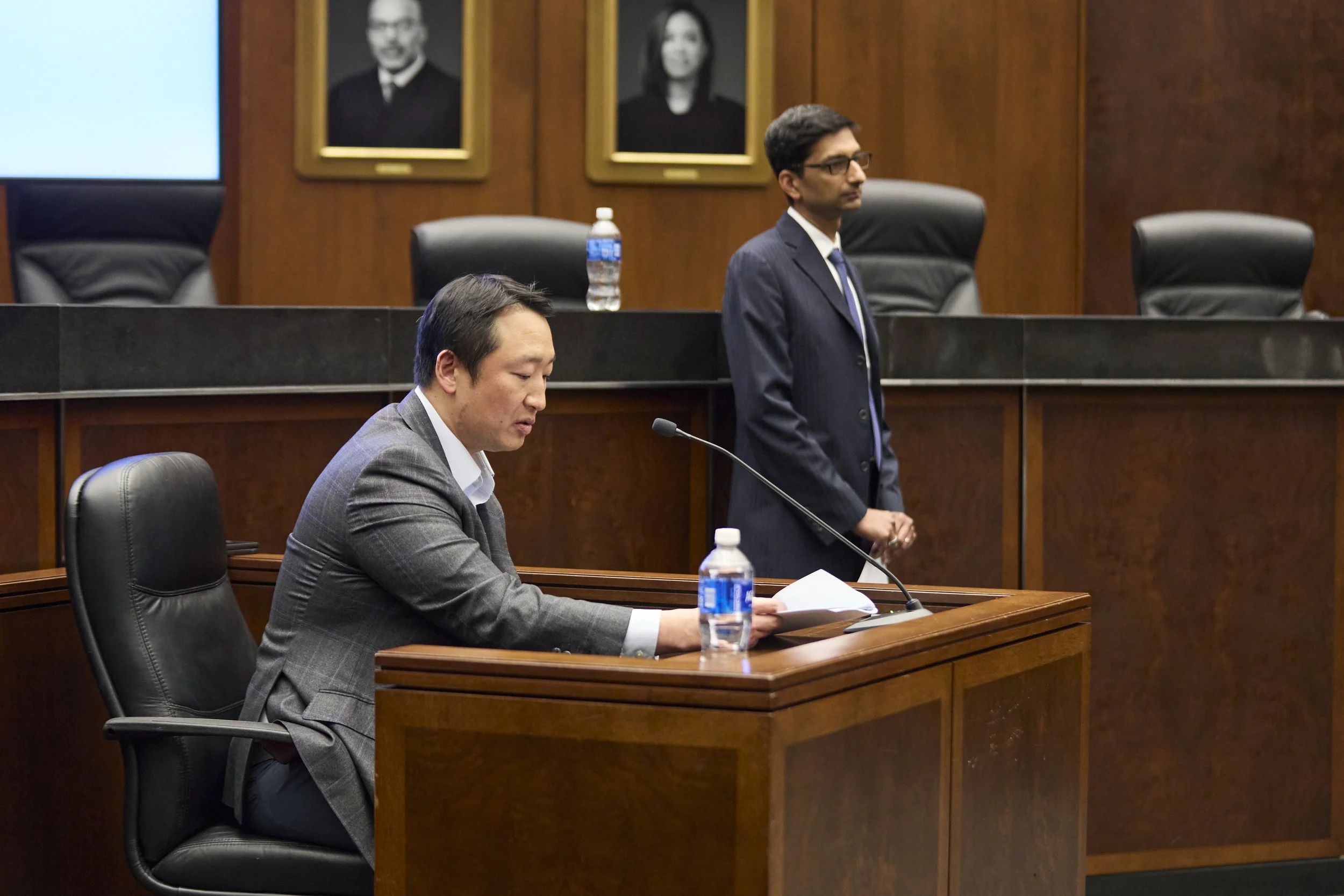
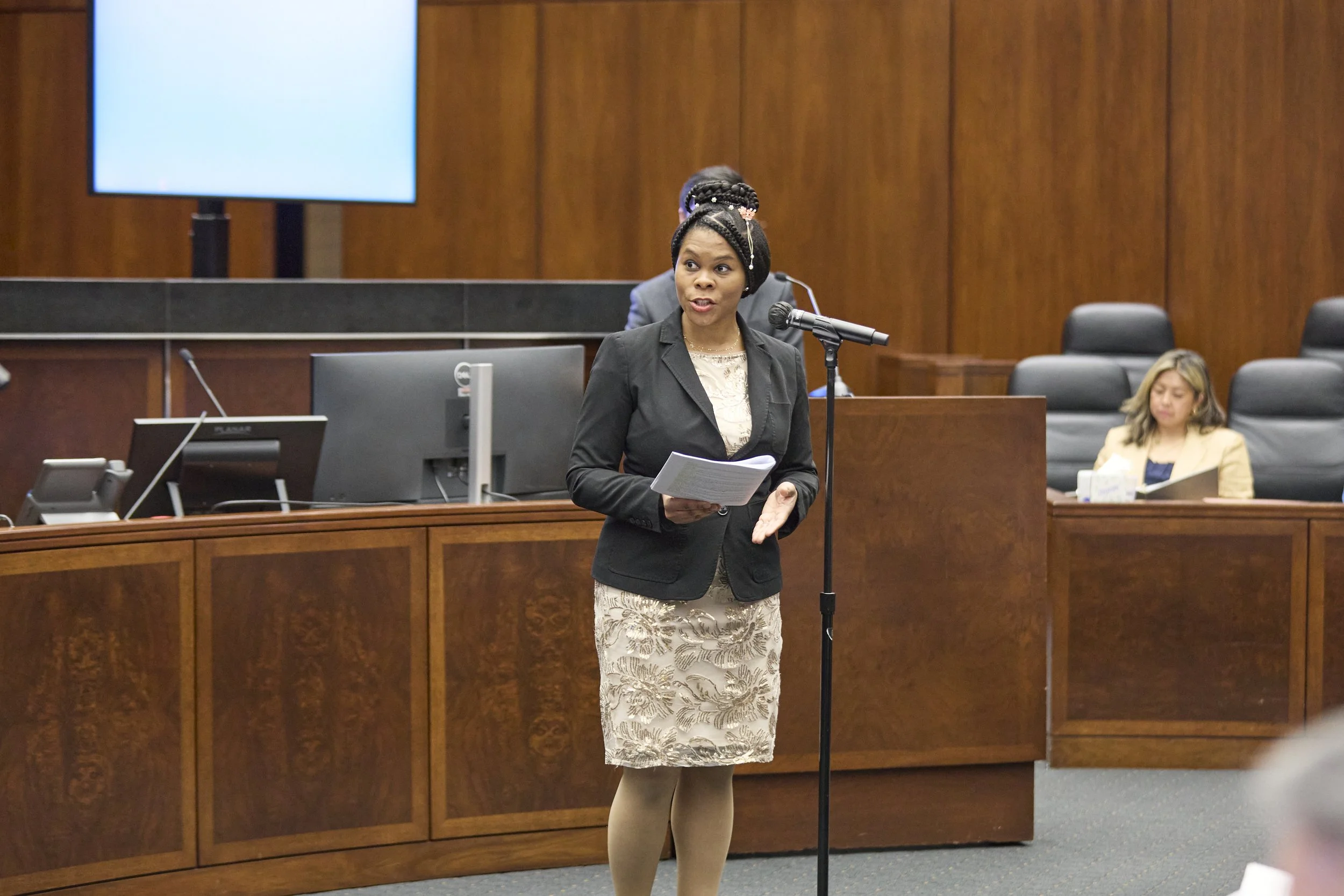
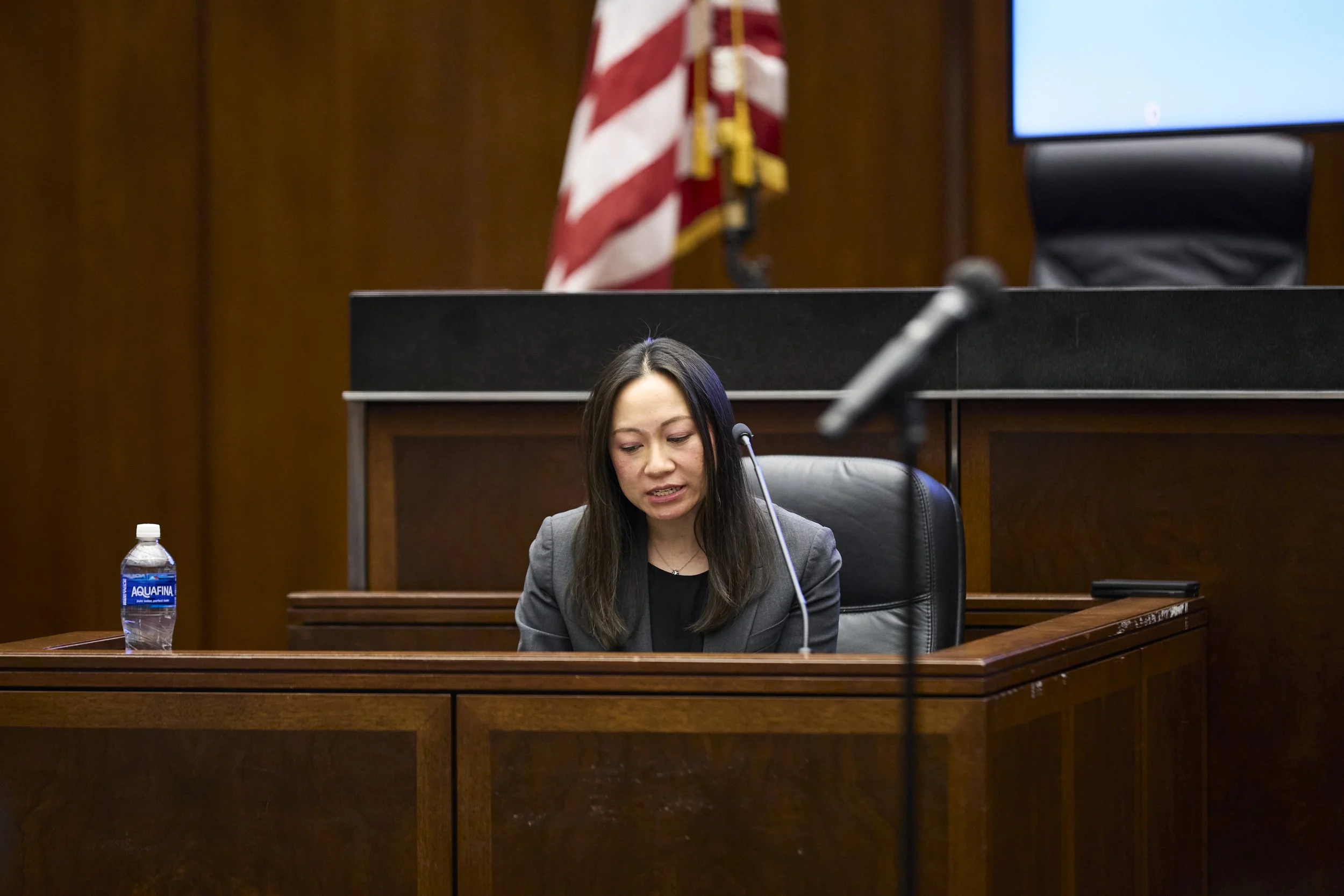
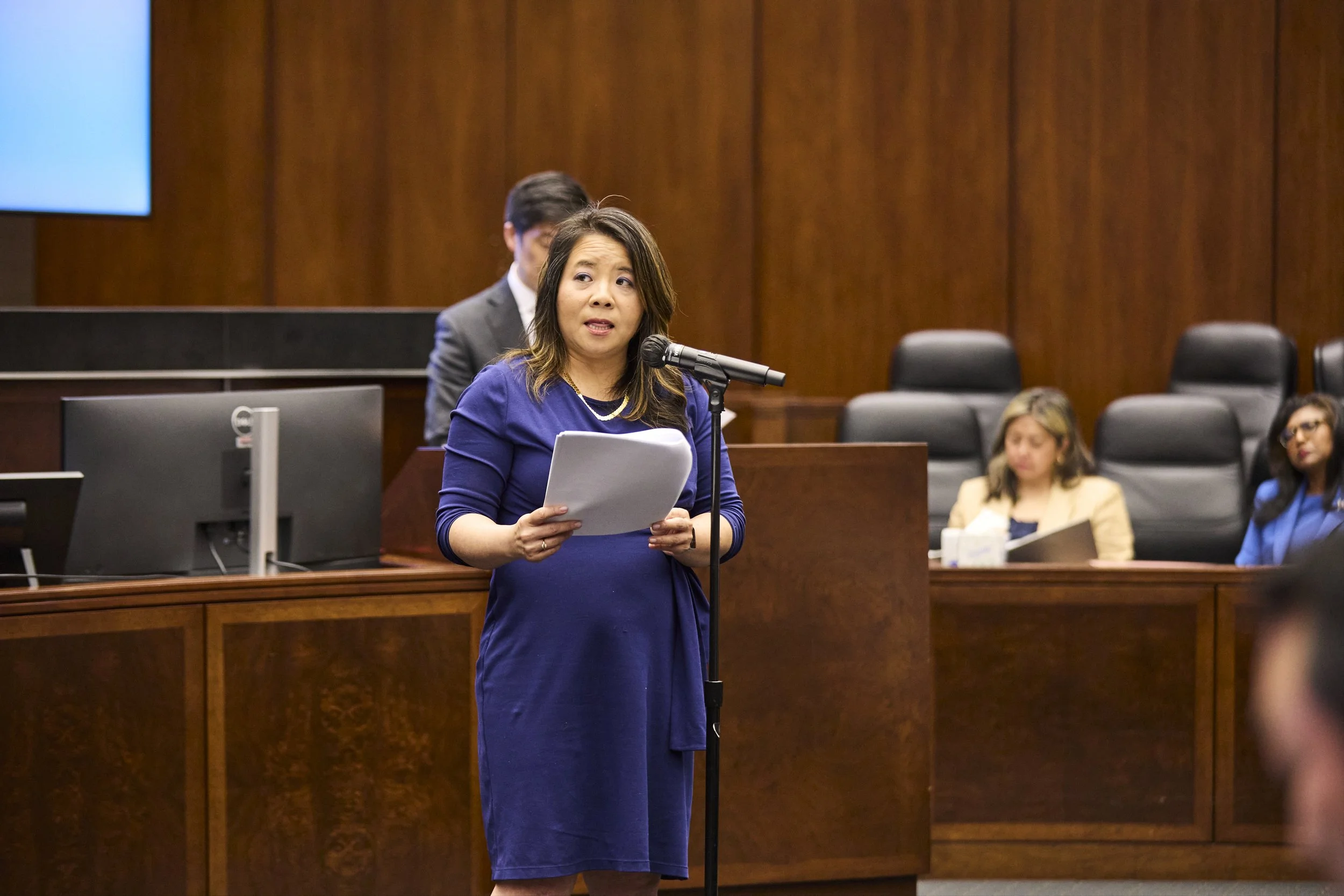
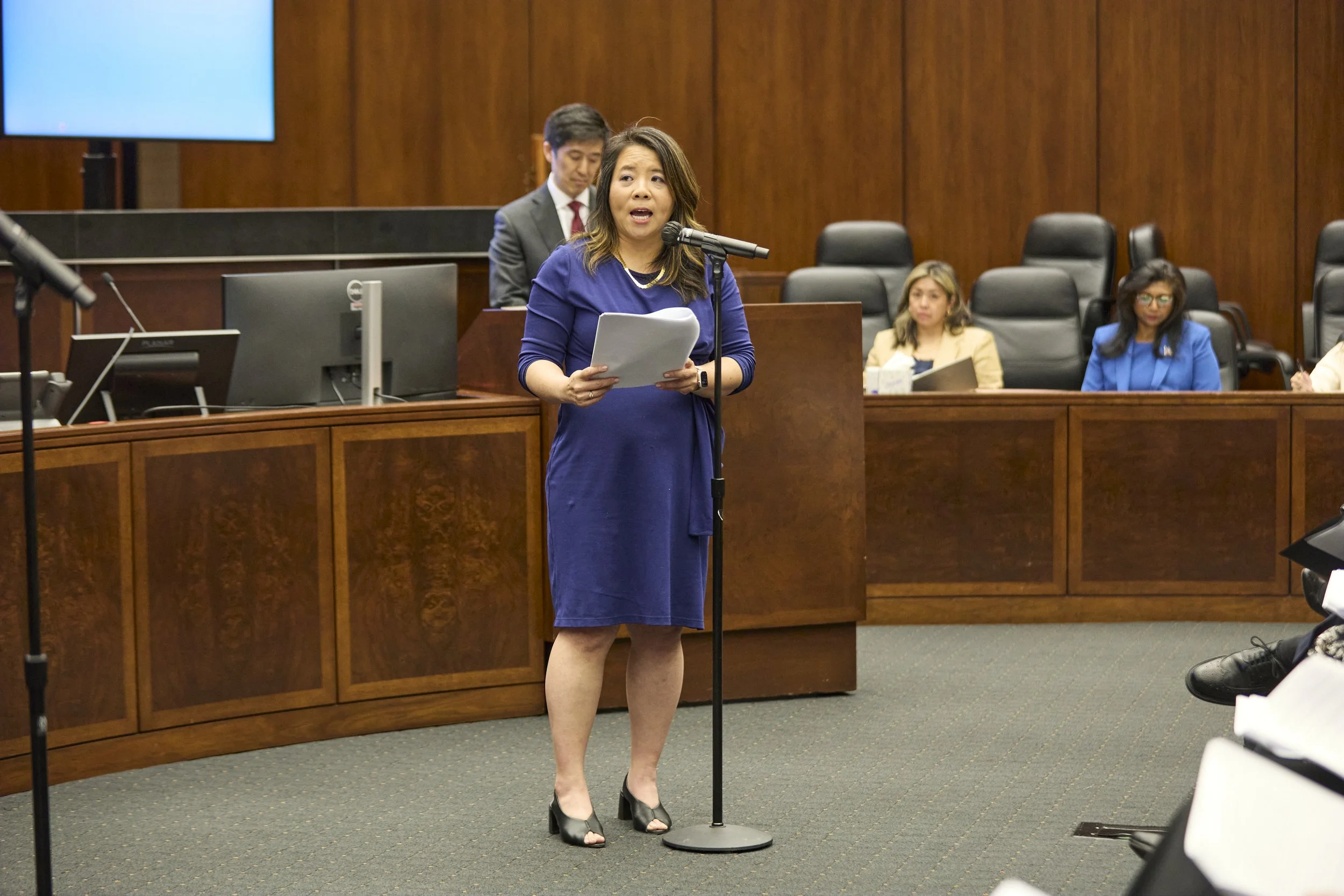
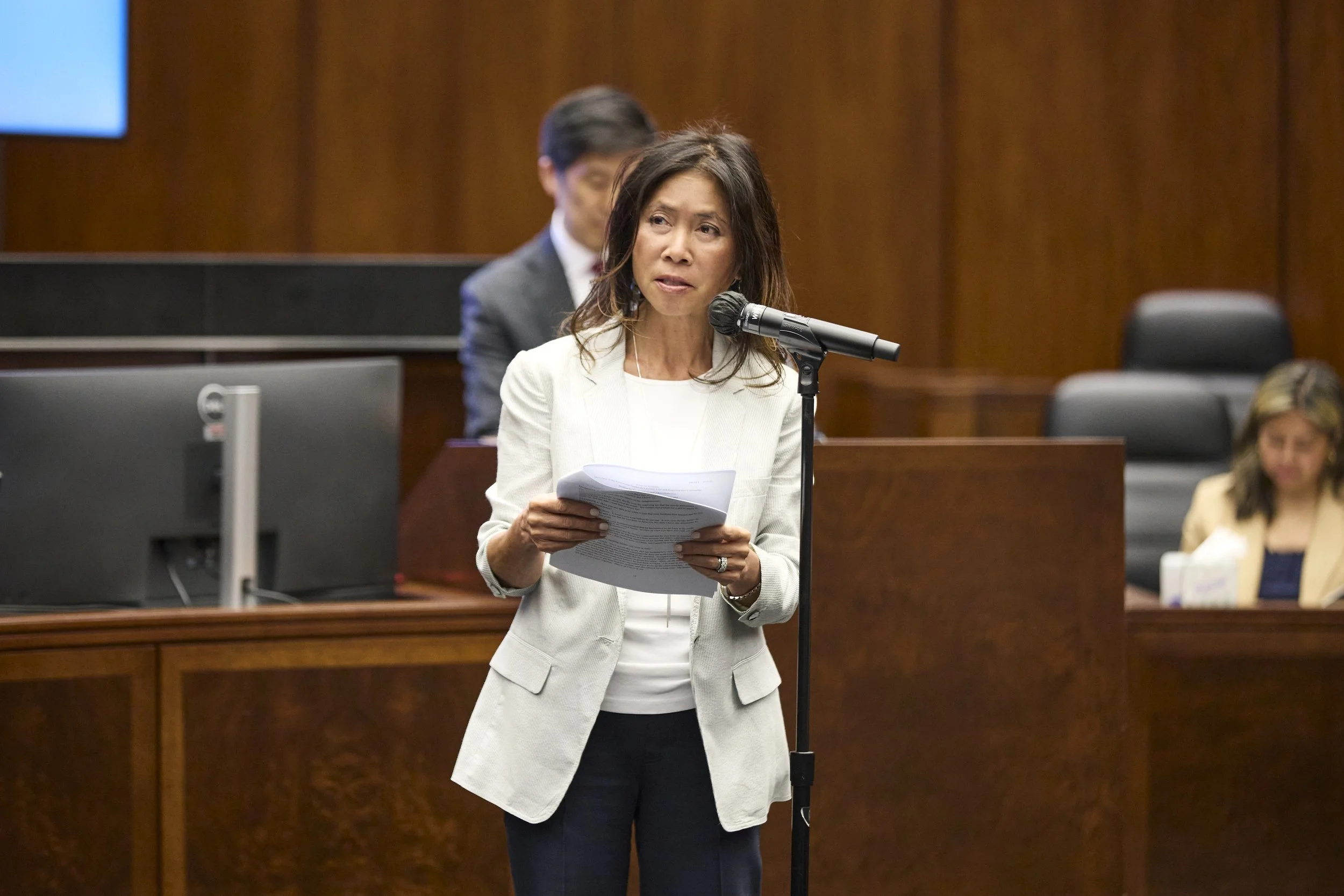
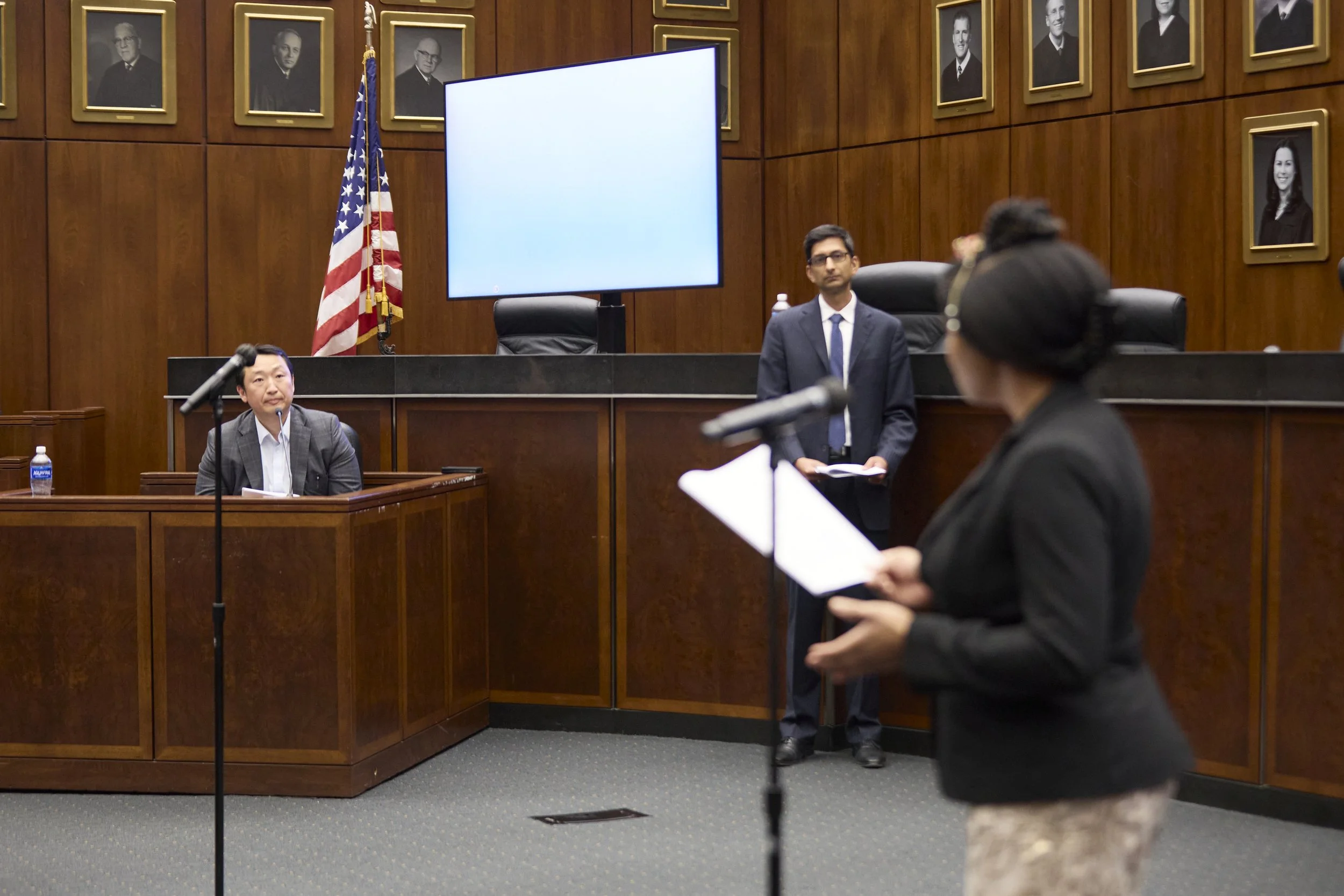
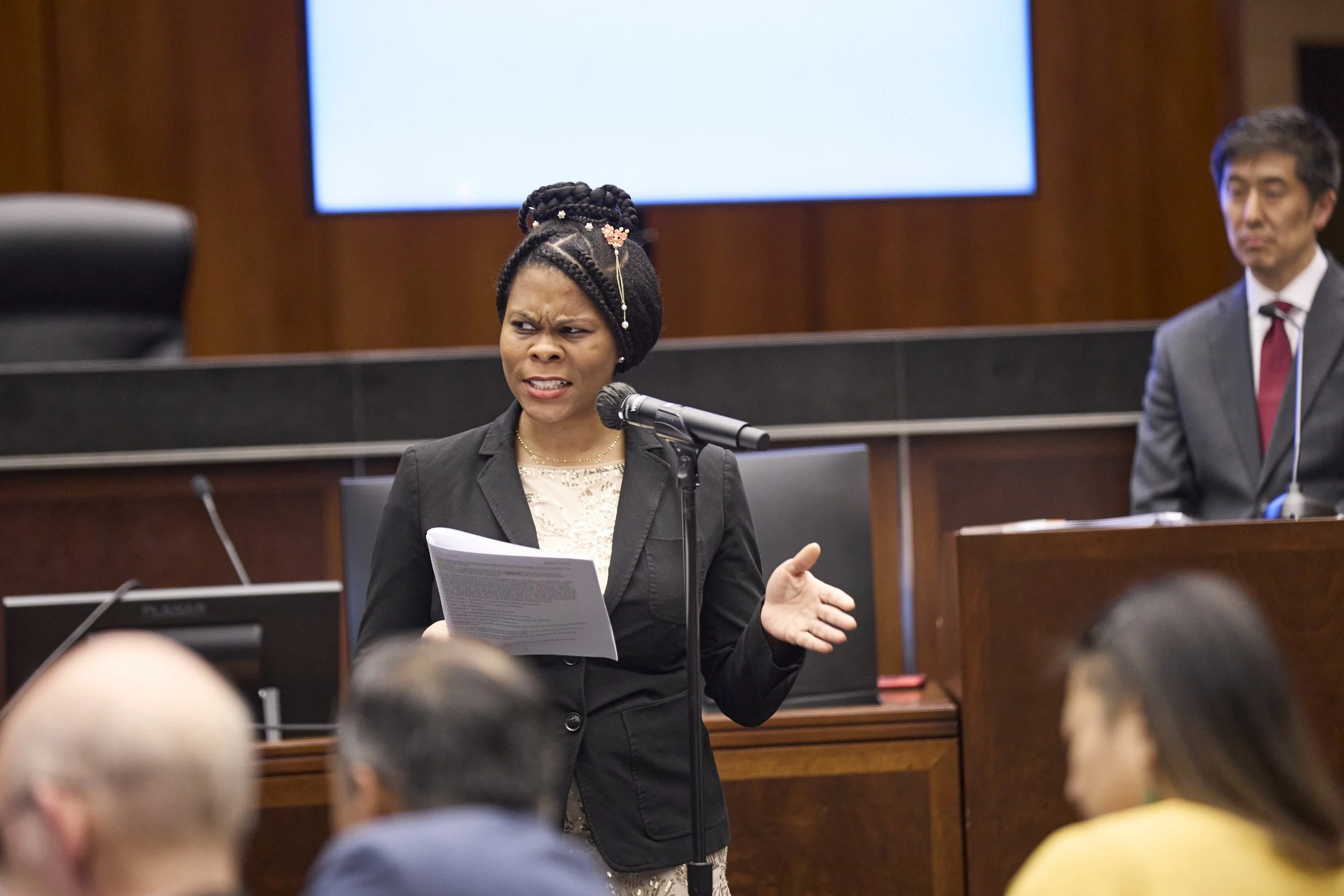
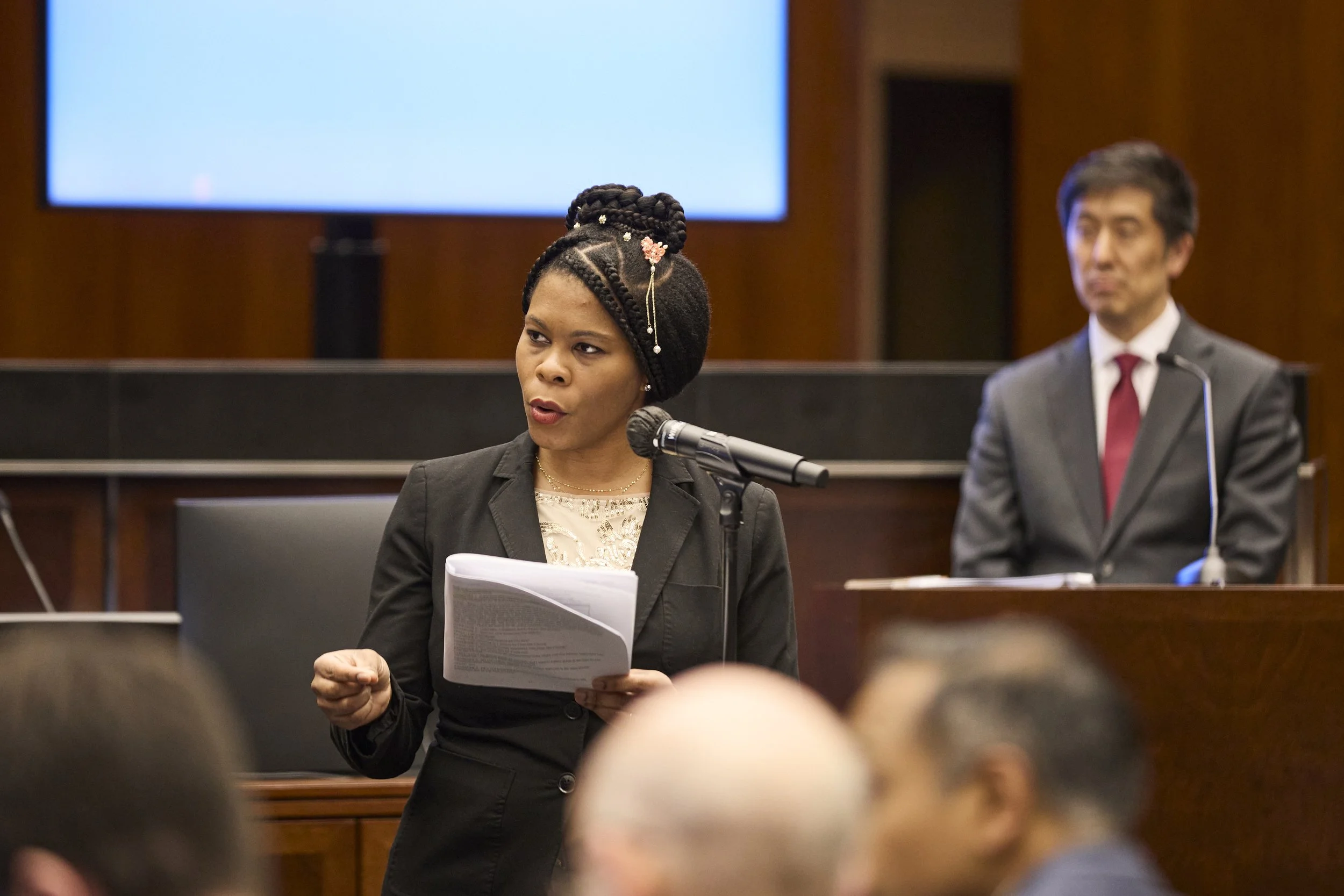
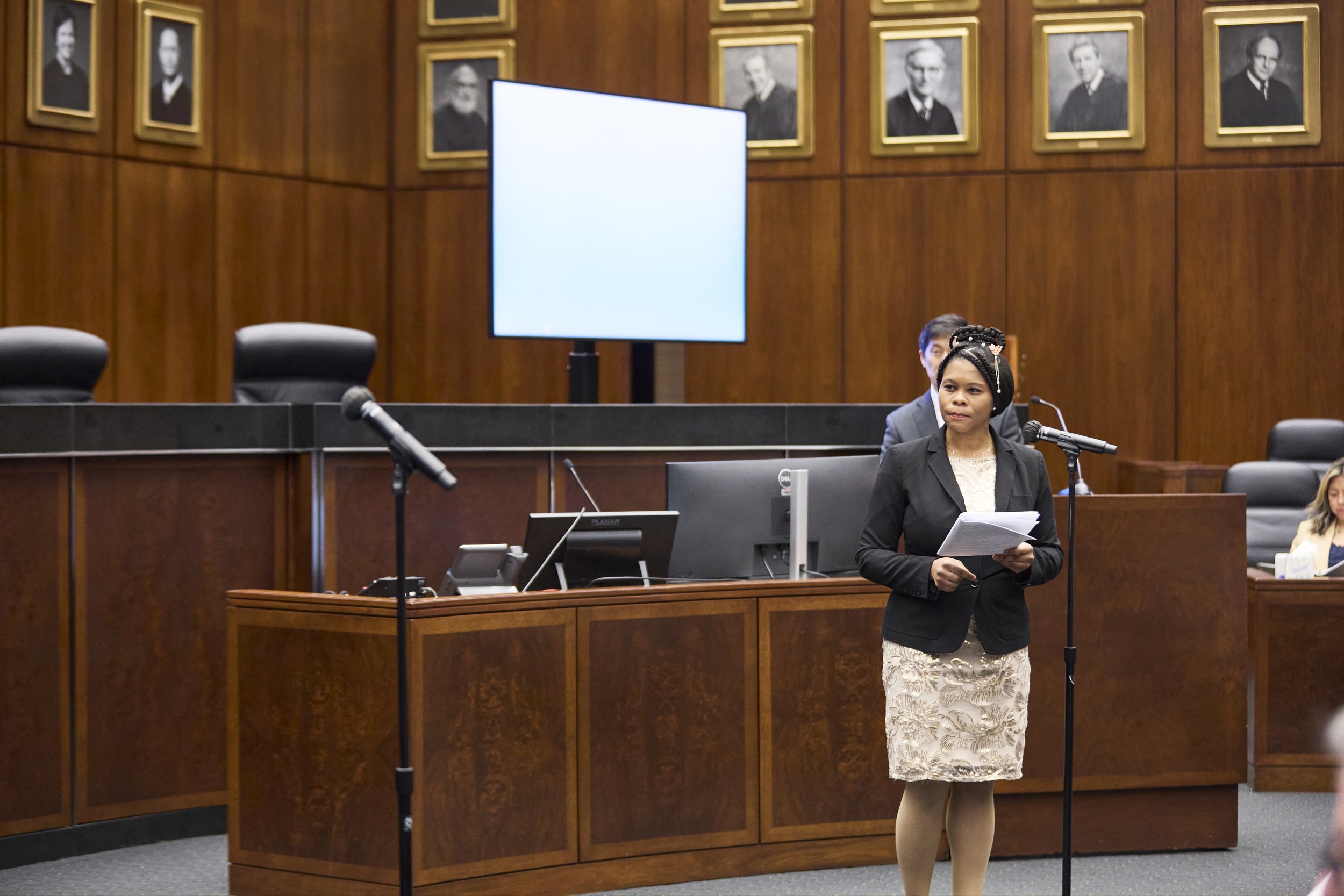
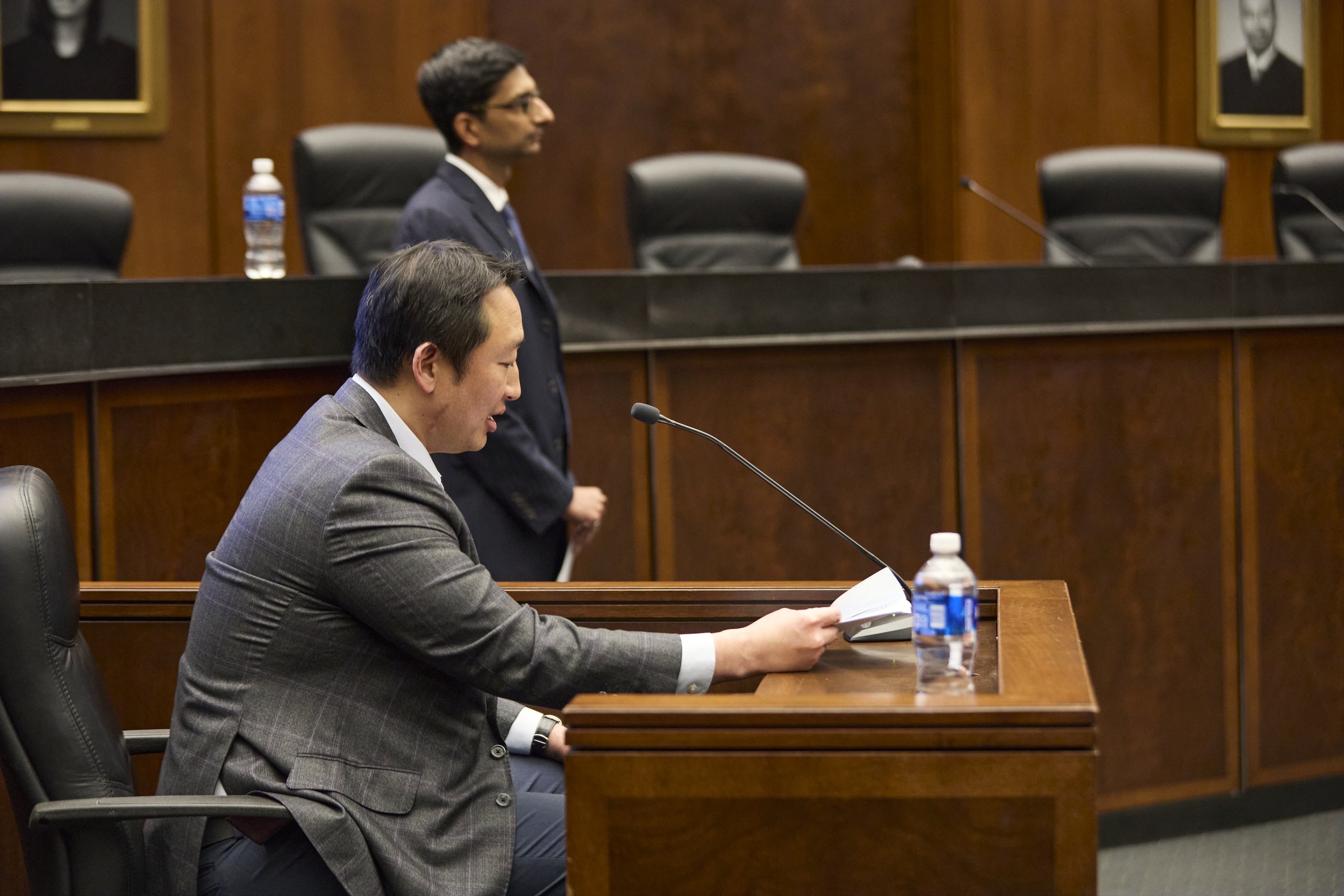
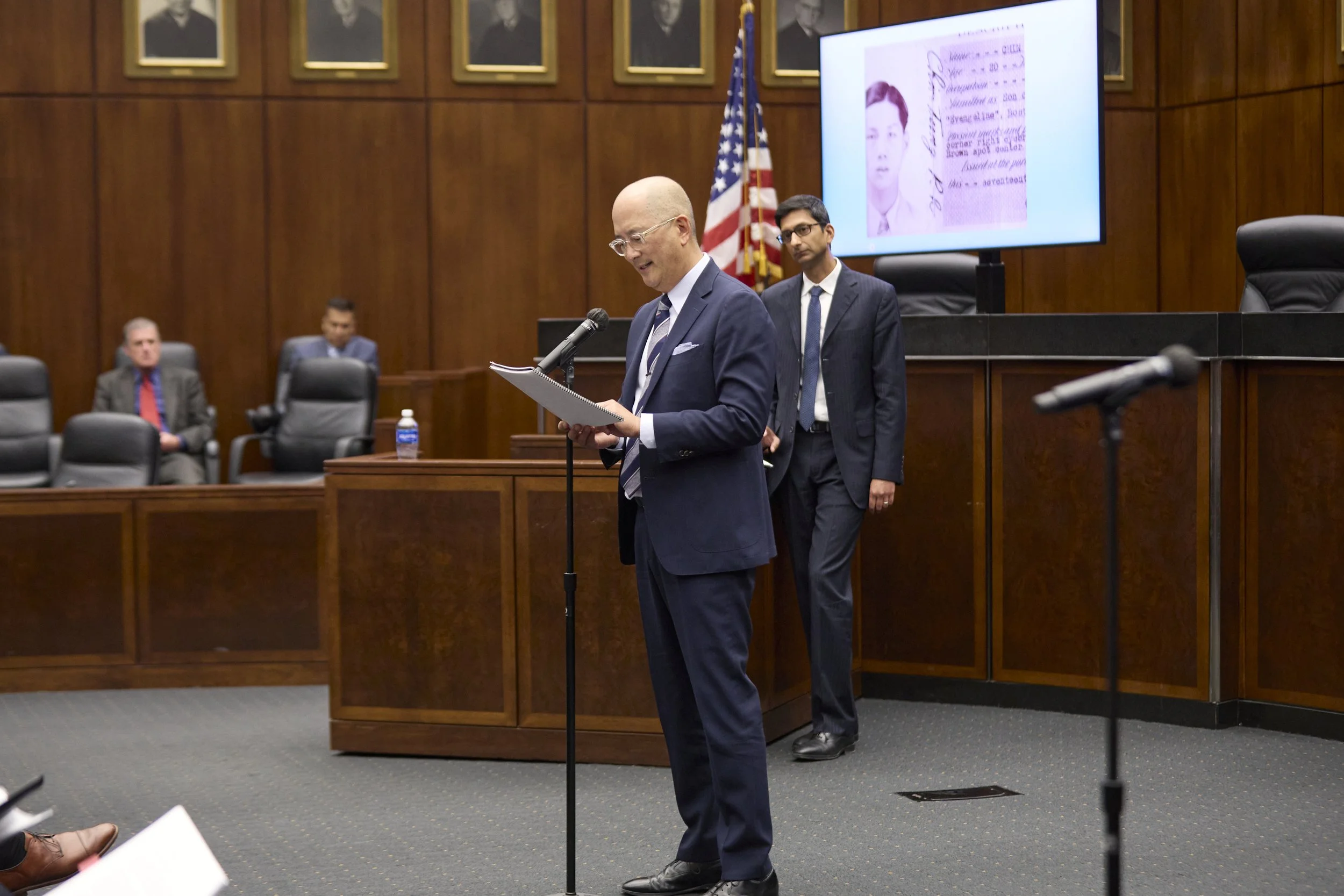
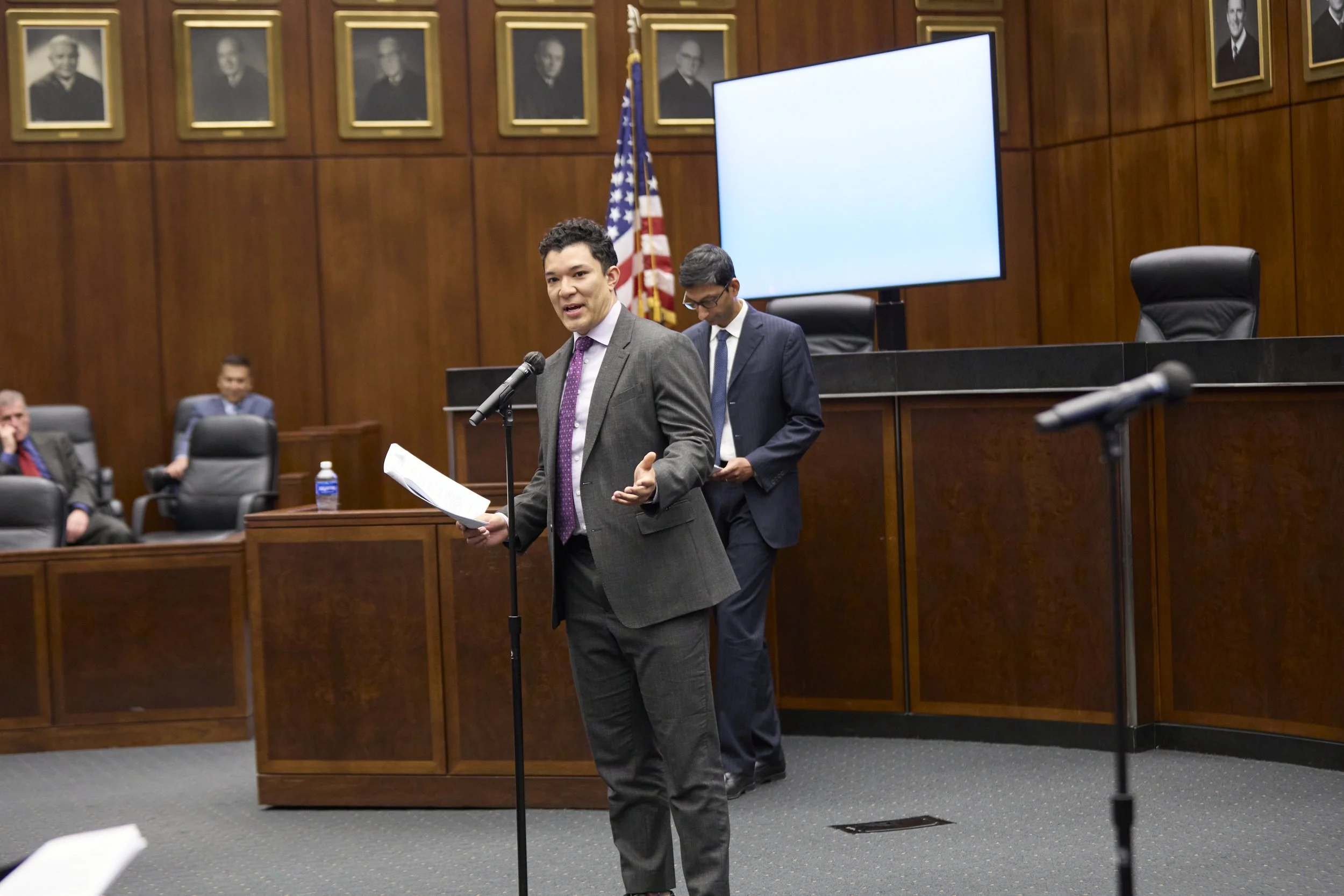
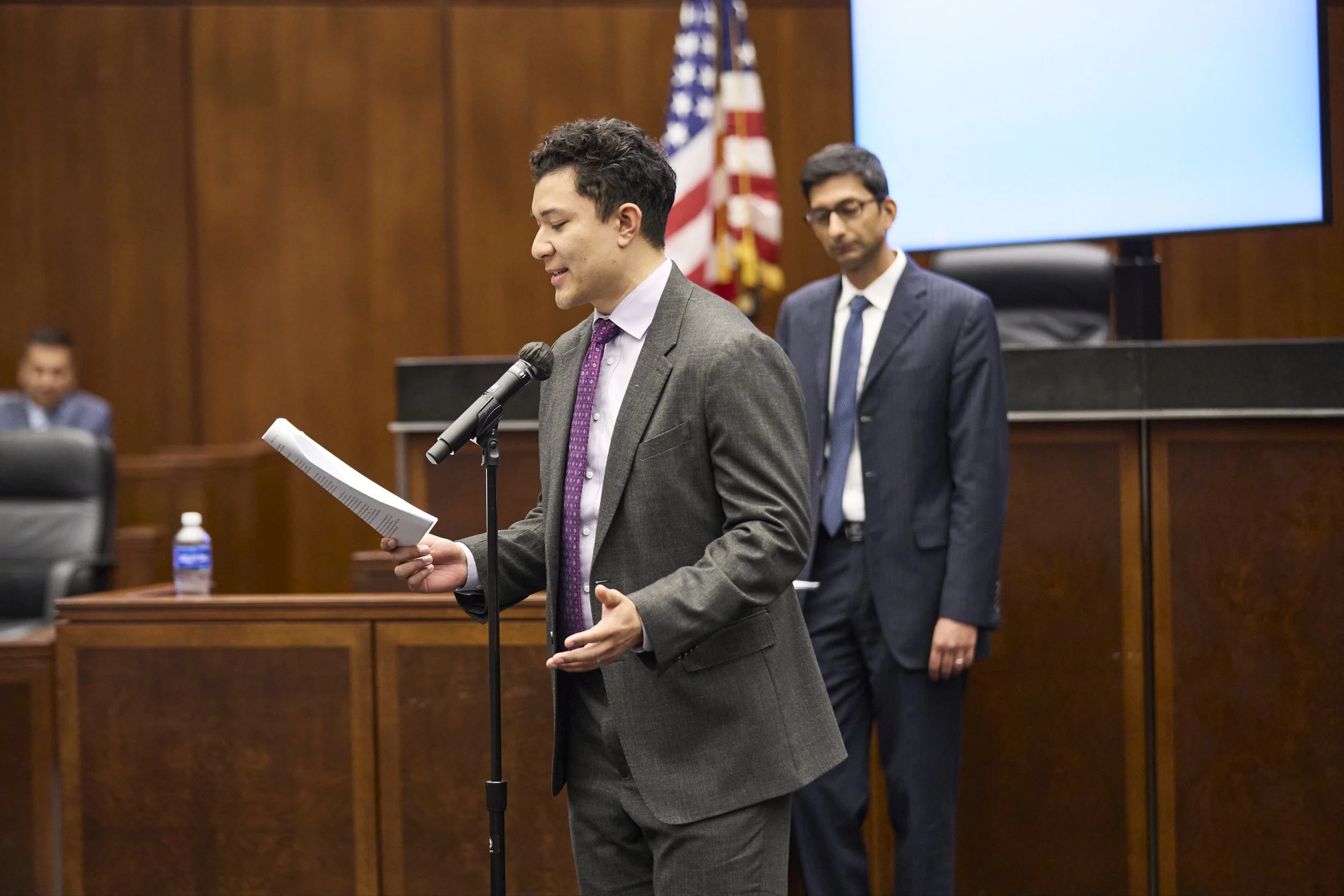
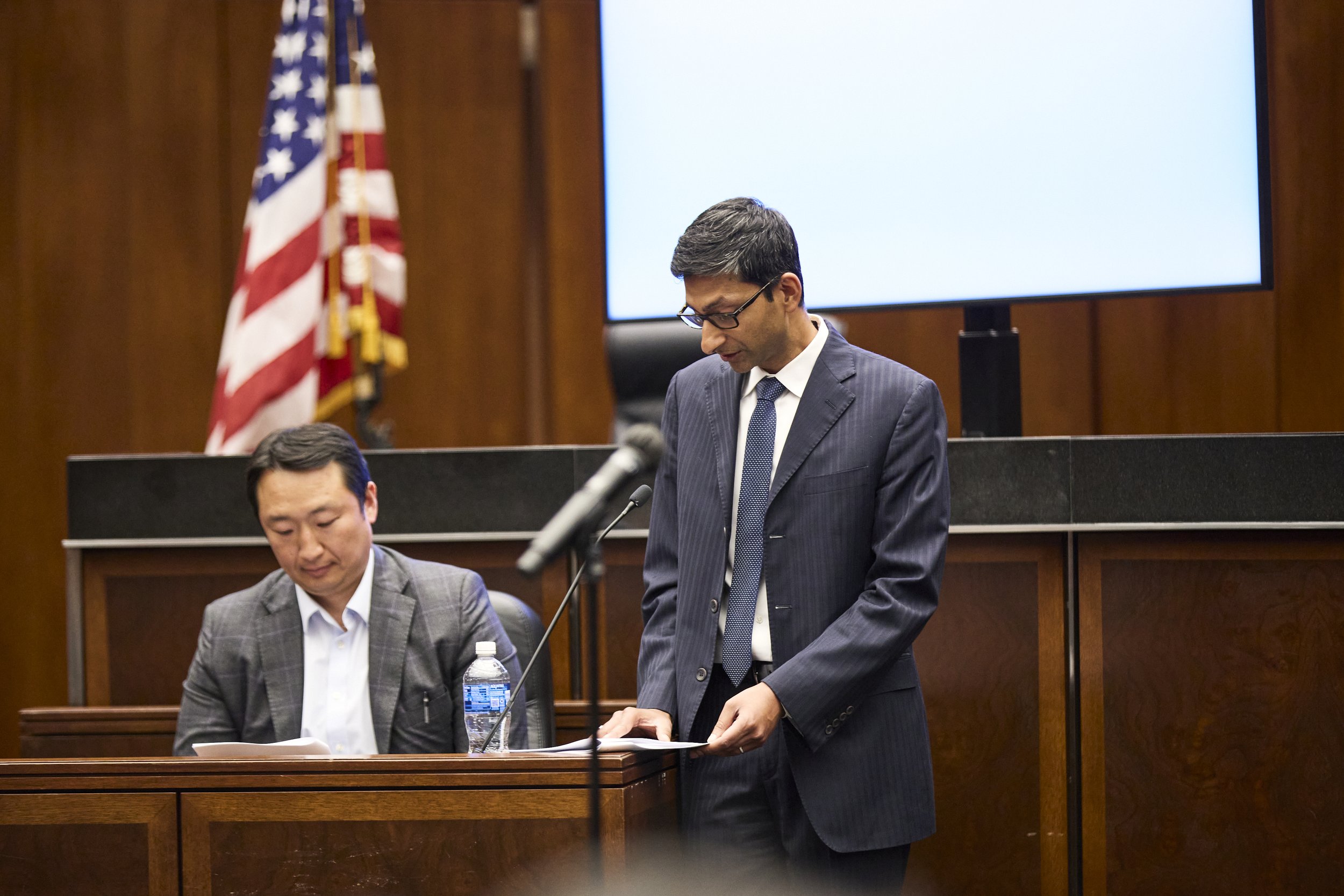
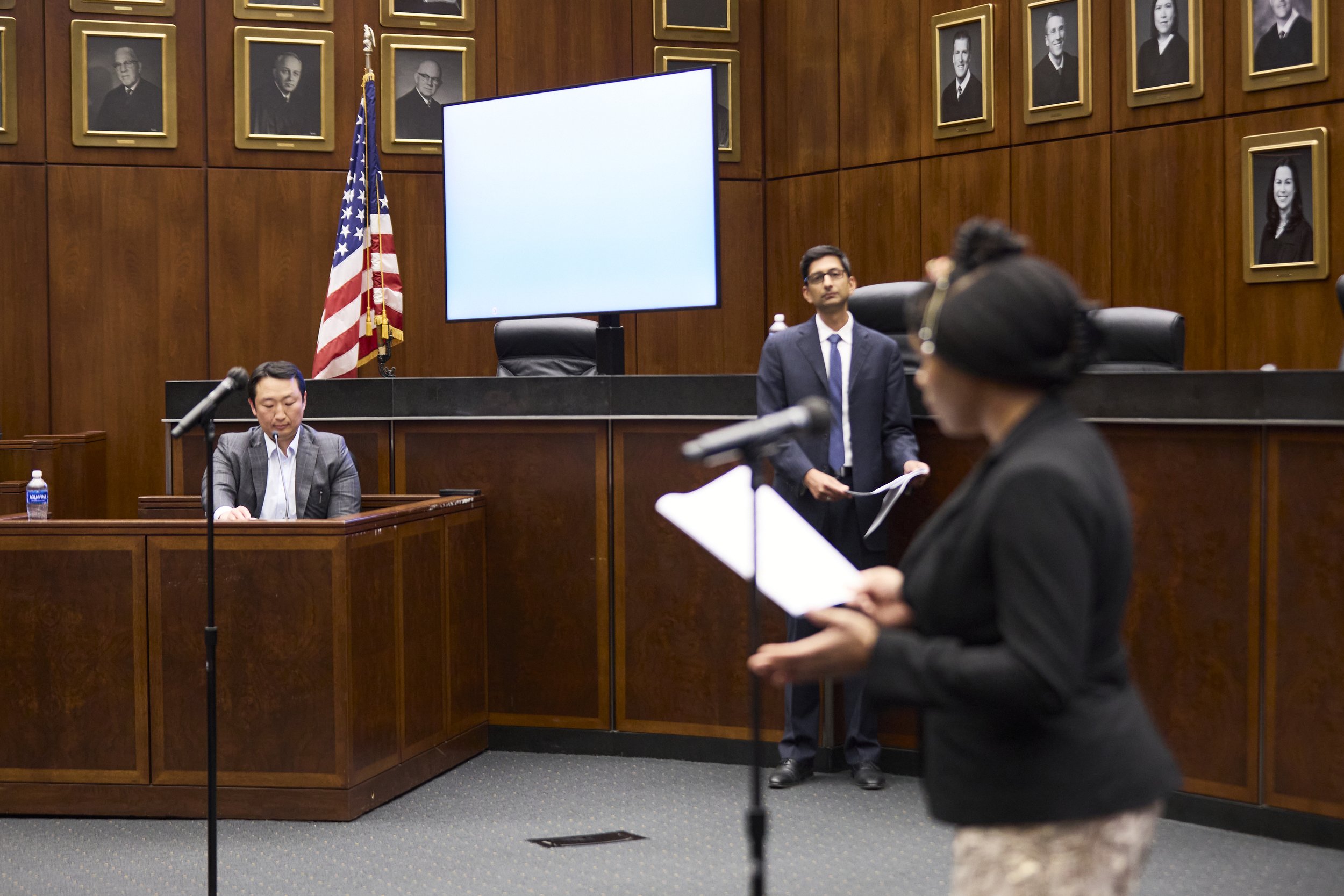
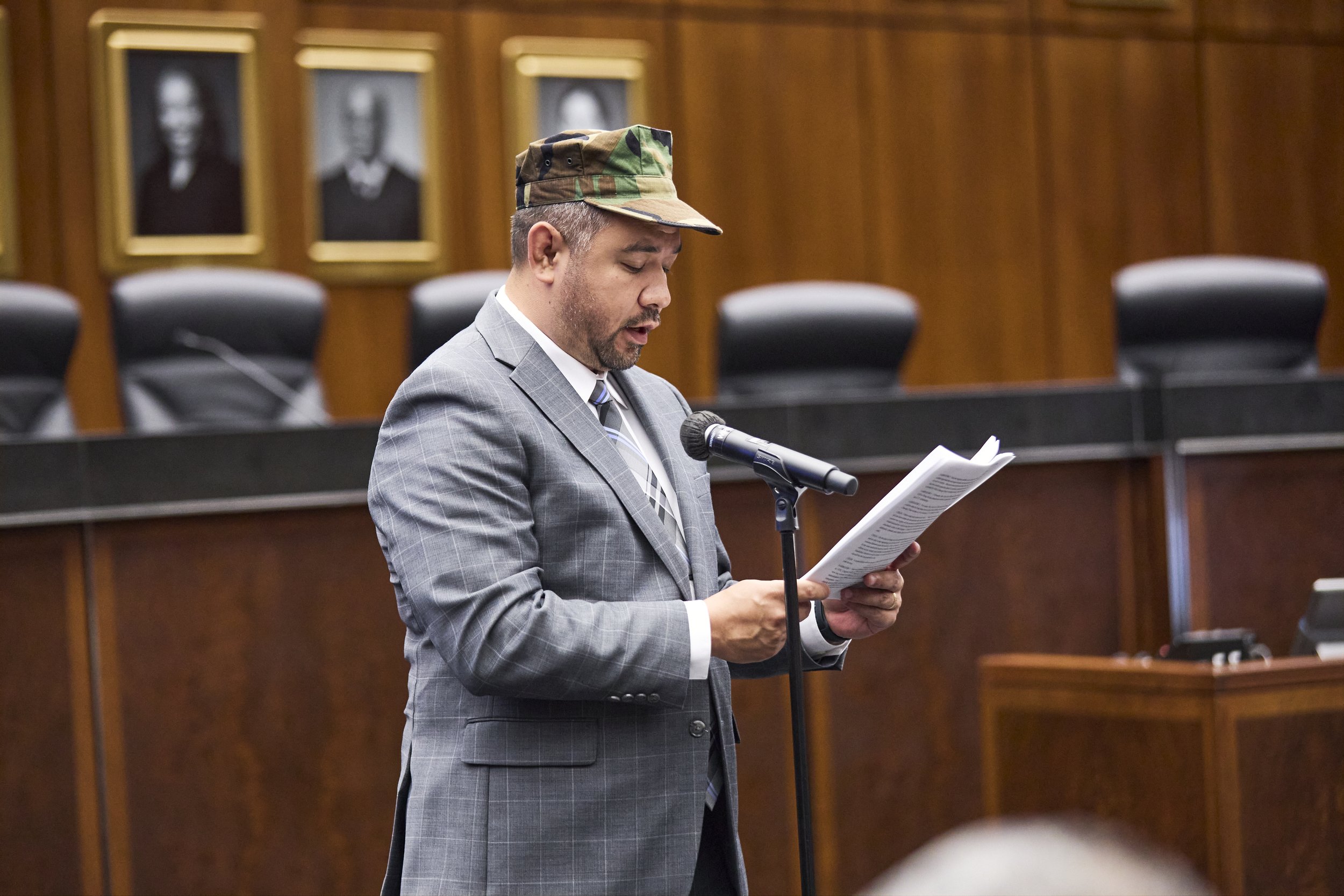
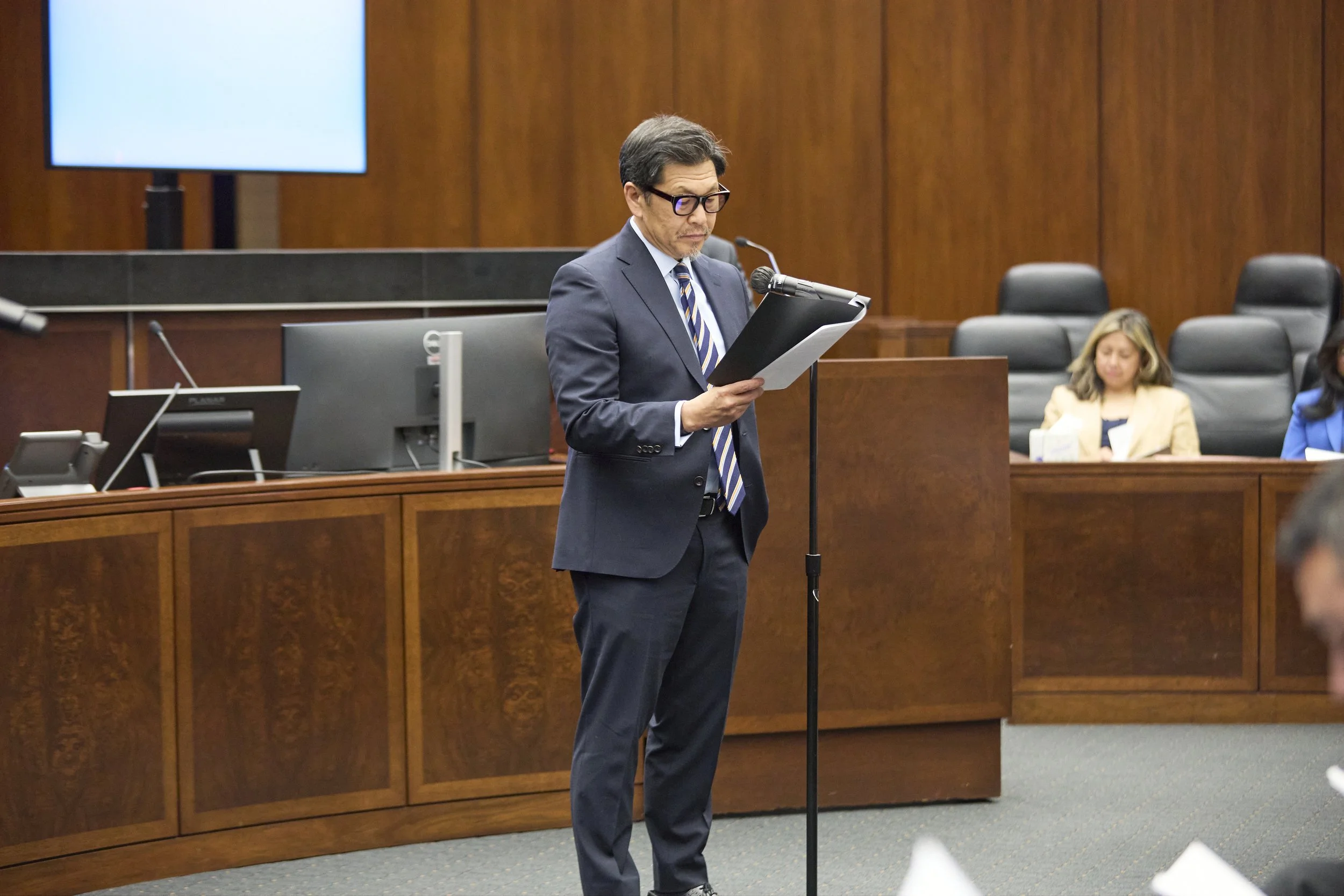
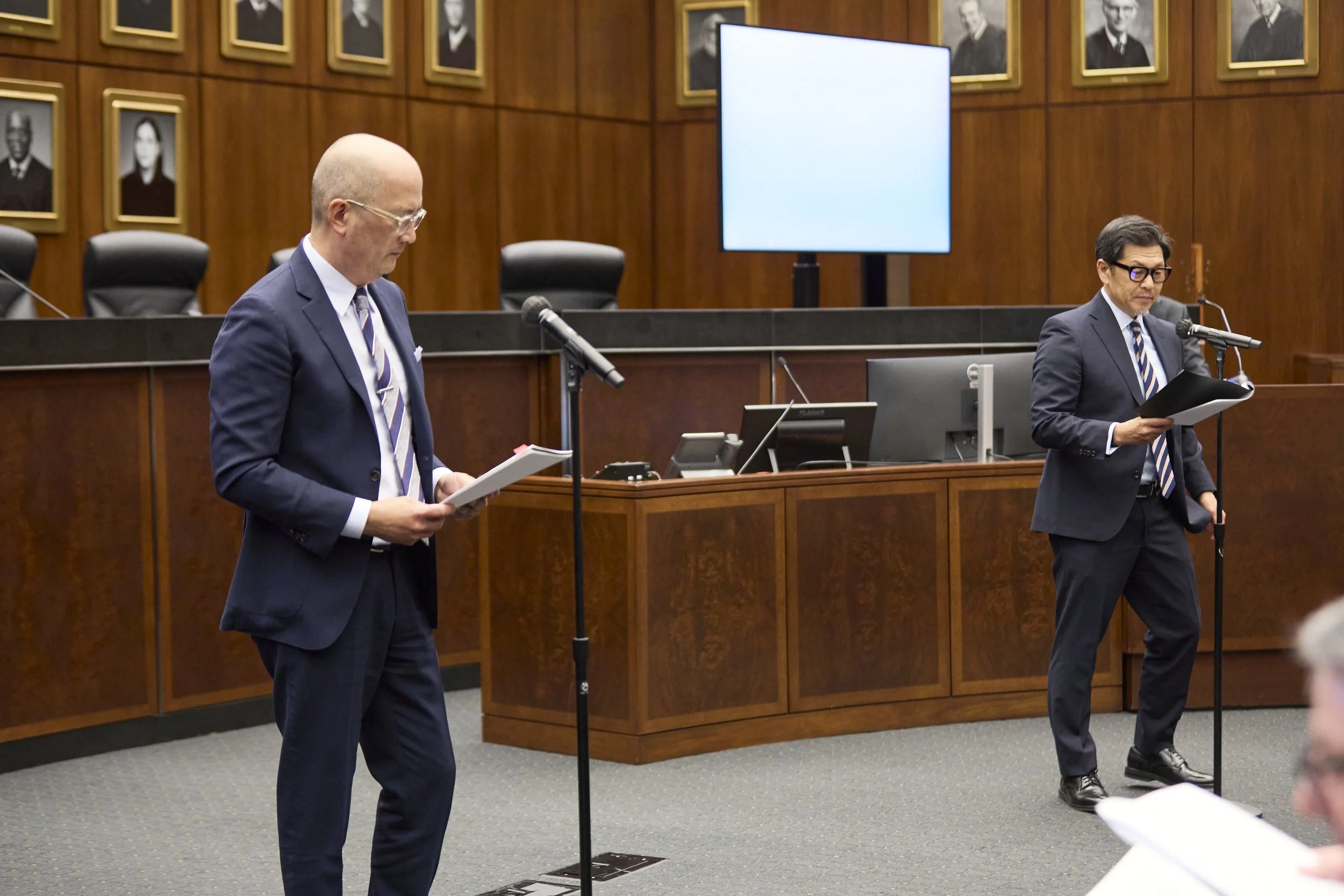
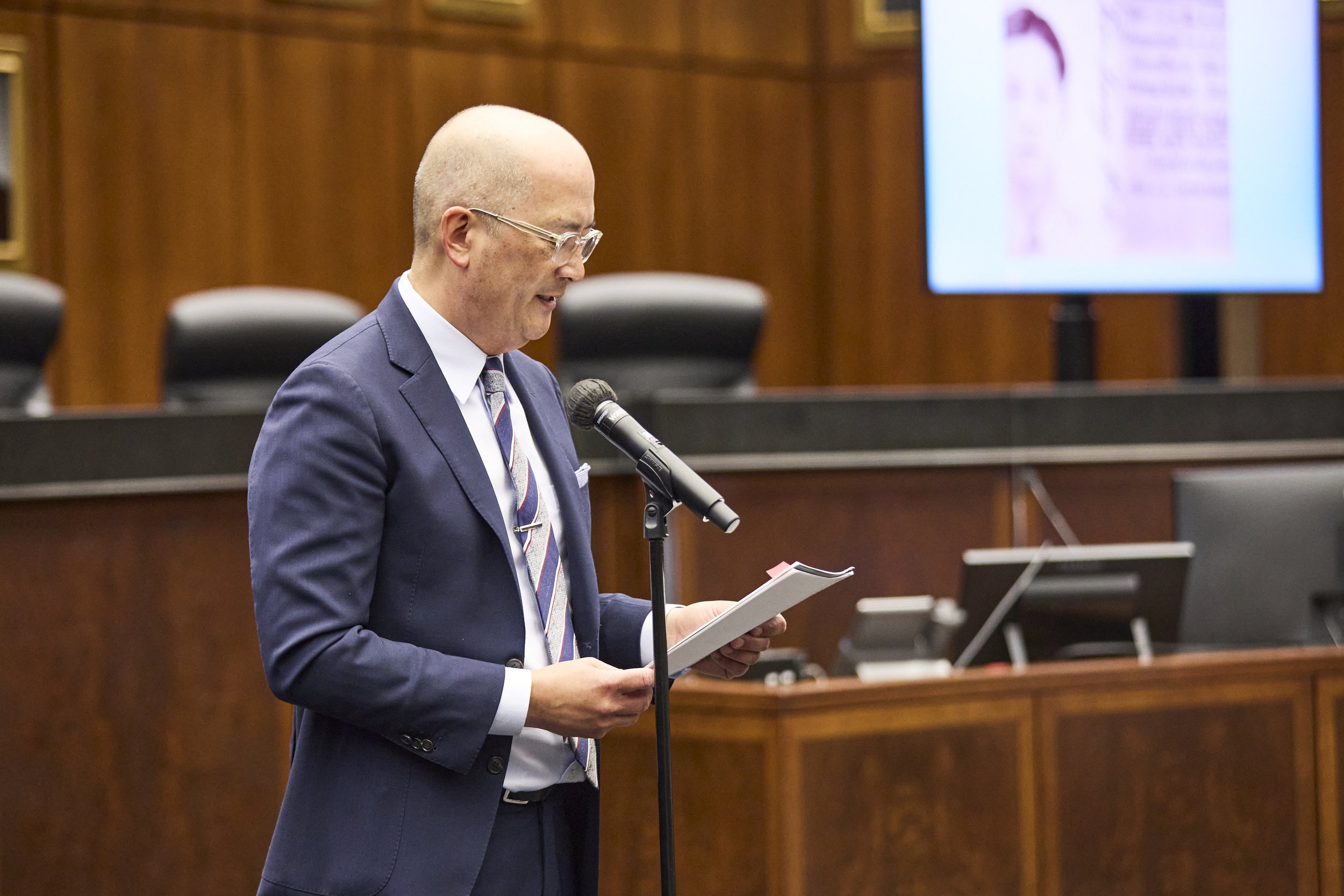
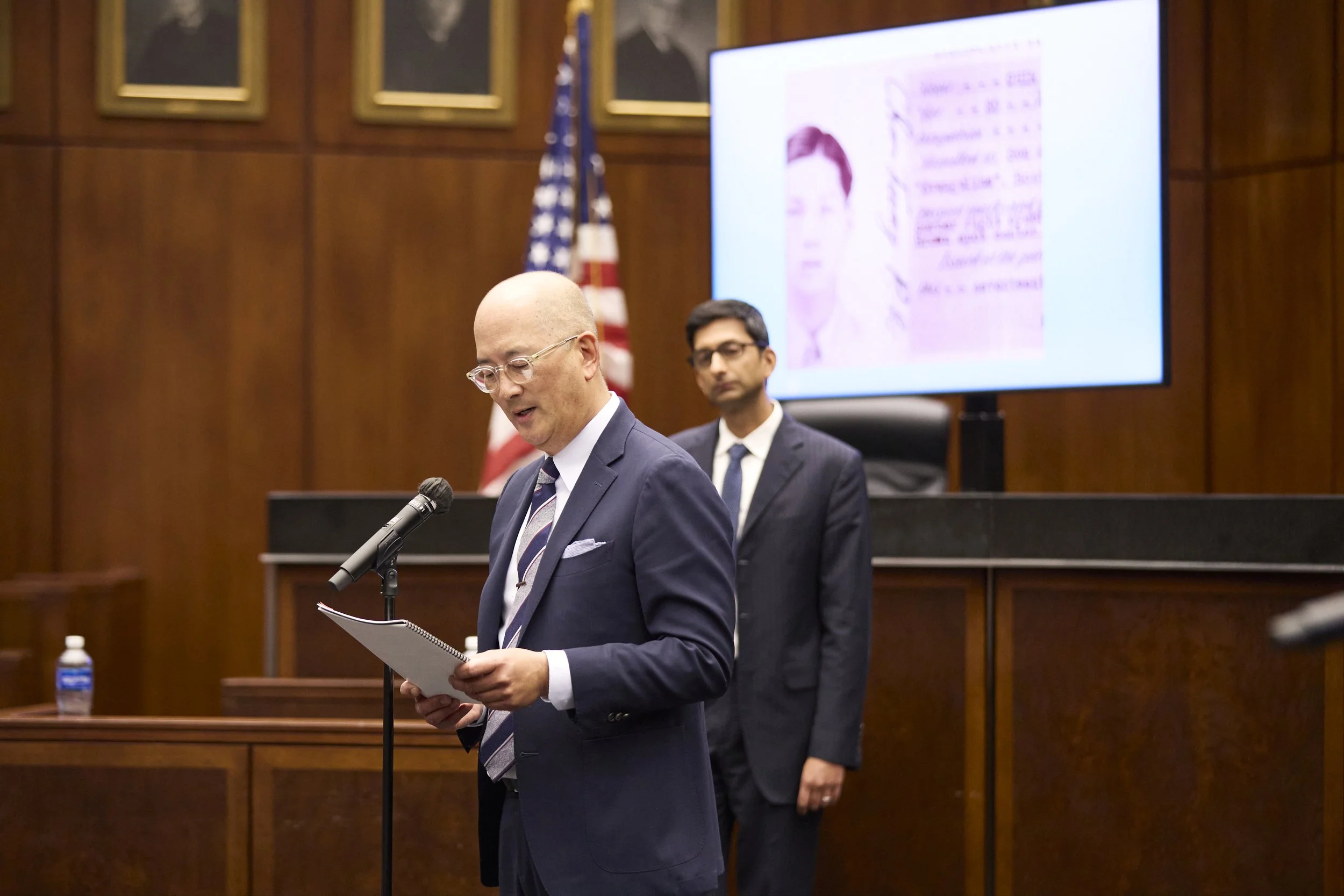
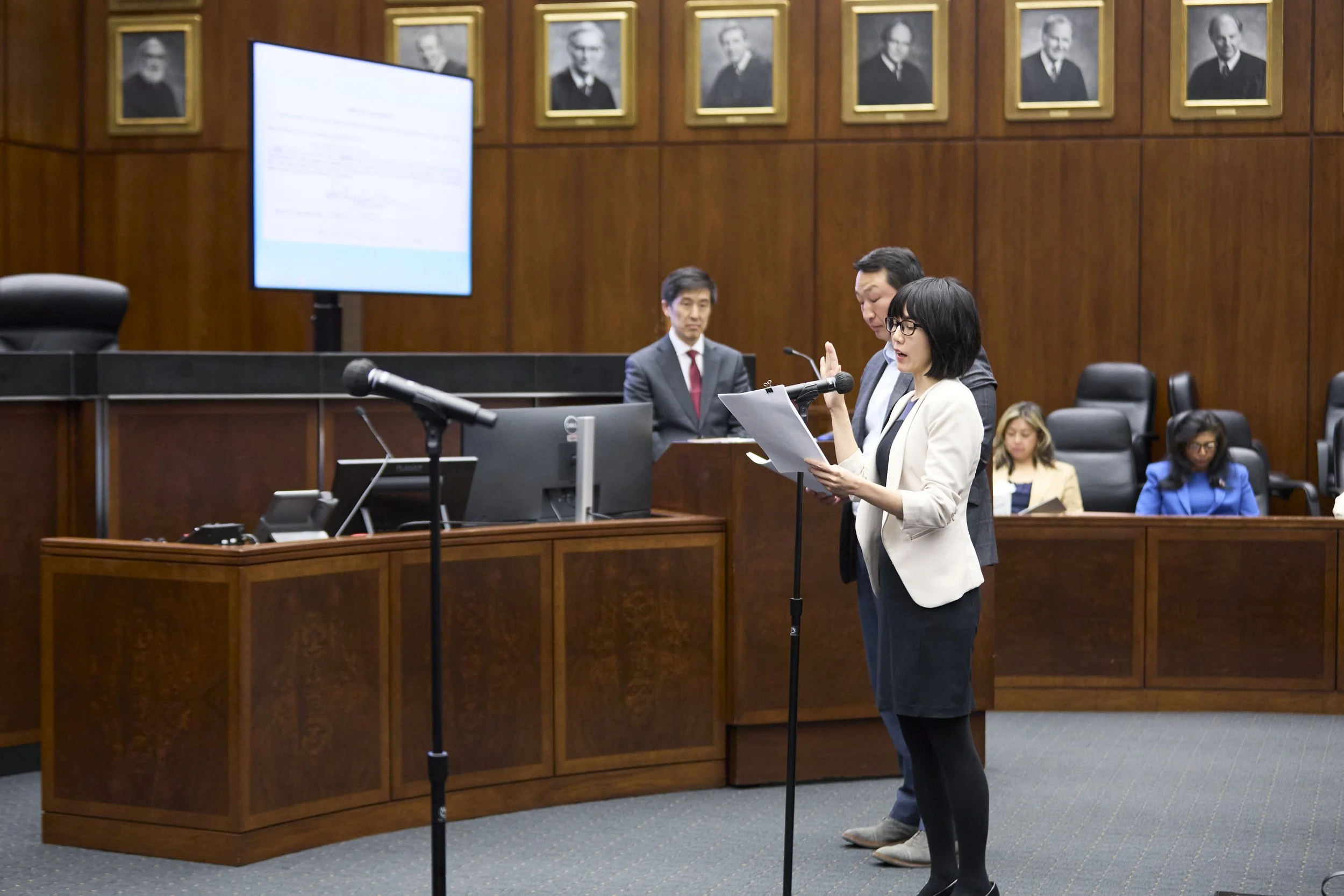
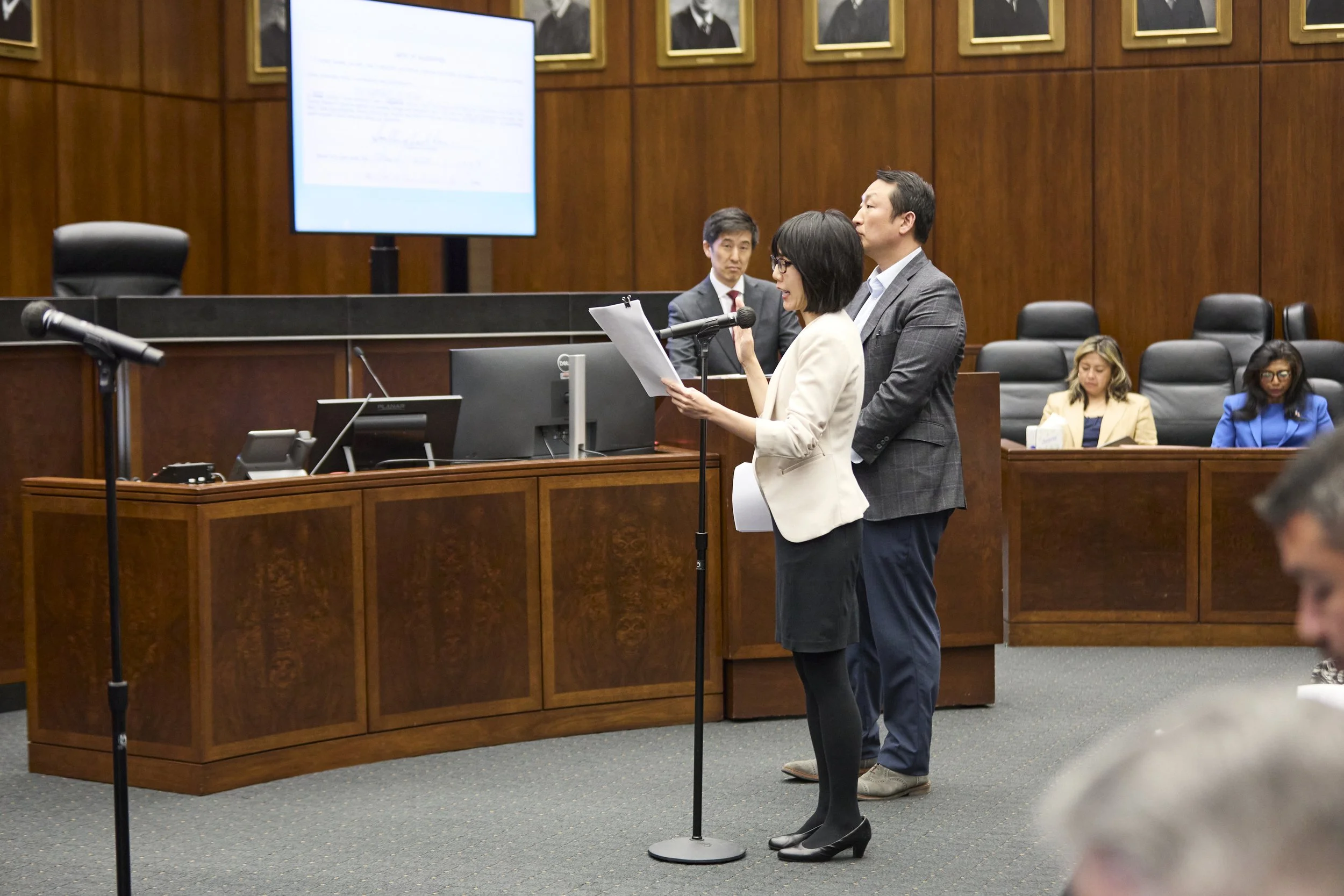
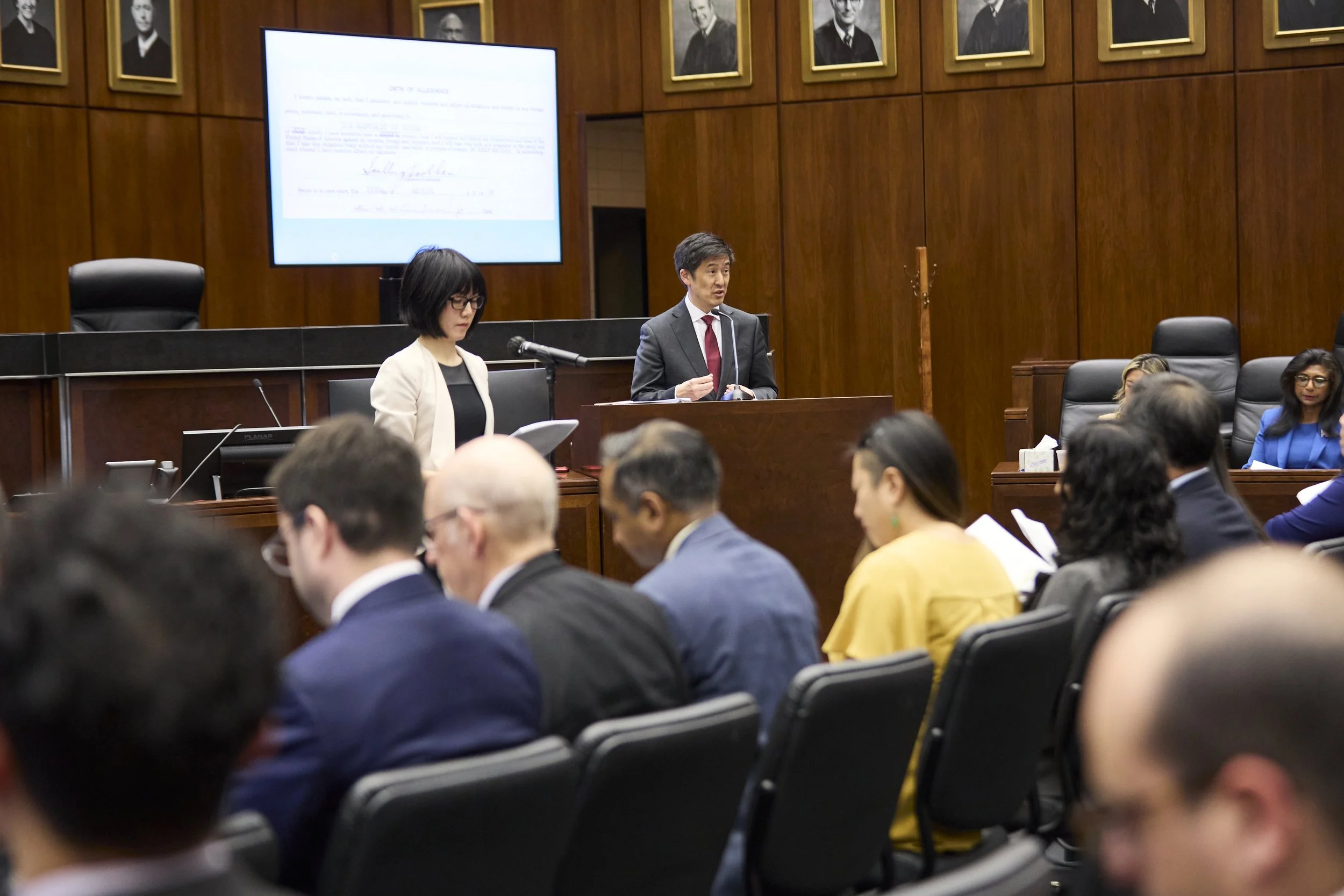
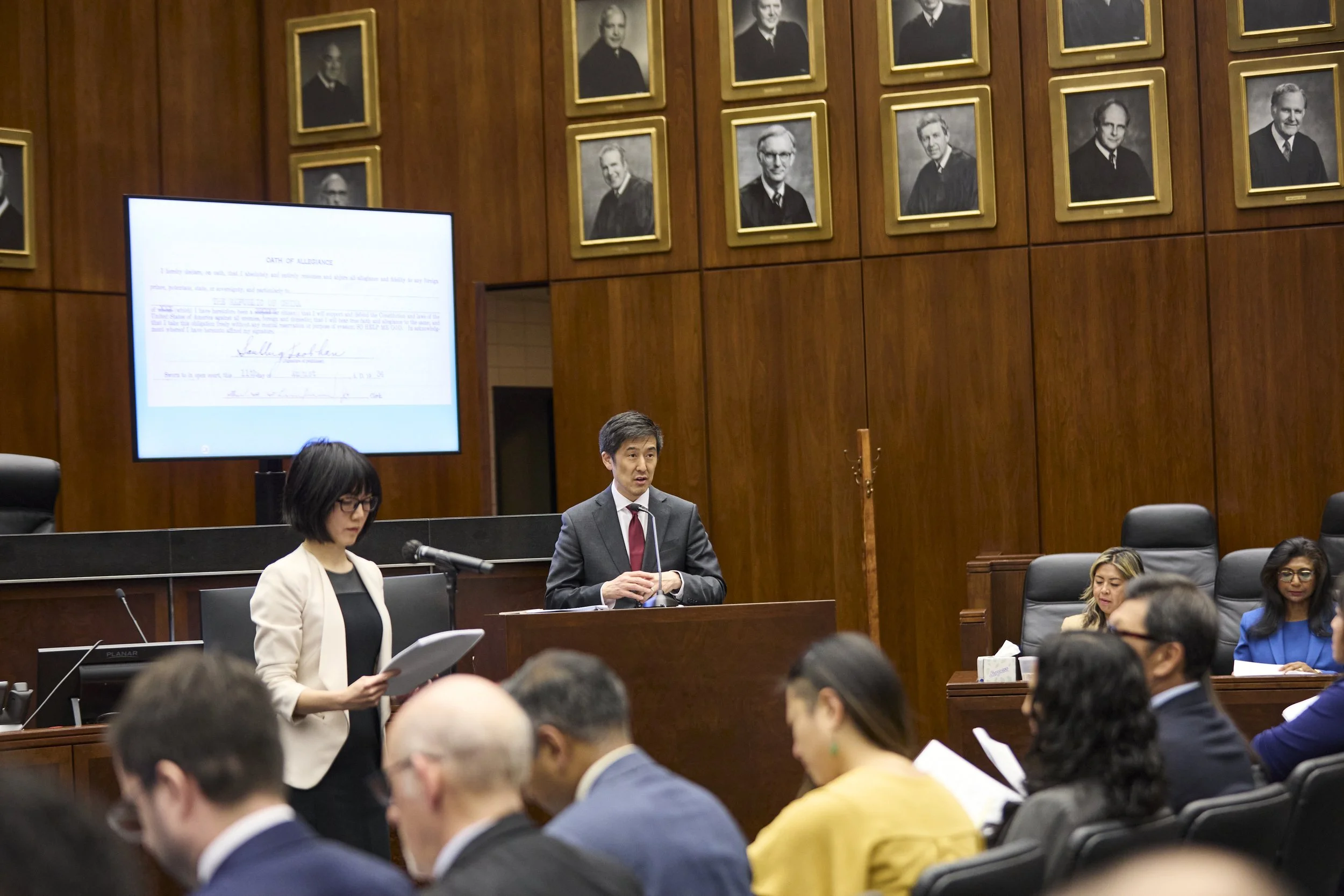
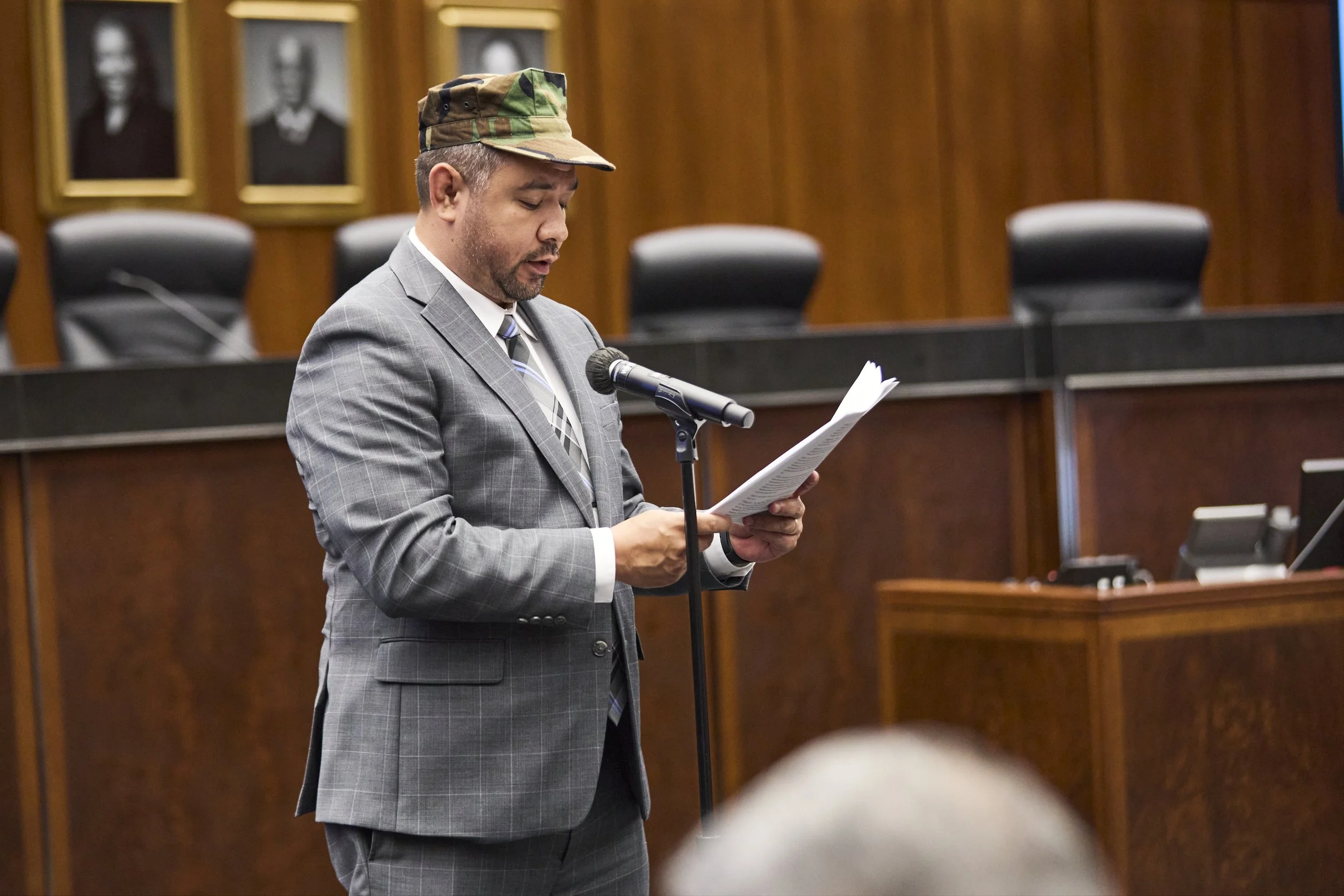
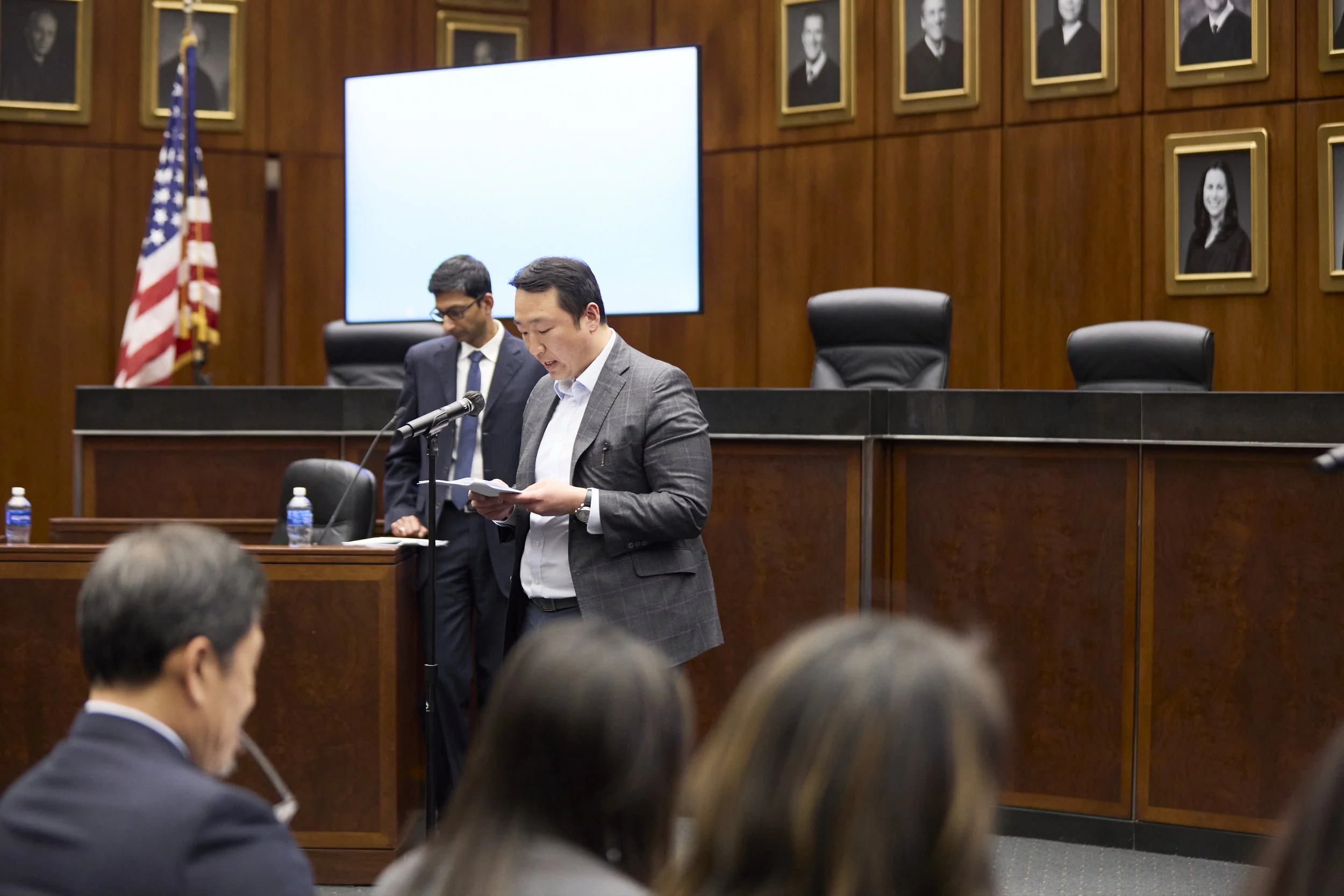
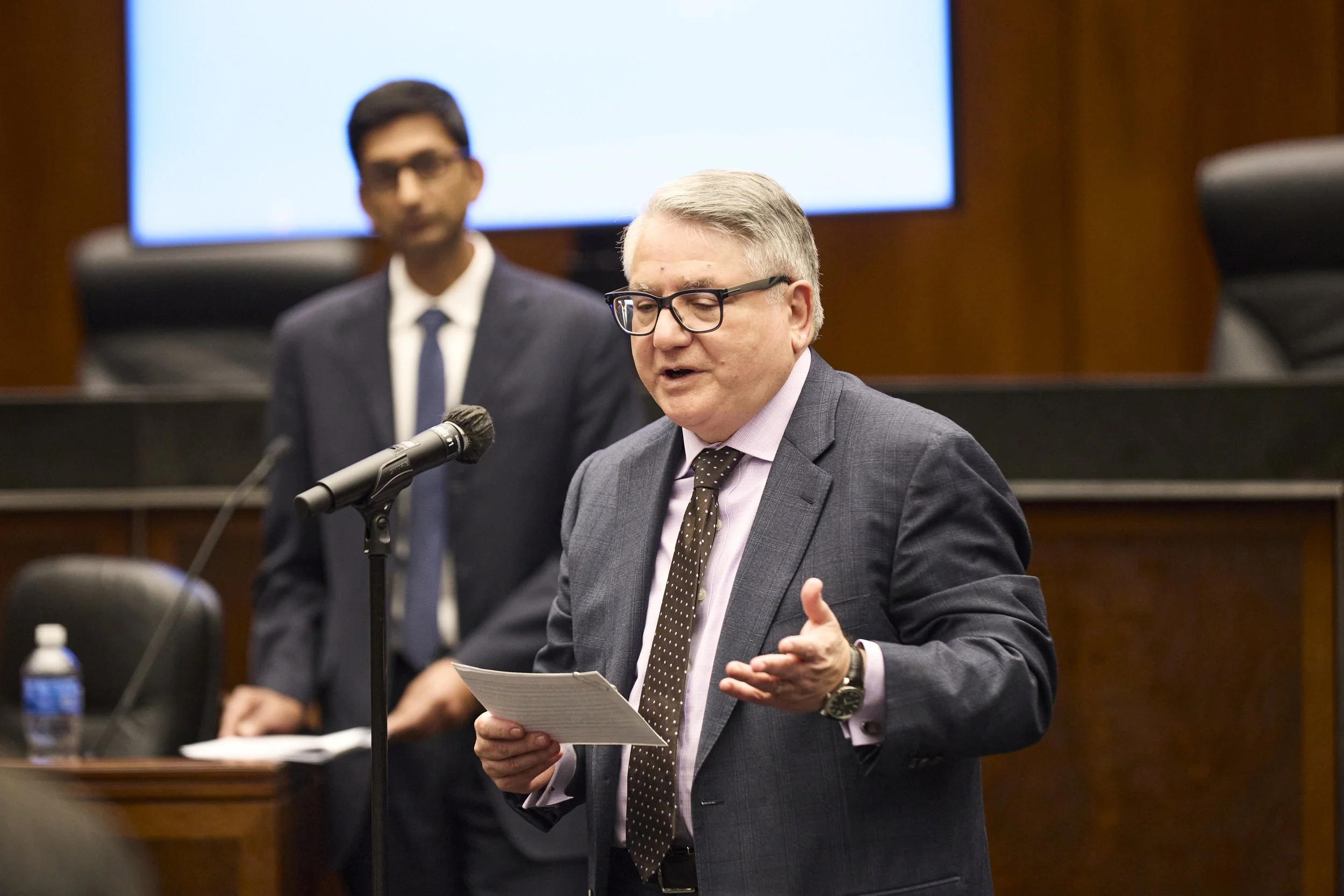
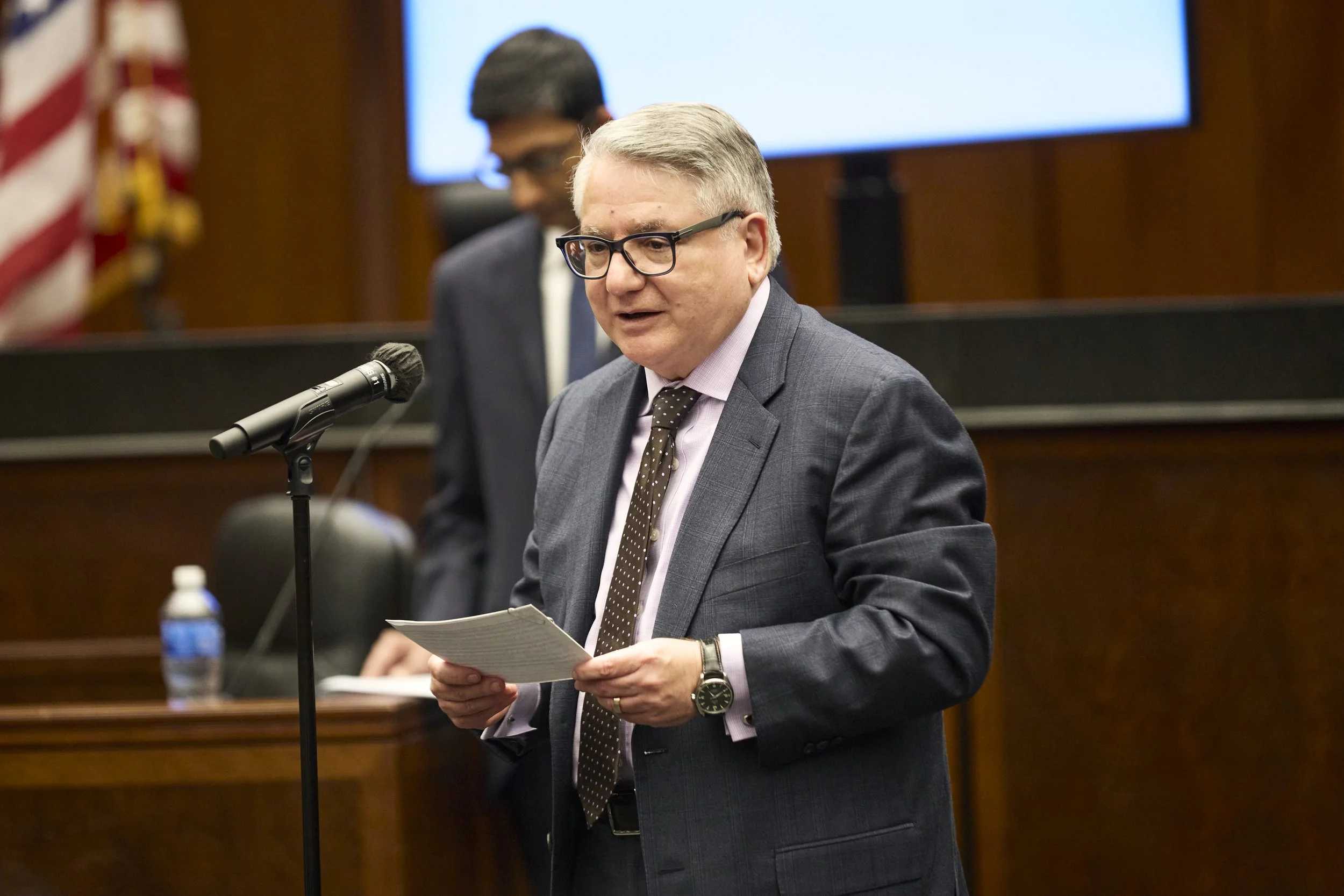
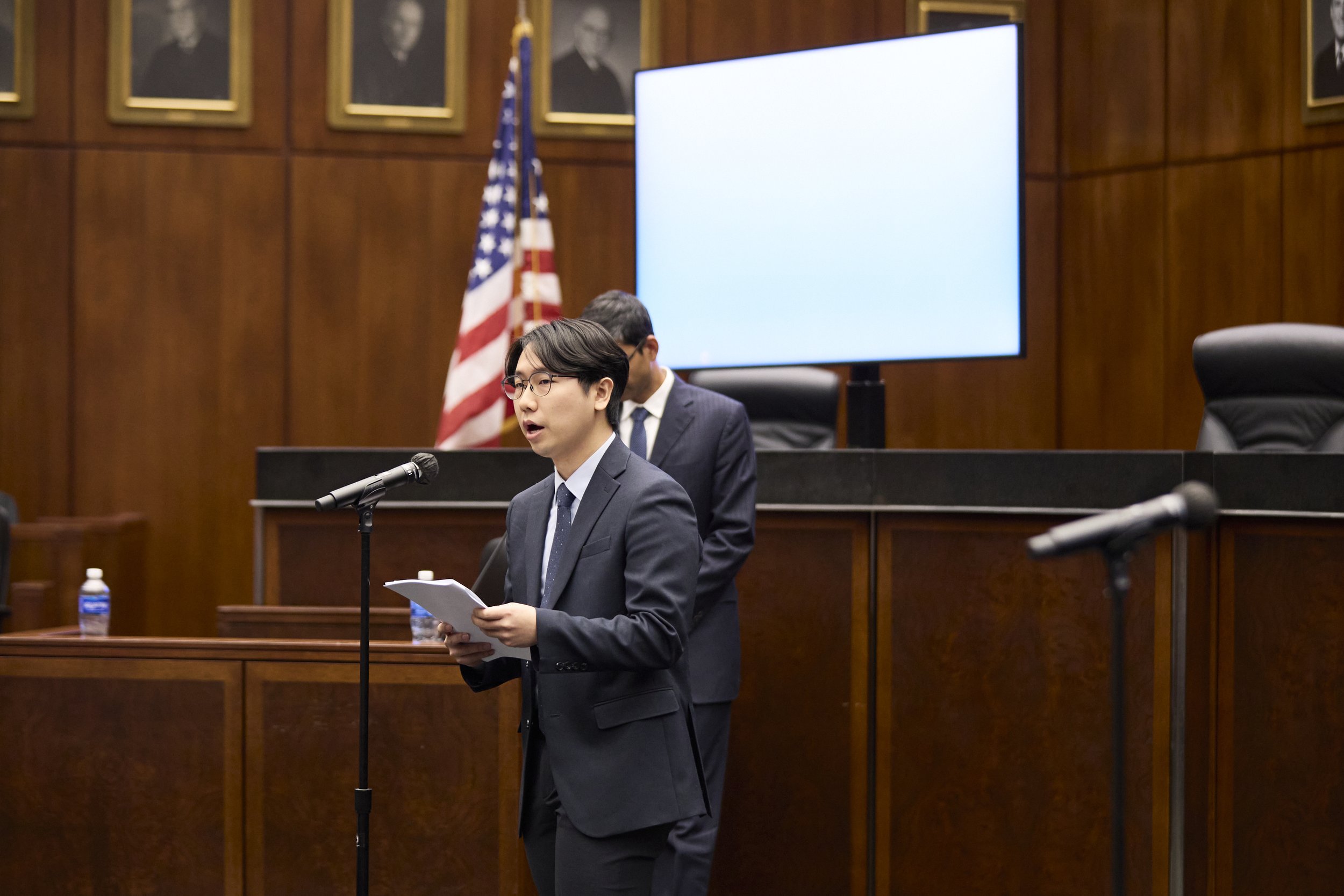
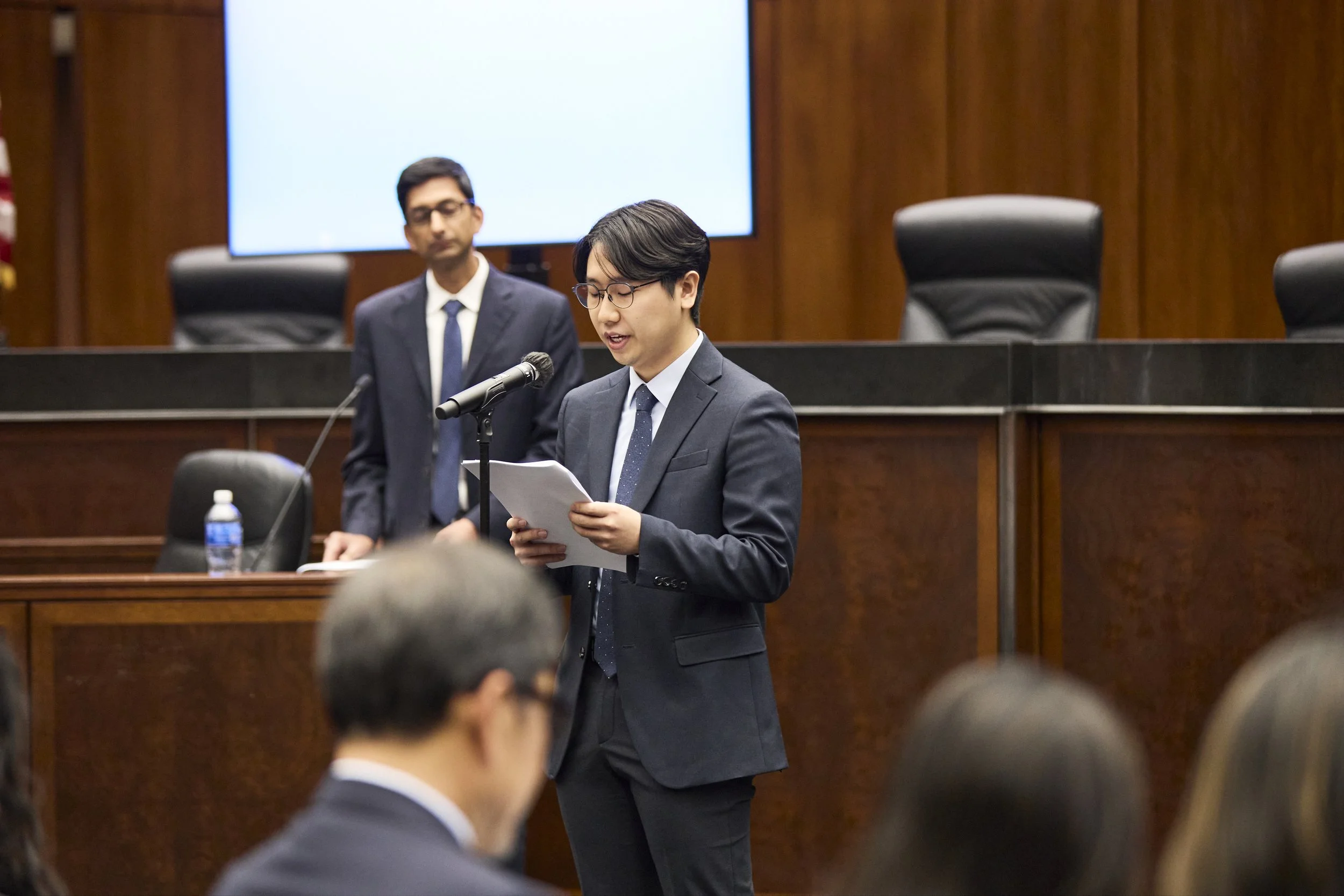
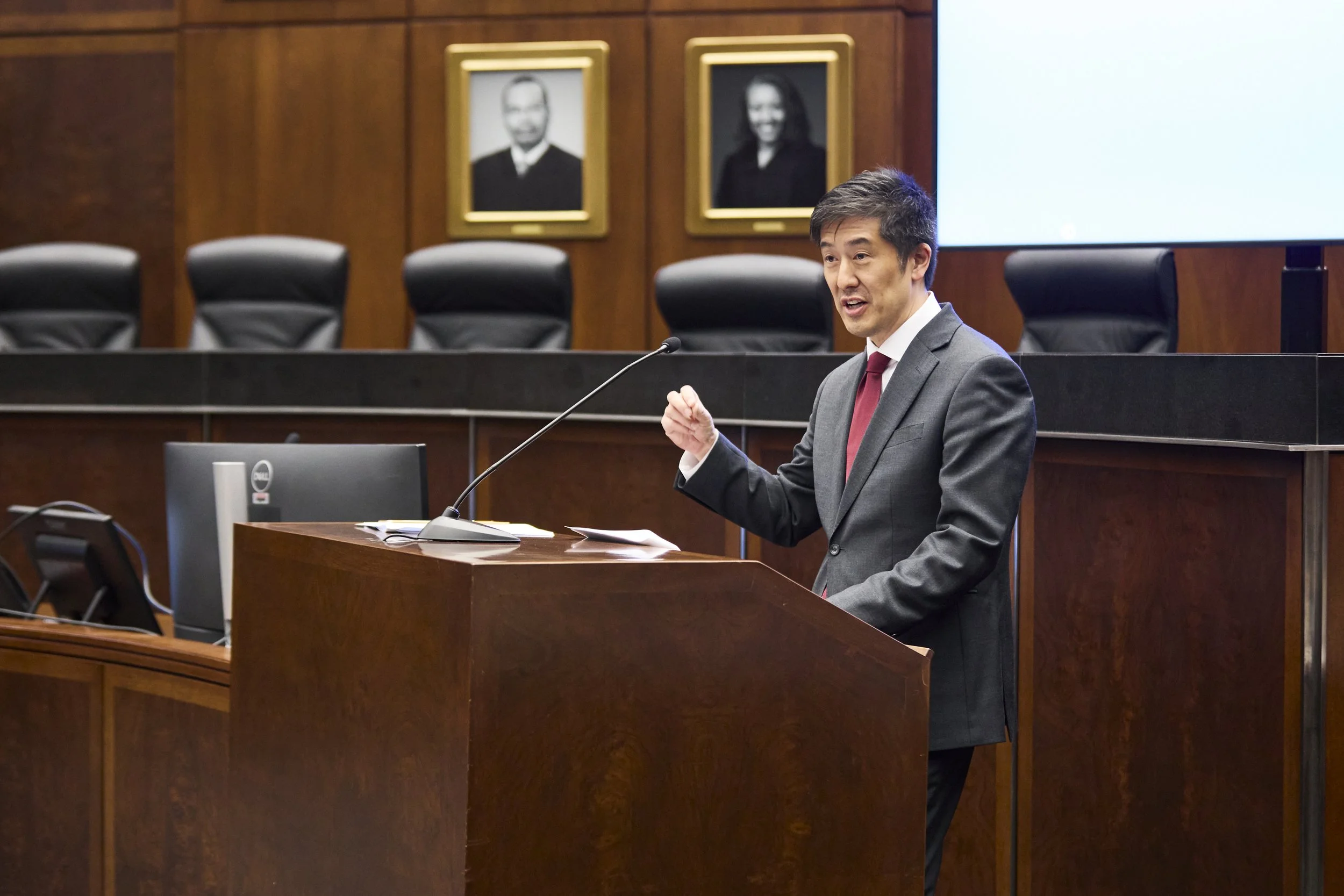
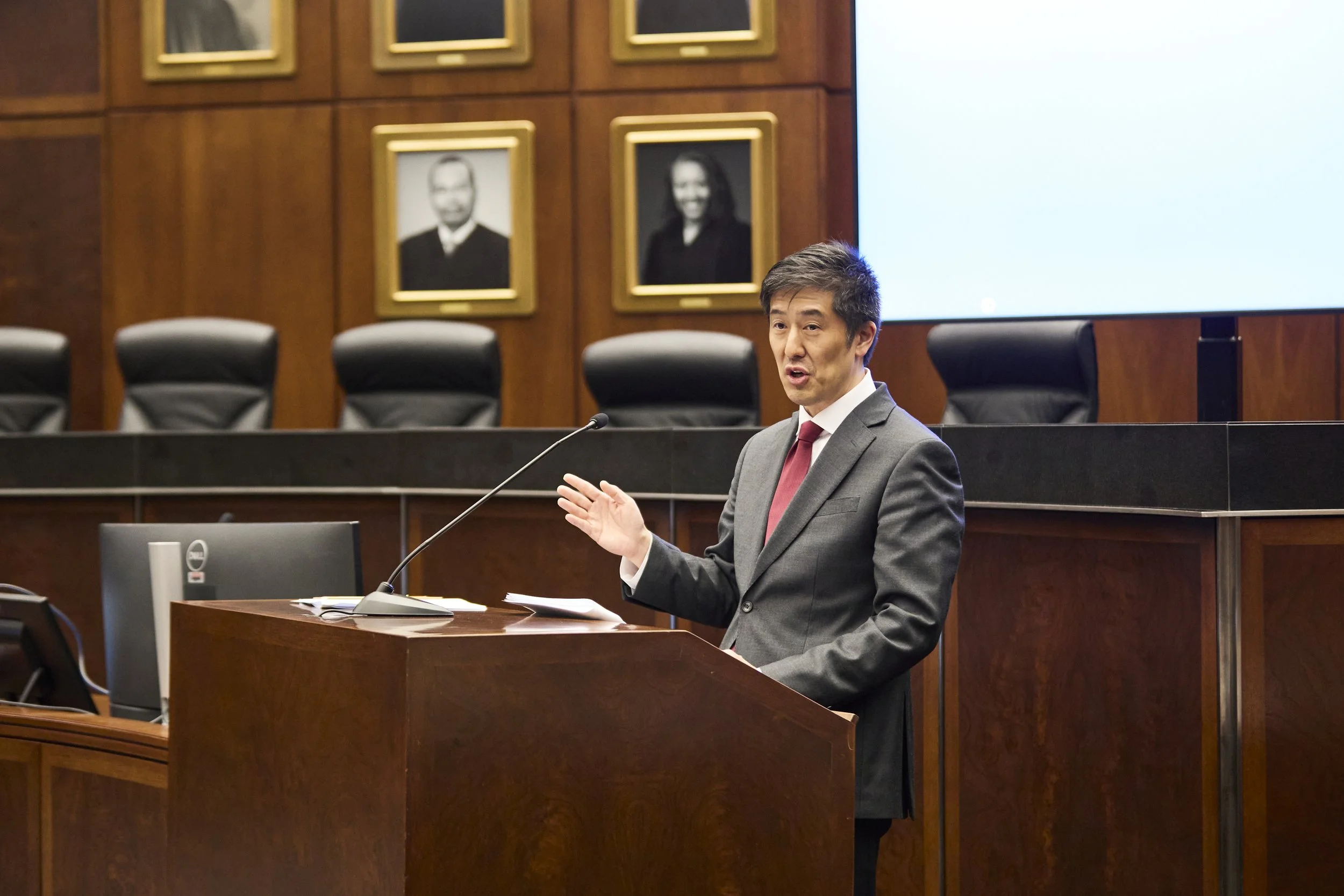
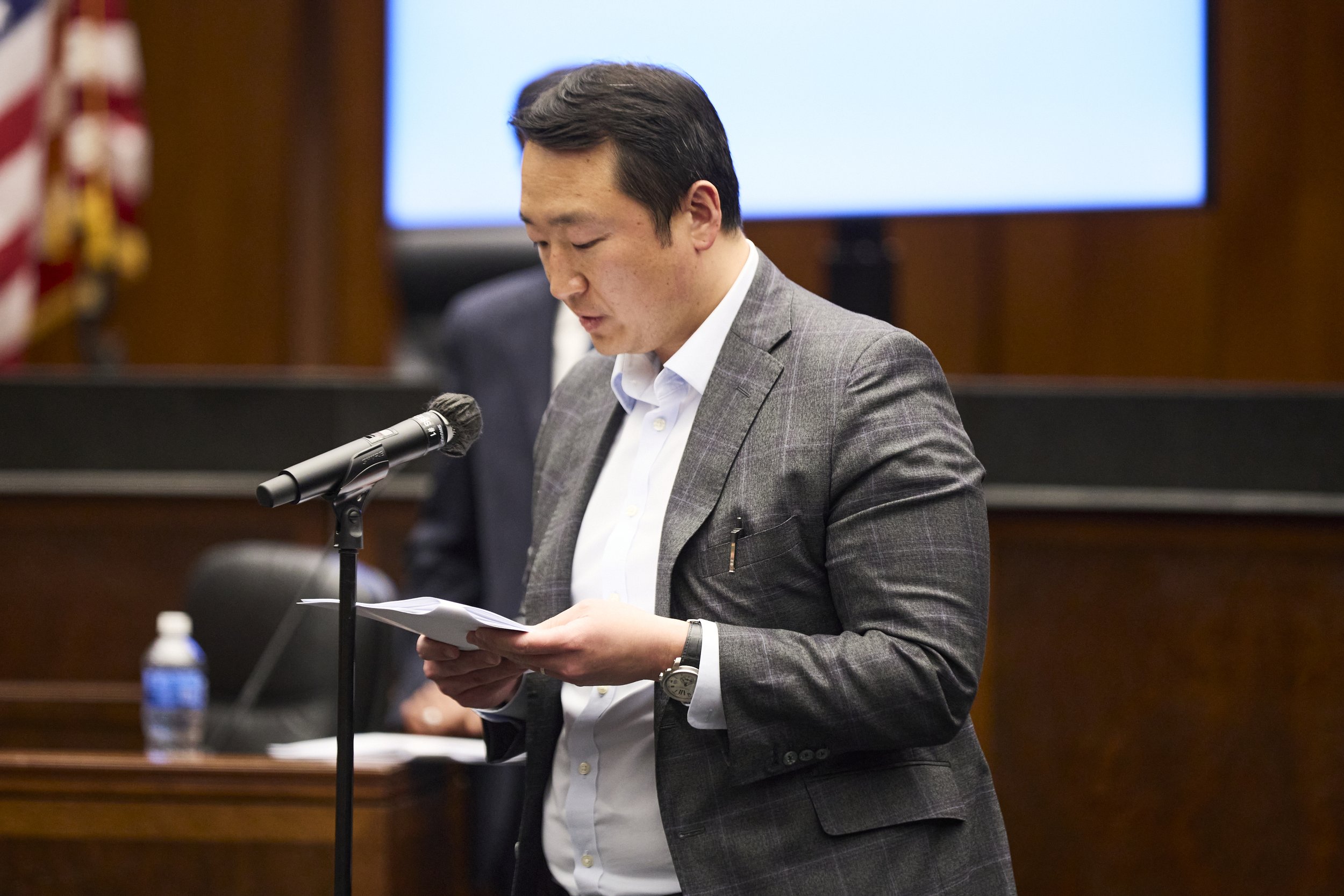
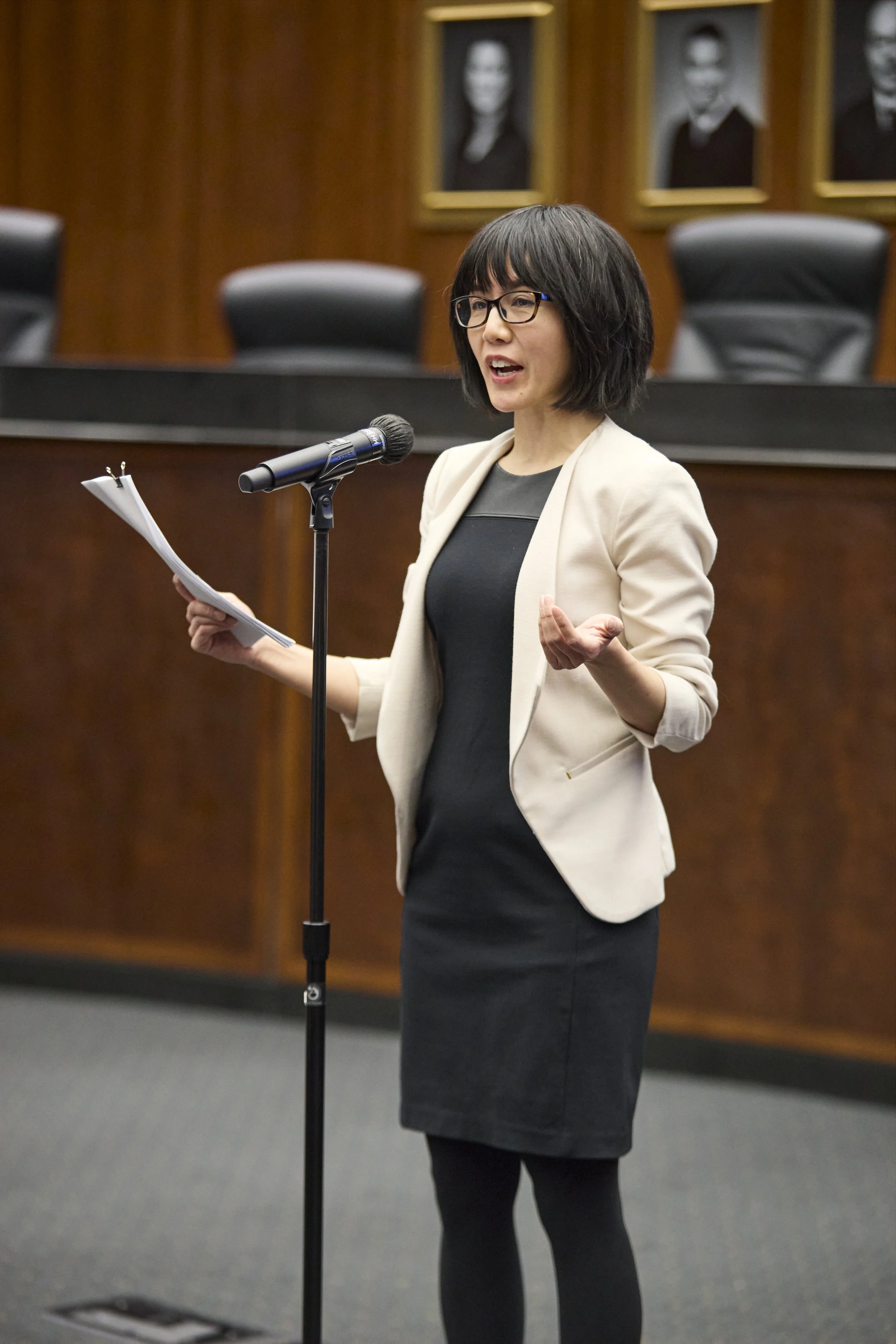
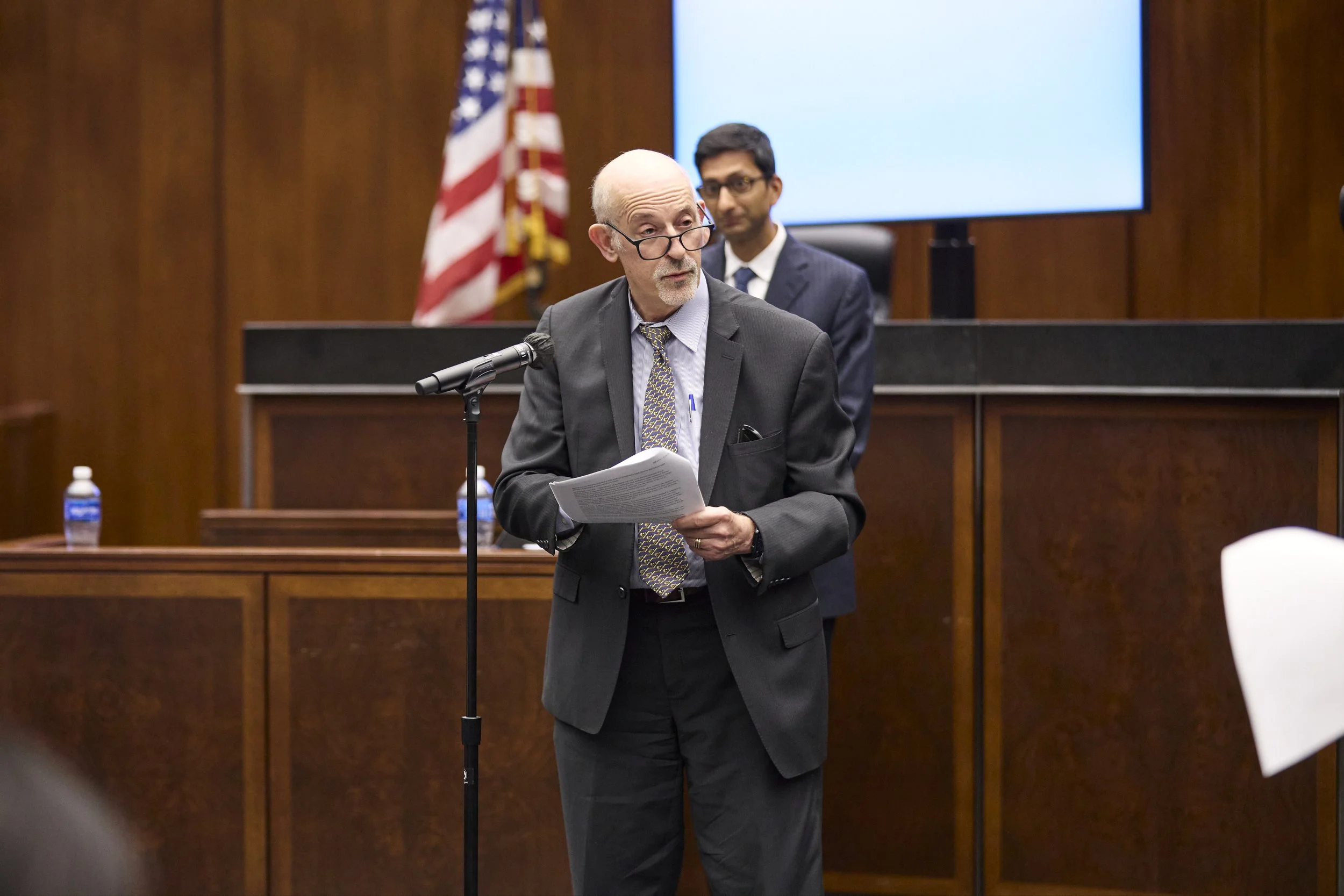
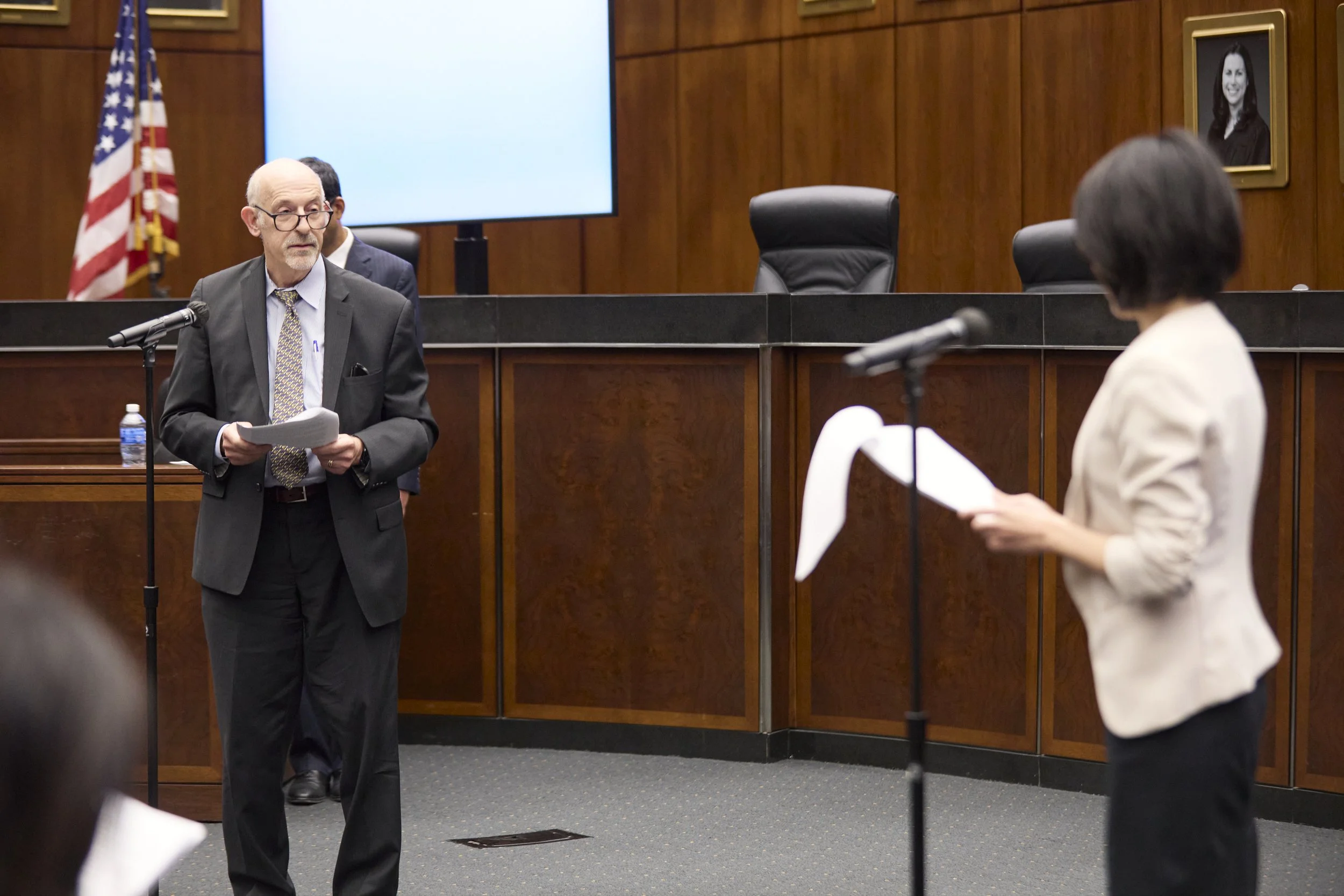
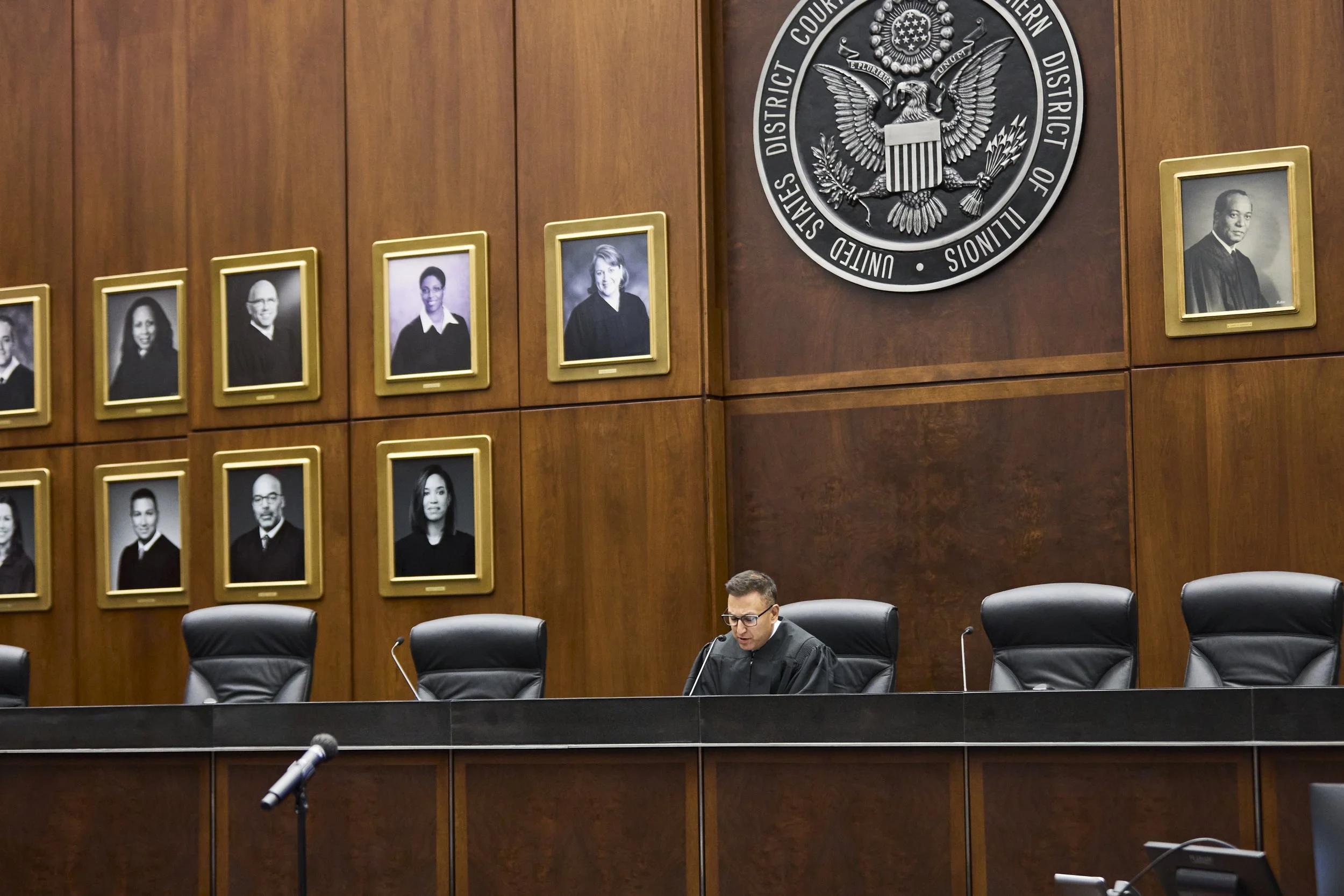
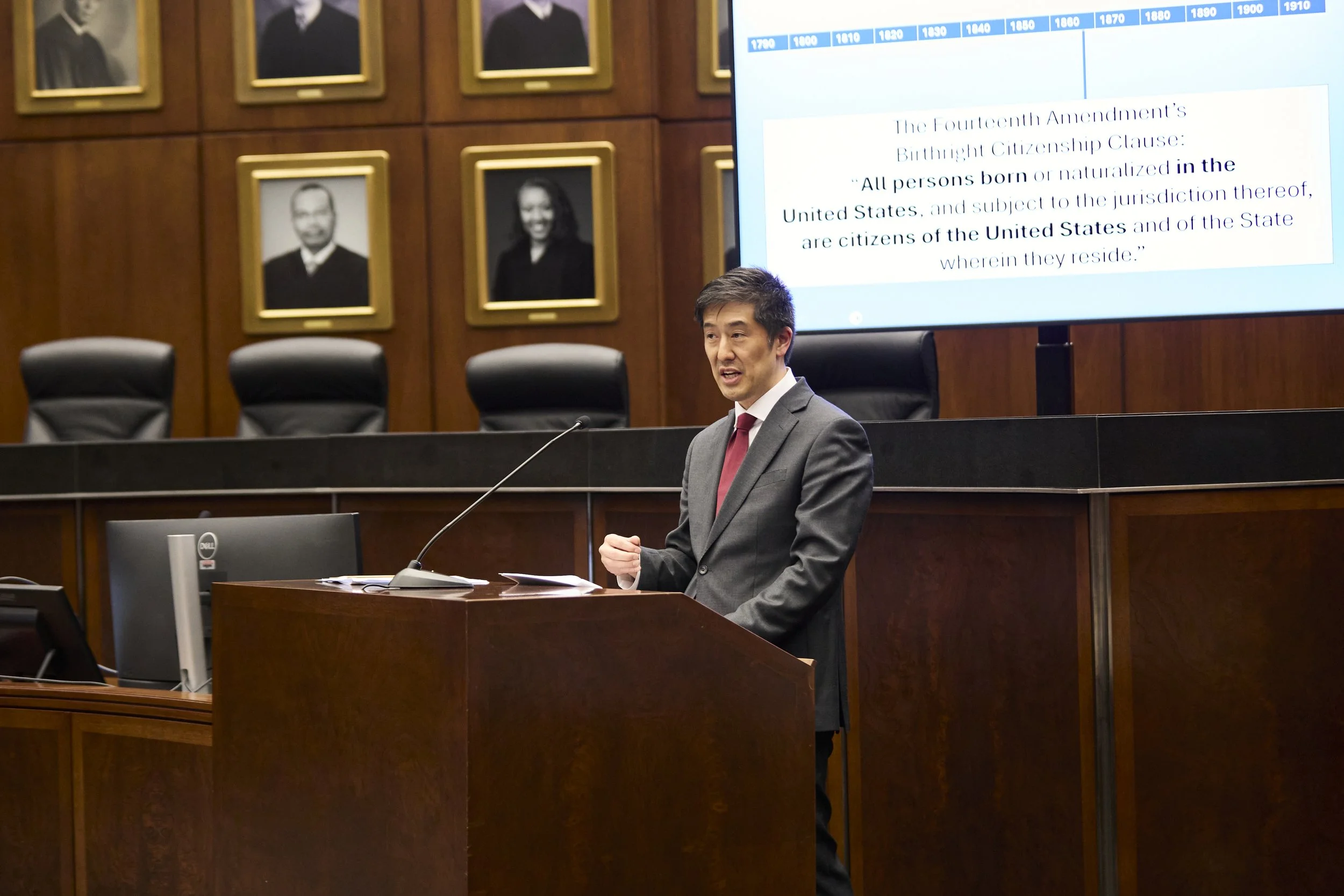
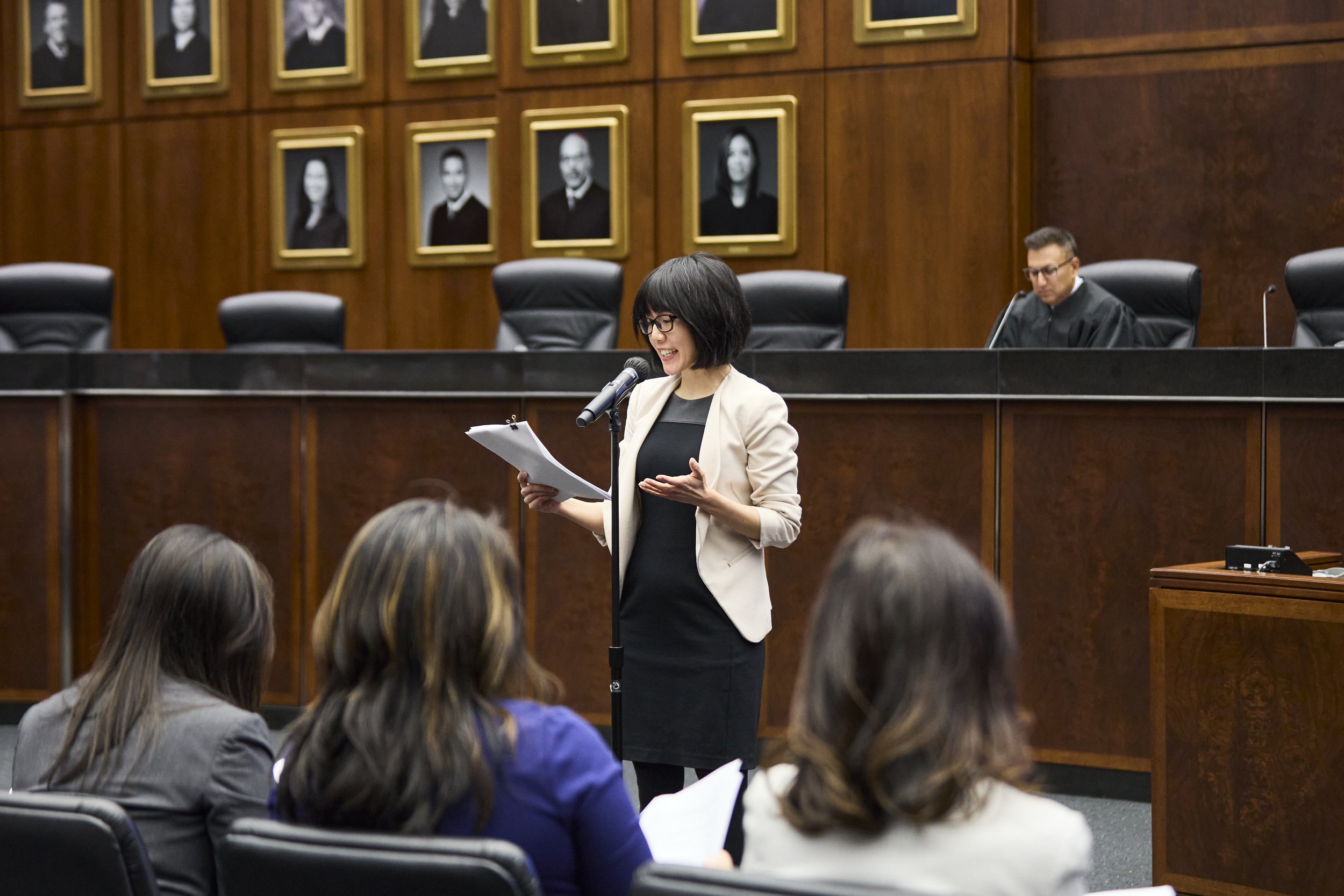
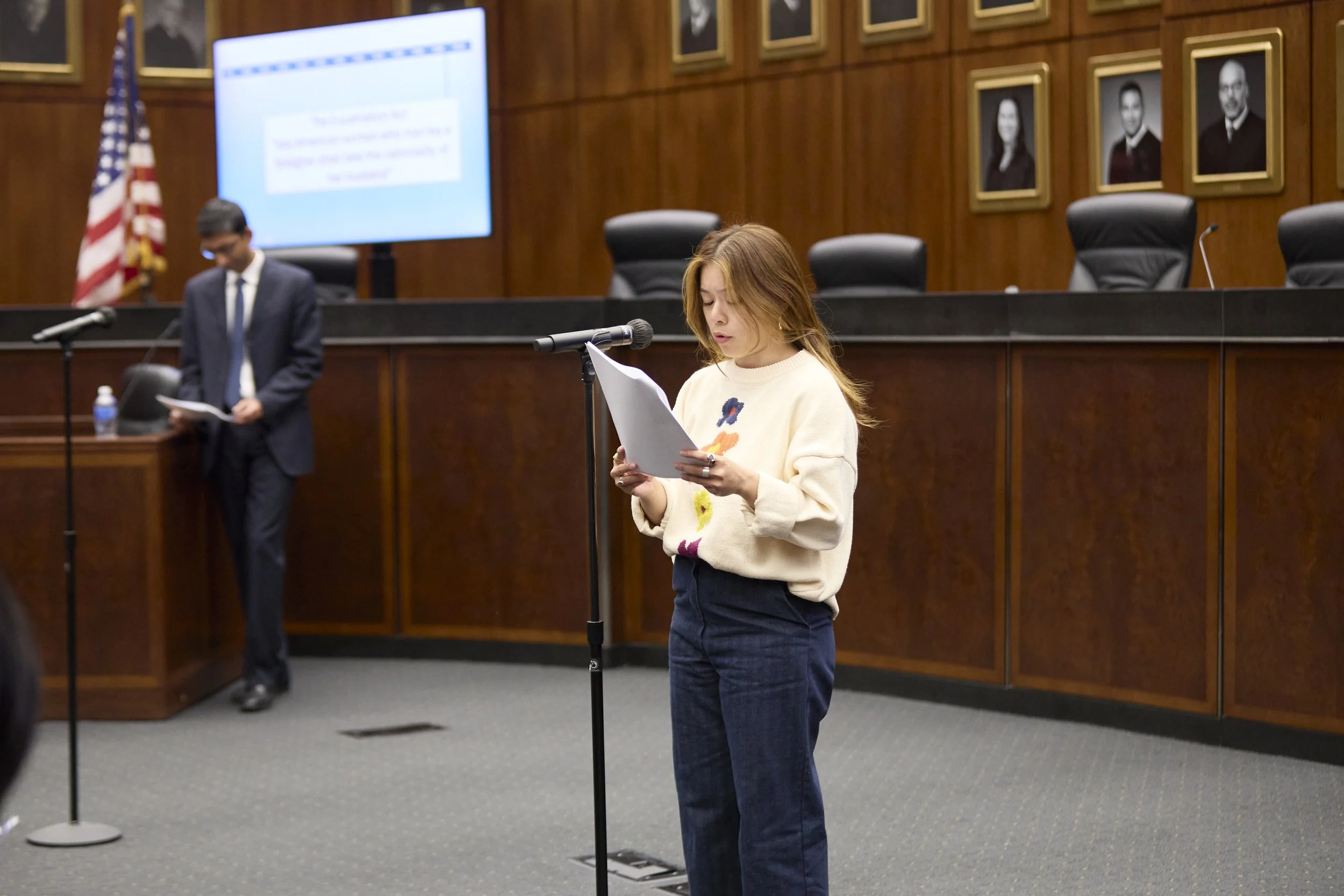
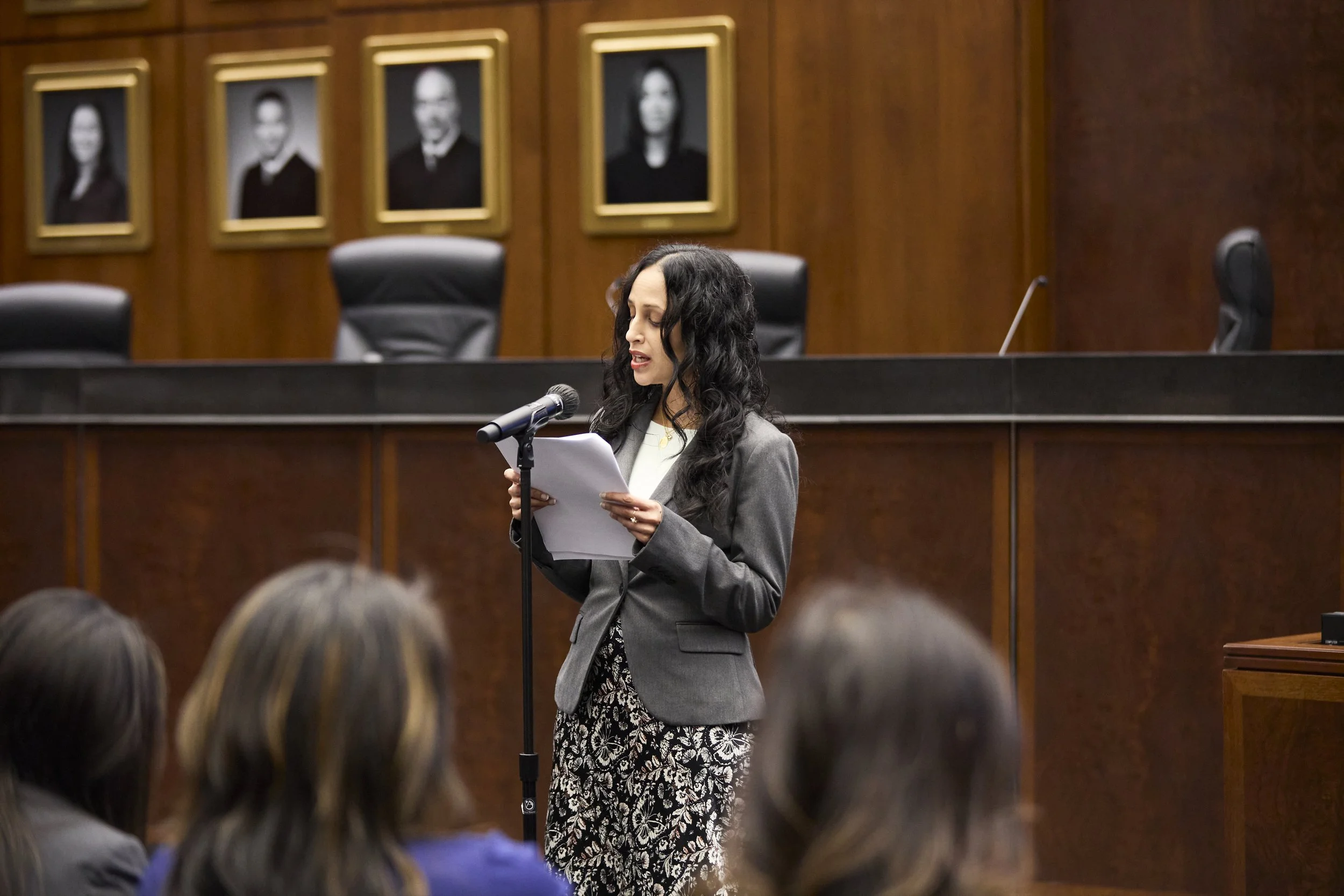
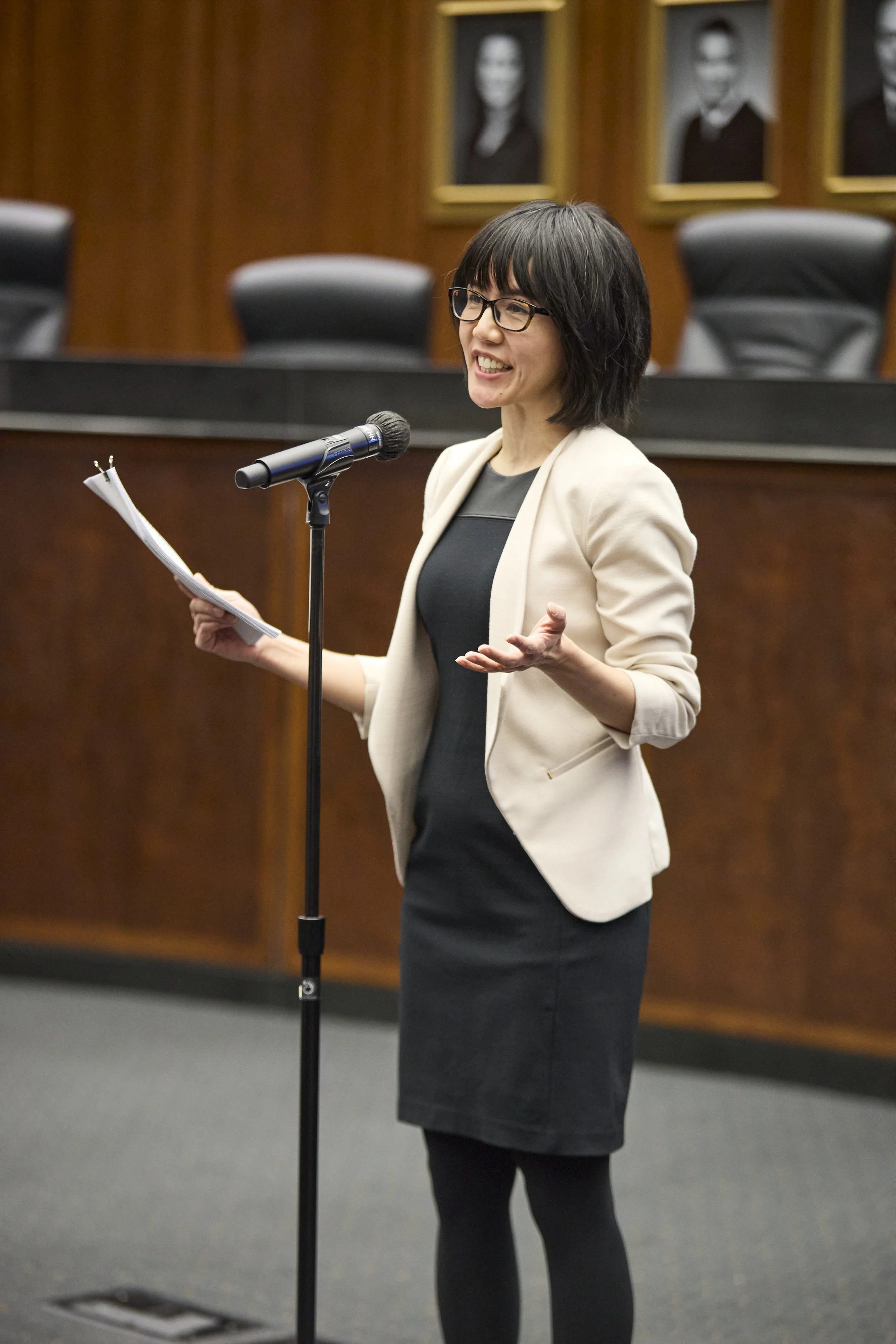
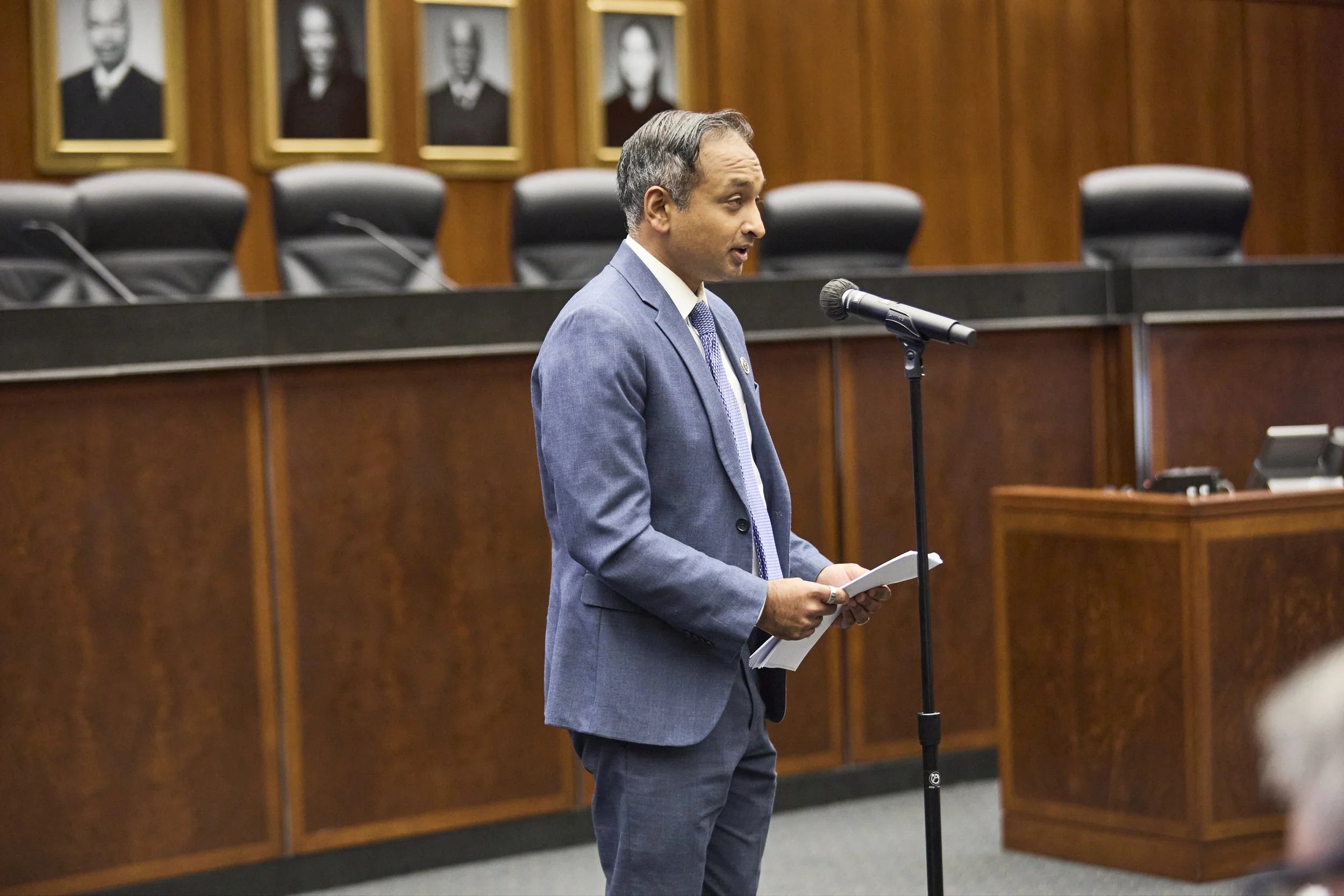
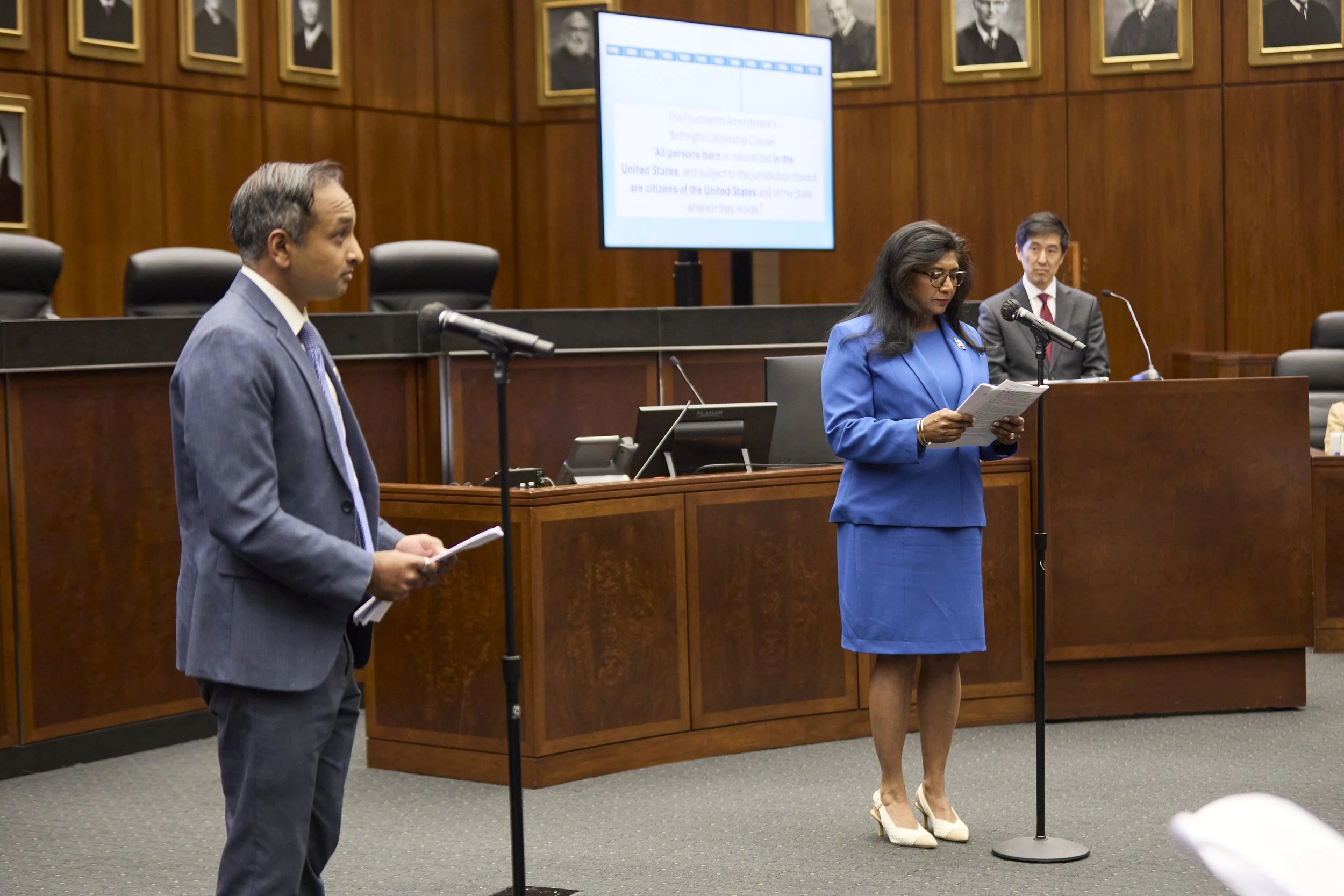
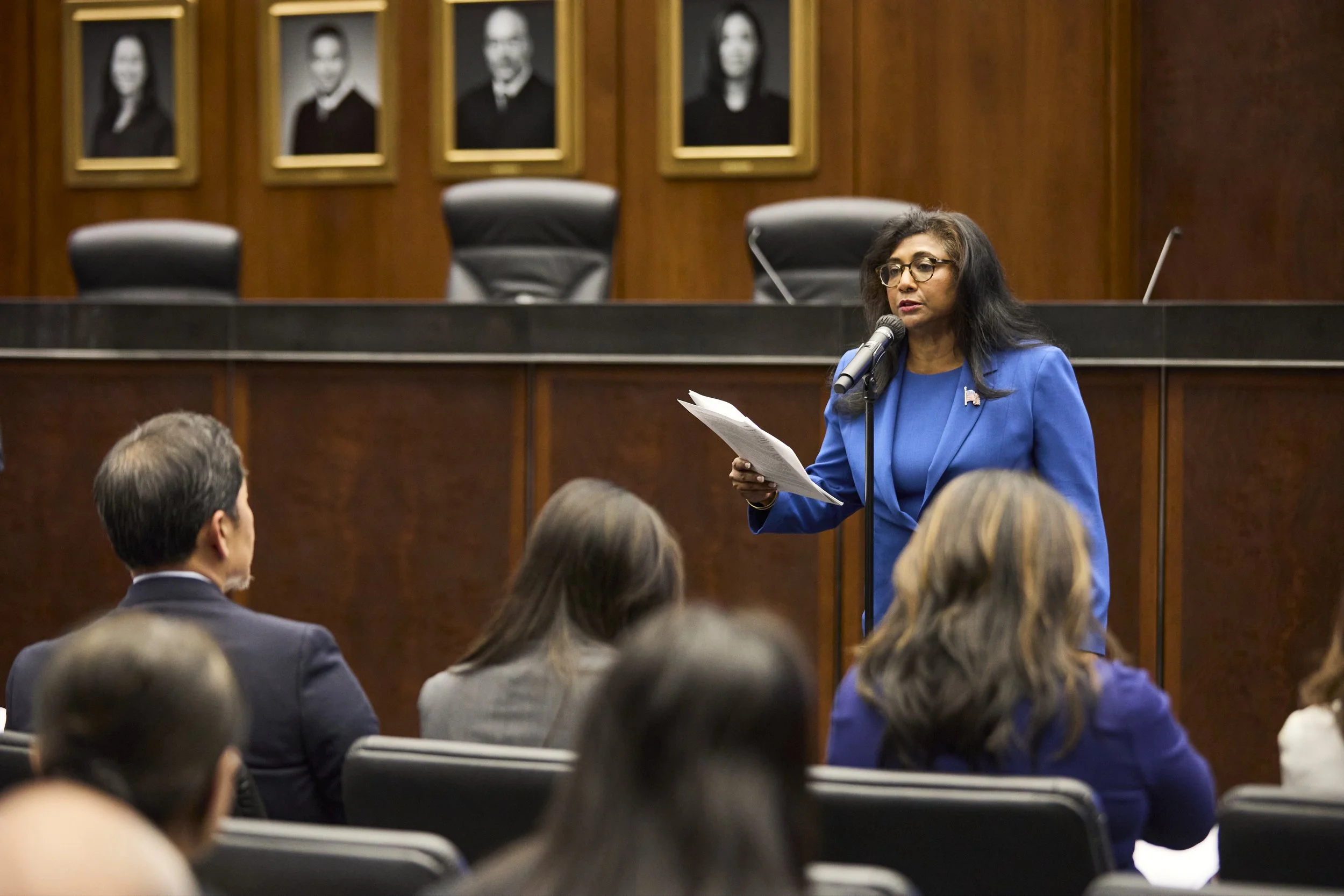
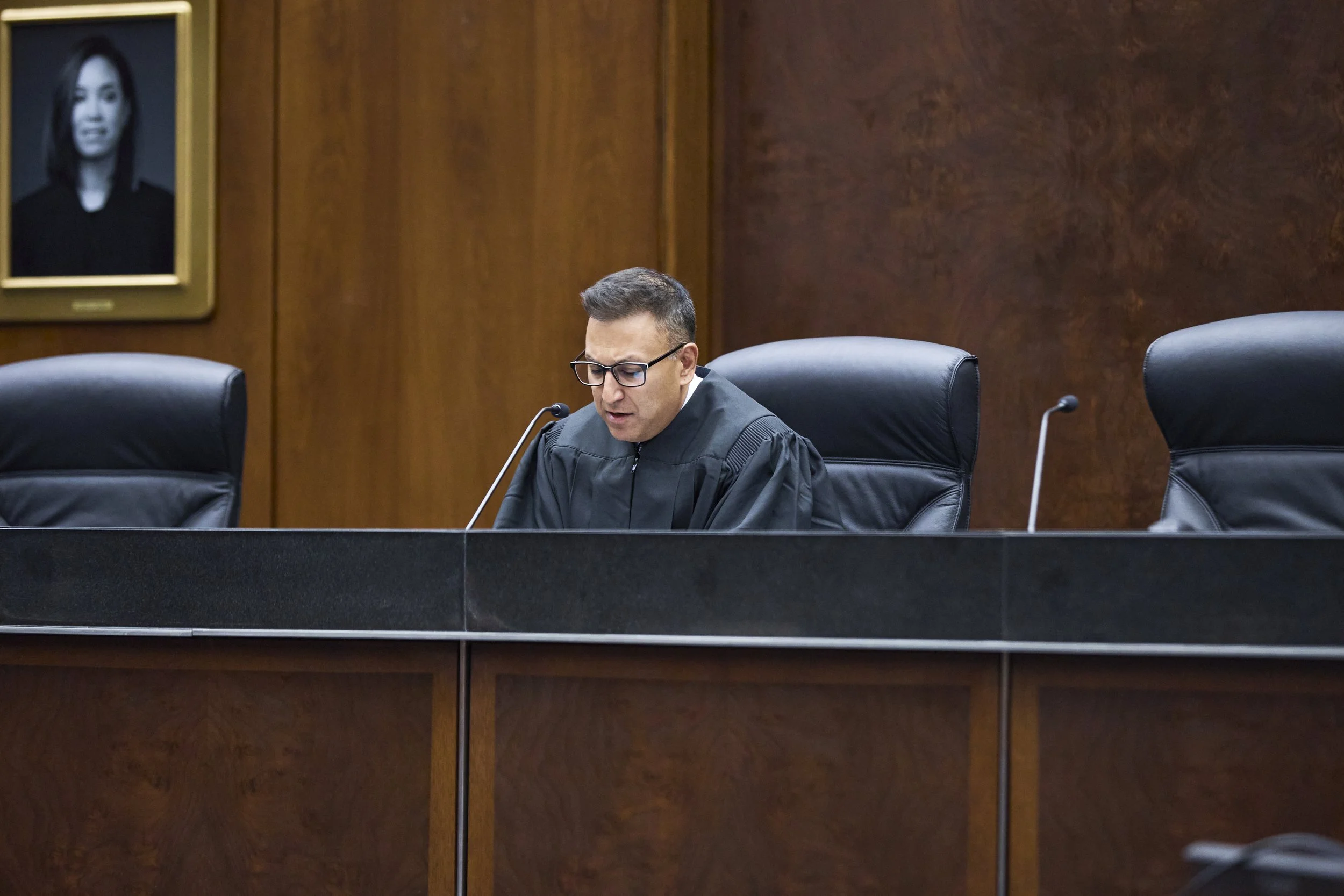
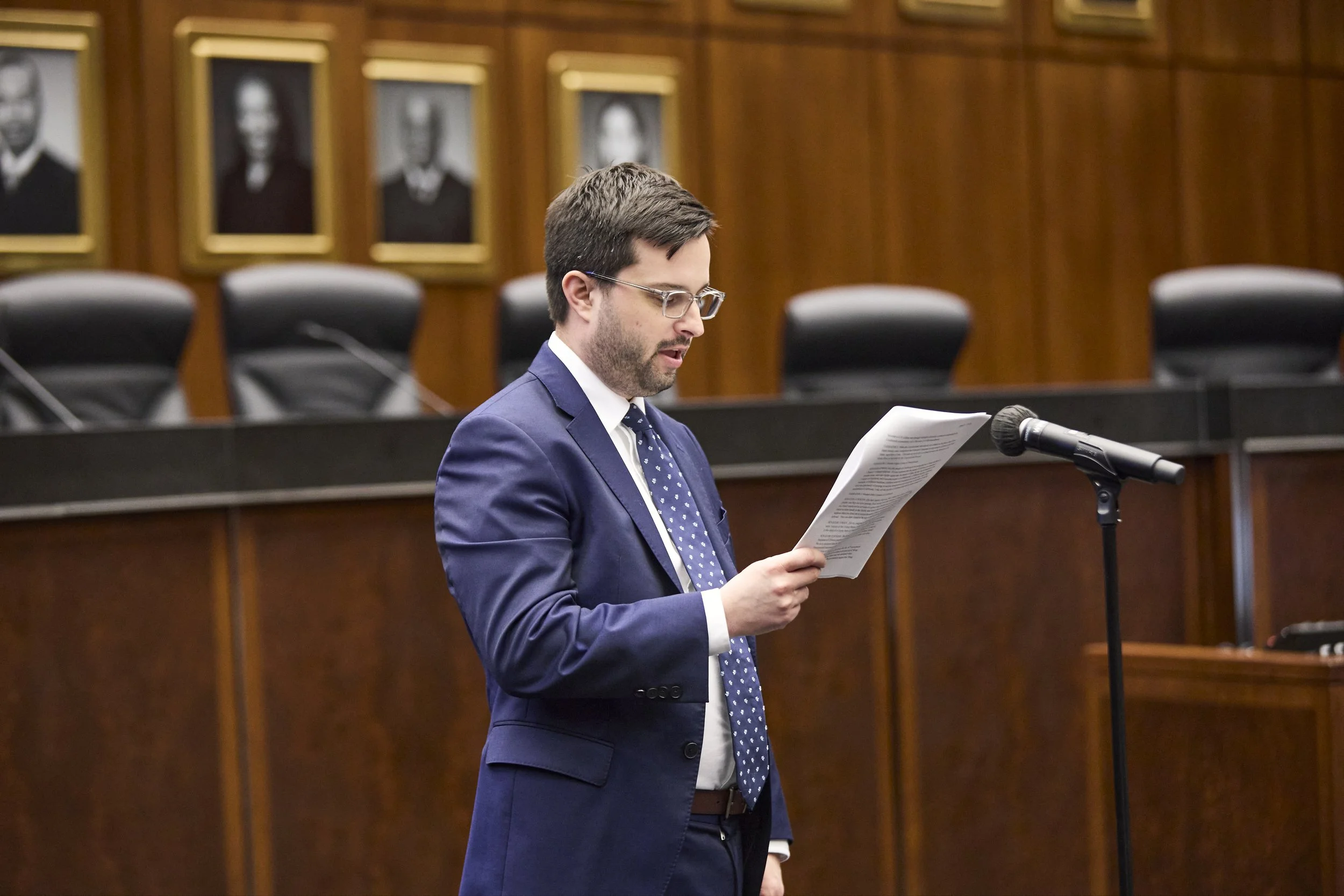
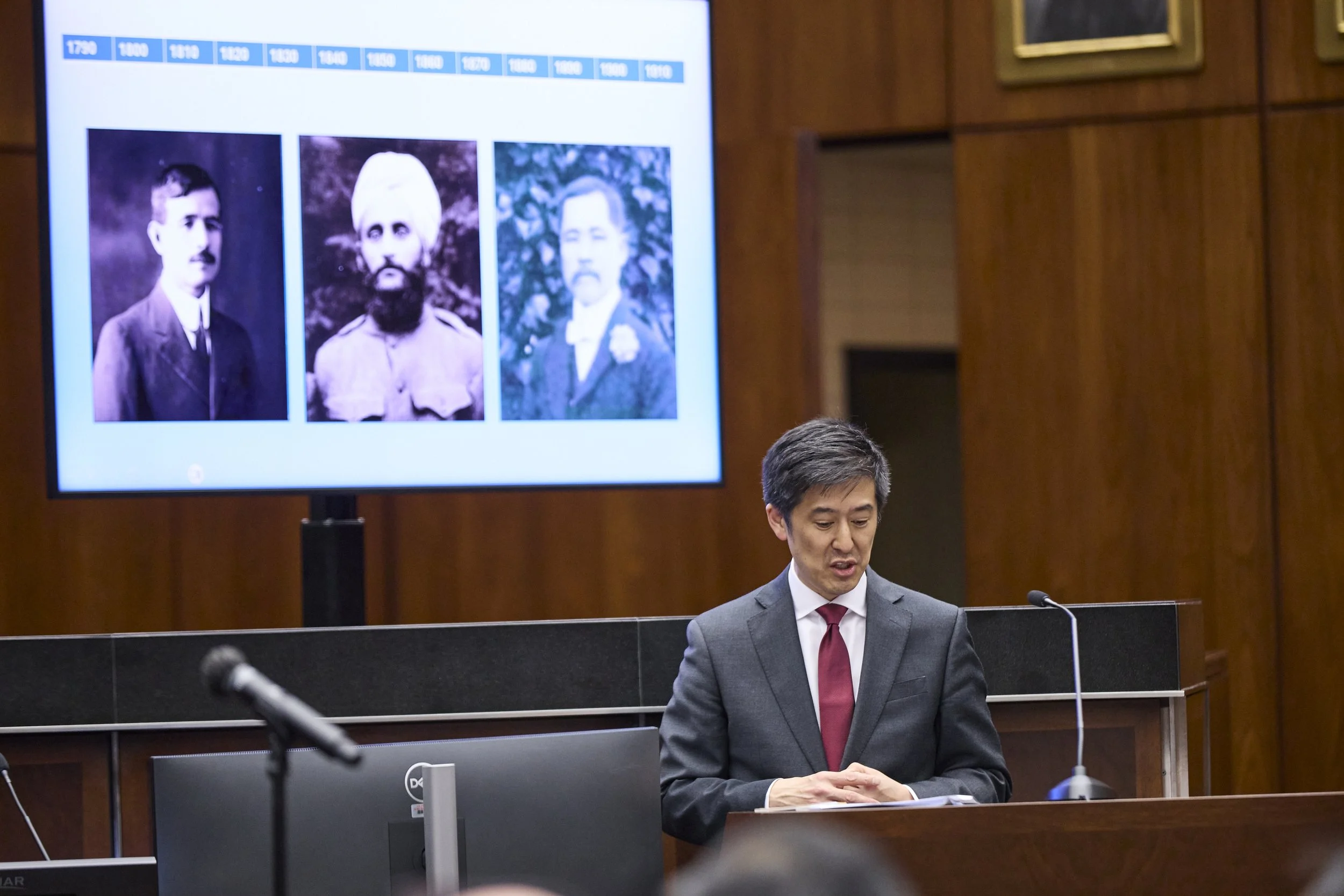
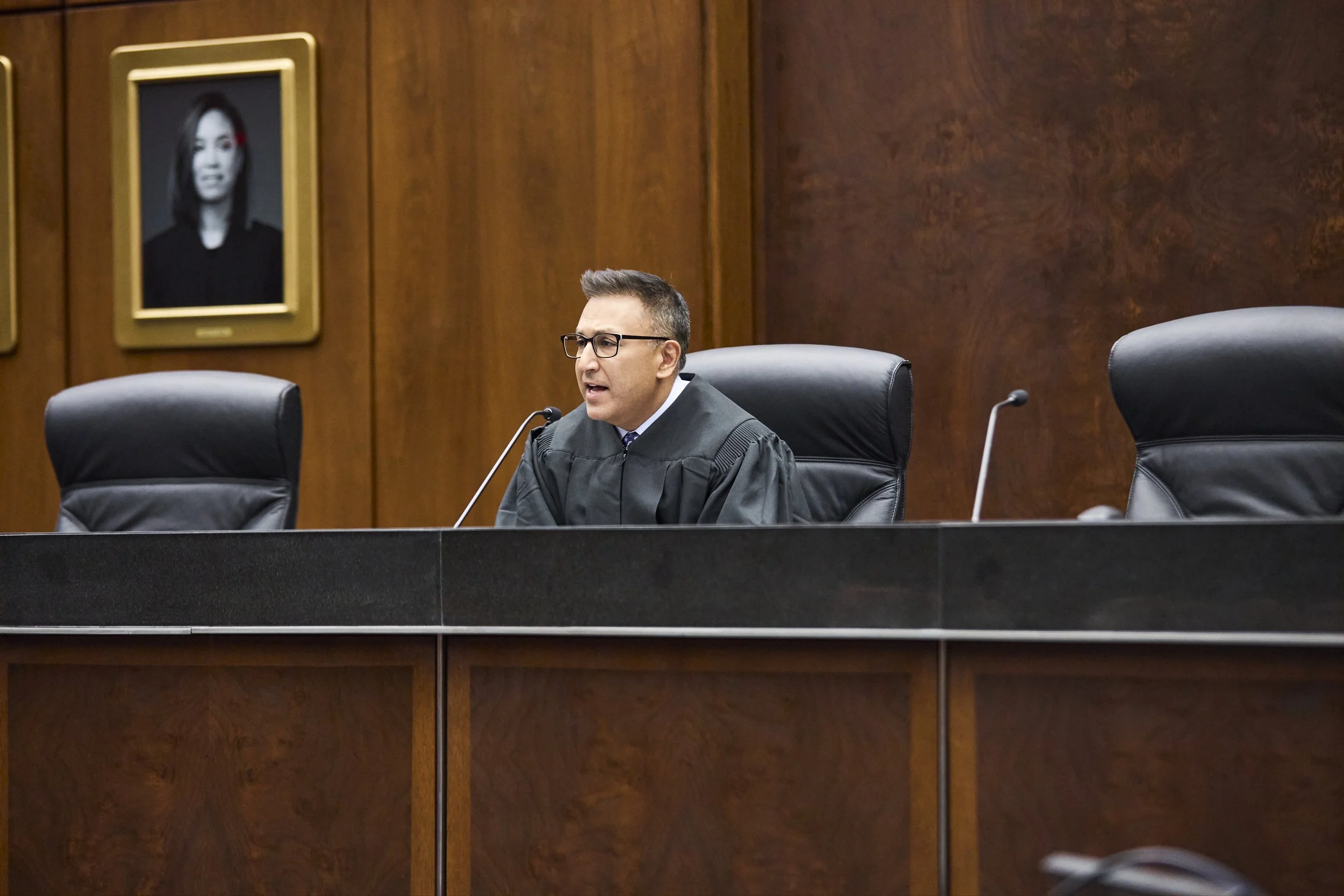
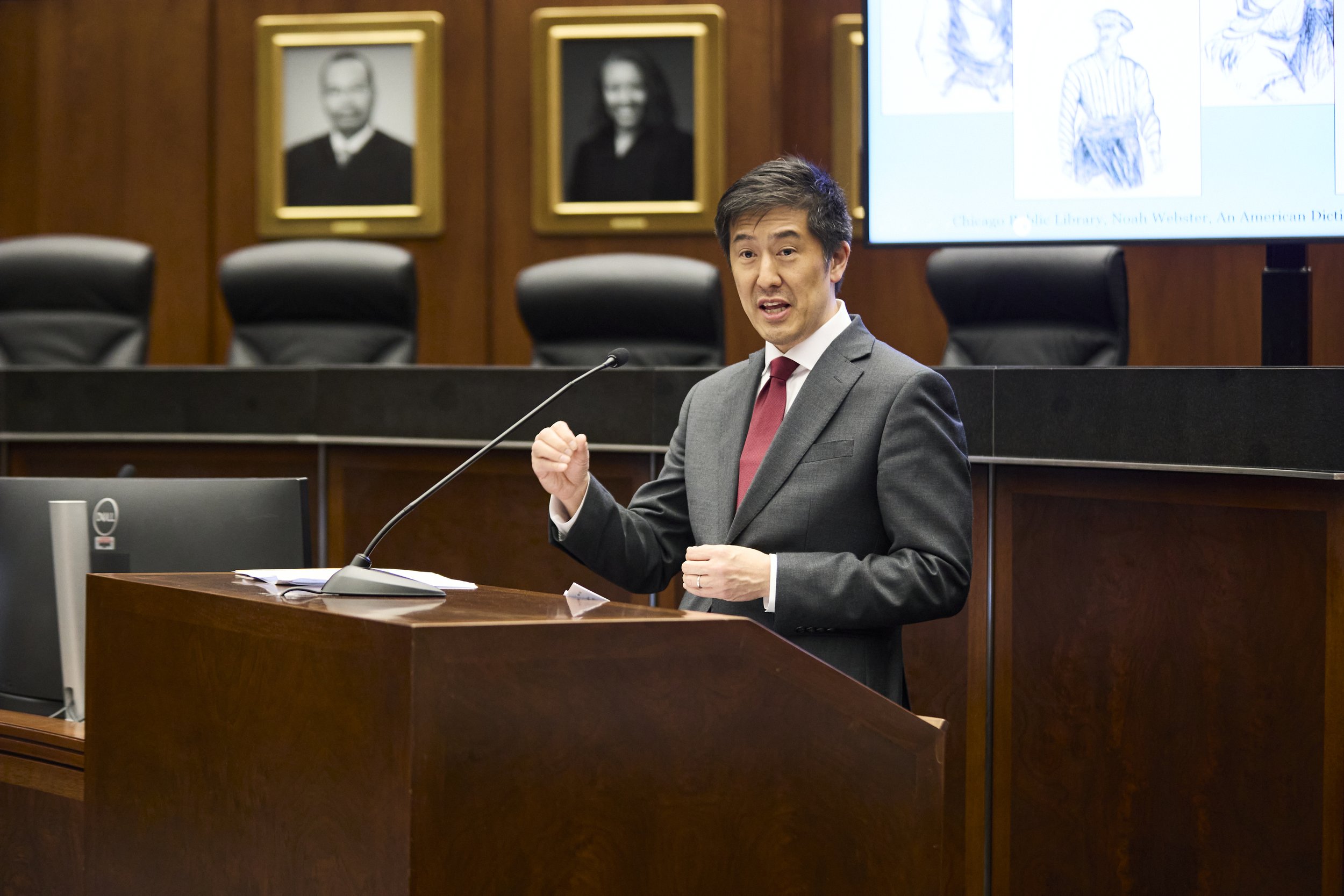
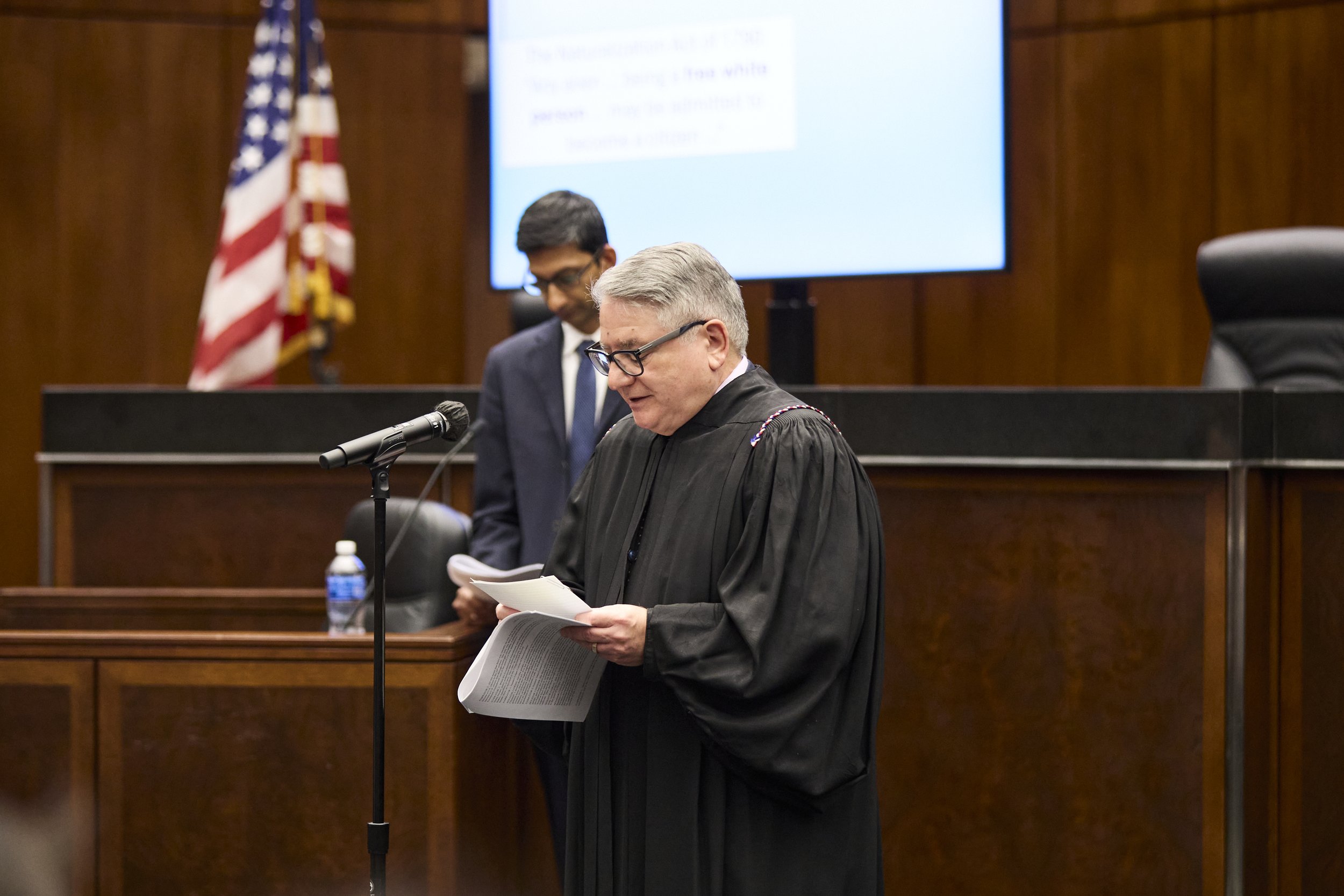
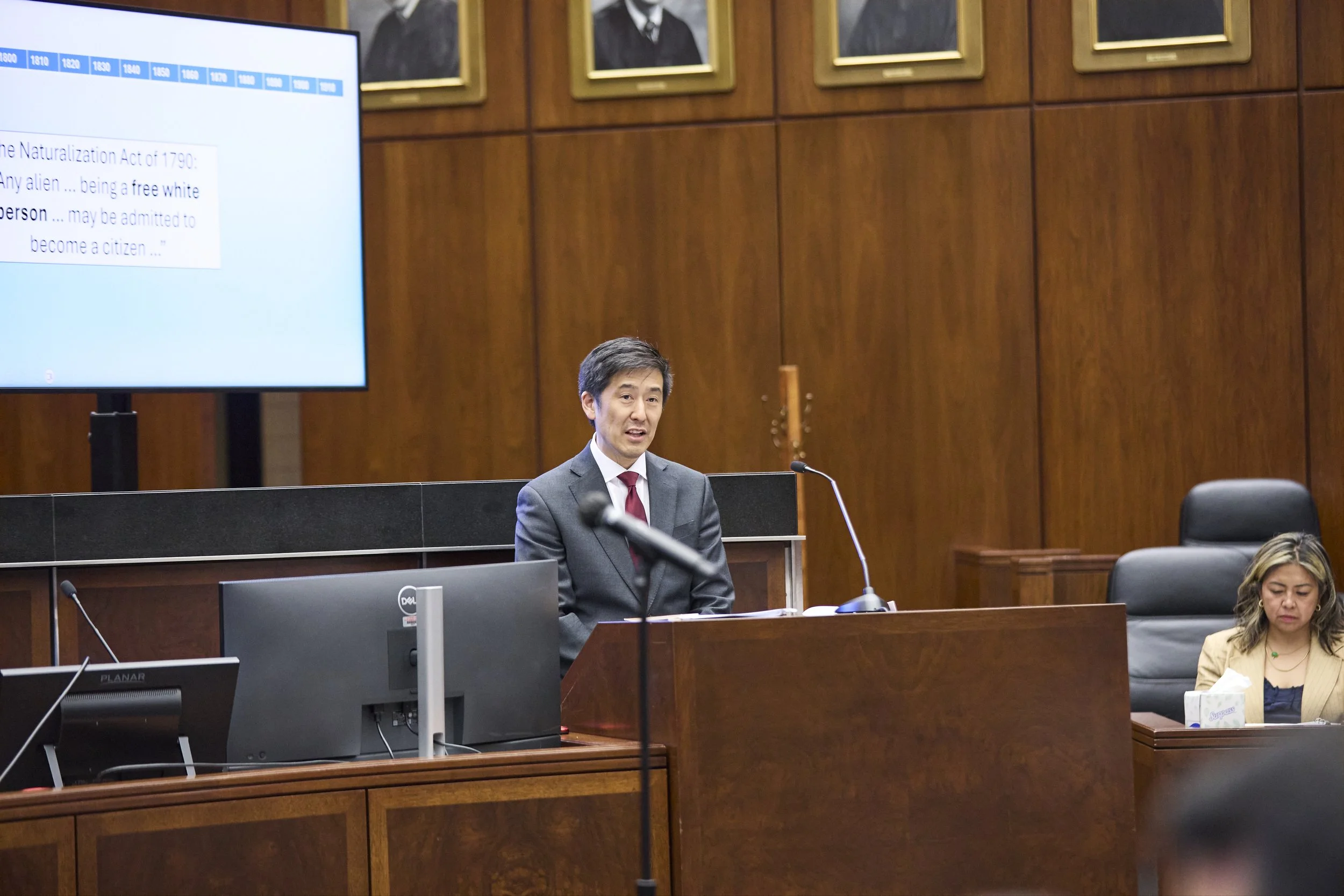
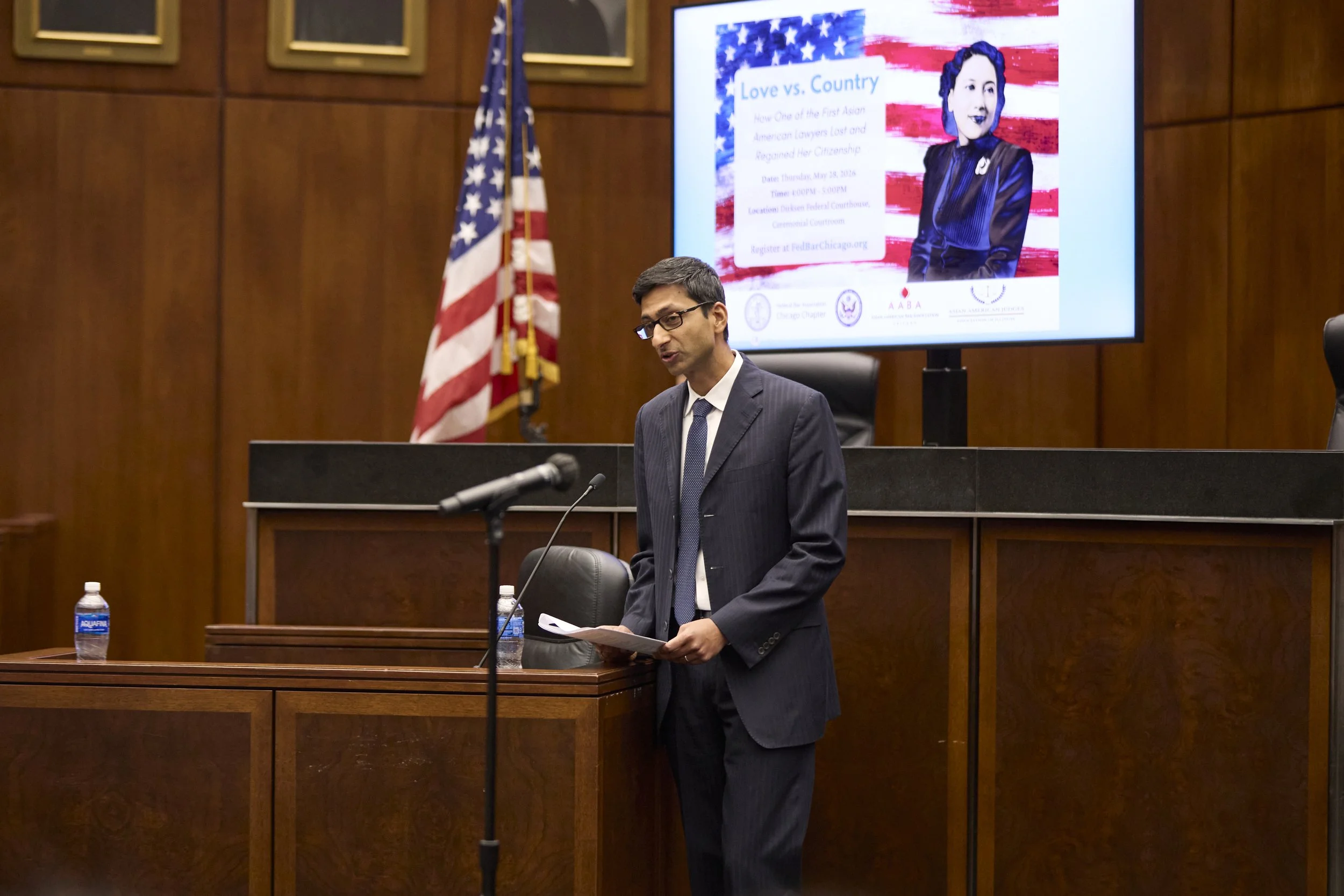
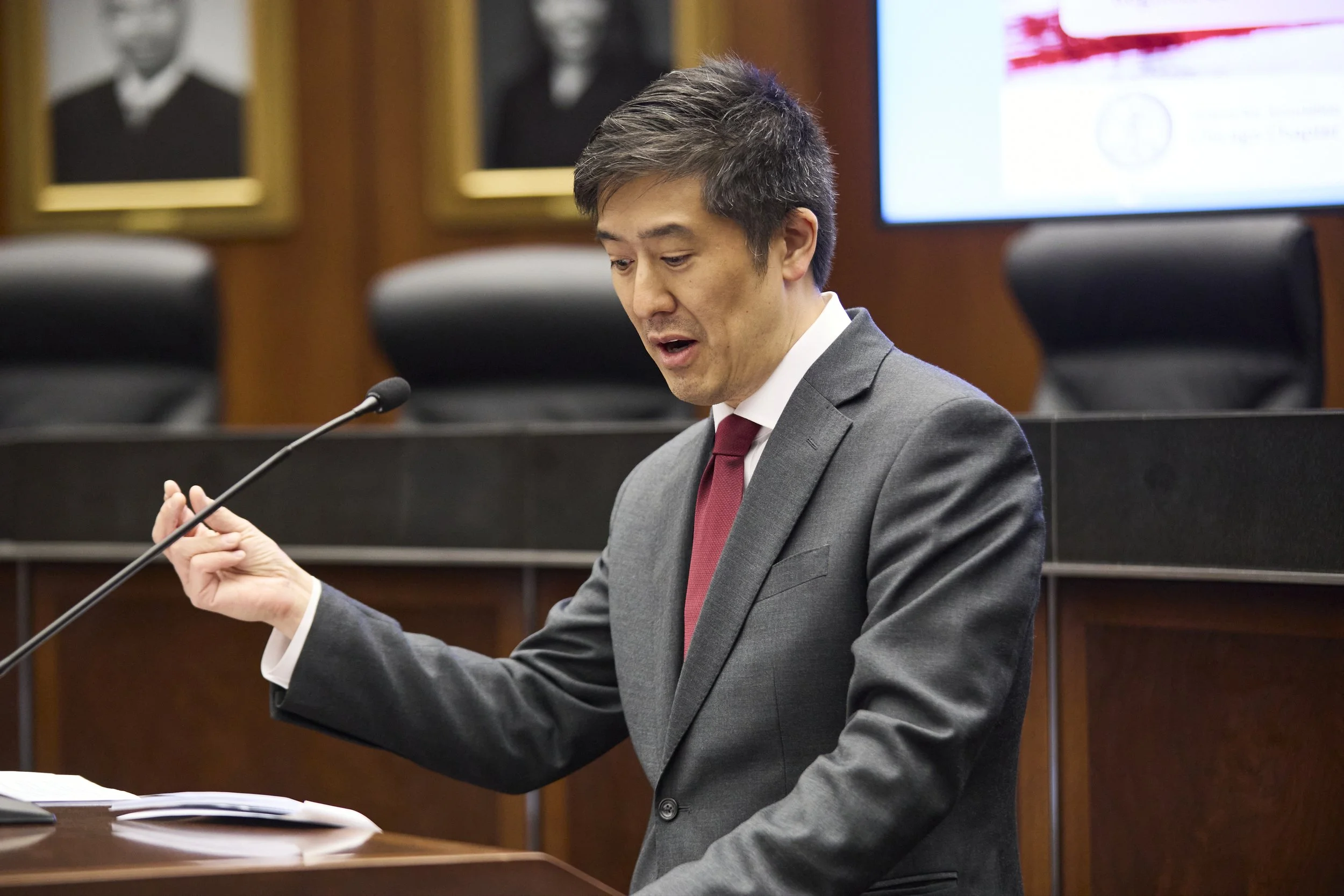
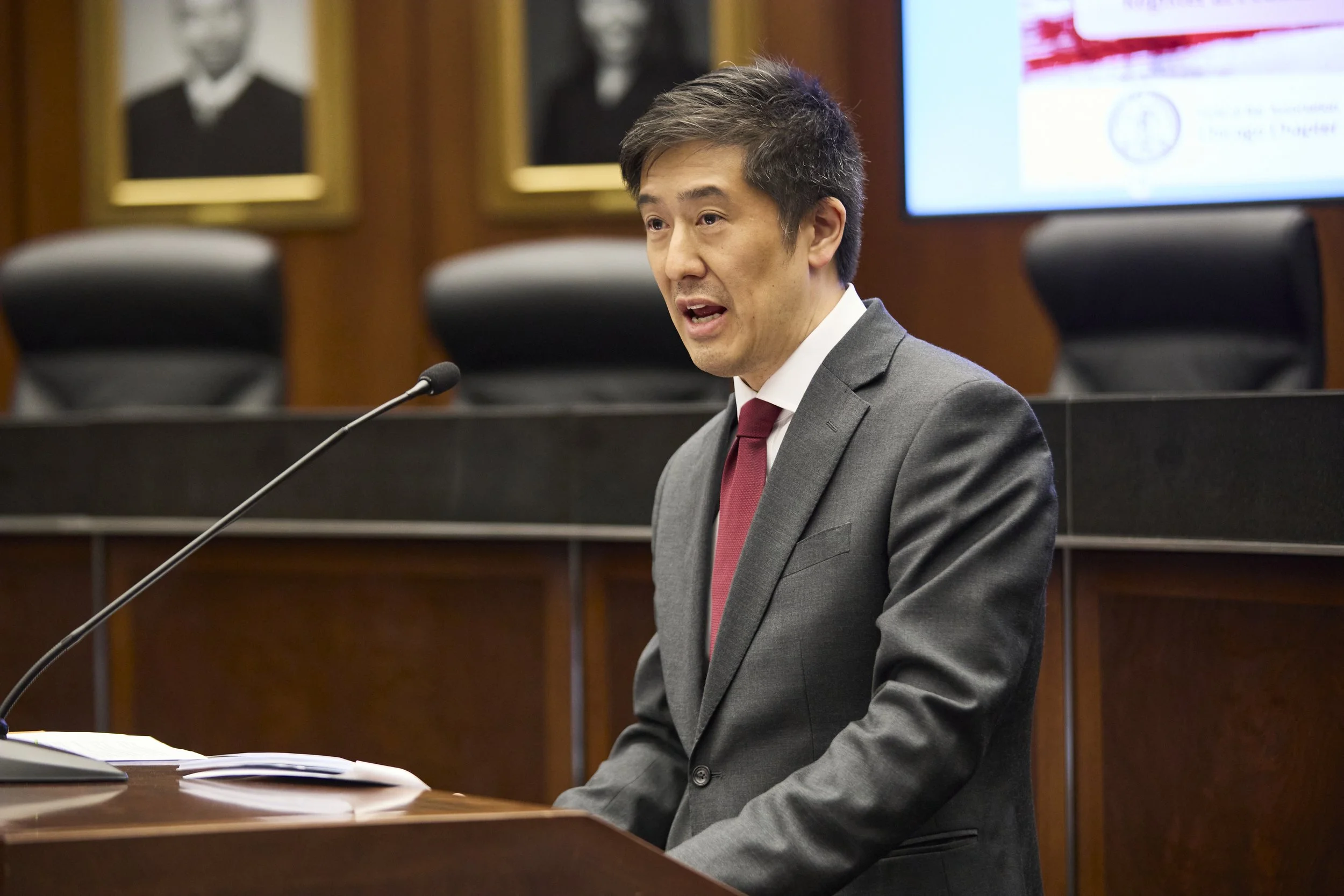
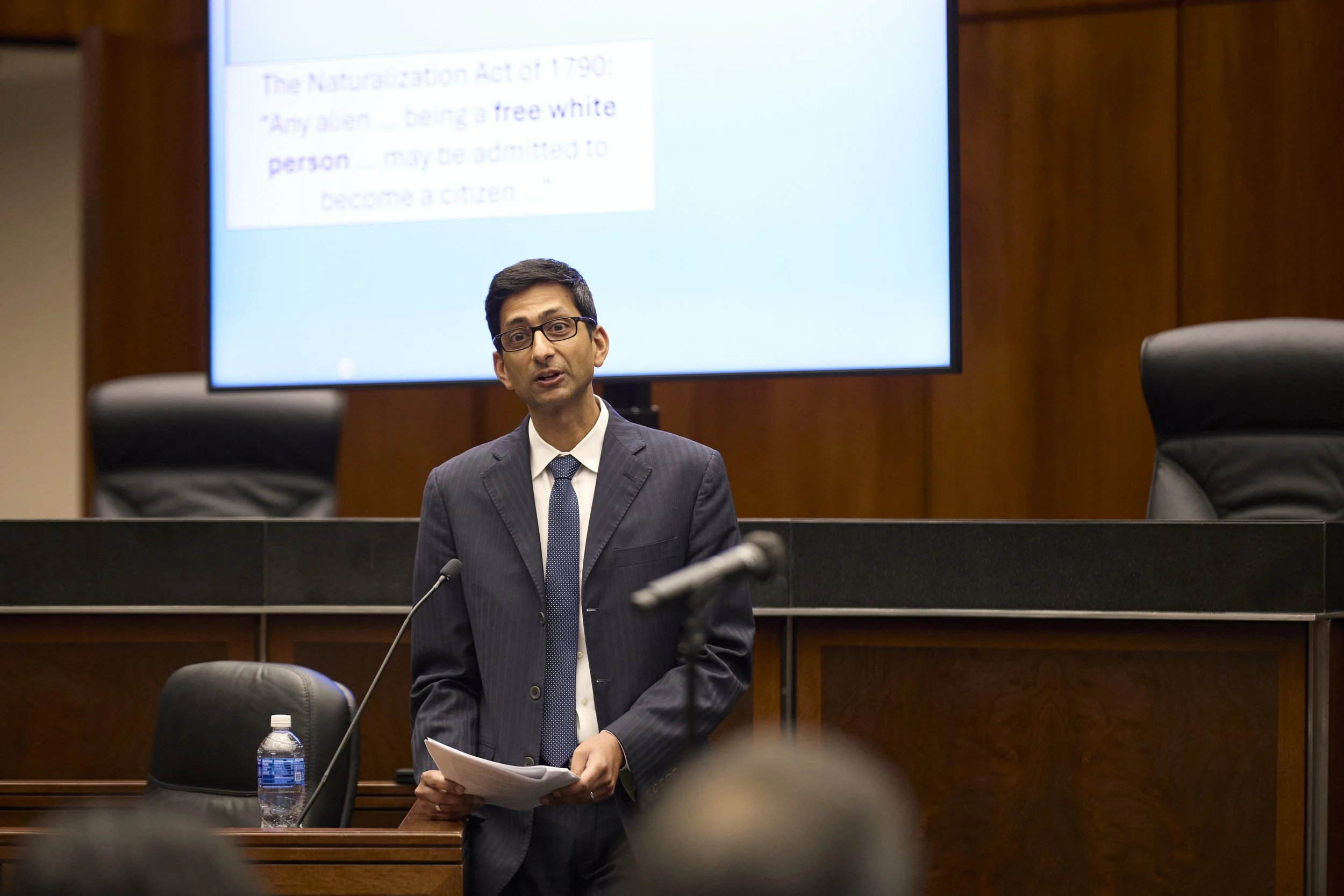
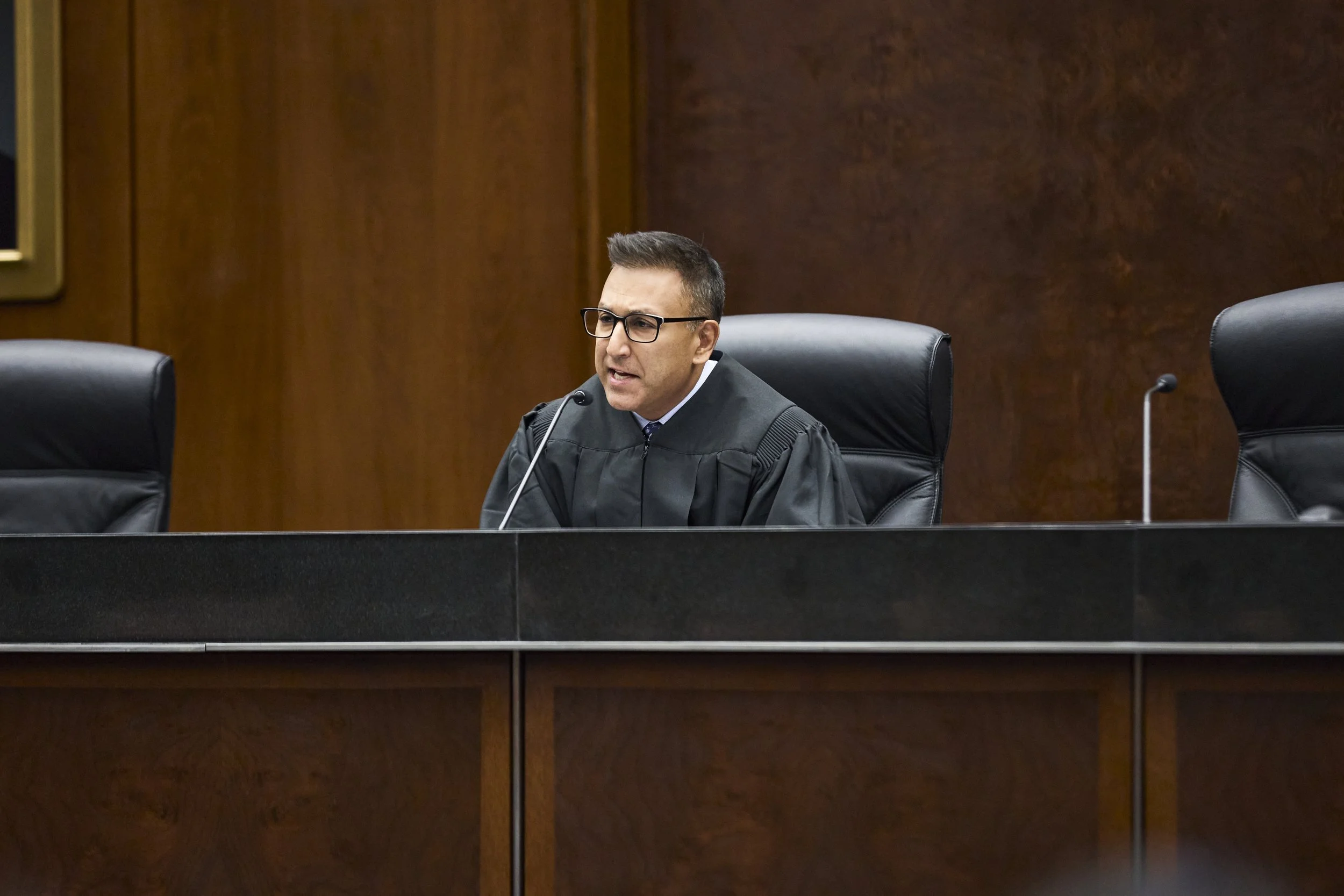
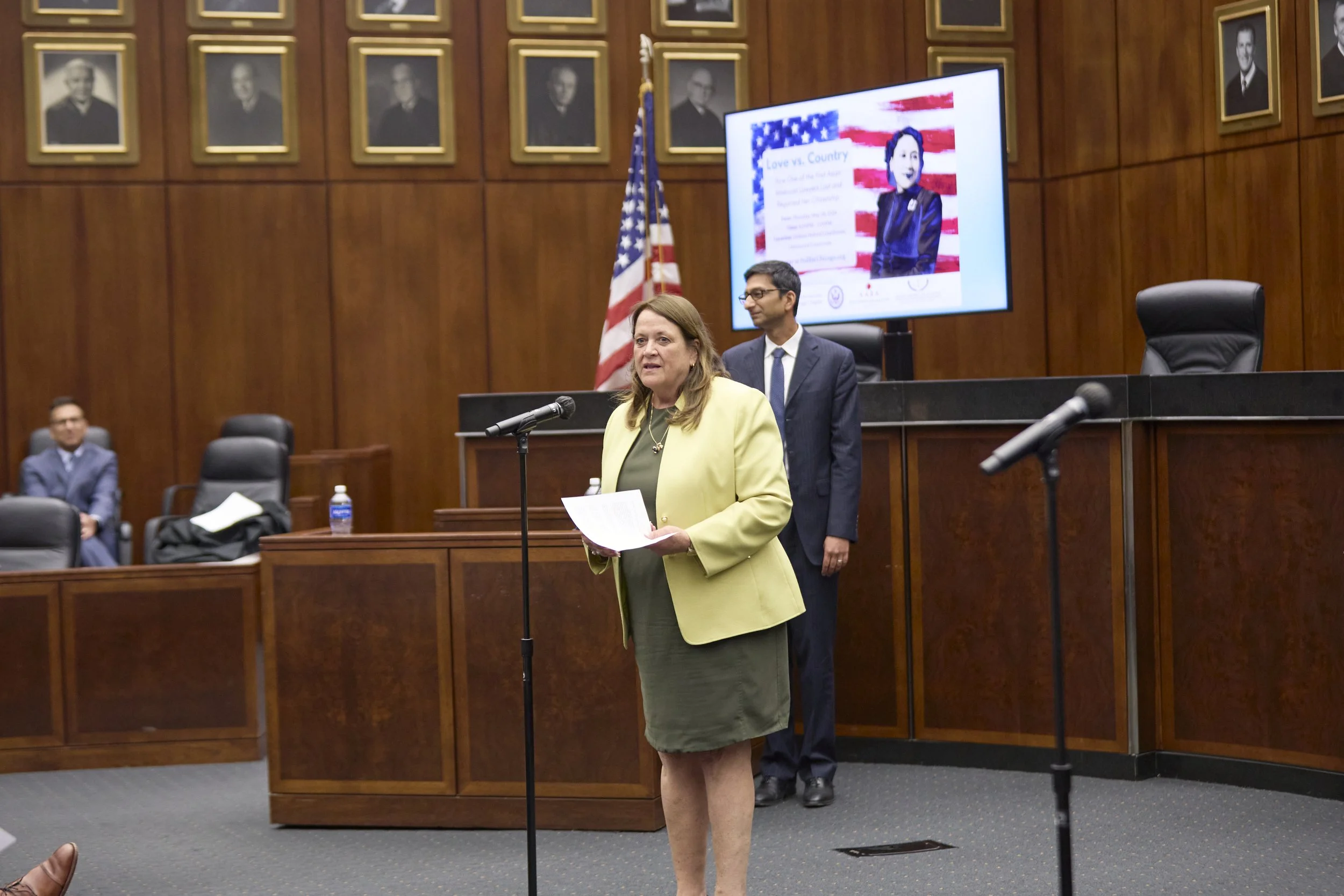
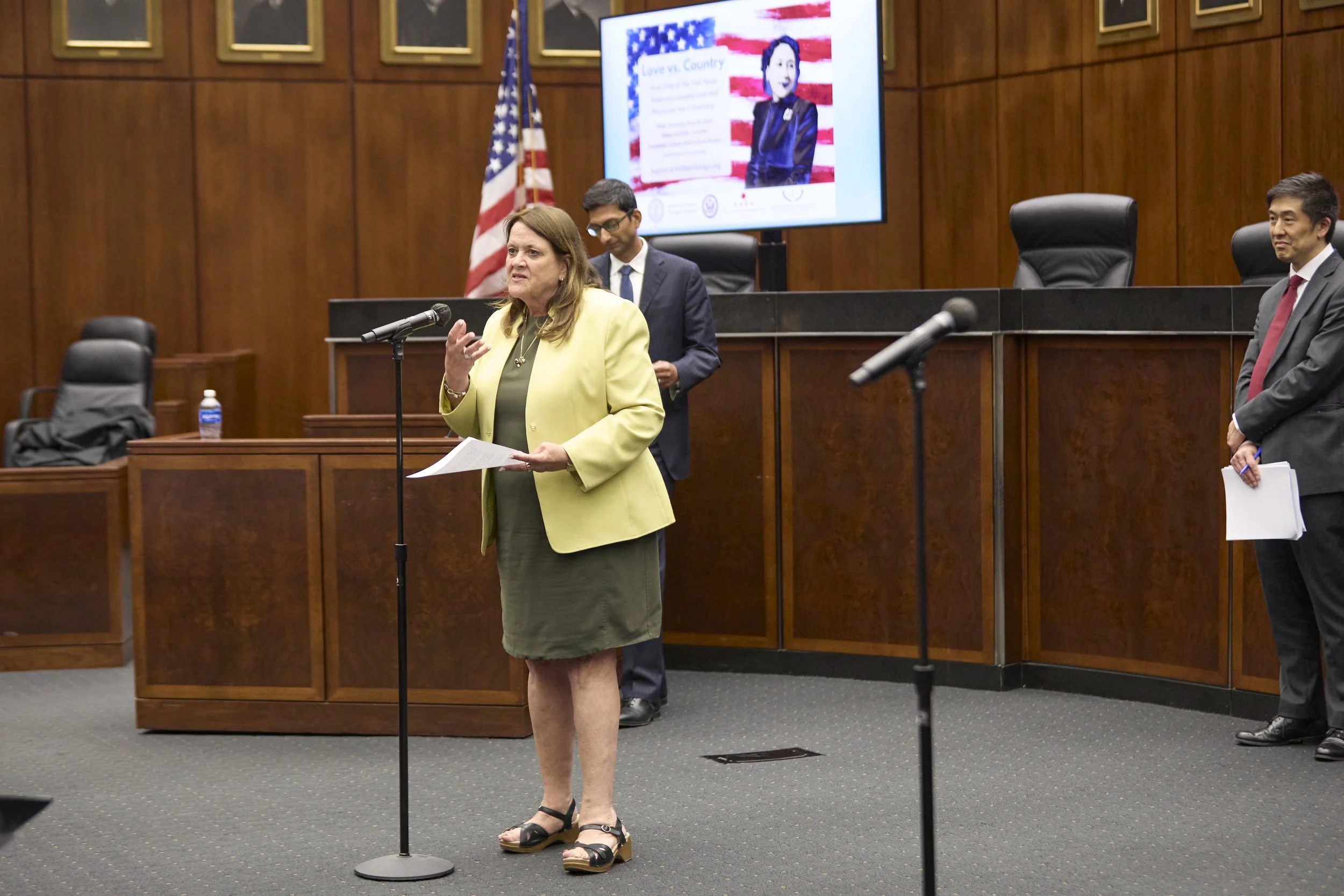
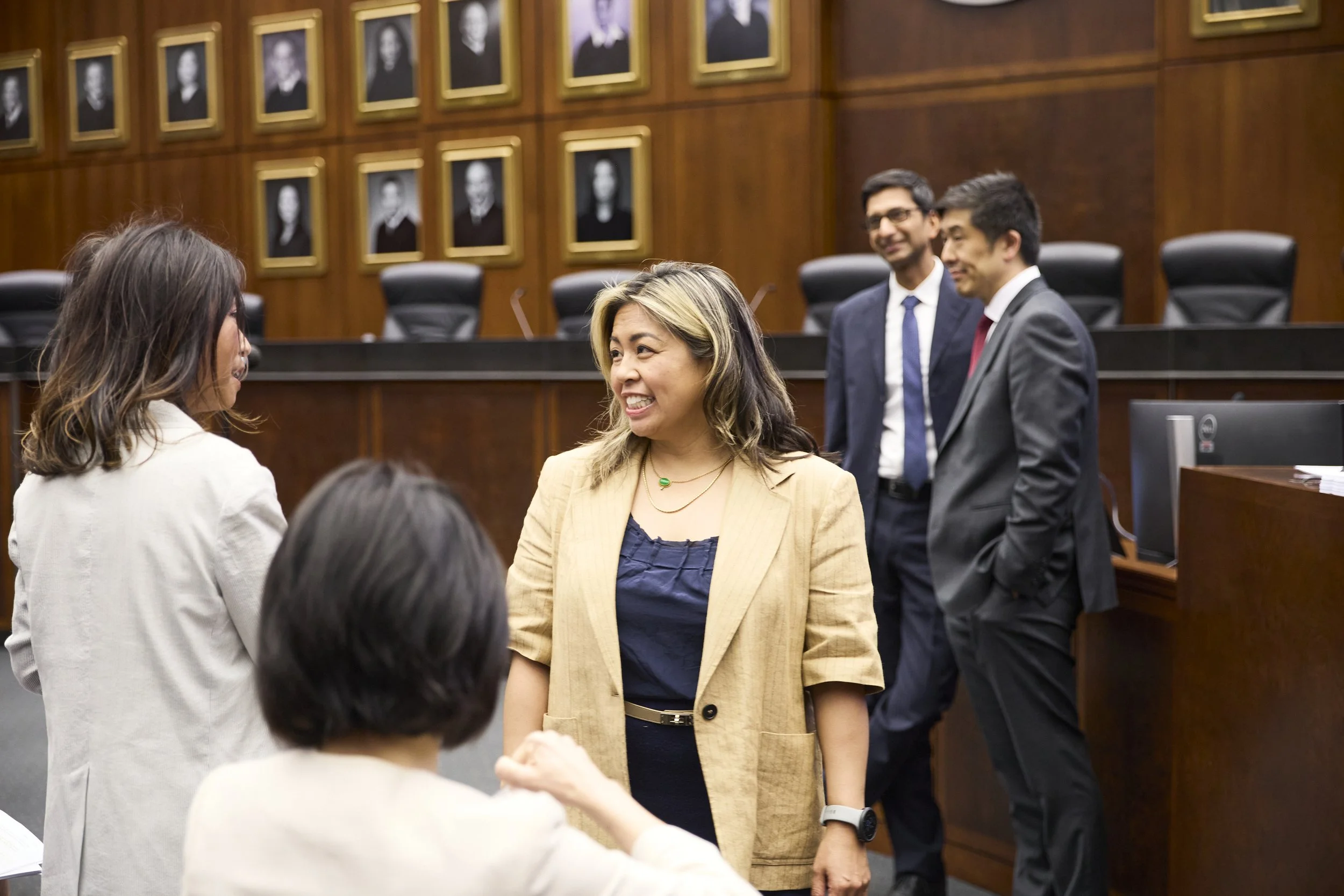
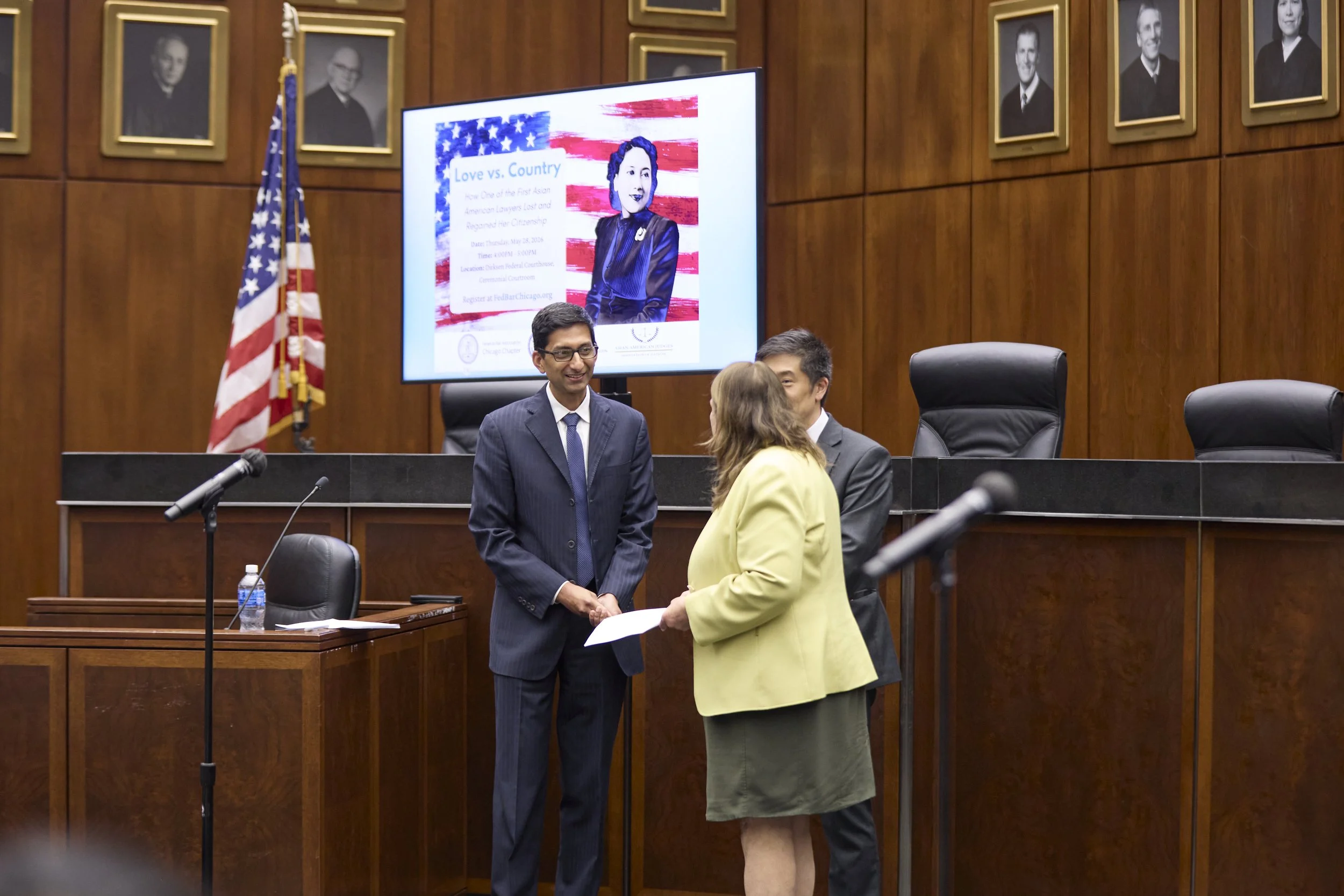
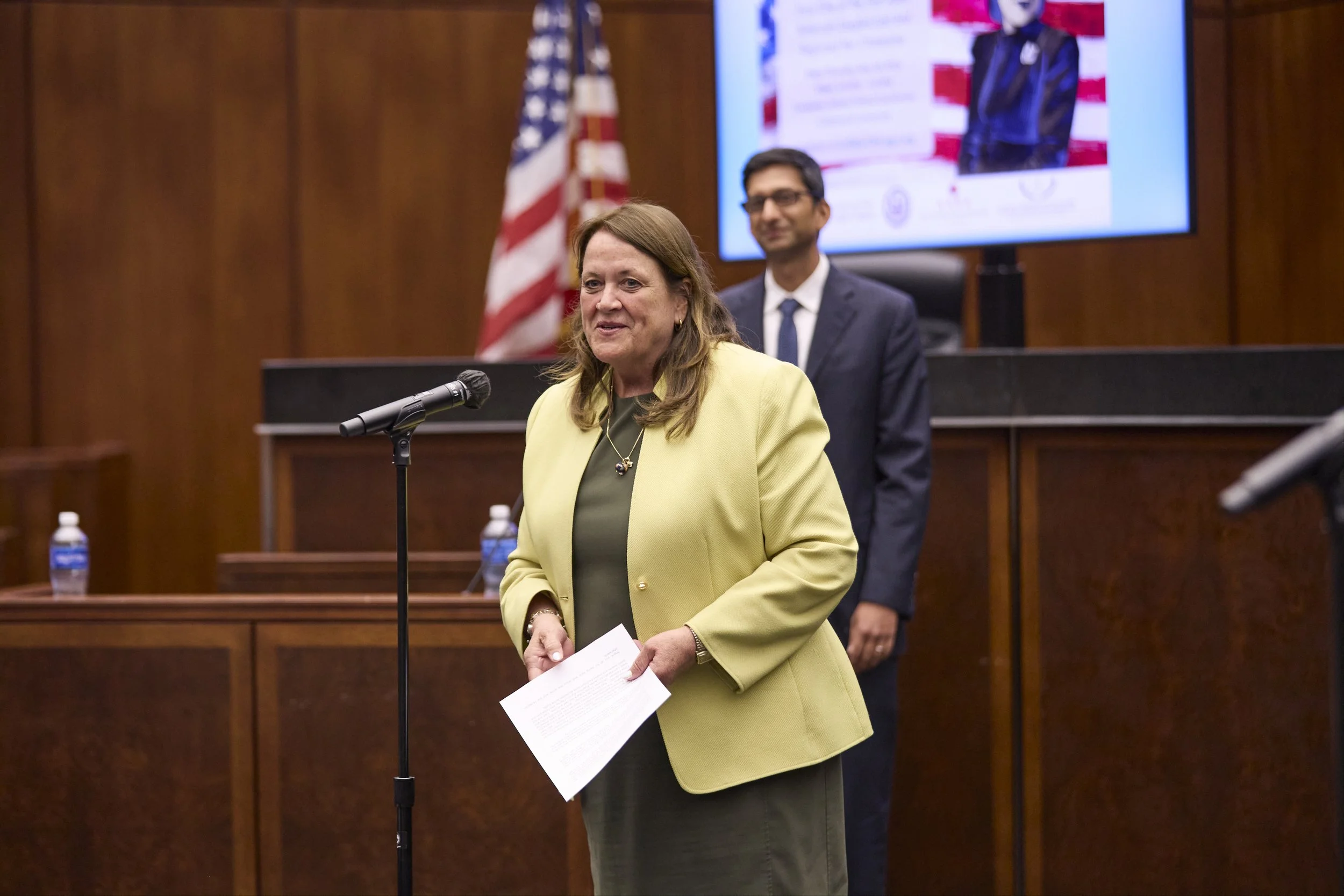
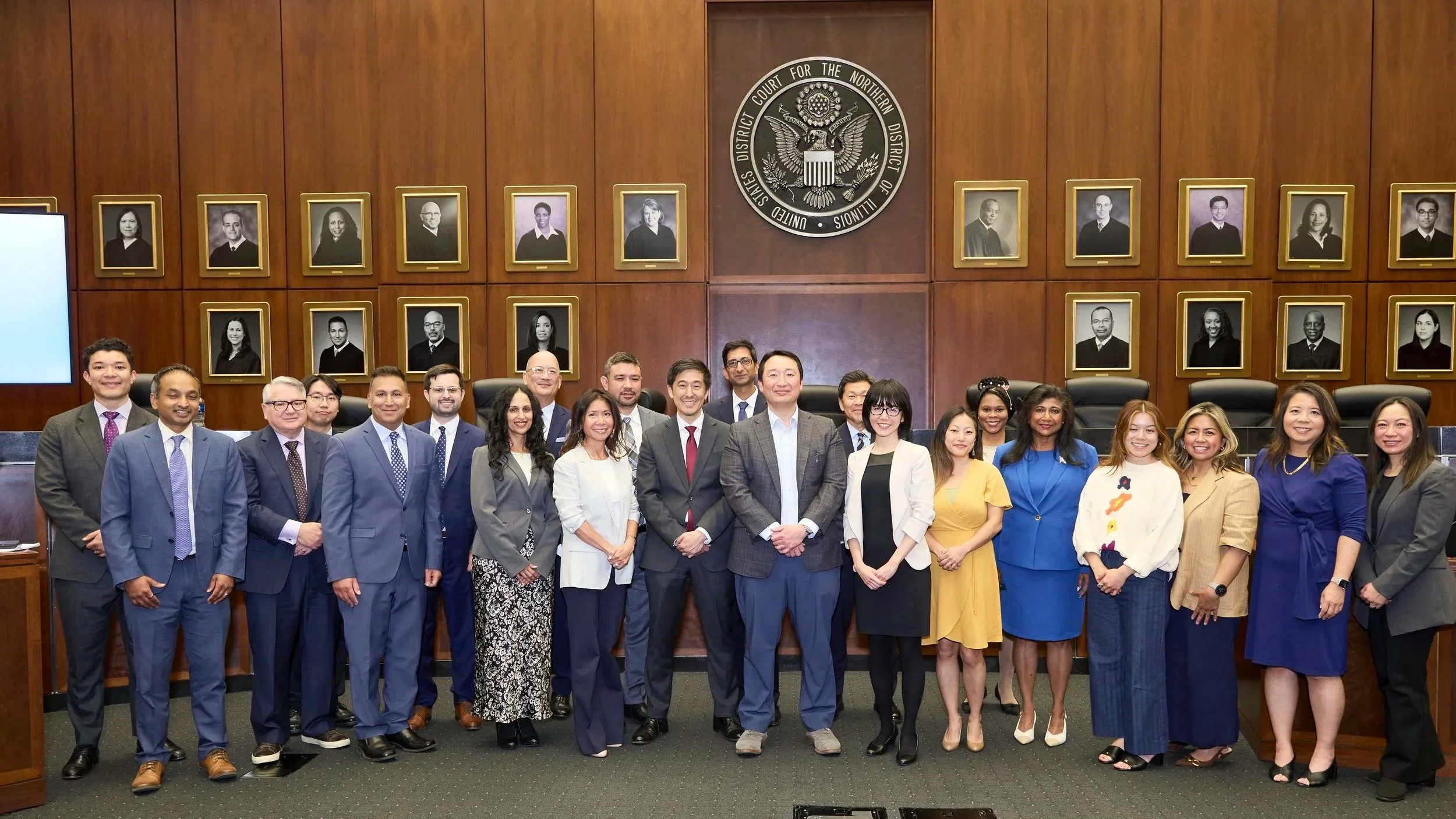
In recognition of Asian American and Pacific Islander Heritage Month, the Federal Bar Association Chicago Chapter brought Sau Ung Loo Chan's story to life on May 28, 2026, in Love vs. Country: How One of the First Asian American Lawyers Lost and Regained Her Citizenship. Hosted at the Dirksen Federal Courthouse’s Ceremonial Courtroom, this program drew an audience of attorneys, judges, and members of the public. Three co-presenting organizations joined FBA Chicago for the event, including the Asian American Bar Association of Greater Chicago, the U.S. District Court for the Northern District of Illinois, and the Asian American Judges Association of Illinois.
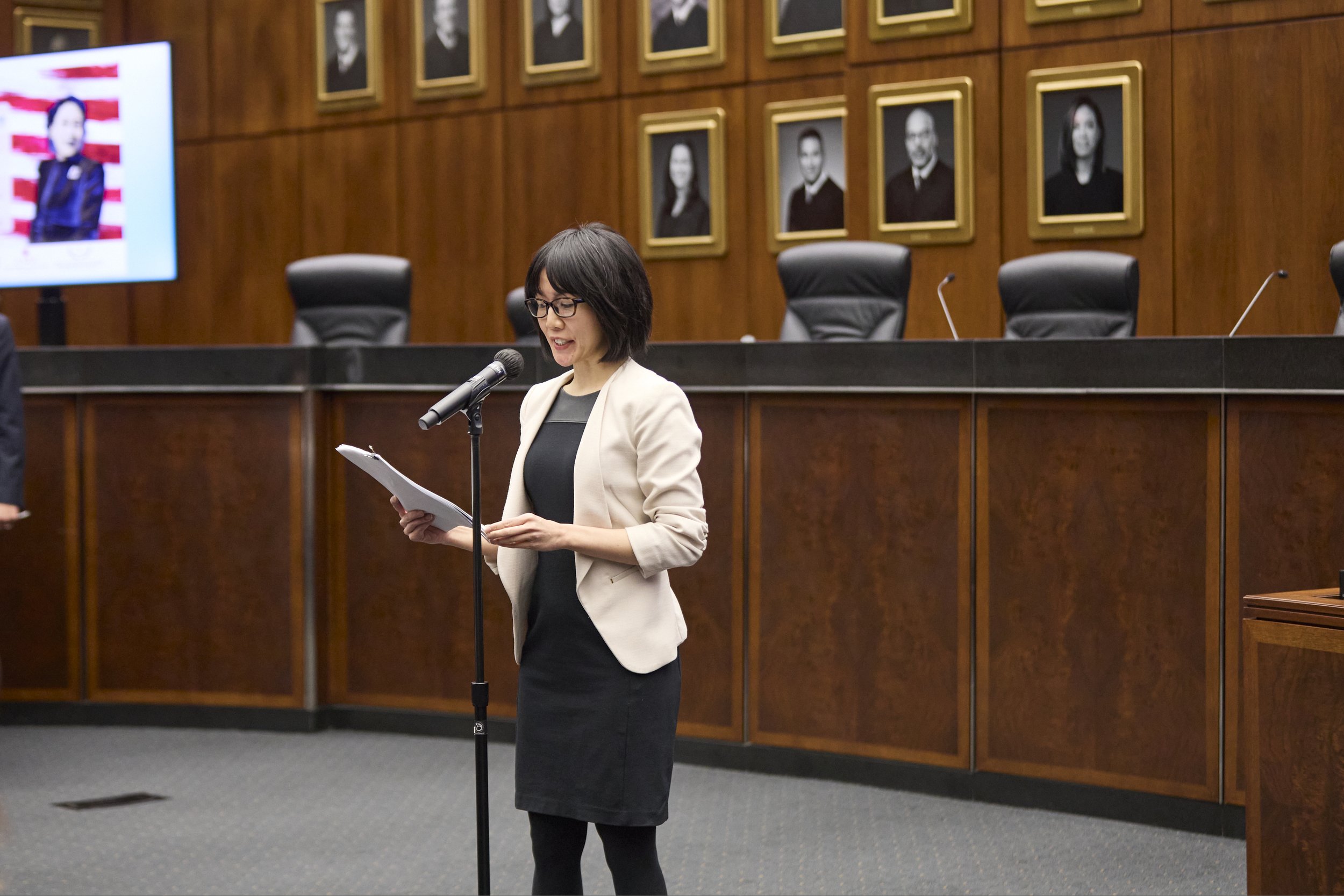
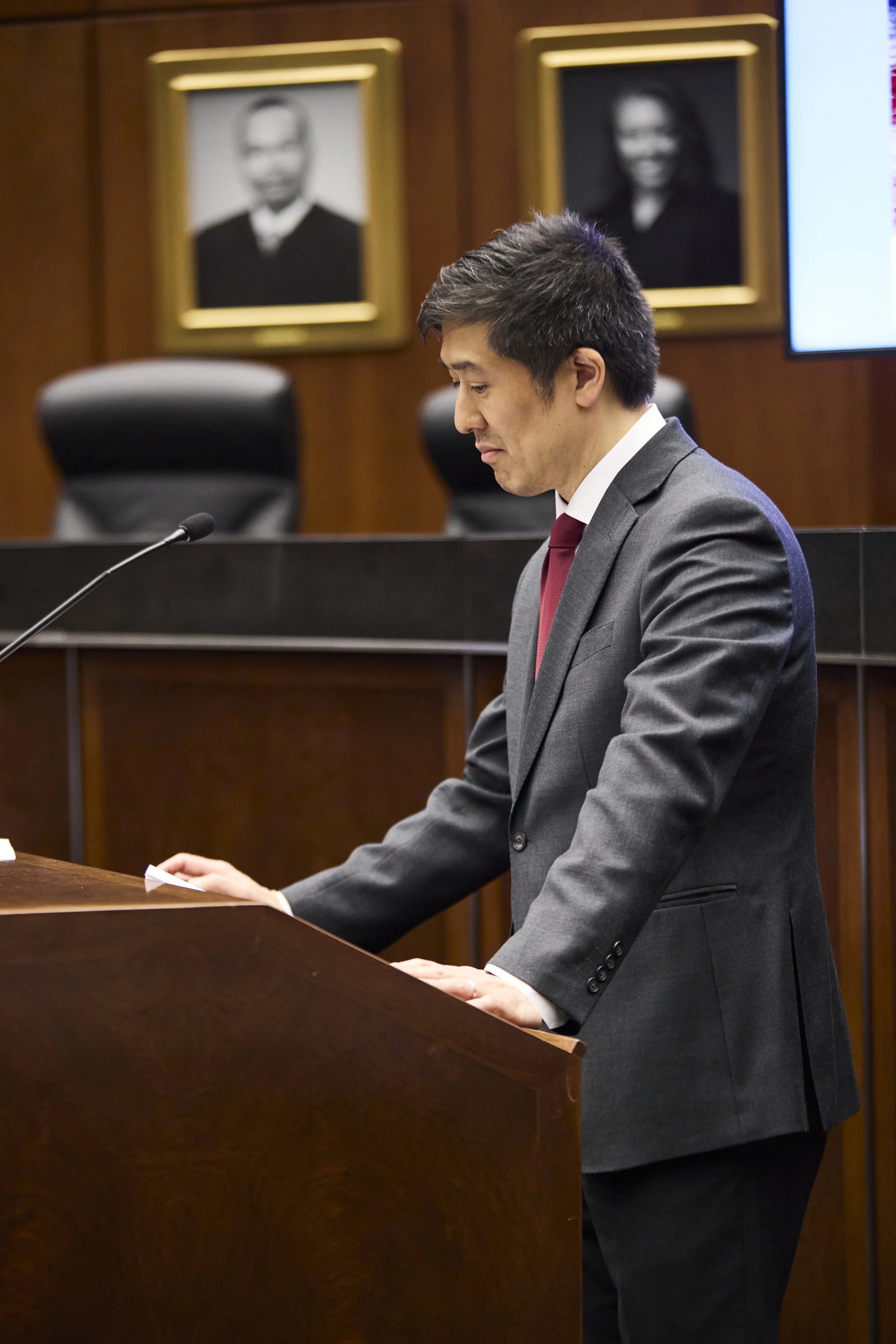
Chicago-based practitioners and judges performed live reenactments of key moments in Chan's legal battle. The format gave attendees an immersive look at her legal strategy and the specific arguments that carried her case through a performance grounded in the historical record.
A Legal Battle Built on Layered Injustice
The event traced the legal framework that made Chan's situation possible. Understanding that framework matters. Chan did not lose her citizenship in a vacuum. She lost it inside a system designed to exclude people who looked like her. The Chinese Exclusion Act of 1882 was the first federal law to restrict immigration based on race and ethnicity. It barred Chinese laborers from entering the country and explicitly denied Chinese residents the right to naturalize. The 1878 federal case In re Ah Yup had already established that Chinese immigrants were not "white persons" under naturalization law.
Takao Ozawa v. United States (1922) and United States v. Bhagat Singh Thind (1923) extended those exclusions further. Together, these decisions made clear that naturalization was reserved for a narrow category of people. Sau Ung Loo Chan was never going to be easily welcomed into that category. However, she fought anyway, arguing her case on the merits. She used the law as a tool rather than accepting it as a wall. Her victory was not just personal. It was a demonstration that the legal system could be pressed into serving justice, even when it had been built to do the opposite.
Why Wong Kim Ark and the 14th Amendment Matter Here
The program also touched on United States v. Wong Kim Ark (1898), a foundational Supreme Court decision on birthright citizenship. The Court held that a child born in the United States to Chinese parents, who were domiciled residents, was a U.S. citizen under the 14th Amendment. That ruling established the constitutional basis for birthright citizenship regardless of parental origin. Chan's case rested on similar ground. She was born in the United States. Her citizenship was stripped not by birth, but by marriage, under a statute the Supreme Court upheld in Mackenzie v. Hare (1915). The legal system gave with one hand and took with the other.
Overall, Chan's story directly connects to debates that remain active today. A January 20th, 2025, executive order sought to narrow the scope of birthright citizenship for children born to certain non-citizen parents. That order faces ongoing legal challenges in federal courts. The program presented the history clearly and let the cases speak for themselves, allowing attendees the context to form their own informed views.
Sau Ung Loo Chan's Legacy and FBA Chicago's Commitment to Meaningful Programming
Love vs. Country reflected the kind of substantive, community-rooted programming that defines the Federal Bar Association Chicago Chapter. Sau Ung Loo Chan's legacy spans citizenship rights, immigration law, gender equity, and civil rights. Her story speaks directly to questions that courts and policymakers are still actively working through.
A century after her fight, the questions she raised about who belongs in America and on what terms remain unresolved. The attorneys and judges in that ceremonial courtroom on May 28 engaged with live legal and constitutional questions through the lens of someone who lived them. Events like this one give practitioners the historical grounding to engage with those questions in depth and with context; the FBA Chicago Chapter delivers that kind of programming year-round.
Check out the photo gallery below for highlights from the May 28th event. For upcoming CLE programs and networking opportunities for Chicagoland attorneys, explore the Federal Bar Association Chicago Chapter’s upcoming events.