Trial in the Delta: Reflections on the Injustice Surrounding Emmett Till
On September 23, 2025, the Federal Bar Association Chicago Chapter hosted A Miscarriage of Justice: Insights for Today from the Acquittal of Emmett Till’s Murderers at K&L Gates LLP in downtown Chicago. Sponsored by K&L Gates and attended by judges, attorneys, law students, educators, and law enforcement officials, the program marked the 70th anniversary of the 1955 acquittal, which remains one of the most infamous miscarriages of justice in American history.
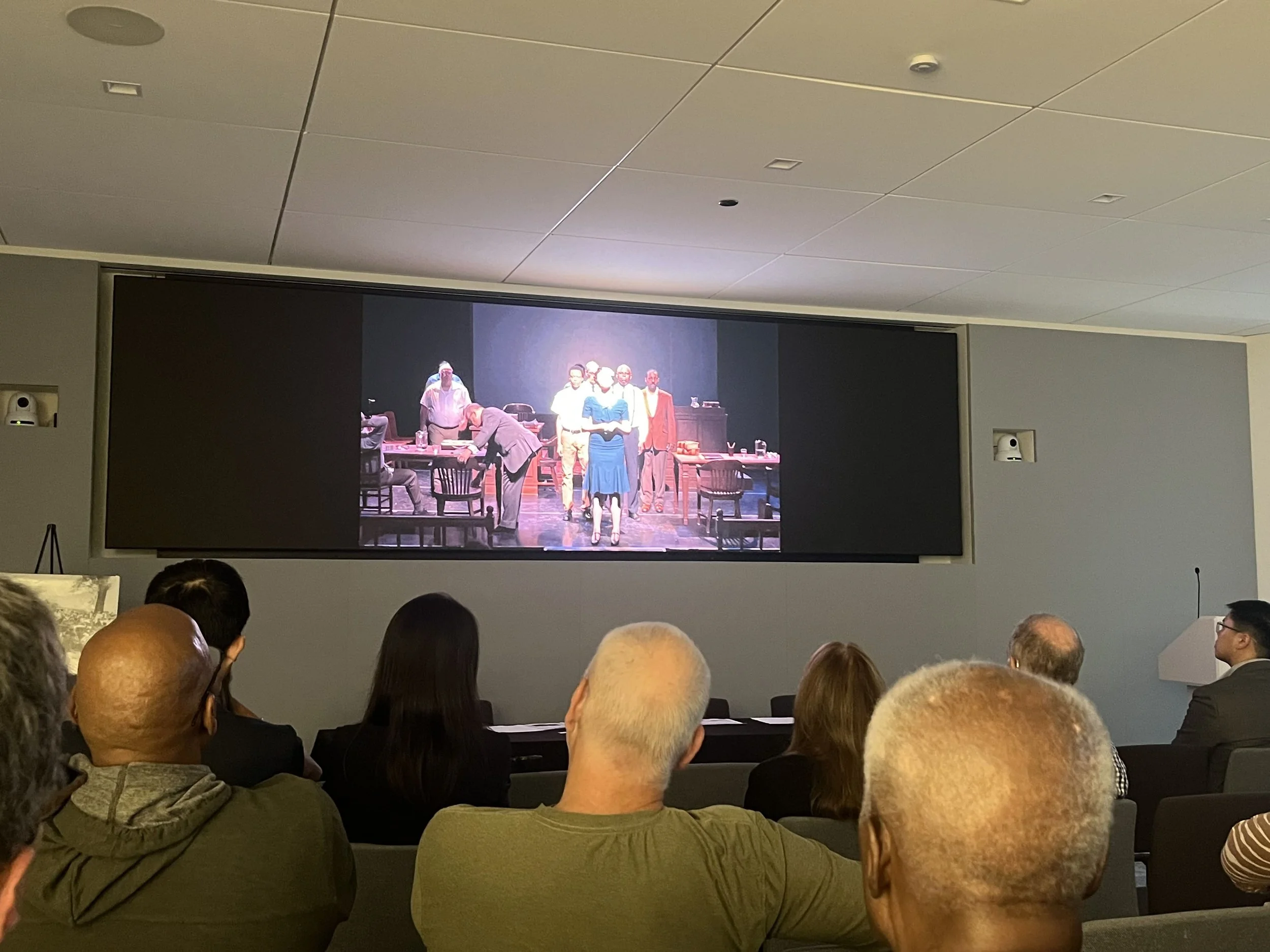
The centerpiece of the event was a screening of Trial in the Delta: The Murder of Emmett Till, a filmed theatrical reenactment created by the Chicago-based arts organization Collaboraction. The production utilizes the original 1955 trial transcripts from State of Mississippi v. Roy Bryant and J.W. Milam to bring the courtroom back to life, including testimony, cross-examinations, and the verdict.
Following the screening, an interactive panel and audience discussion explored how the lessons of the past can inform today’s legal profession. Through candid storytelling, historical reflection, and honest dialogue, the event encouraged participants to consider the power of empathy, education, and civic engagement in confronting bias and promoting justice.
Revisiting History Through Trial in the Delta
Trial in the Delta depicts one of the most pivotal moments in American legal and civil rights history: the 1955 trial of Roy Bryant and J.W. Milam, two white men accused of kidnapping and murdering Emmett Till, a 14-year-old Black boy from Chicago visiting relatives in Mississippi. The play’s script draws entirely from the official court transcripts, allowing audiences to hear the words of witnesses, lawyers, and the presiding judge exactly as they were spoken.
Through powerful performances, actors portray key figures such as Mamie Till, Emmett’s mother; Moses Wright, his uncle who risked his life by testifying; and the local attorneys and jurors who participated in a trial that lasted only five days and ended in acquittal. Though both defendants later admitted to the murder in a paid magazine interview, the all-white jury’s verdict underscored the systemic racism that defined the Jim Crow South.
By reviving this courtroom scene decades later, Trial in the Delta functions not only as theater but as public history—reminding audiences that justice delayed or denied reverberates through generations. The production, which has earned regional Emmy recognition, is both an art form and a tool for education and community dialogue.
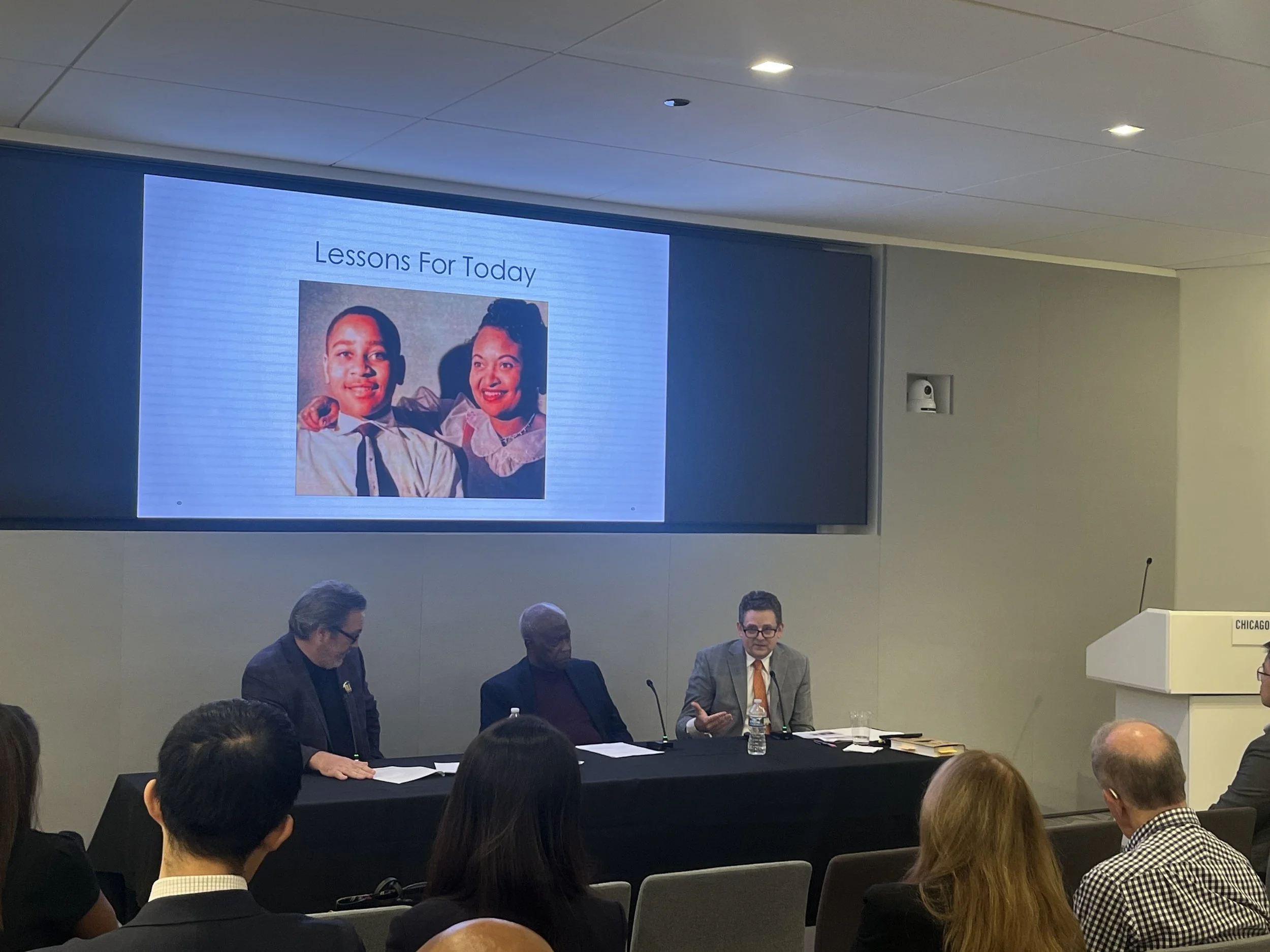
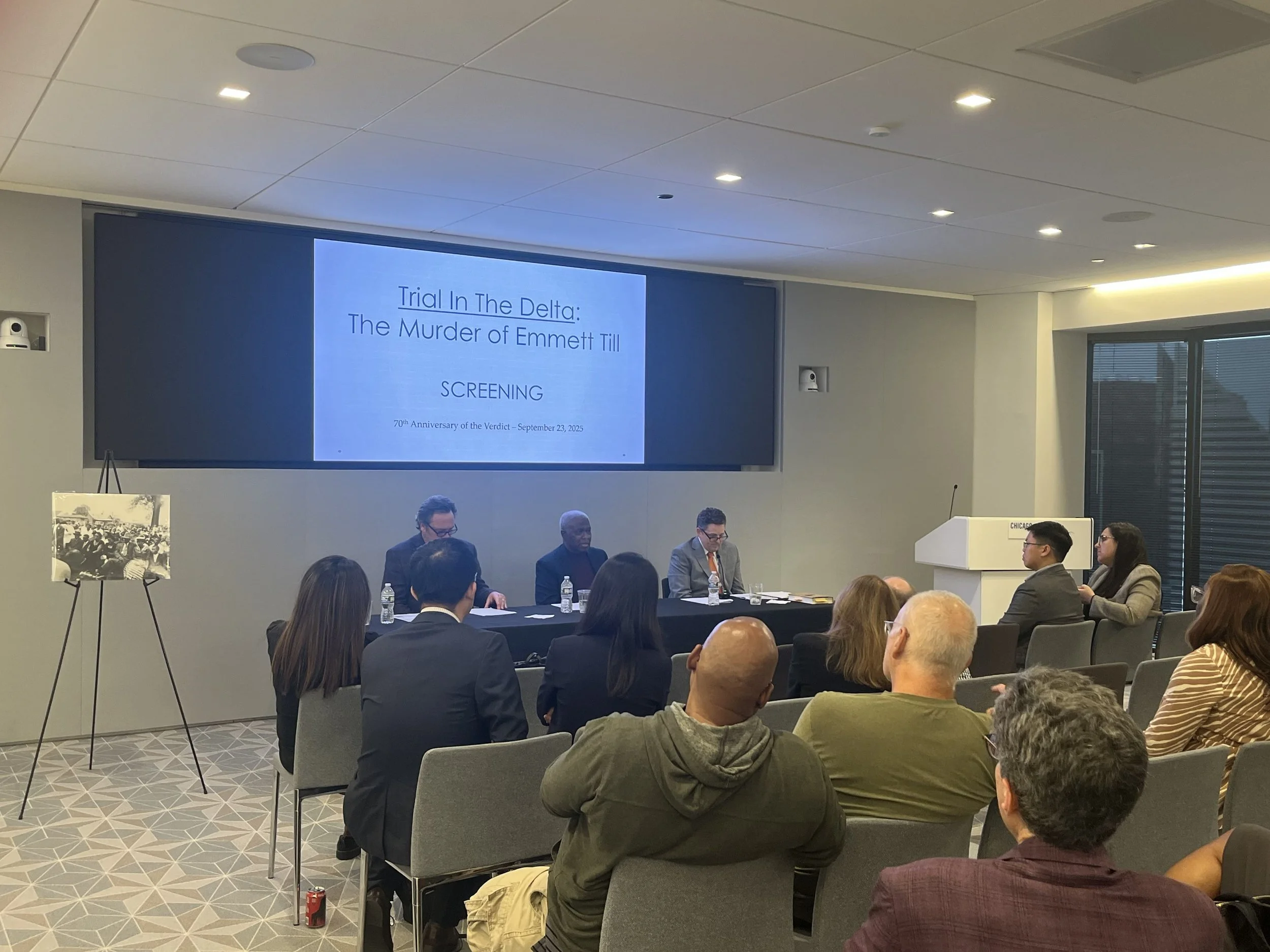
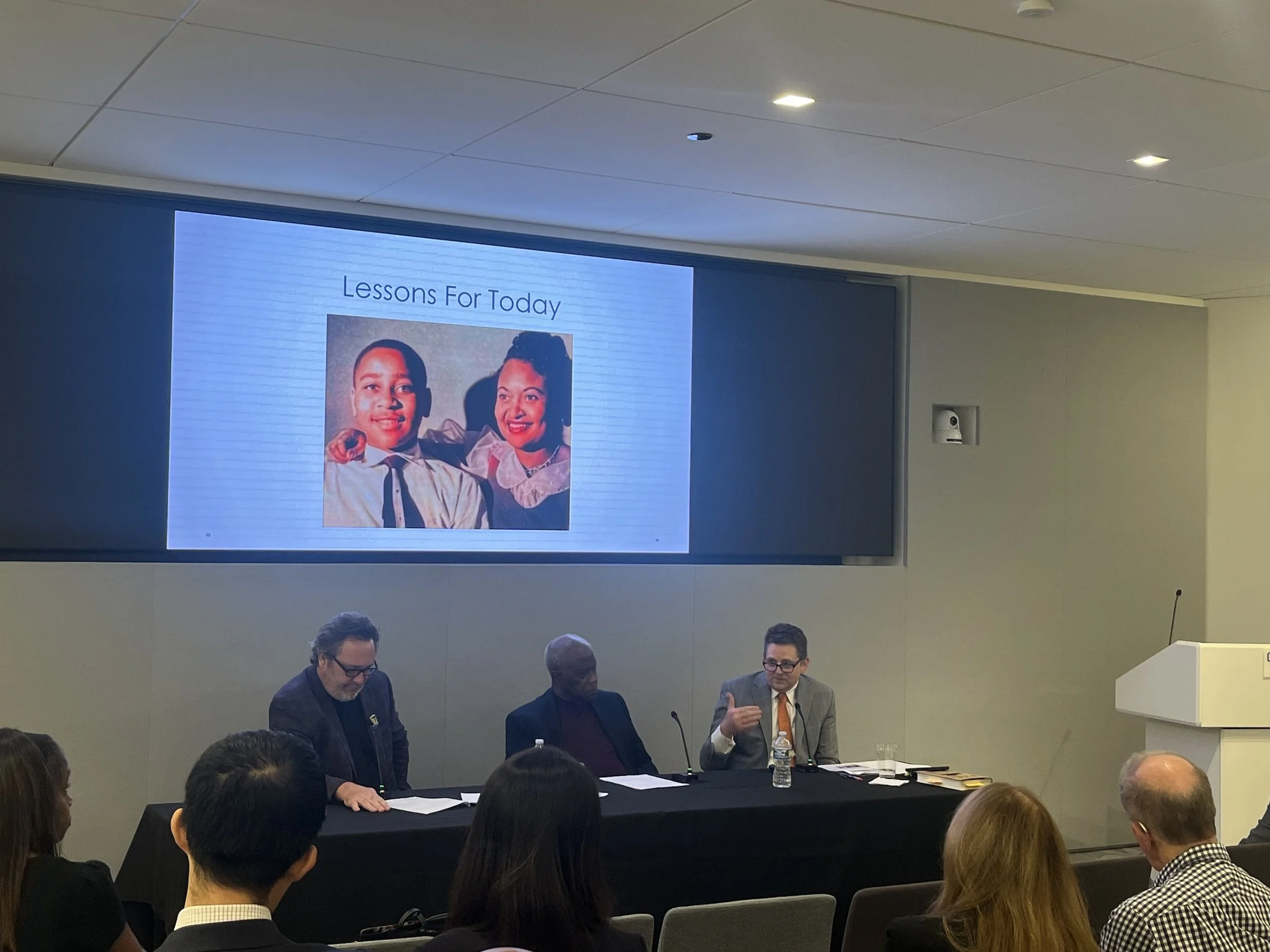
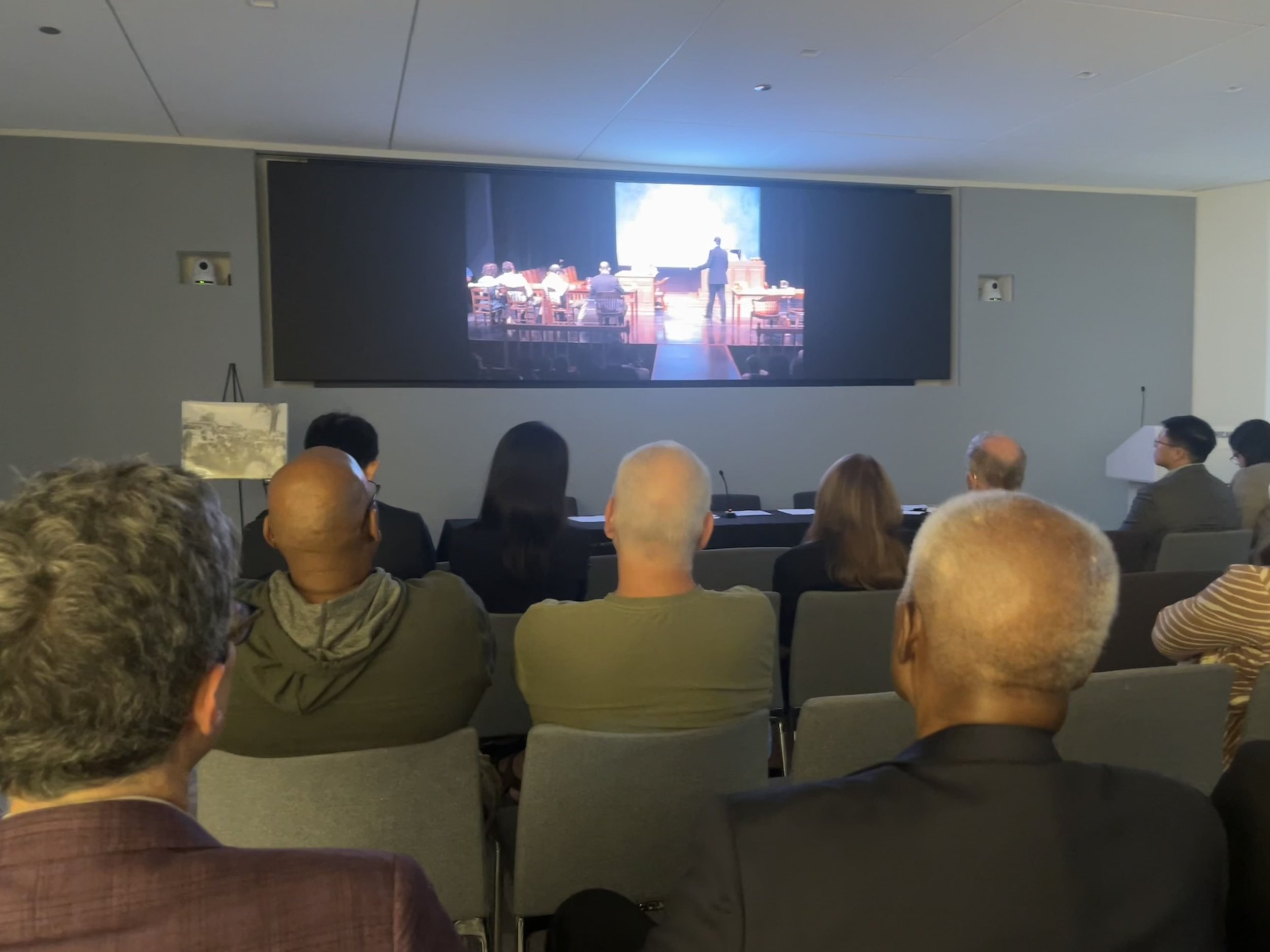
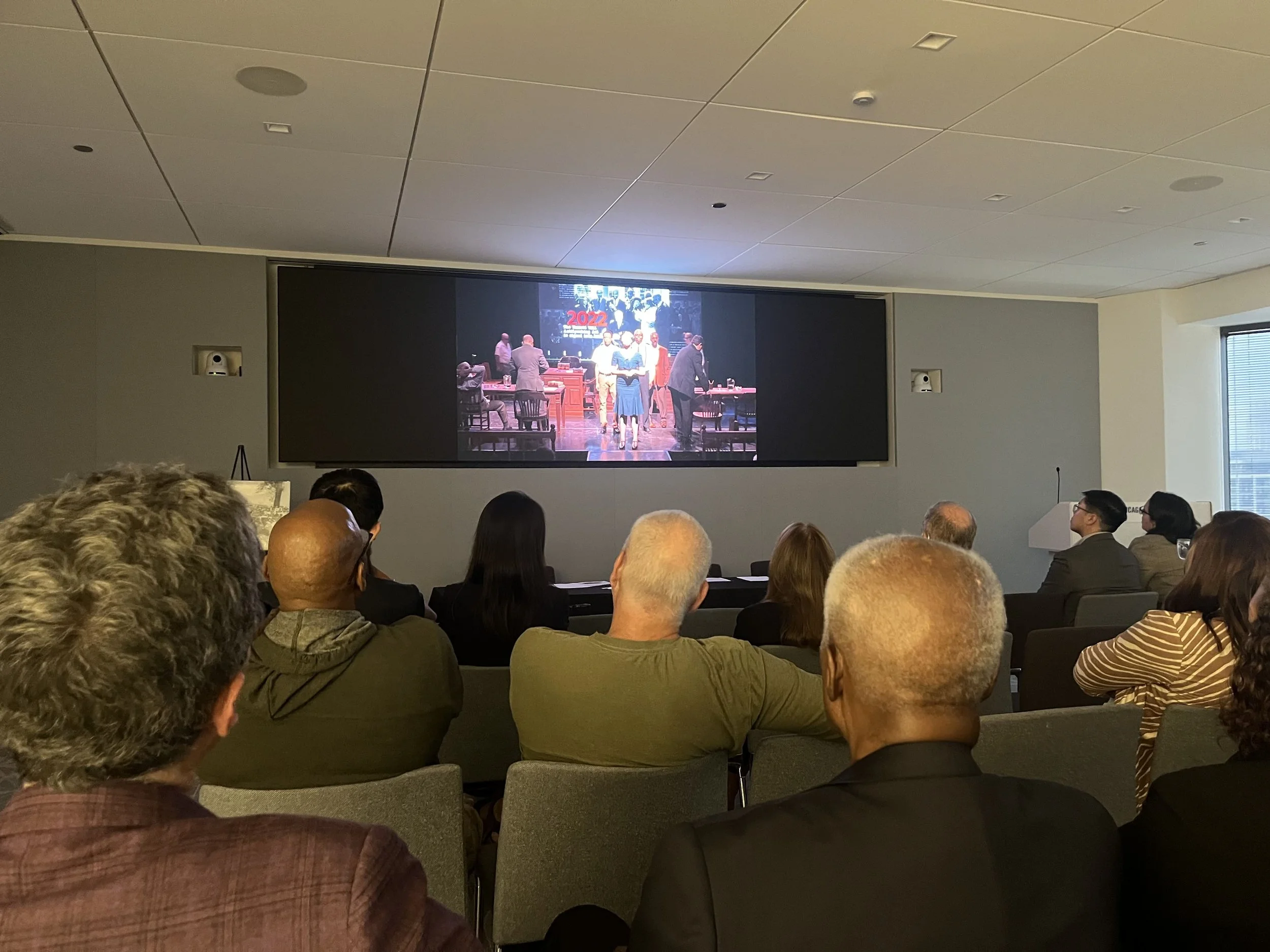
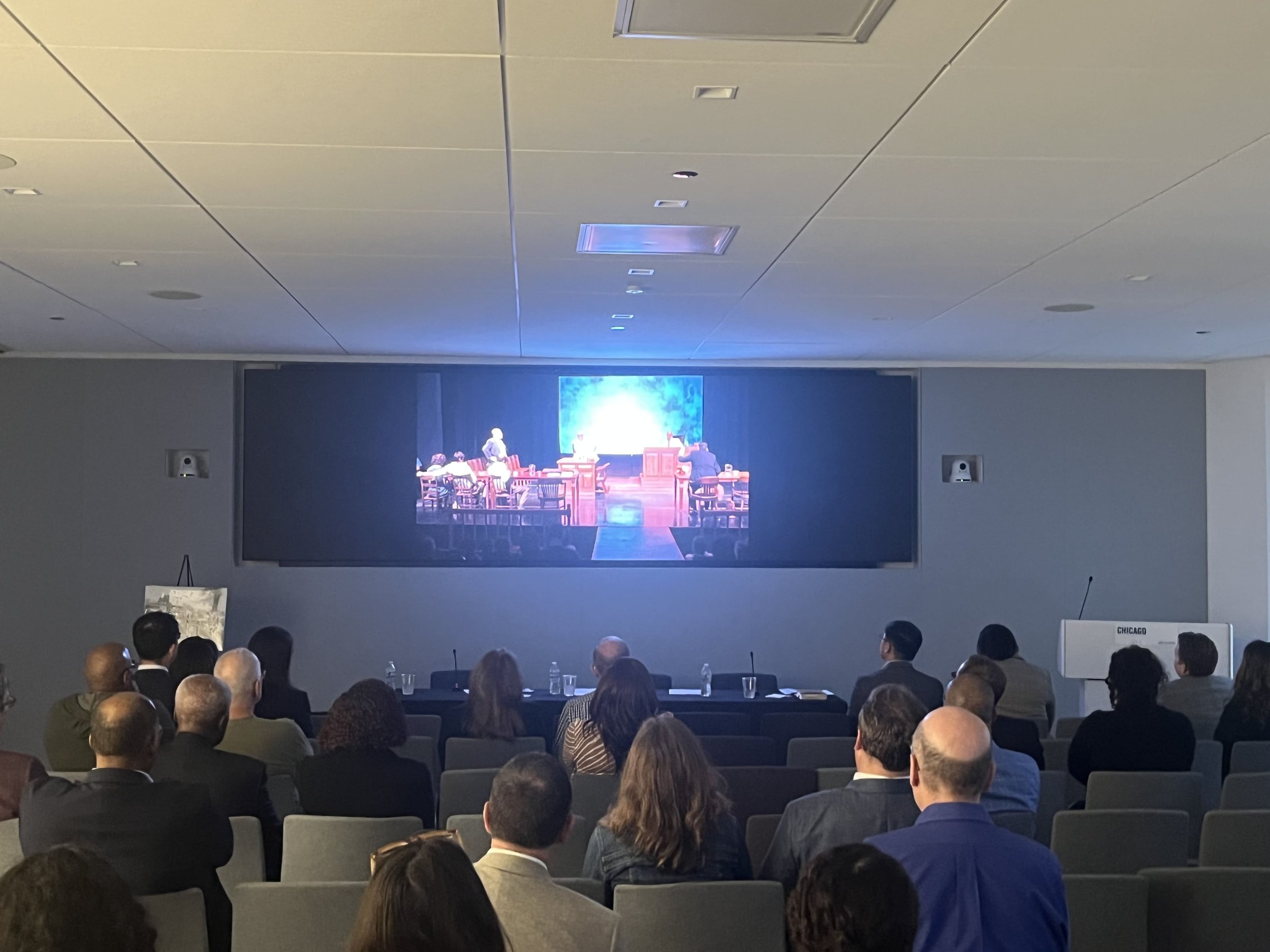
A Conversation on Justice, Bias, and Empathy
After the screening, audience members participated in what Collaboraction calls a “crucial conversation.” The discussion invited participants to reflect on their emotional reactions, identify implicit biases, and explore actionable ways to build empathy within their communities and professions.
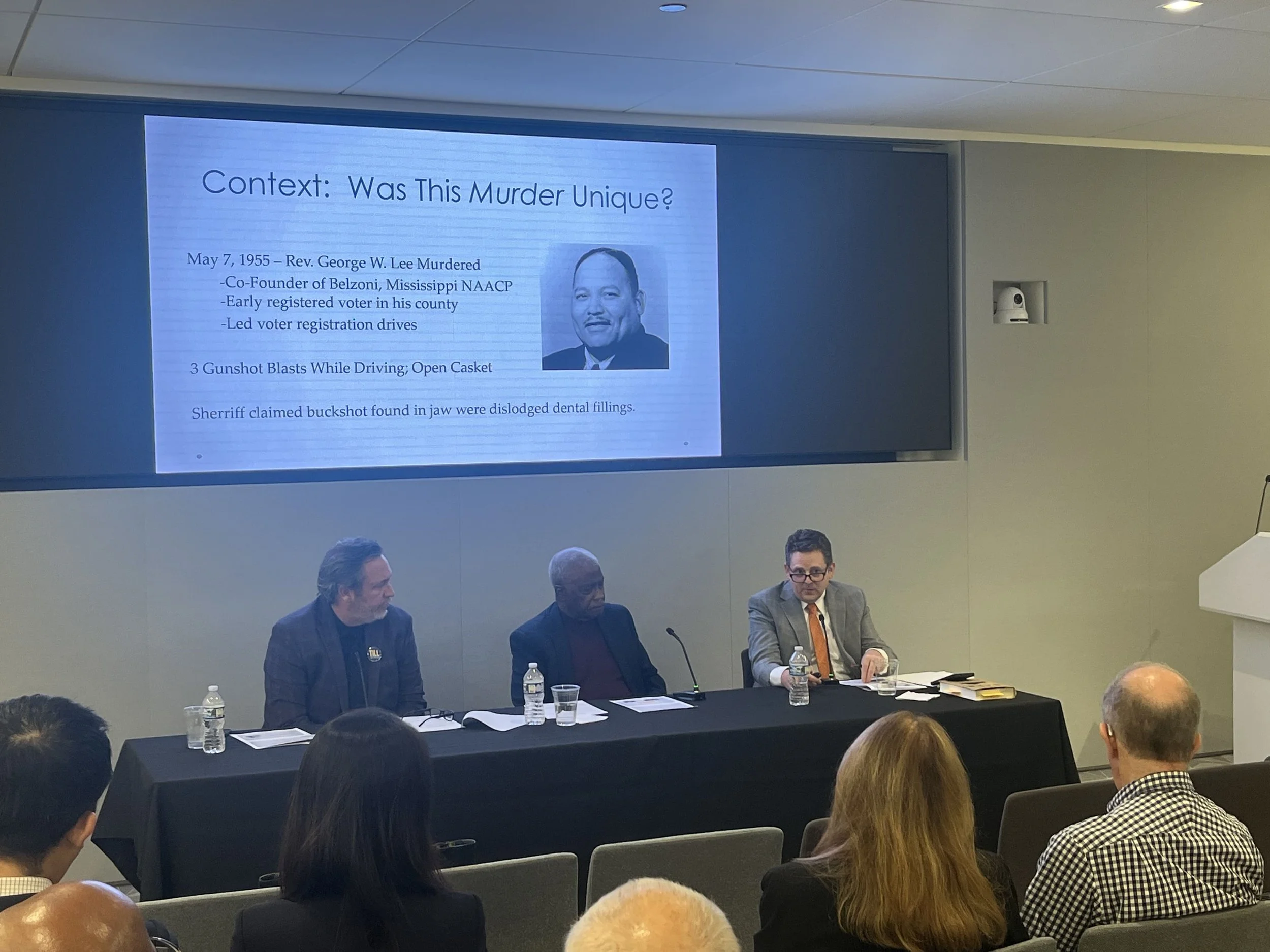
The conversation was moderated by J. Bryan Wood, an employment and civil rights attorney with The Kaplan Law Firm, PLLC. Wood provided historical and legal context for the 1955 proceedings, connecting the themes of Trial in the Delta to modern challenges in achieving equity within the justice system. He also outlined how bias can shape both advocacy and adjudication, encouraging attendees to recognize and counteract its influence in legal practice.
Hon. Arlander Keys Shared a Personal Lens on History
The highlight of the afternoon was a profoundly personal reflection by Hon. Arlander Keys (Ret.), a former U.S. Magistrate Judge and Mississippi native. Judge Keys, who now serves as a mediator with JAMS, shared a first-hand account of life in the Mississippi Delta during the era of Emmett Till’s murder.
Growing up in Belzoni, Mississippi, Judge Keys was about the same age as Till in 1955. He recalled the pervasive fear and discrimination that defined life for Black families in the segregated South—and the lasting community trauma that followed Till’s murder. Judge Keys also reflected on the earlier killing of Rev. George W. Lee, a civil rights activist and co-founder of the local NAACP chapter, who was murdered for registering Black voters just months before Till’s death.
Judge Keys described how those tragedies shaped his own commitment to justice, education, and perseverance. His message emphasized that understanding bias—both overt and systemic—is essential for legal professionals seeking to uphold fairness and equality. He urged attendees to confront prejudice not just intellectually, but personally, through self-awareness and compassion.
Anthony Moseley Explored the Art of Truth-Telling
Anthony Moseley, Artistic Director of Collaboraction and co-creator of Trial in the Delta, offered an inside look at how the project came to life. His team uncovered the original court transcripts and used them to construct a production that would merge historical record with artistic expression. Moseley explained that Collaboraction’s mission is to utilize theater as a medium for empathy, dialogue, and social transformation—especially when addressing racial injustice and historical truths.
He spoke about the film’s impact since its debut, noting how audiences of all backgrounds have responded with a renewed commitment to understanding America’s racial history. Moseley also highlighted ongoing collaborations with the Emmett Till & Mamie Till-Mobley Institute, which works to preserve accurate information about Till’s life and legacy.
Moseley concluded by encouraging attorneys and judges to consider storytelling—not as performance, but as a bridge between legal advocacy and human understanding. Trial in the Delta, he said, is a reminder that law and empathy need not be at odds.
The Enduring Relevance of Trial in the Delta
Seventy years after Emmett Till’s murder and the acquittal of his killers, Trial in the Delta continues to provoke reflection and inspire dialogue about fairness, courage, and the ongoing pursuit of justice. The 2025 Federal Bar Association Chicago Chapter event honored the legacy of those who fought for truth in the face of violence and prejudice while reminding today’s legal professionals that empathy remains a powerful tool in advancing equality under the law.
As Judge Keys, Anthony Moseley, and J. Bryan Wood each emphasized in their own way, the lessons of 1955 remain relevant in 2025. Trial in the Delta is more than a historical reenactment—it is a mirror, asking modern lawyers, judges, and citizens to confront how far we have come and how far we still have to go. For further legal networking and CLE opportunities like this one, explore the Federal Bar Association Chicago Chapter’s upcoming events!