Wen Ho Lee Case Revisited at 25th Anniversary Legal Program
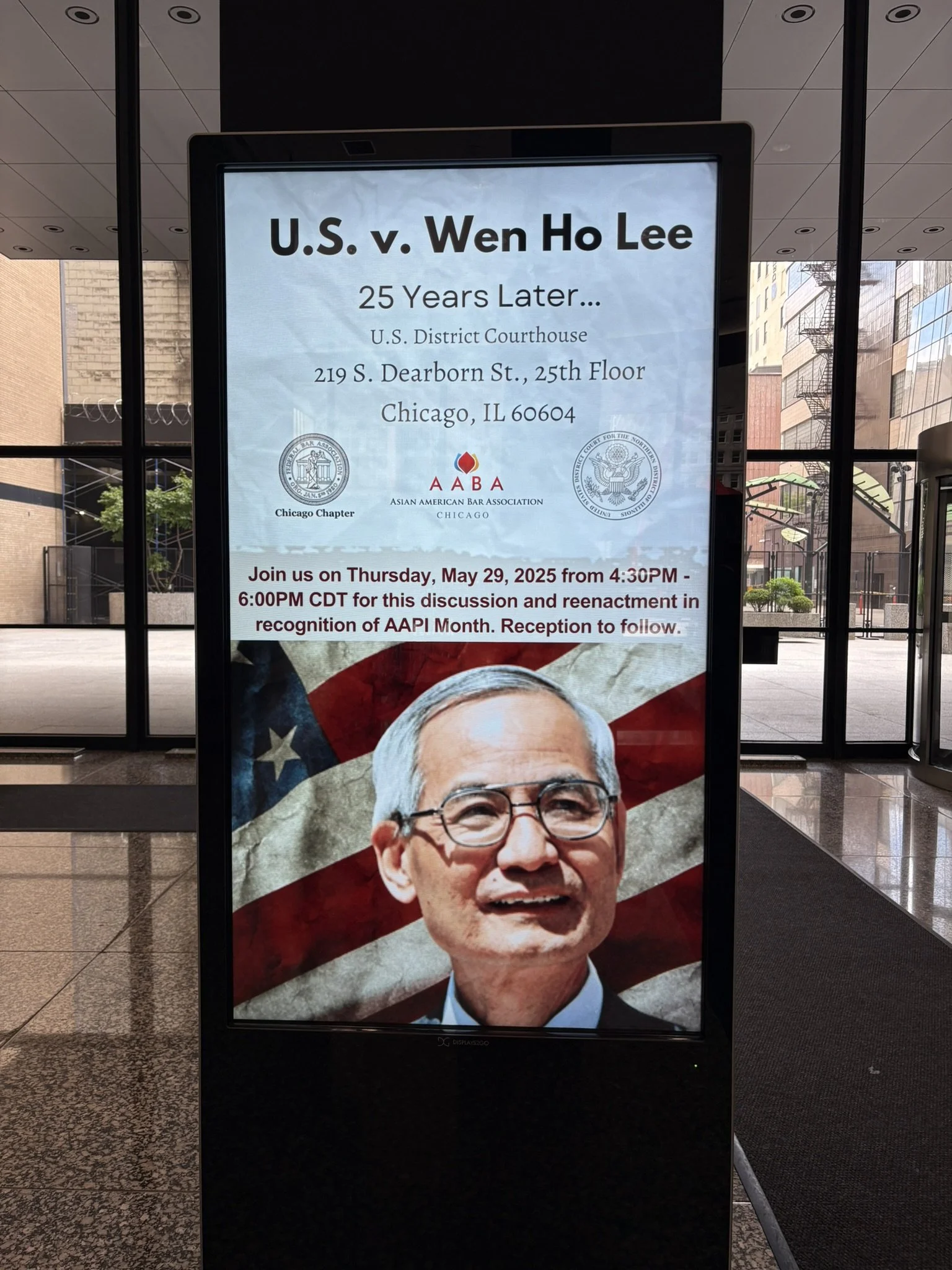
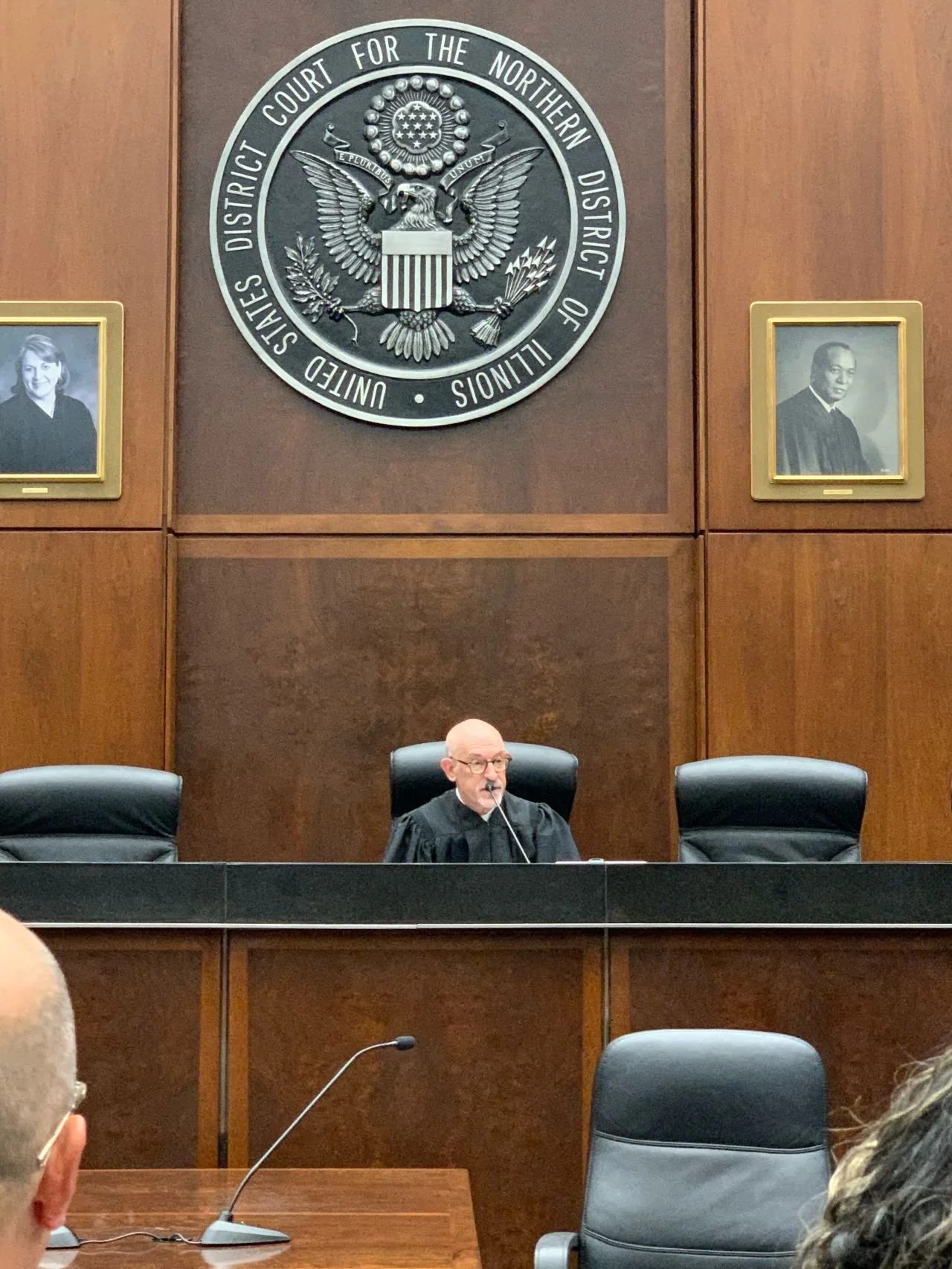
On May 29, 2025, the Federal Bar Association Chicago Chapter partnered with the United States District Court for the Northern District of Illinois and the Asian American Bar Association of Greater Chicago (AABA Chicago) to present United States v. Wen Ho Lee – 25 Years Later. Held on the 25th floor of the Dirksen U.S. Courthouse, the program marked the culmination of Asian Pacific American Heritage Month. It brought together judges, attorneys, and legal scholars for a thought-provoking exploration of a landmark federal case.
The program revisited the prosecution of Wen Ho Lee, a Taiwanese-American nuclear physicist employed at Los Alamos National Laboratory, who was accused in 1999 of mishandling classified information and suspected of sharing nuclear secrets with the Chinese government. What began as a high-profile national security case evolved into a cautionary tale of investigative missteps, flawed assumptions, and prosecutorial overreach. Dr. Lee spent nine months in solitary confinement before ultimately pleading guilty to a single count and receiving a sentence of time served.
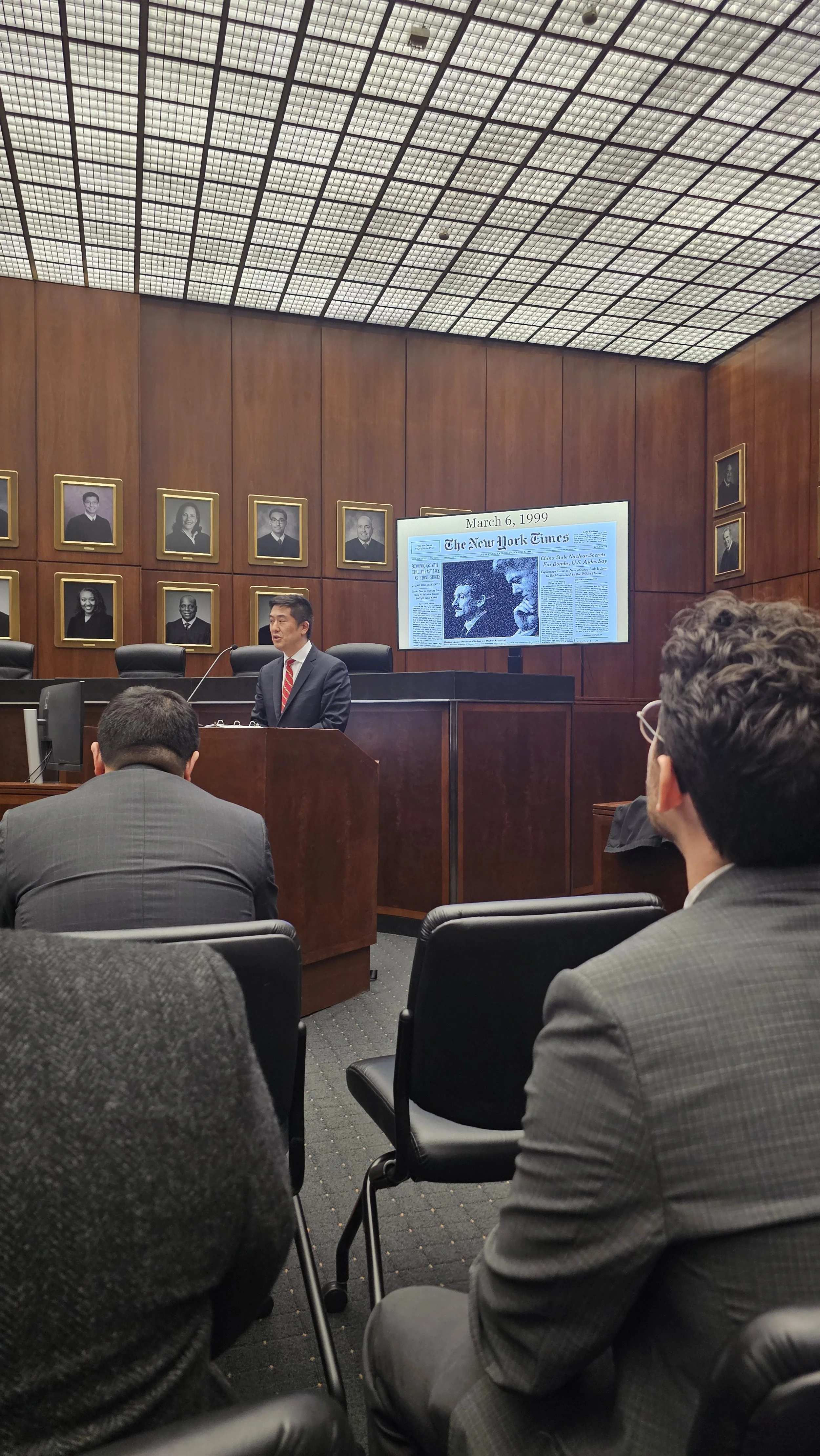
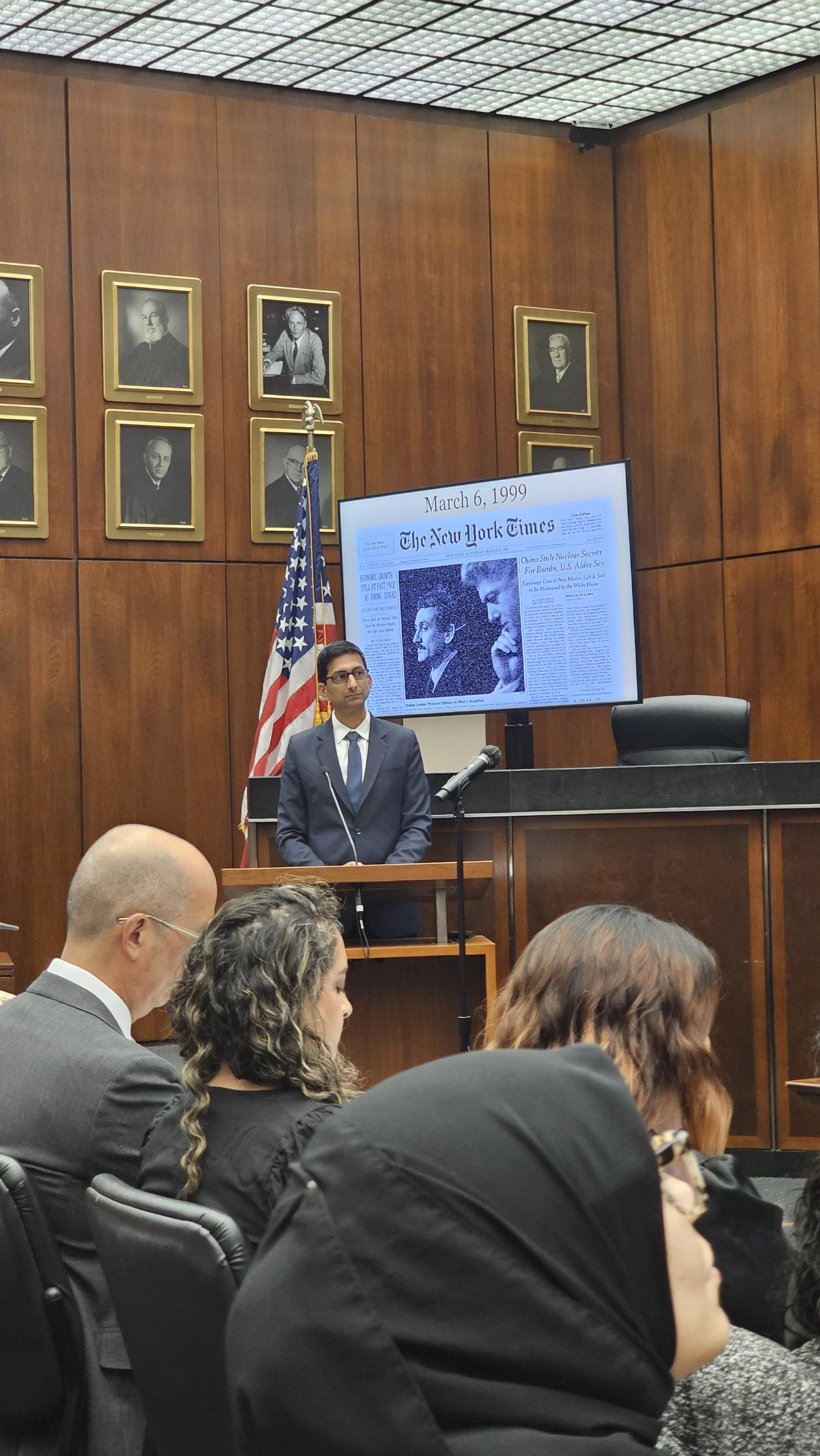
Through a reenactment of key moments in the investigation and litigation, based on actual court records, filings, and government reports, the program provided a rare opportunity to reflect on how the legal system functions when national security concerns intersect with constitutional rights. Attendees were encouraged to consider the broader implications for due process, prosecutorial discretion, selective prosecution claims, and the judiciary’s role in overseeing sensitive criminal proceedings. As the case’s 25th anniversary draws renewed attention, it remains a compelling reminder of the legal profession’s responsibility to uphold fairness and accountability, even in the most complex and politically charged contexts.
A Legal Narrative Reenacted from the Record
The core of the event was a live reenactment of the Wen Ho Lee case, meticulously scripted by Stephen Chahn Lee, a former Assistant U.S. Attorney and current solo practitioner, and Vikas K. Didwania, an Assistant U.S. Attorney and former Senior Policy Advisor for Criminal Justice at the White House. Drawing from original court filings, transcripts, Department of Justice investigative materials, and congressional reports—including the Bellows Report and the 2001 Senate Subcommittee’s findings—the script traced the arc of the case from the initial intelligence concerns in the mid-1990s through Dr. Lee’s indictment, pretrial detention, plea agreement, and eventual release.
The reenactment emphasized the investigative and procedural failures that ultimately undermined the government’s case. These included the FBI’s premature narrowing of suspects and overreliance on securing a FISA warrant at the expense of conventional fact-gathering; misinterpretation of polygraph results; and a media leak that nearly identified Dr. Lee by name before any charges were filed. The prosecution’s decision to pursue detention under extreme conditions, including prolonged solitary confinement, was also featured, culminating in a judicial rebuke and public apology. The presiding judge’s remarks at sentencing, in which he expressed regret for relying on inaccurate information from the Executive Branch, underscored the systemic breakdowns that had occurred.
The performance featured members of the legal community in key roles. Michael Kim portrayed Dr. Lee with nuance and restraint, while Edward Feldman delivered a compelling performance as Judge James Parker. Peter McNamara’s depiction of FBI Director Louis Freeh offered a credible window into the national security mindset of the era. Together, the cast delivered a dramatization that brought both legal detail and human impact to the forefront, engaging attendees with a case that remains deeply instructive decades later.
Highlighting Selective Prosecution and Constitutional Protections
The program’s reenactment and accompanying materials brought renewed focus to several legal issues that remain critically important to today’s practitioners. Central among them was the defense’s argument of selective prosecution—a claim that Dr. Lee was targeted in part due to his race and ethnicity. Although such arguments are rarely successful, the presiding judge granted the defense’s motion for discovery, citing the Supreme Court’s landmark decision in Yick Wo v. Hopkins (1886), which established that facially neutral laws or decisions applied with discriminatory intent violate the Equal Protection Clause. This ruling in Dr. Lee’s case was a highly unusual development in federal criminal proceedings and underscored the seriousness of the defense’s claims.
Another significant turning point occurred when the defense demanded a bill of particulars, forcing the government to identify the specific foreign nation Dr. Lee was allegedly attempting to benefit. The resulting disclosure—that Dr. Lee had sent employment inquiries to multiple countries, not solely China—substantially weakened the prosecution’s theory of motive and intent. This challenge to the indictment’s specificity demonstrated how procedural motions can be used strategically to test the strength of government allegations.
In addition, the judge permitted the defense to introduce a limited amount of classified information at trial, an uncommon allowance in national security cases that placed additional pressure on the government to avoid further public disclosures. These combined legal setbacks prompted prosecutors to pursue a negotiated resolution.
Ultimately, Dr. Lee pleaded guilty to one count of mishandling classified information. He was sentenced to time served and released. The case has since become a focal point in legal discourse surrounding civil liberties, prosecutorial discretion, racial bias in federal investigations, and the role of the media in high-profile prosecutions.
A Thoughtful Examination of Justice and Process
United States v. Wen Ho Lee – 25 Years Later offered legal professionals a substantive and timely reexamination of one of the most consequential national security cases in recent history. Through a meticulously crafted reenactment based on original court documents and investigative reports, the program shed light on critical issues that remain highly relevant today: the risks of premature conclusions in complex investigations, the potential for racial bias in prosecutorial decision-making, and the tension between national security interests and individual constitutional protections.
By revisiting the procedural missteps that led to Dr. Lee’s prolonged solitary confinement and ultimately to a sharply reduced plea, the event underscored the judiciary’s vital role in safeguarding due process, even under intense political and public scrutiny. The reenactment served not only as a historical case study but also as a practical tool for understanding how legal strategy, prosecutorial discretion, and judicial oversight interact in high-stakes criminal matters.
Events like United States v. Wen Ho Lee – 25 Years Later reflect the Federal Bar Association Chicago Chapter’s commitment to fostering thoughtful dialogue, professional development, and engagement with pressing legal issues. Whether you’re a litigator, in-house counsel, government attorney, or law student, FBA Chicago offers meaningful opportunities to connect with peers, enhance your practice, and stay informed on developments in the federal courts.
To learn more about membership and get involved, explore the benefits offered by the FBA Chicago Chapter. As a member, you’ll have access to a full calendar of events, including CLE programs, judicial panels, networking receptions, and public interest discussions.
Event Photo Gallery
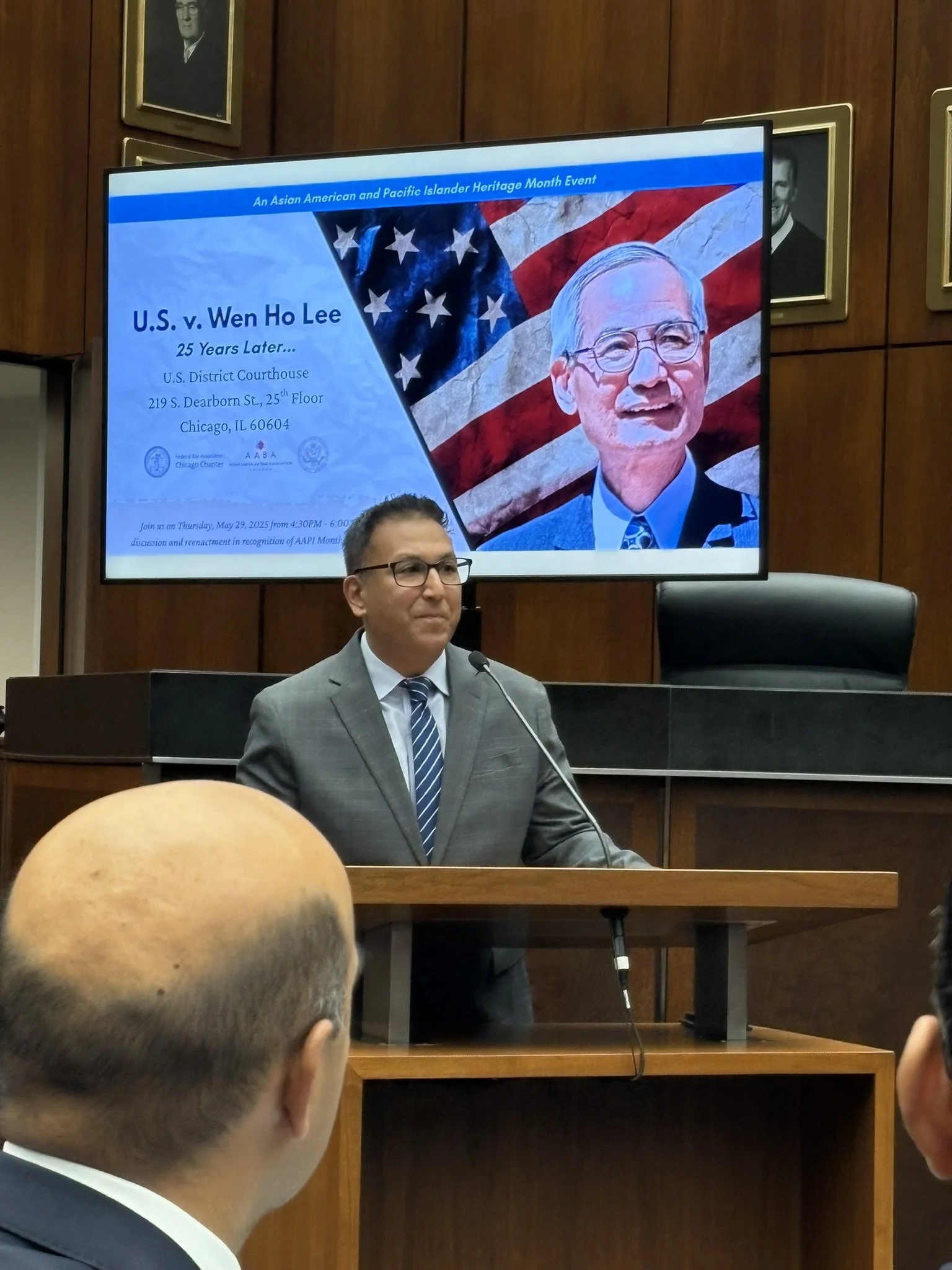
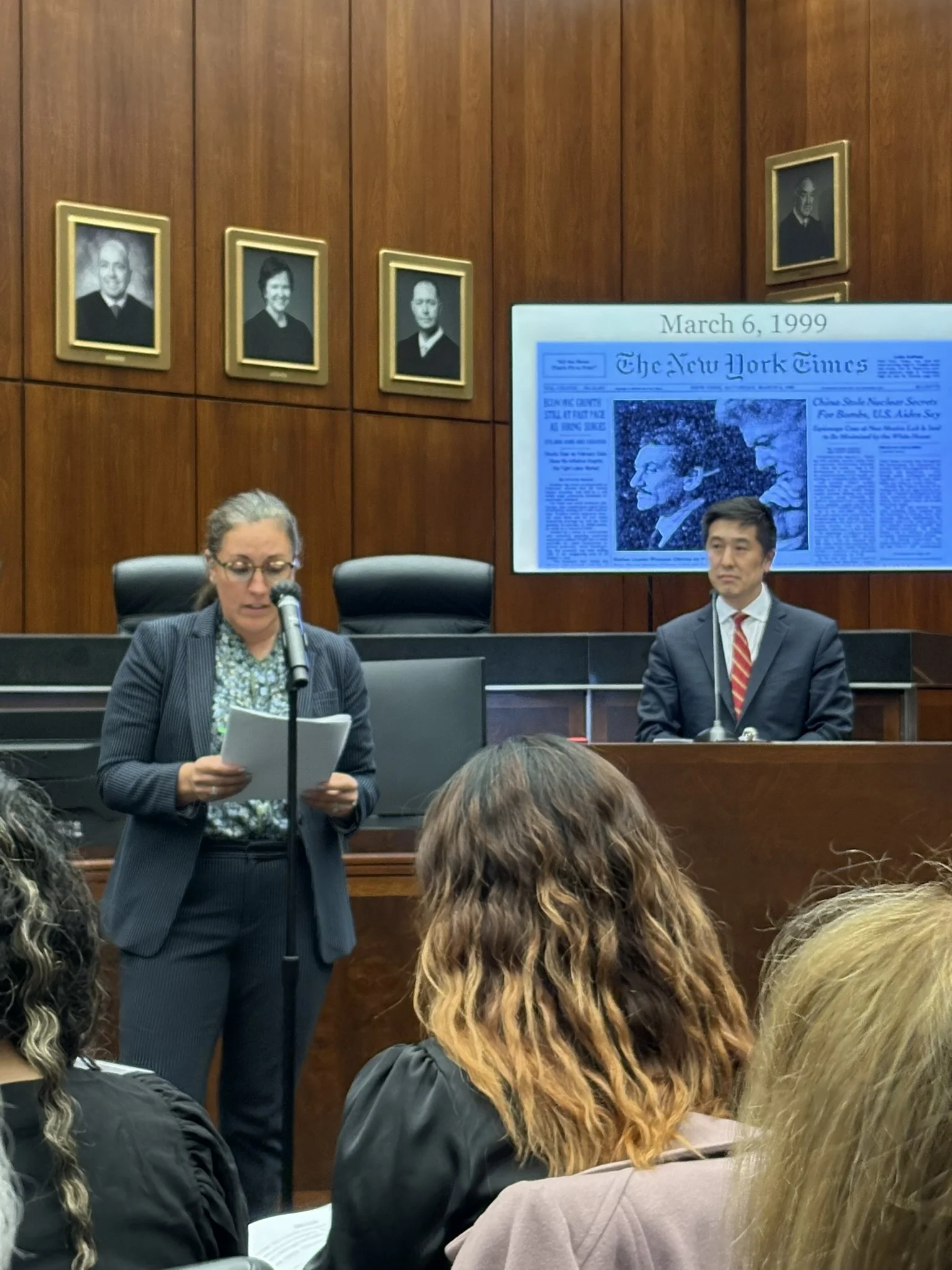
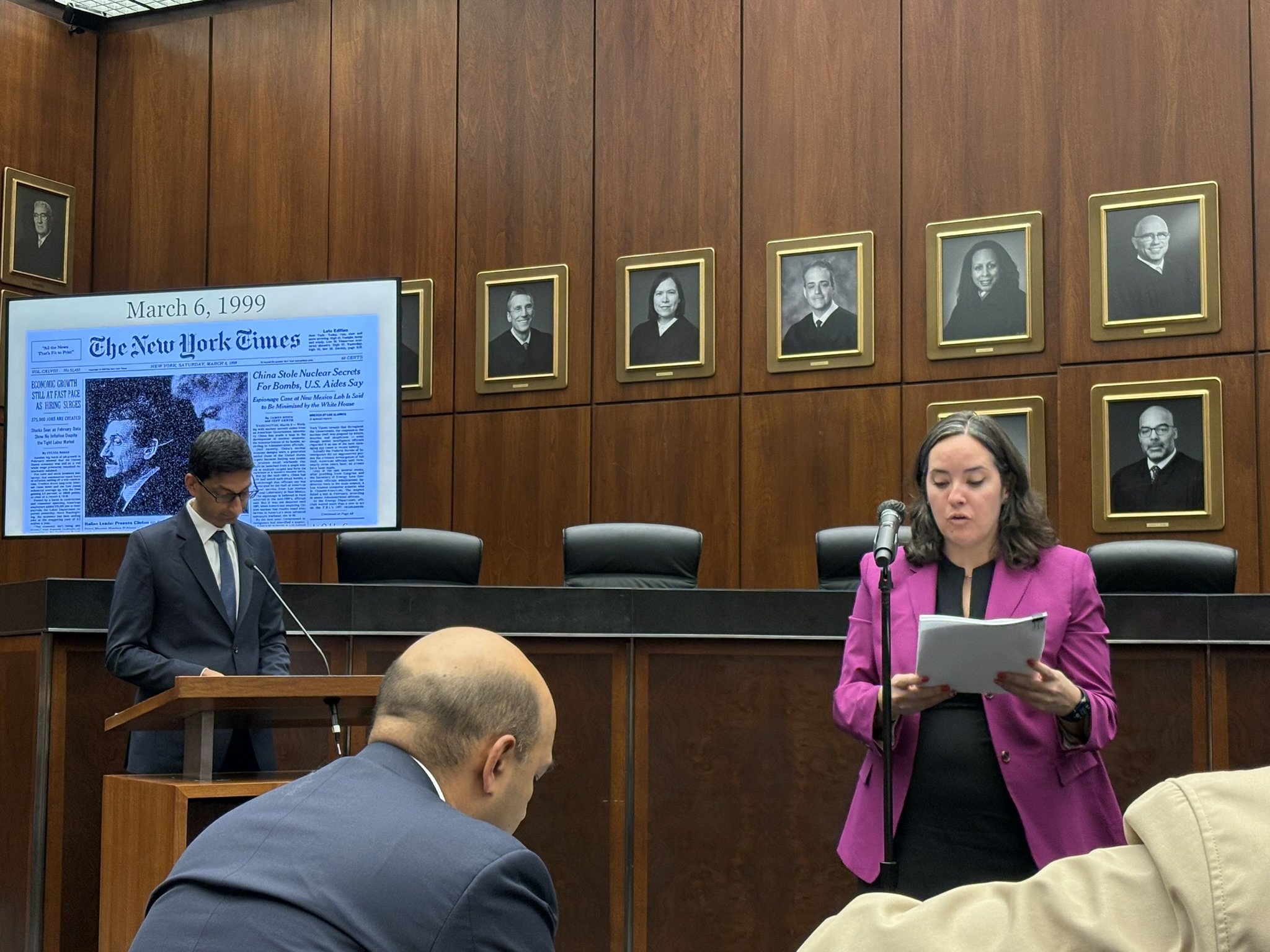
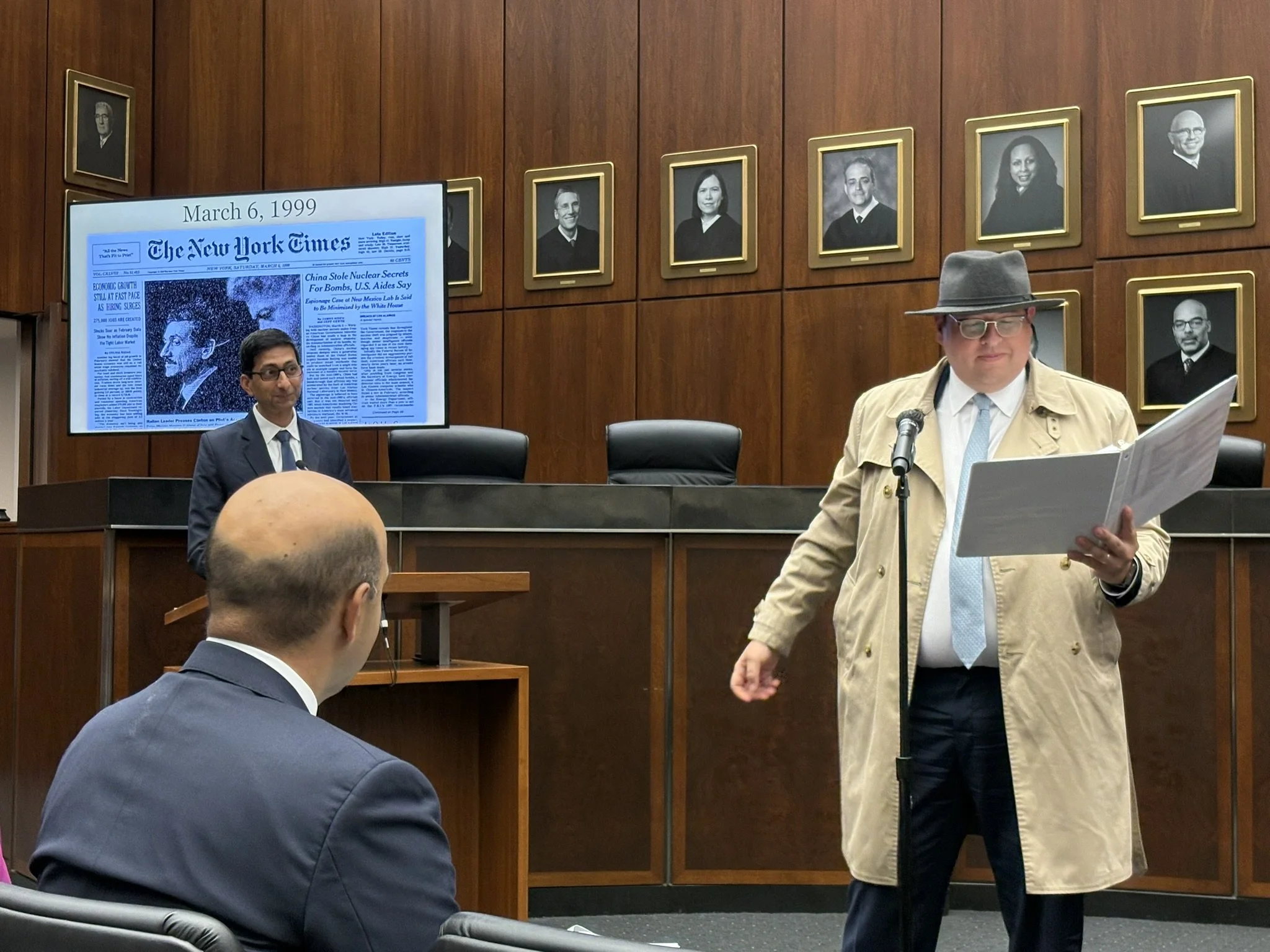
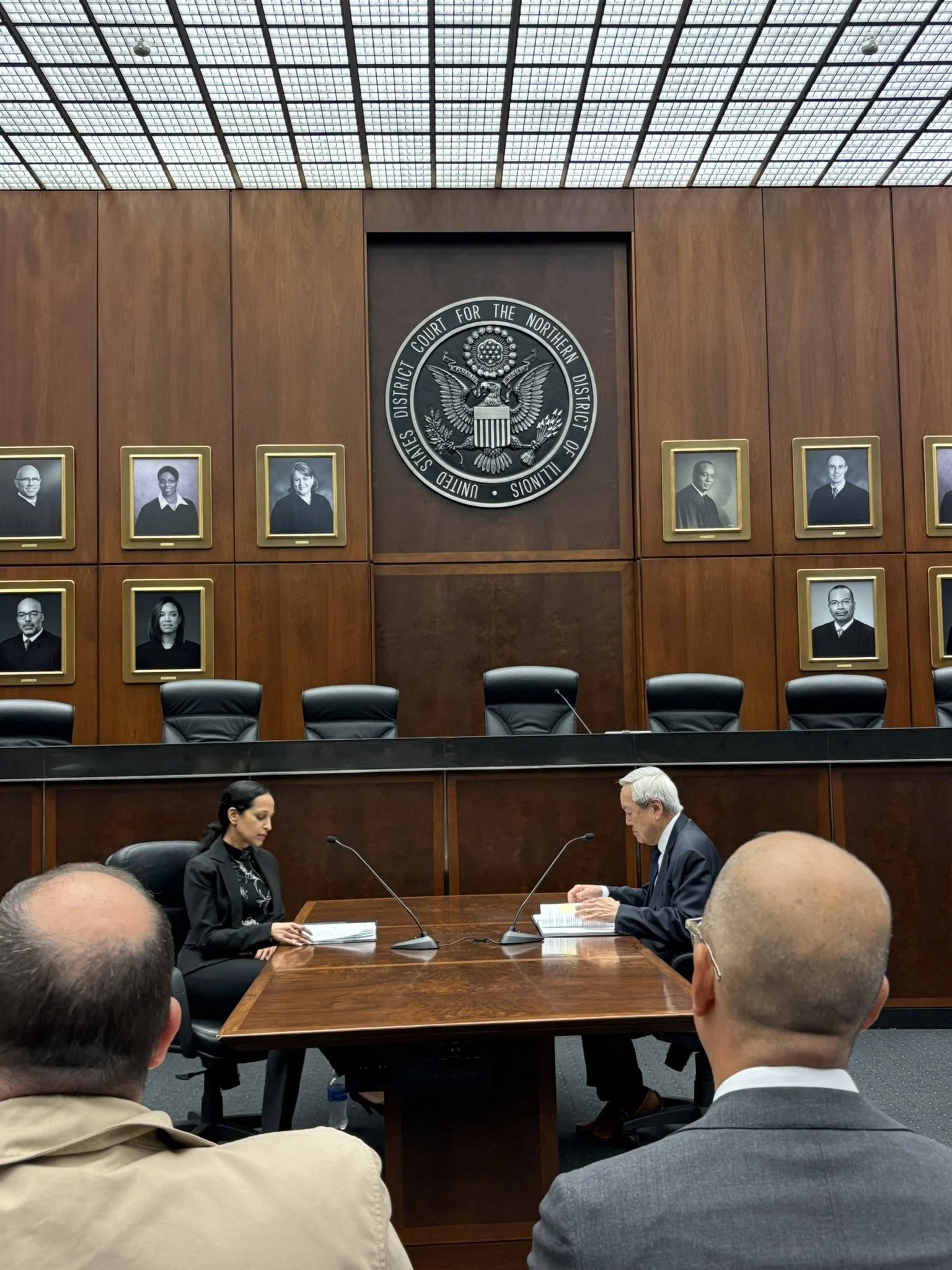
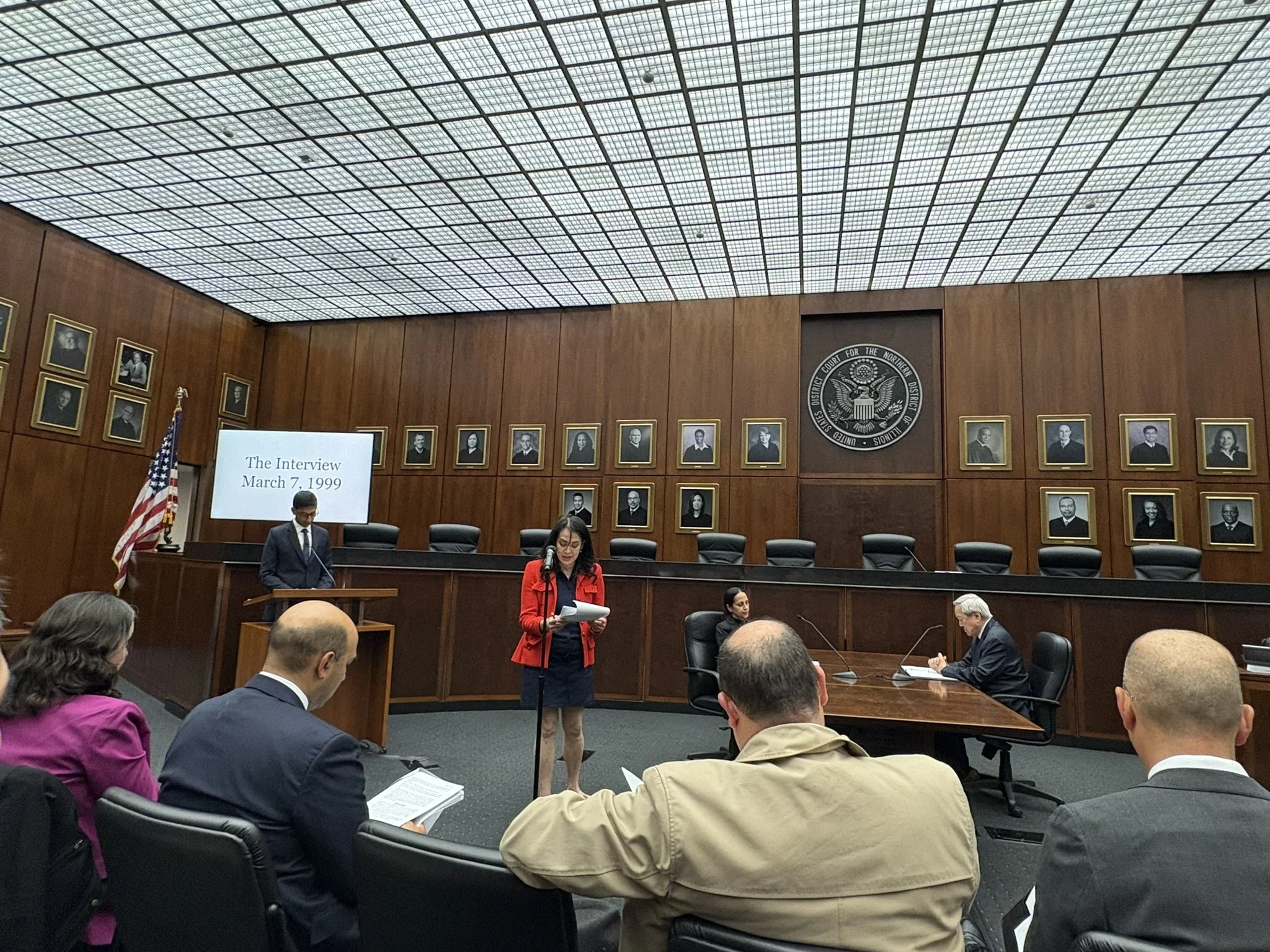
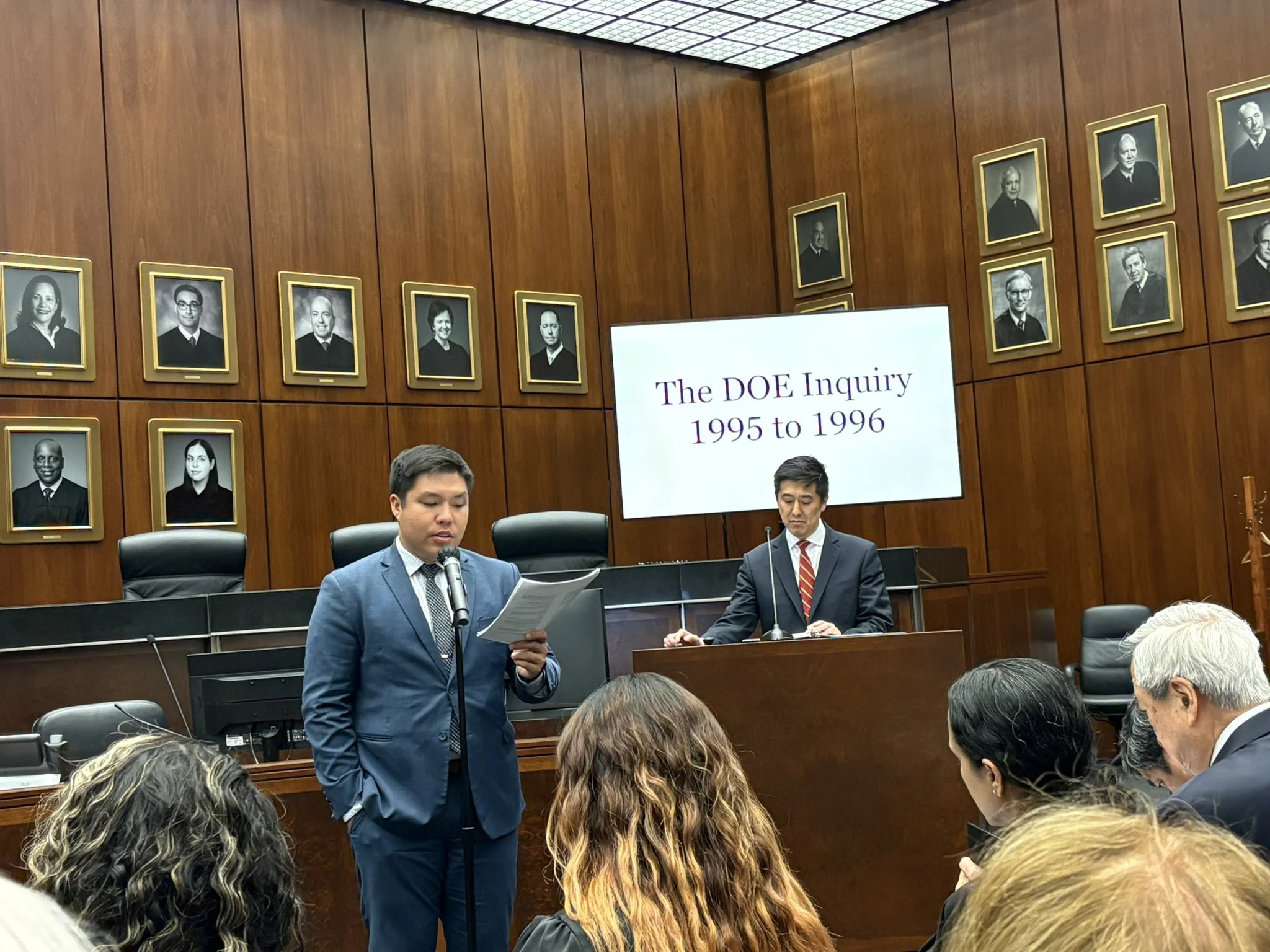
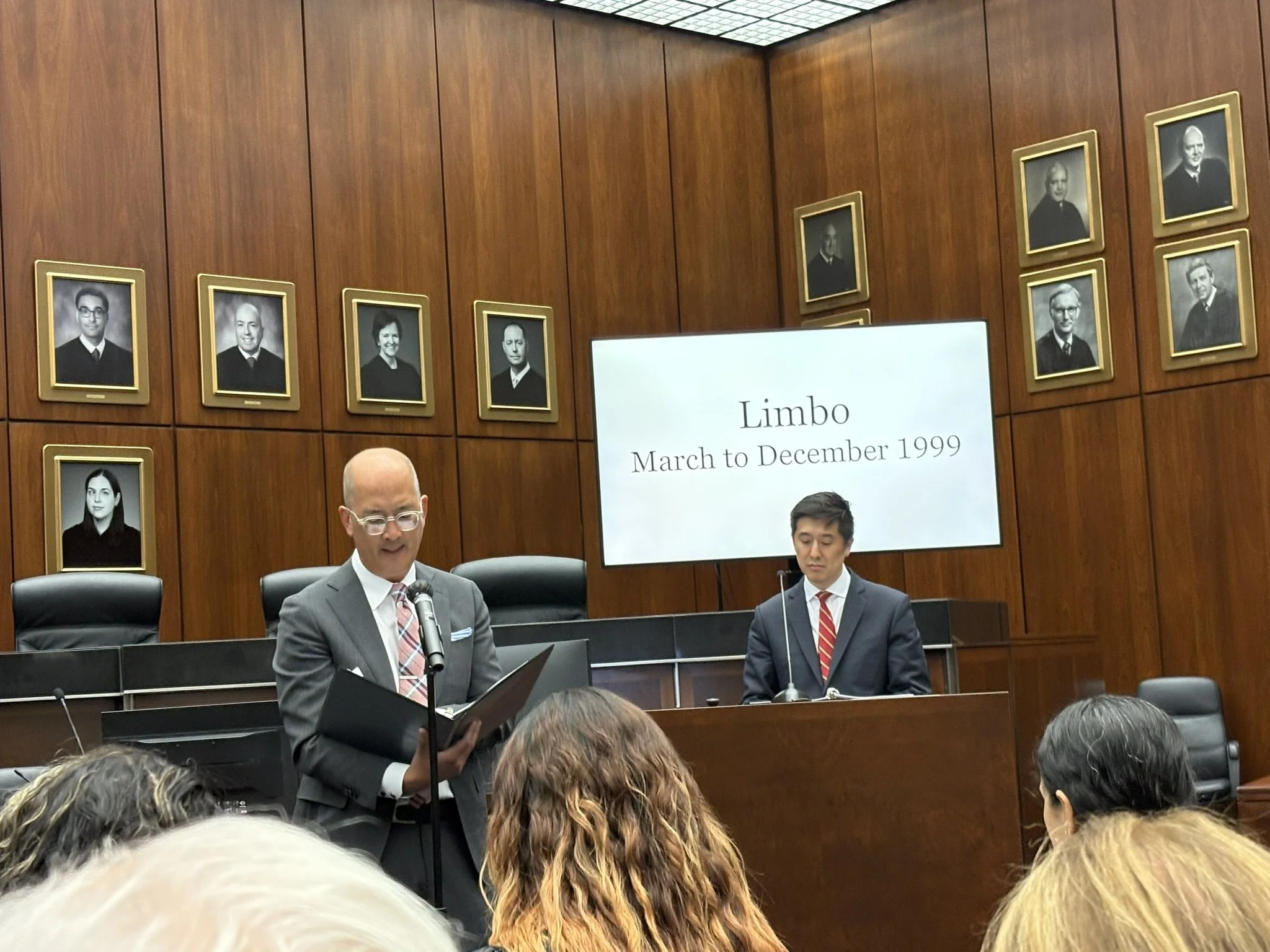
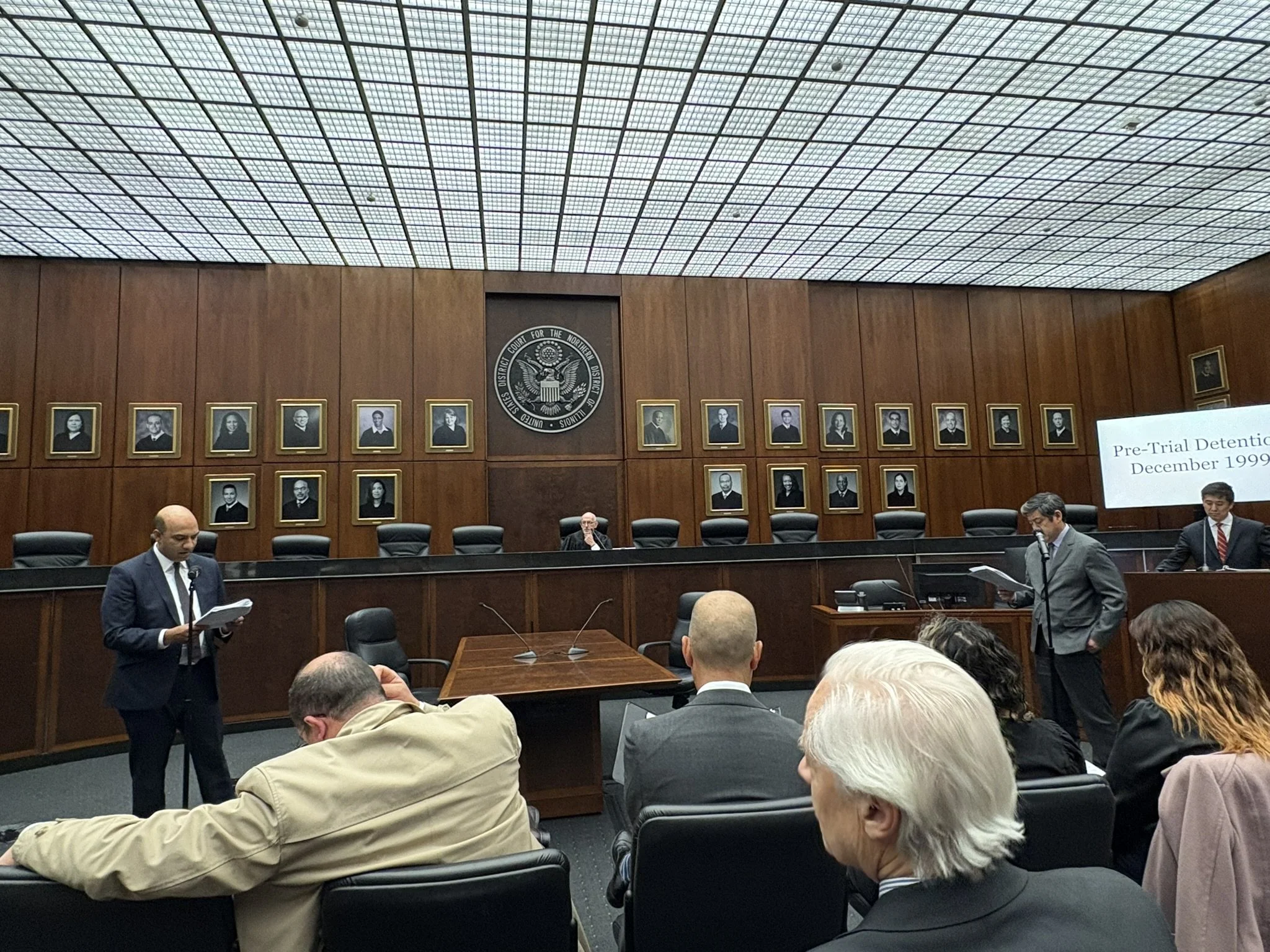
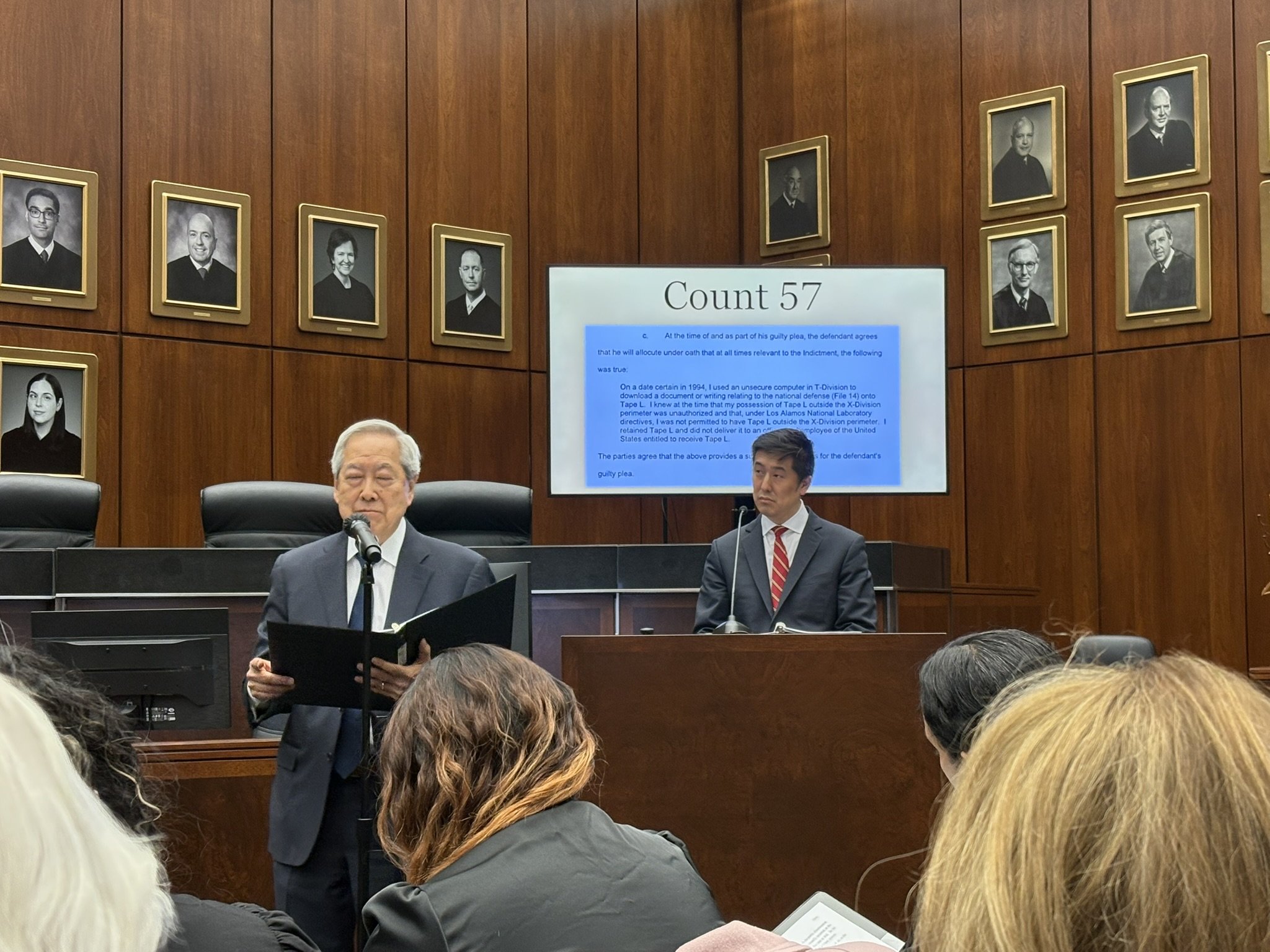
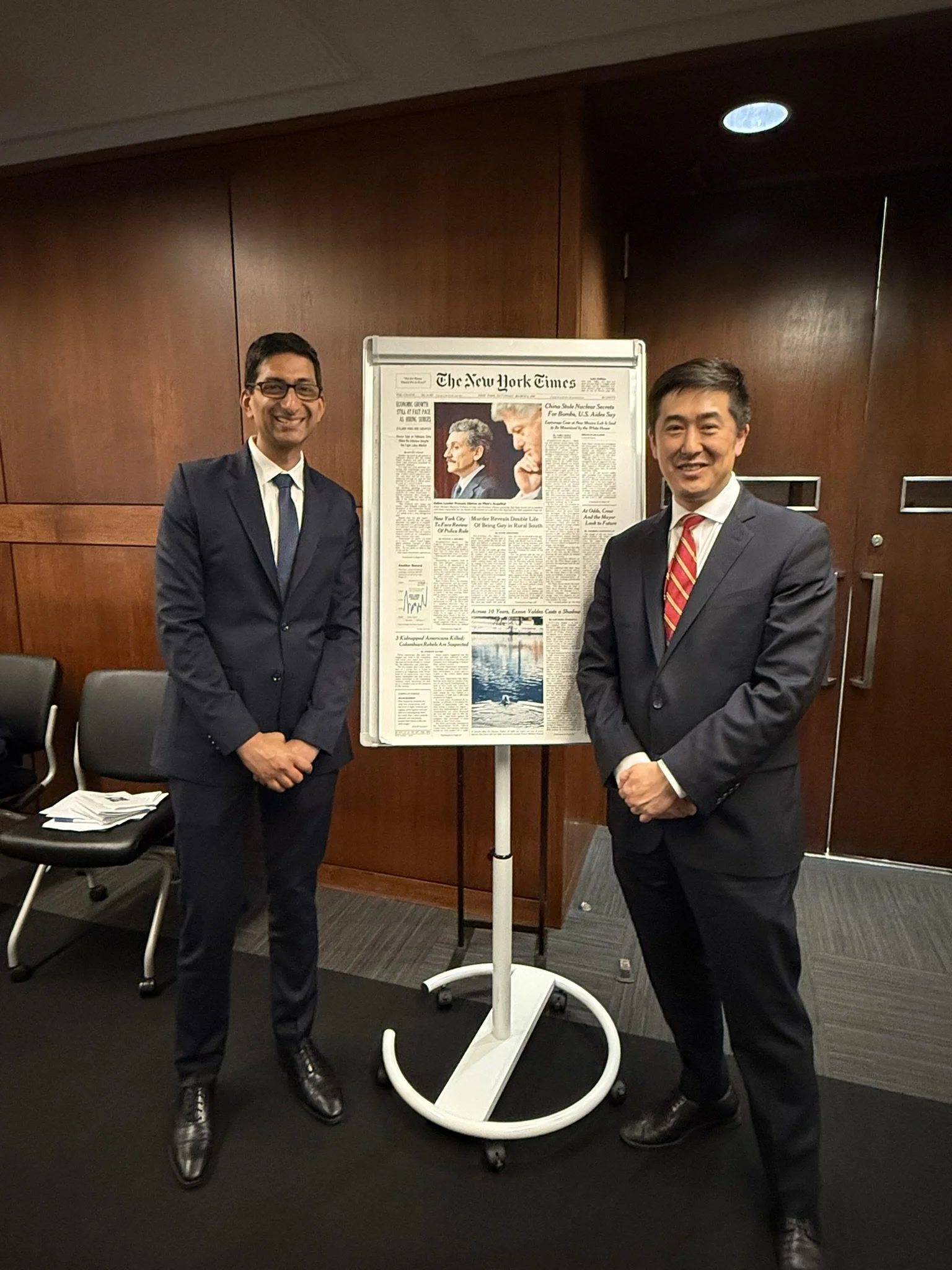
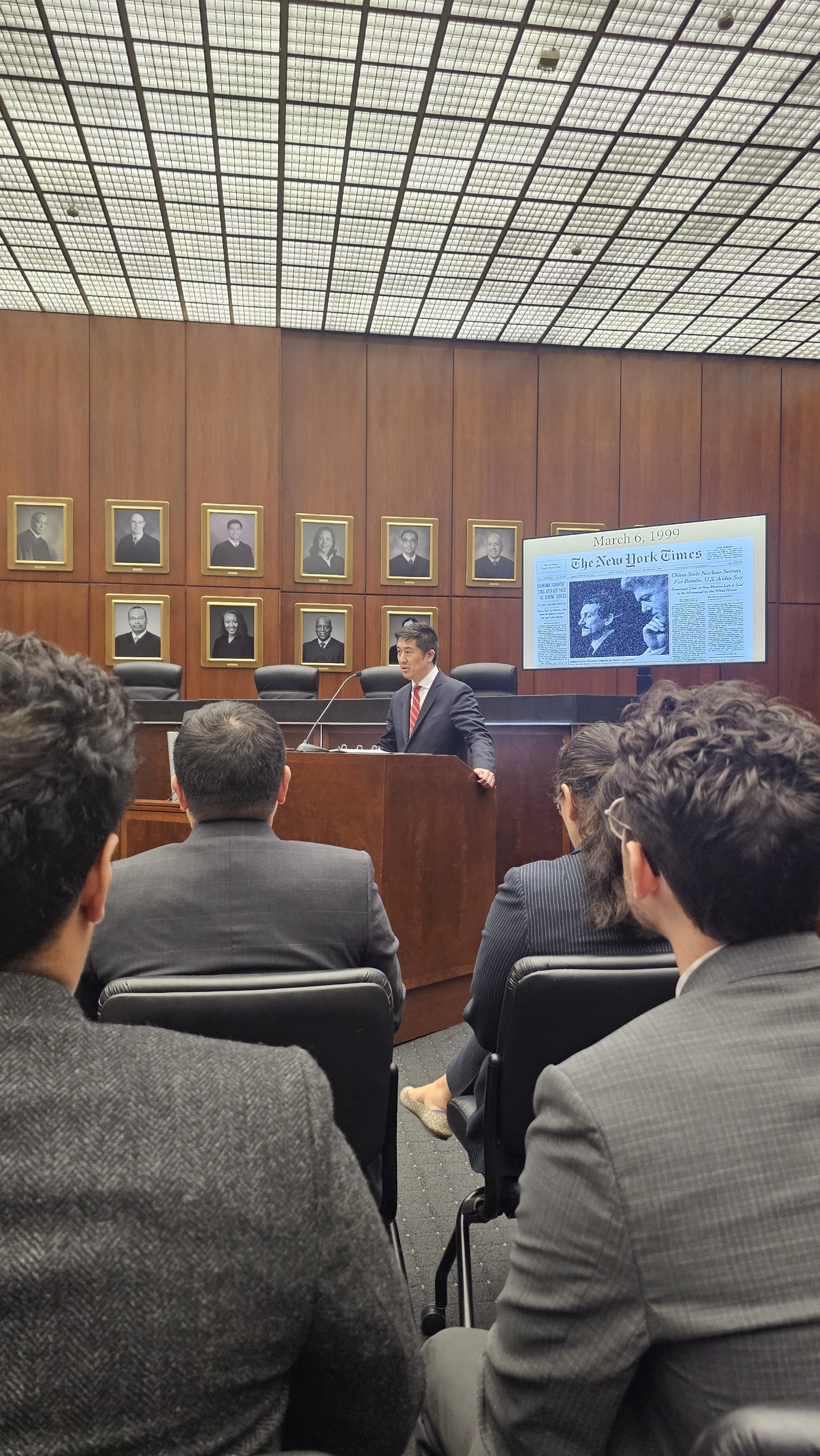
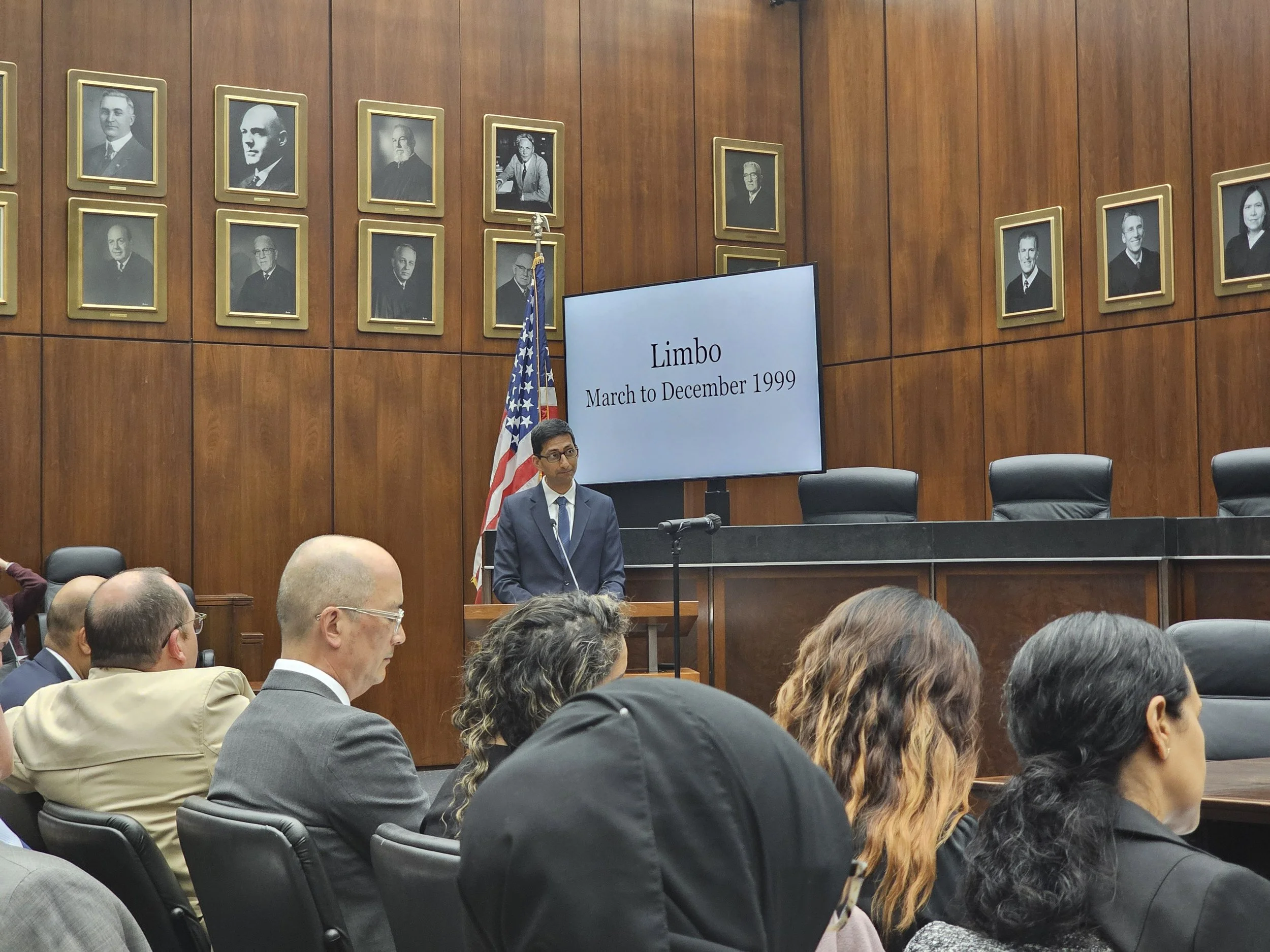
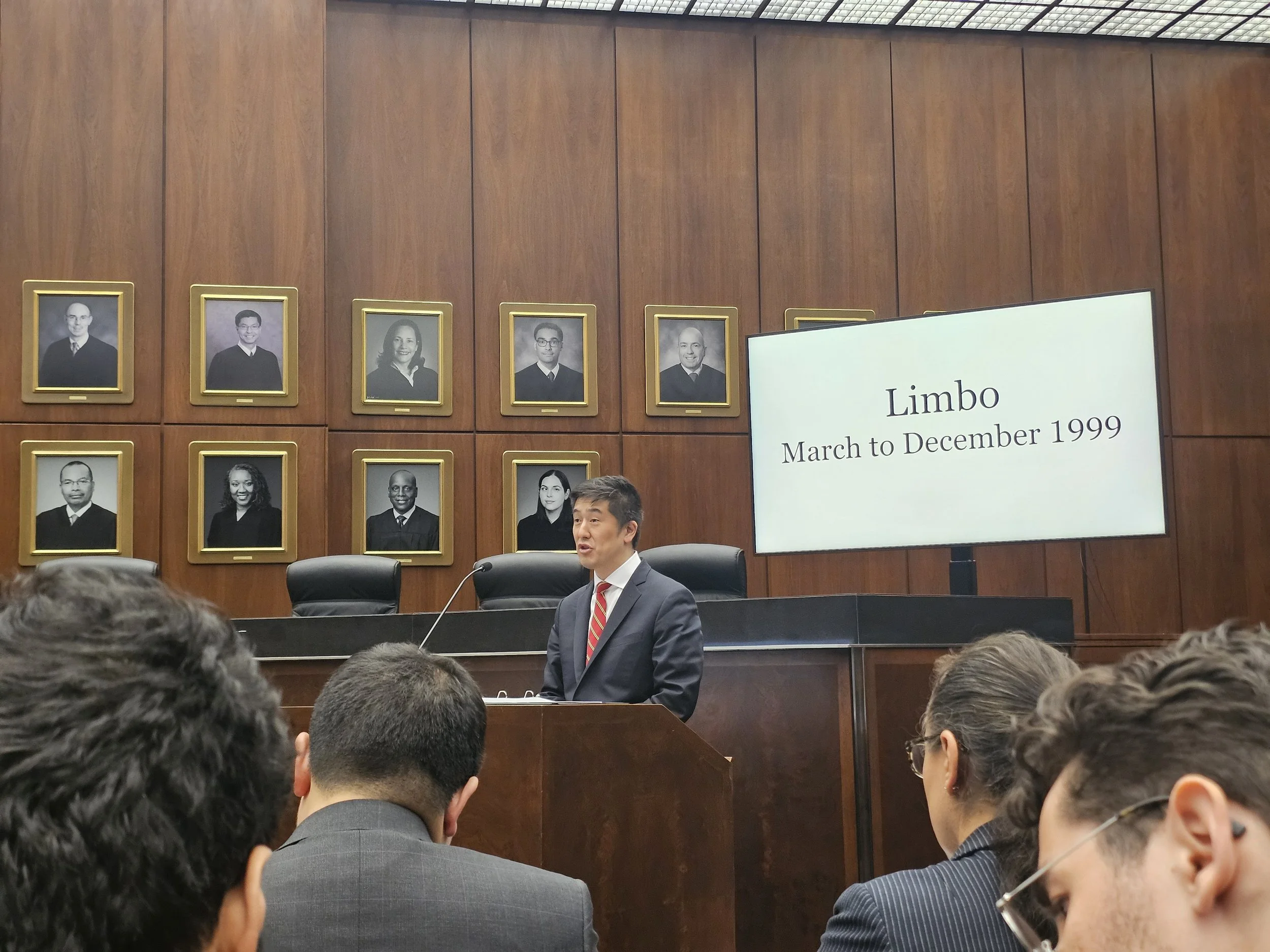
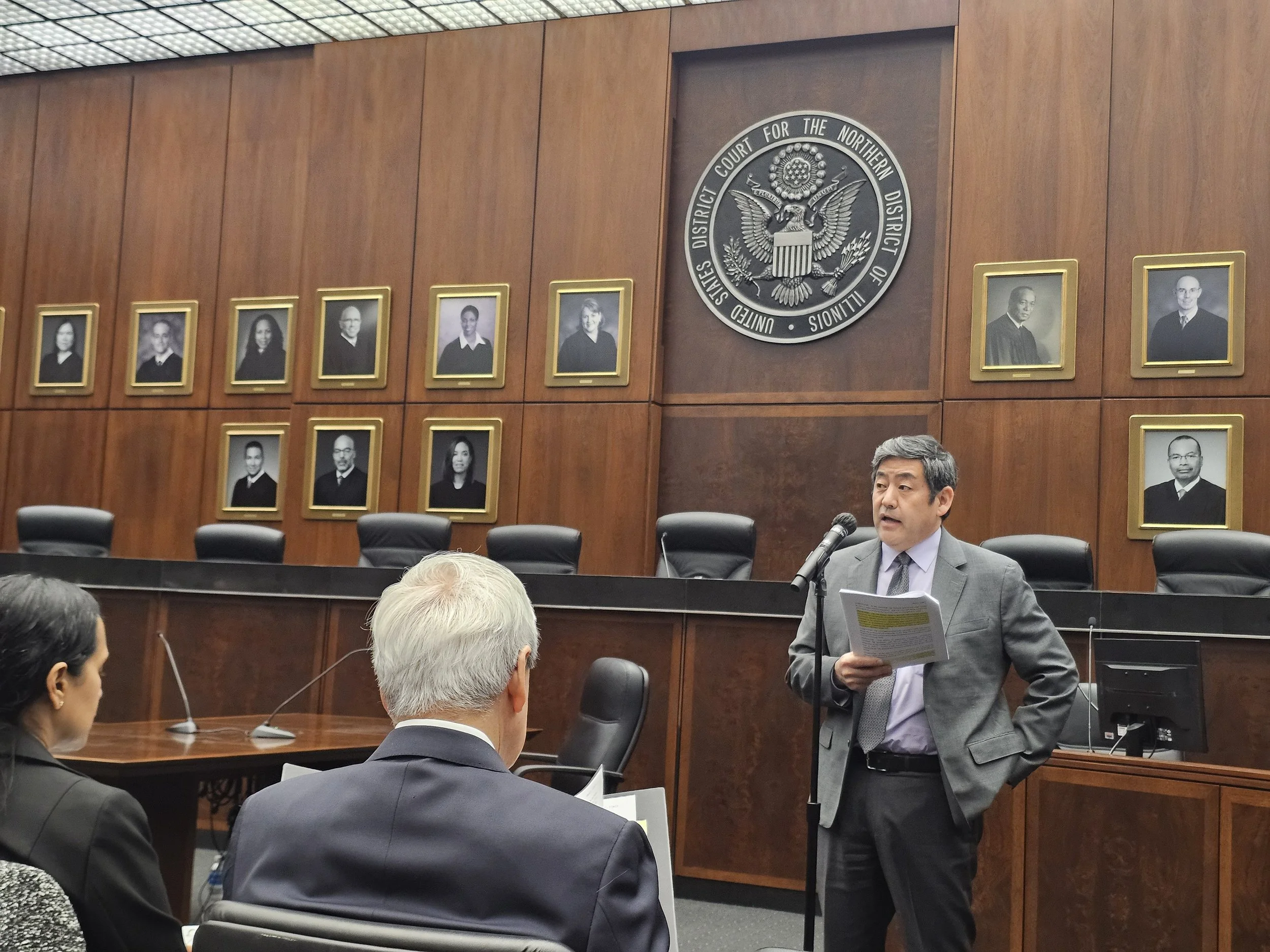
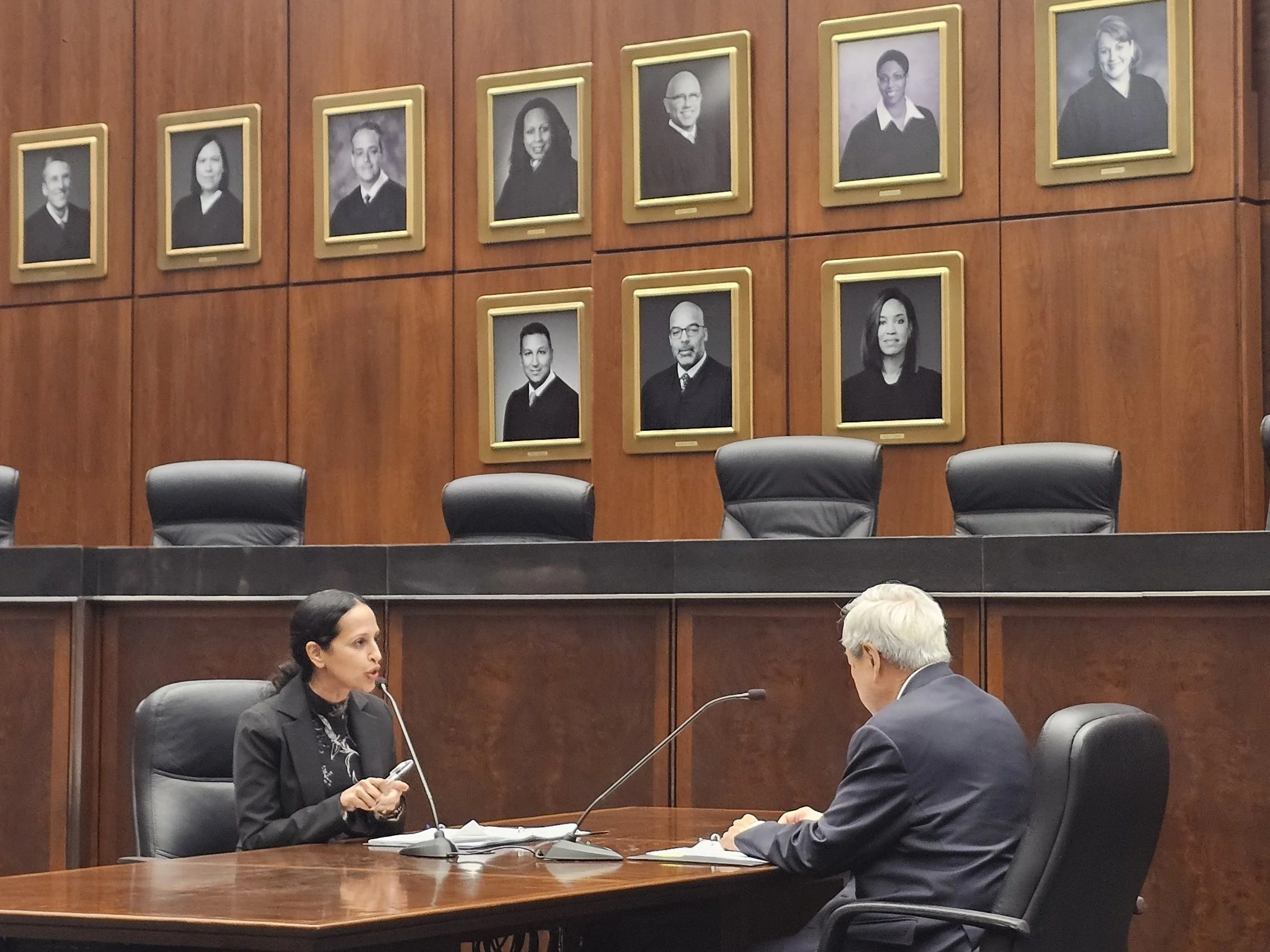
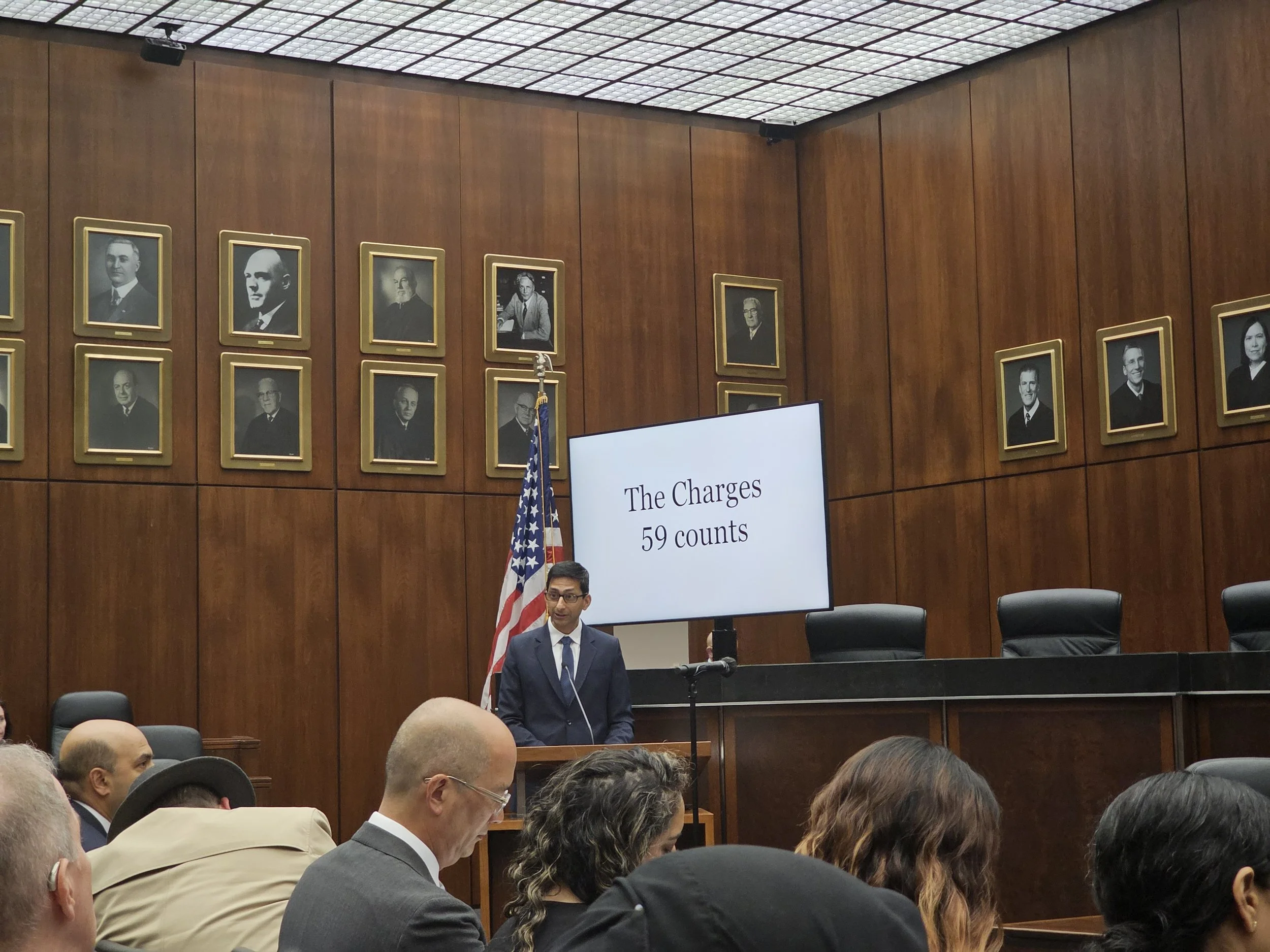
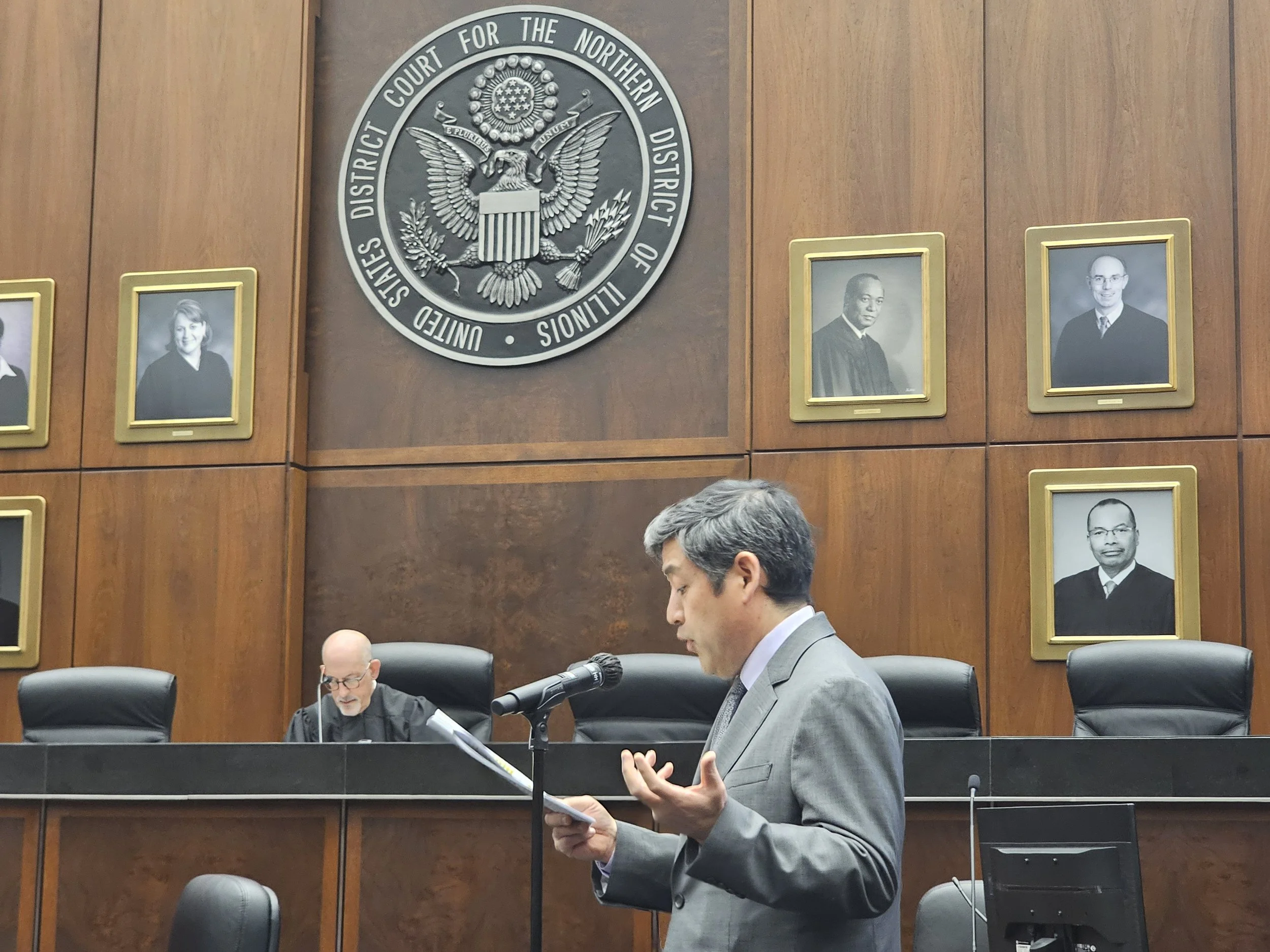
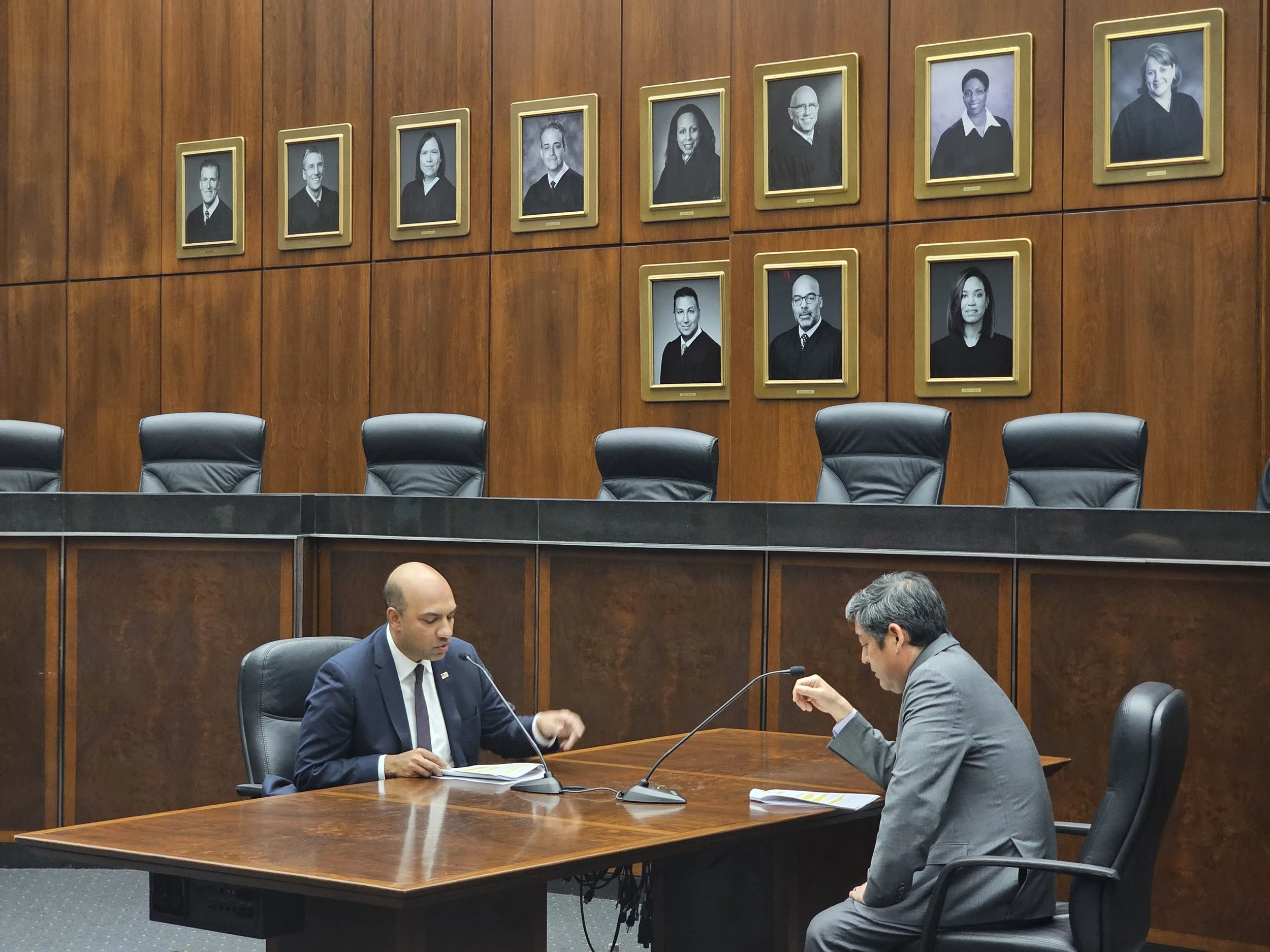
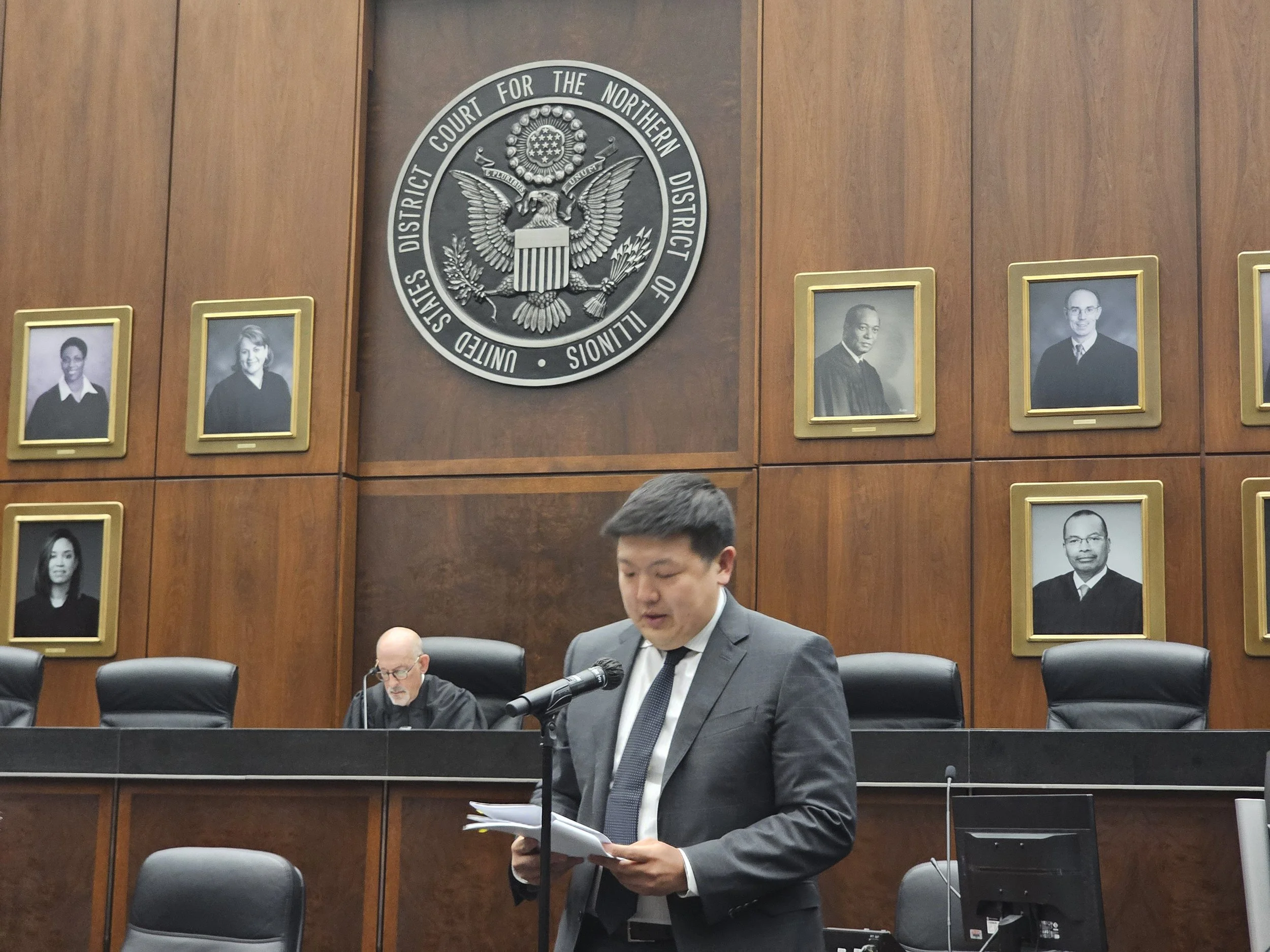
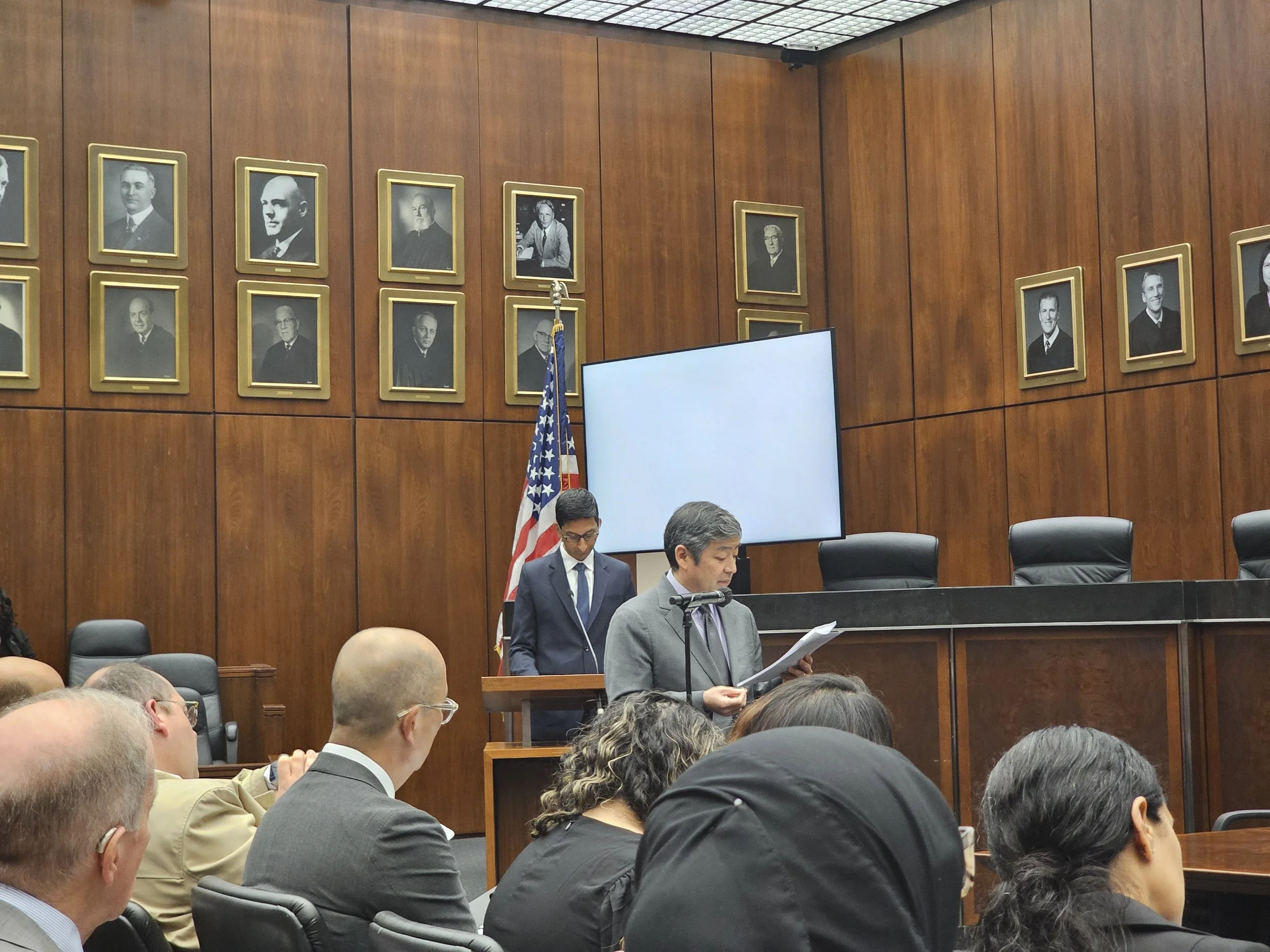
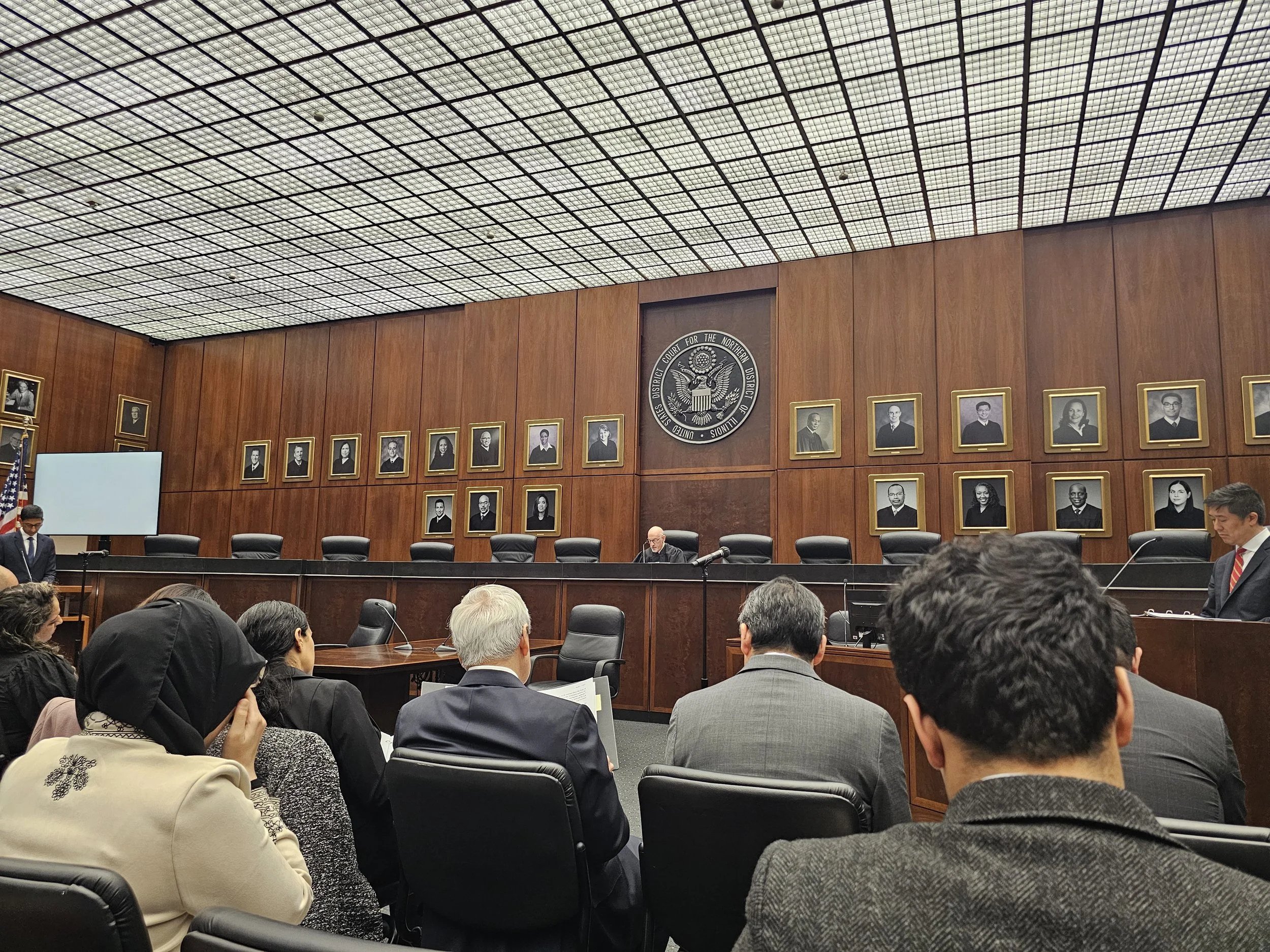
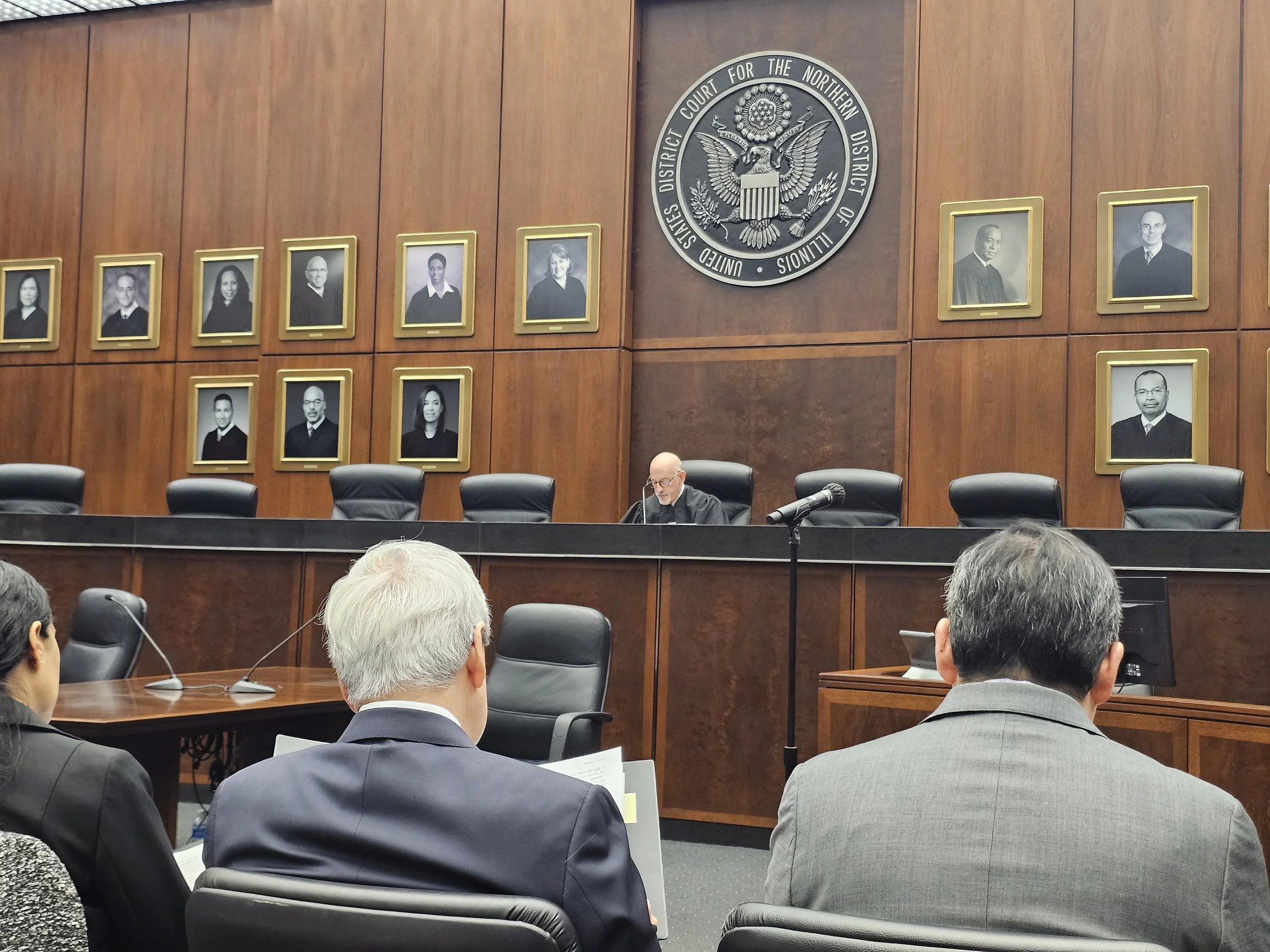
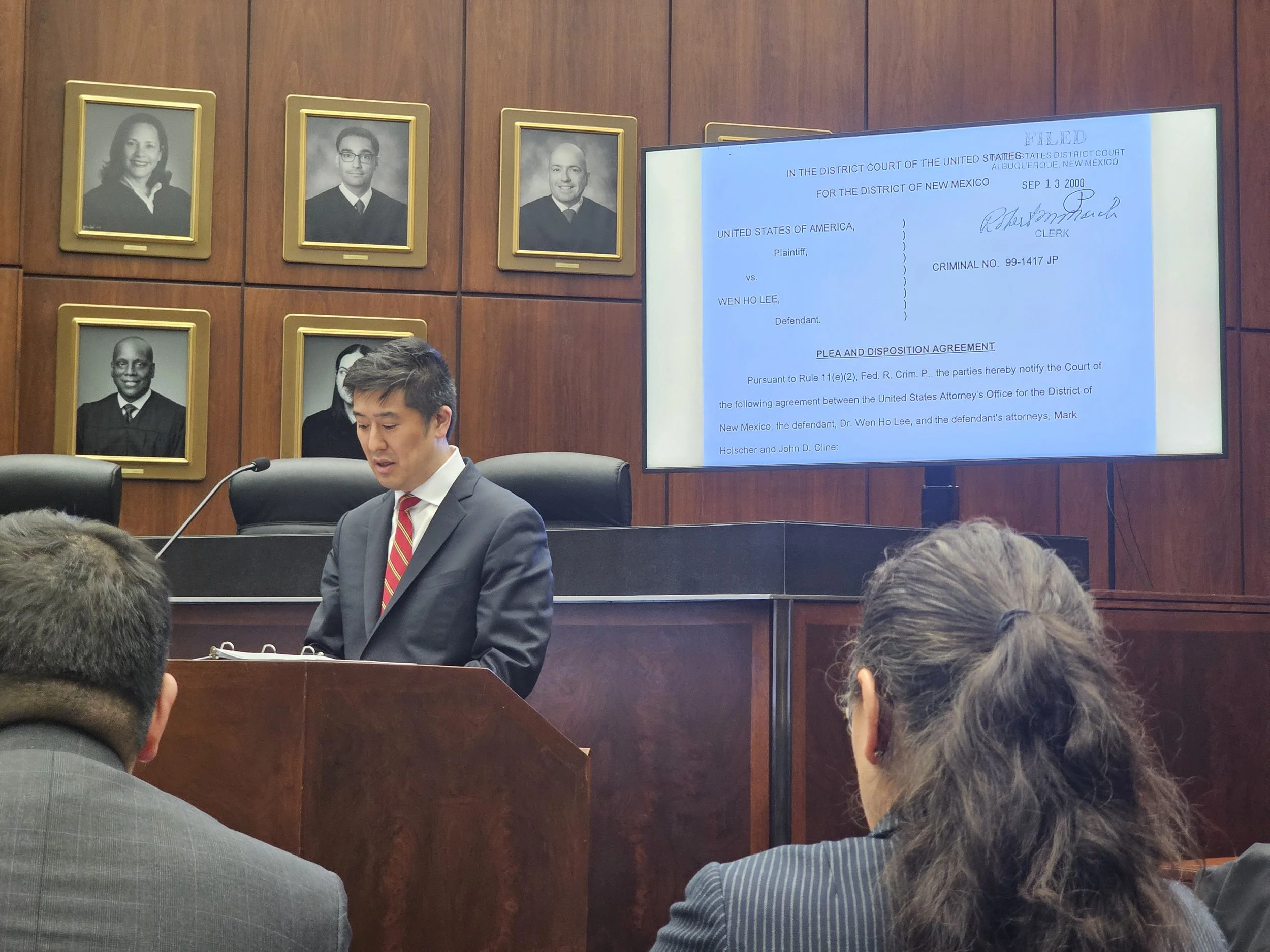
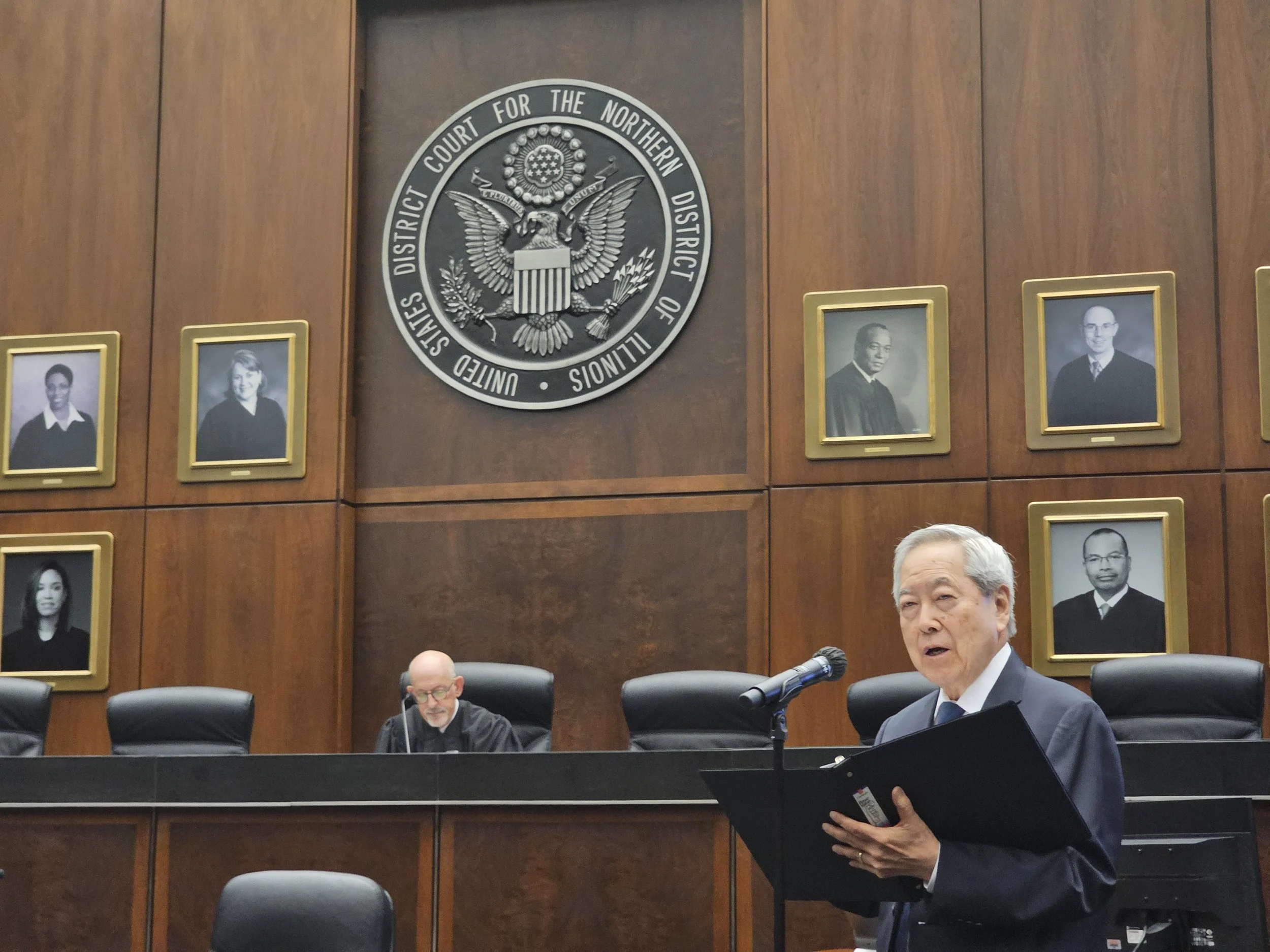
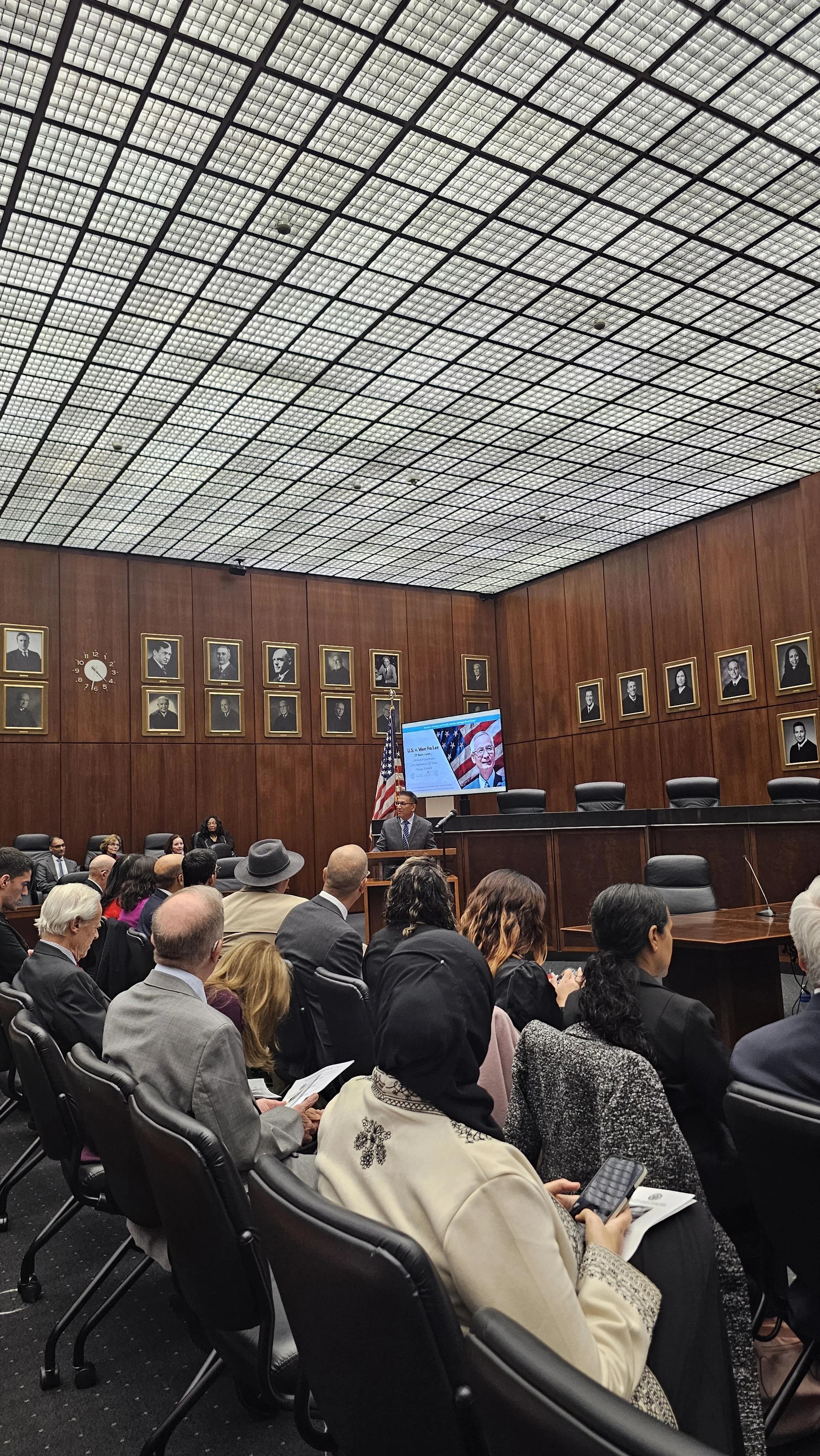
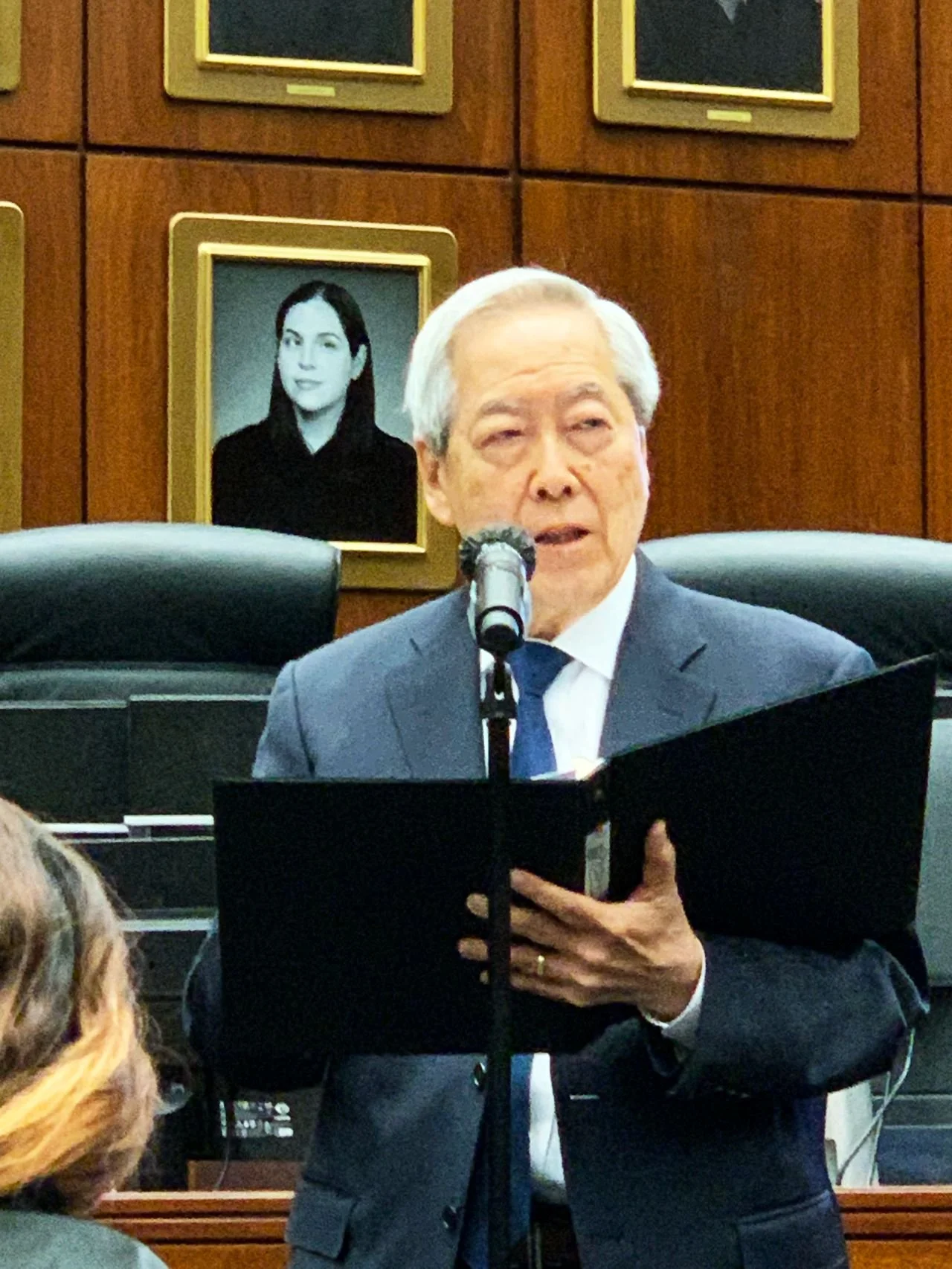
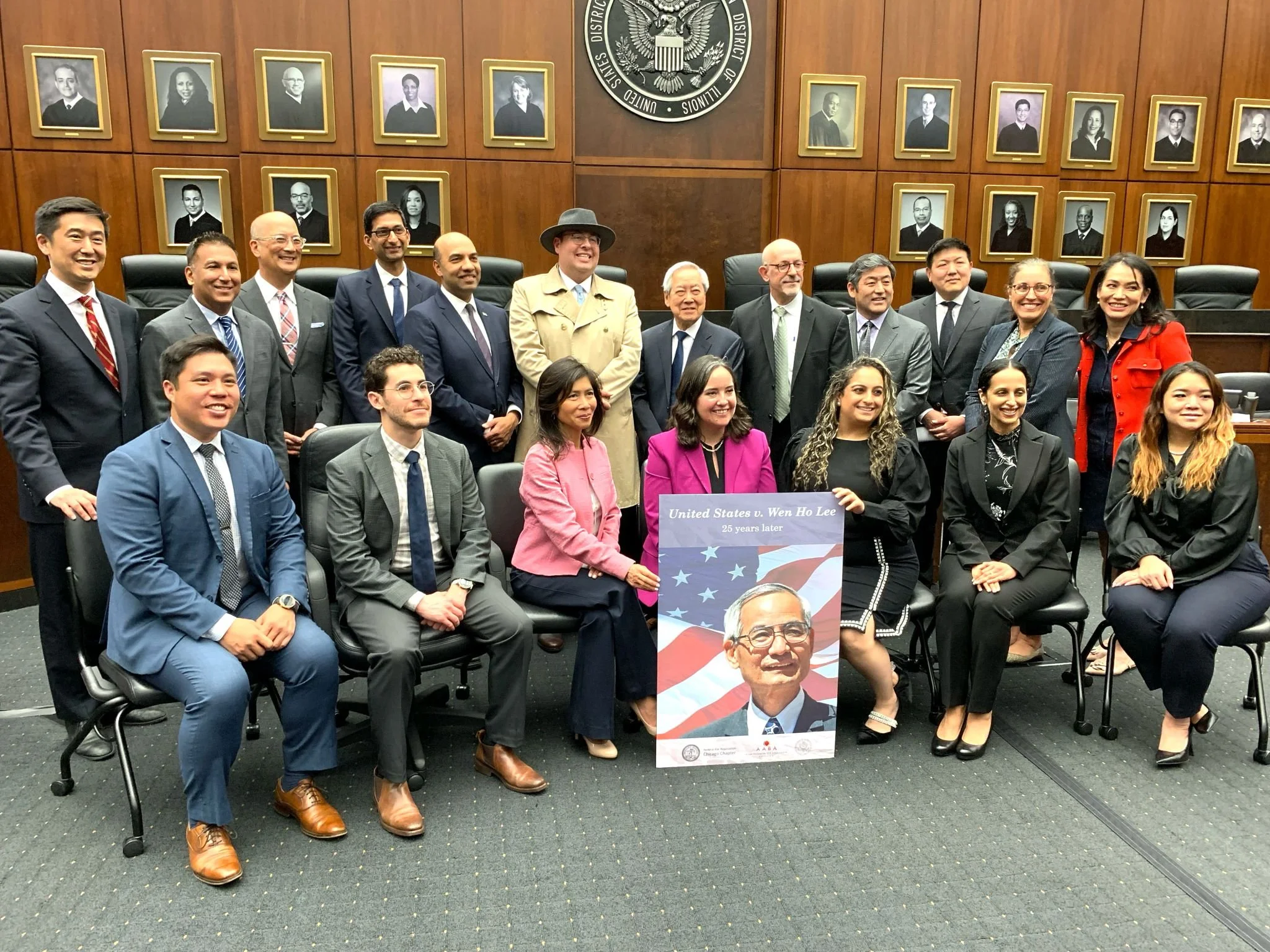
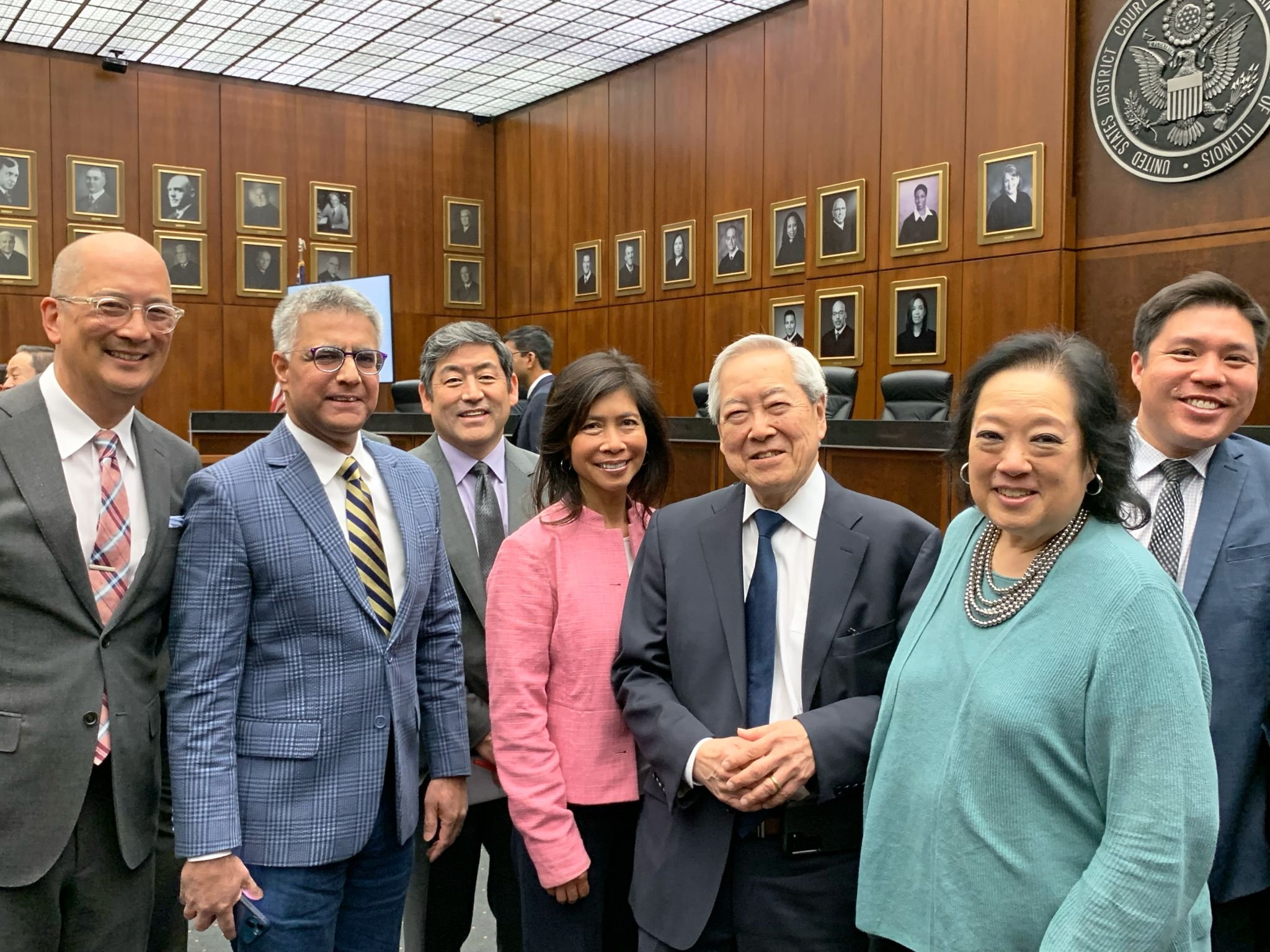
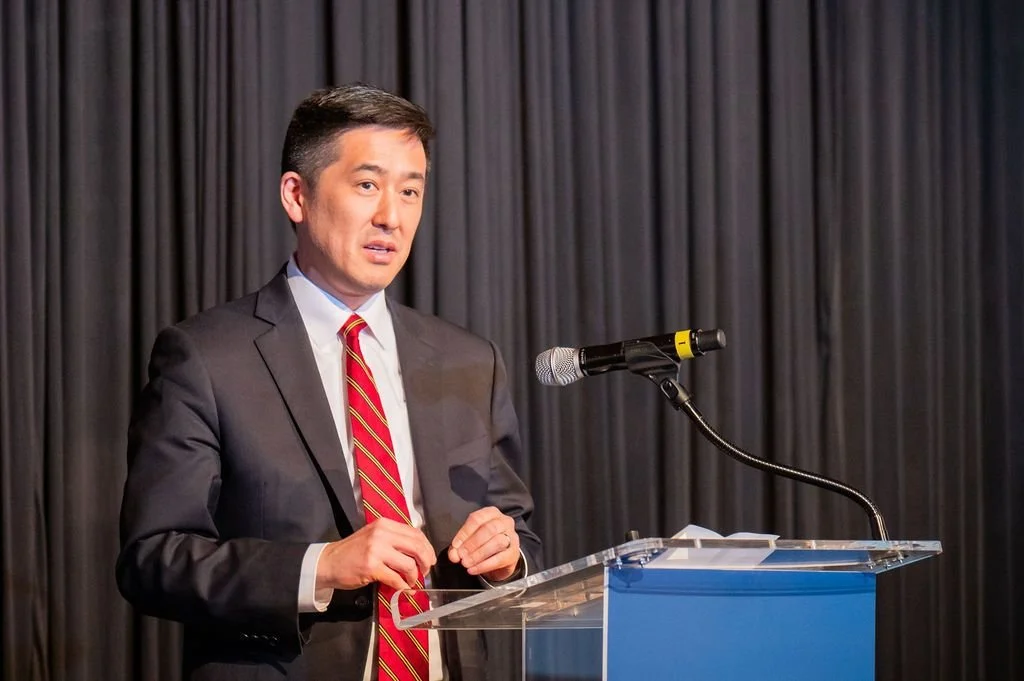
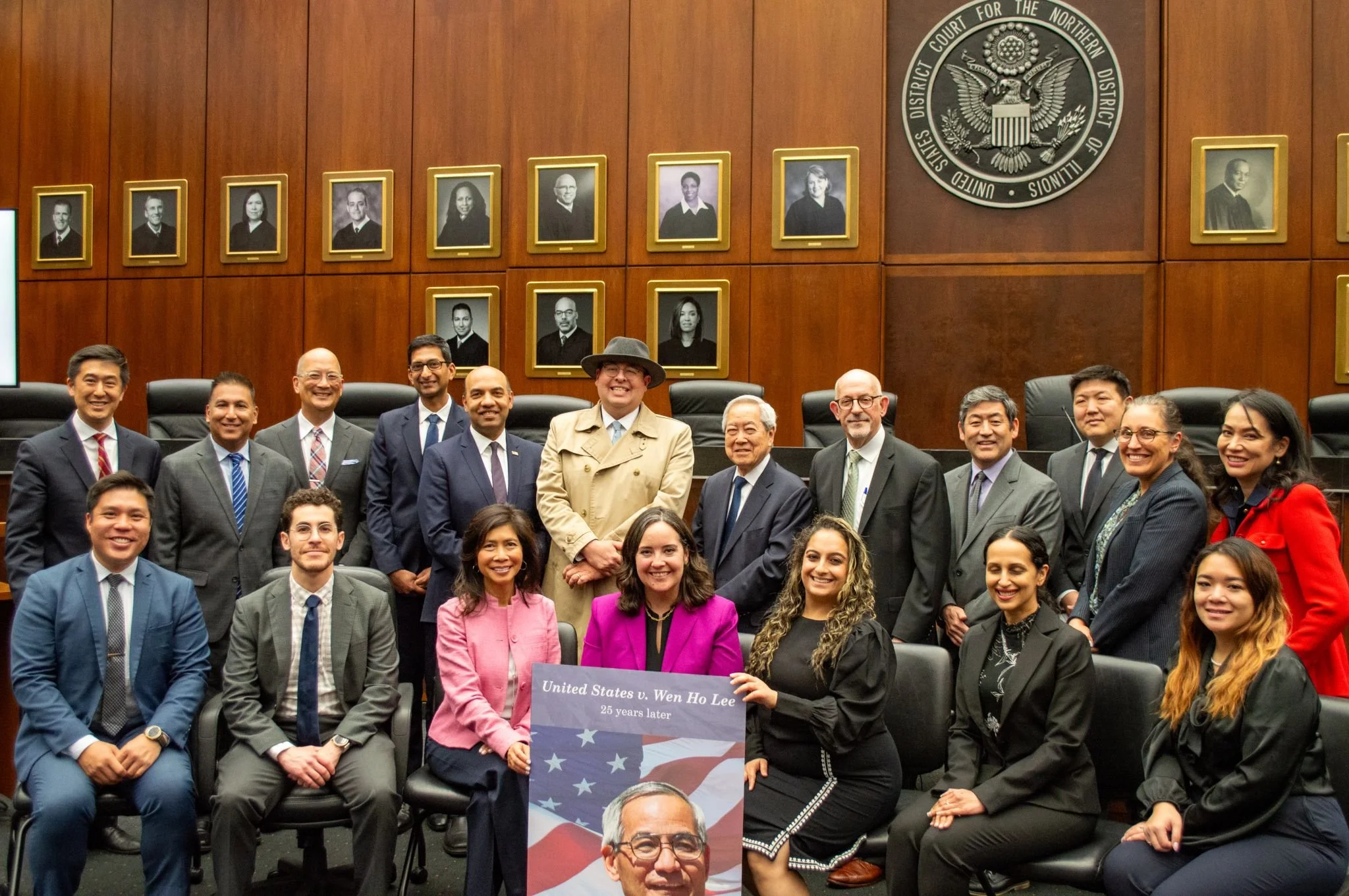
The May 29 program was not only a compelling educational experience but also a memorable gathering of legal professionals from across the district. Below is a gallery of photos capturing key moments from the reenactment and reception. We thank all who participated and attended for helping make this event a success.

Additional Readings
Case materials from United States v. Wen Ho Lee, 99 CR 1417 (D. N.M.)
United States v. Scheffer, 523 U.S. 303 (1998) (admissibility of polygraphs)
Yick Wo v. Hopkins, 118 U.S. 356 (1886) (selective prosecution claims)
Final Report of the Attorney General's Review Team on the Handling of the Los Alamos National Laboratory Investigation (“The Bellows Report”), available at https://www.justice.gov/archives/ag/attorney-generals-foia-reading-room-records-bellows-report
Report on the Government's Handling of the Investigation and Prosecution of Dr. Wen Ho Lee (Dec. 20, 2001) (report prepared for the Senate Subcommittee on Department of Justice Oversight and additional reports linked therein), available at https://irp.fas.org/congress/2001_rpt/whl.html.
Dan Stober and Ian Hoffman, A Convenient Spy: Wen Ho Lee and the Politics of Nuclear Espionage (2007)
Wen Ho Lee, My Country Versus Me: The First-Hand Account by the Los Alamos Scientist Who Was Falsely Accused of Being a Spy (2002)