2026 Criminal Law Seminar Explores Ethics, AI, and the Bench
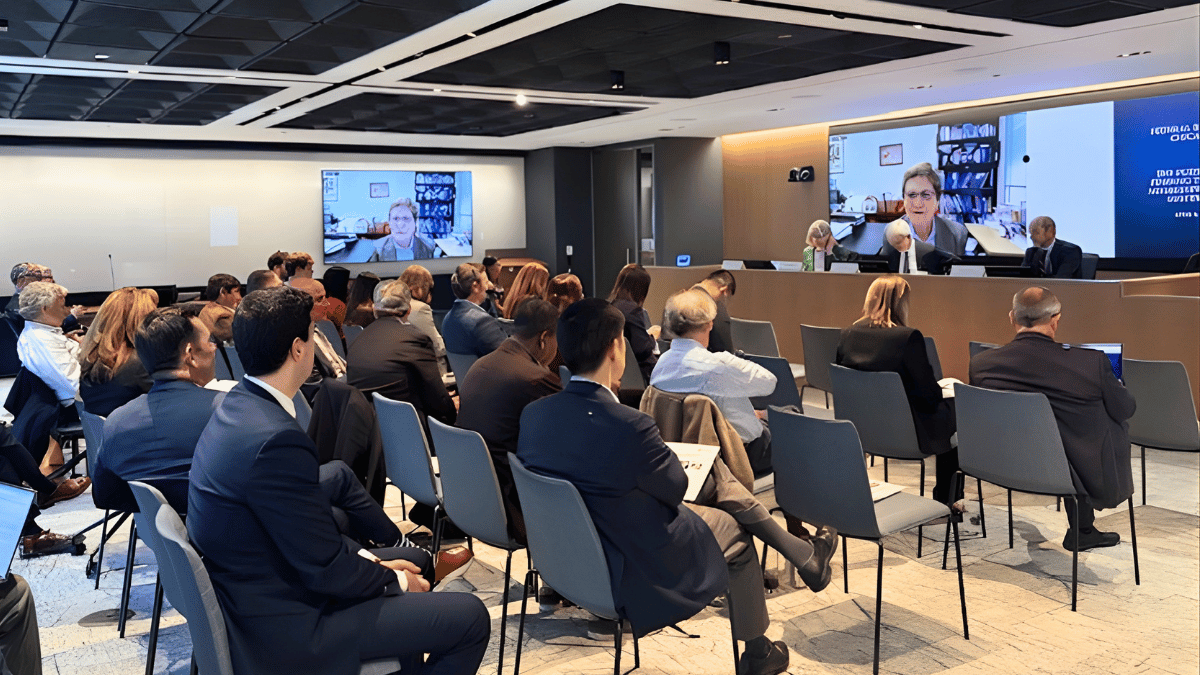
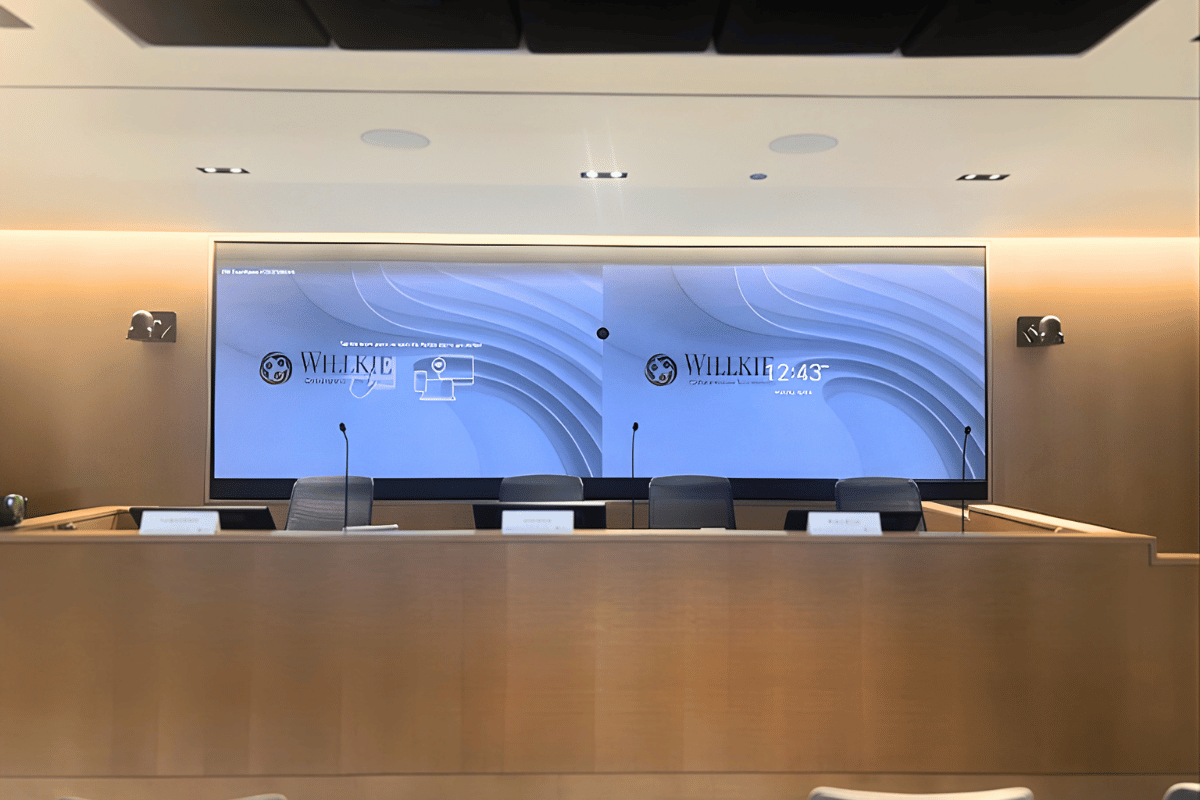
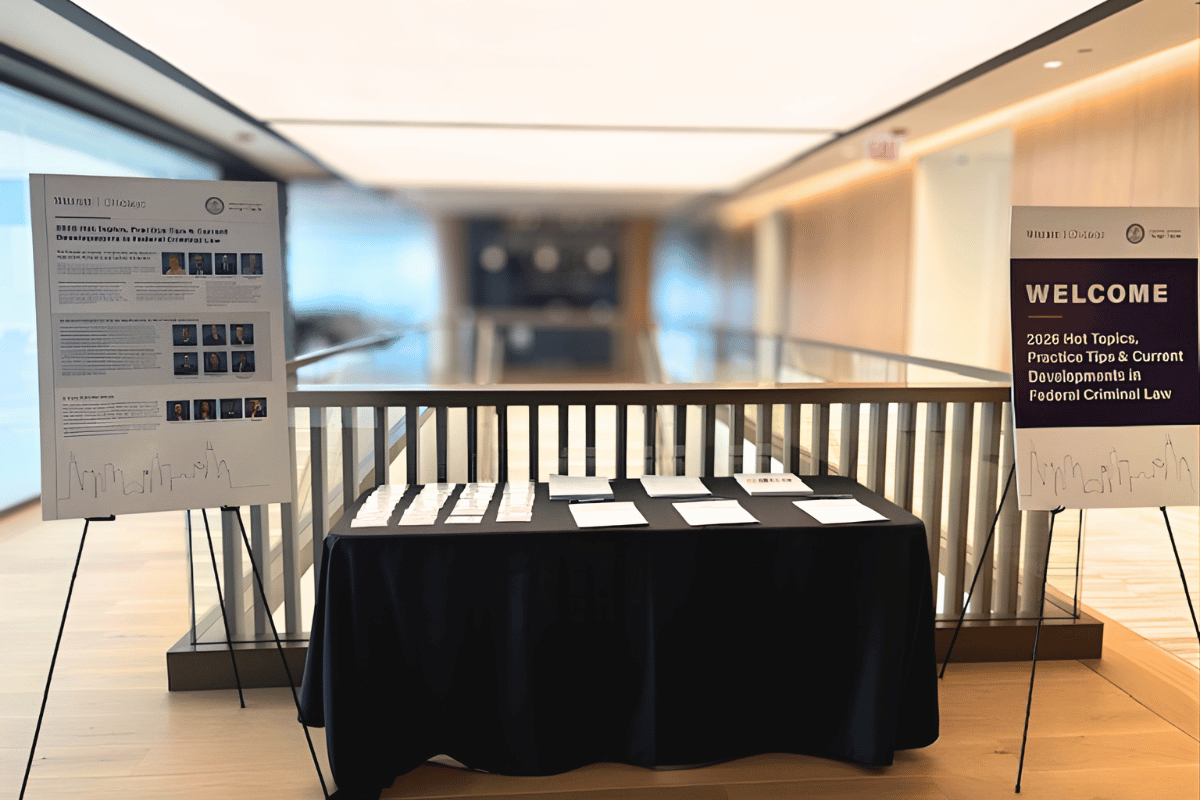
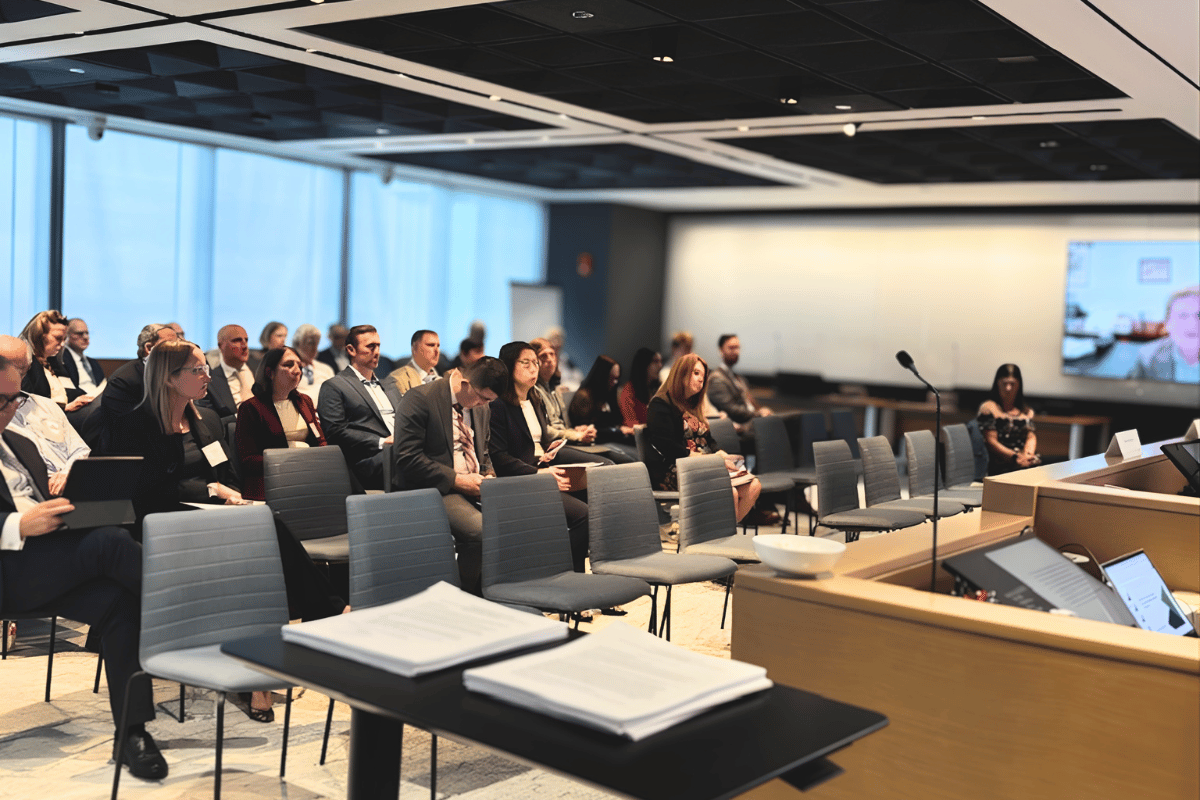
On Thursday, April 9, 2026, Willkie Farr & Gallagher LLP hosted the Federal Bar Association Chicago Chapter’s 2026 Criminal Law Seminar. Titled 2026 Hot Topics, Practice Tips & Current Developments in Federal Criminal Law, this annual event brought together federal judges, prosecutors, and defense attorneys for an afternoon of practical analysis and timely discussion.
Three panels examined the ethical boundaries of zealous advocacy, the growing influence of artificial intelligence across the federal criminal landscape, and best practices for appearing before the federal bench. Following the event, Willkie Farr & Gallagher LLP also hosted a reception for attendees to further the conversation. The seminar drew practitioners at every level of federal criminal practice, from seasoned litigators to attorneys newer to the field.
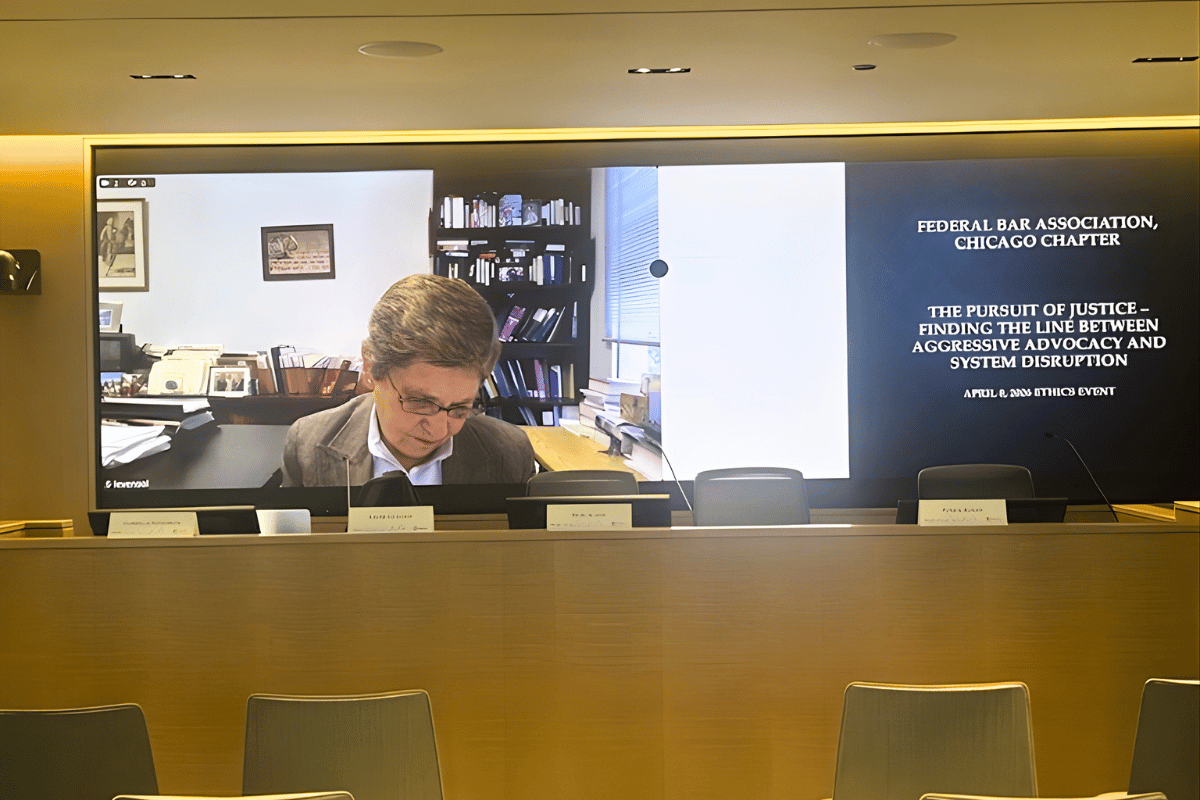
2026 Criminal Law Seminar Opens with the Pursuit of Justice Panel
The first panel, moderated by Gabrielle Sansonetti of Leinenweber, Daffada & Sansonetti, examined where zealous advocacy ends and systemic harm begins. The discussion was structured around three perspectives: the obligations of the system, the conduct of prosecutors, and the conduct of defense attorneys. Laurie Levenson framed the central tension of the panel: the criminal justice system is necessarily adversarial, yet aggressive advocacy can, even unintentionally, undermine the very fairness it is meant to protect. She surveyed the competing interests at stake in every criminal matter and the shared responsibility of all participants to uphold a fair process.
Sergio Acosta examined prosecutorial conduct through a critical lens, addressing selective prosecution, the reliability of cooperating witnesses, and discovery violations. His segment drew a practical distinction between prosecutorial mistake and prosecutorial misconduct, exploring whether the impact on due process differs when intent is absent. Meanwhile, Patrick Blegen took up the defense side, focusing on the risks of representing cooperating witnesses, the boundaries of joint defense agreements, and attorney proffers in light of the Menendez matter. The panel closed with an open discussion of complex ethical scenarios, giving attendees a practical framework for identifying where the line falls in their own practice.
AI's Expanding Role in Federal Criminal Cases
The second panel explored artificial intelligence and its applications across the federal criminal arena, covering everything from law enforcement investigations to courtroom policy. Alejandro G. Ortega moderated a five-person panel that approached the topic from multiple vantage points. Hon. Edmond E. Chang, Chair of the Judicial Conference's Criminal Law Subcommittee, addressed the Conference's AI Task Force and the implications of its findings for the federal judiciary, including AI's role in court-assisted monitoring programs such as U.S. Probation. His perspective offered attendees a clear view of how the bench is approaching AI governance at the institutional level.
Gordon Moodie, drawing on his experience as former Chief Product Officer of Harvey AI, addressed how legal AI products are being adapted for the specific demands of criminal practice. Alicia Hawley focused on technology-assisted review in criminal discovery, discussing how TAR tools are being deployed to drive efficiency and legal strategy in government investigations and complex litigations. Chip Mulaney and Melody Wells brought front-line practitioner experience to the discussion, examining AI's applications in cybercrime and national security investigations, as well as its practical use by white-collar defense attorneys and former prosecutors navigating these tools from both sides of the aisle.
2026 Criminal Law Seminar Closes with Insights from the Federal Bench
The final panel gave attendees direct access to three Northern District of Illinois judges presiding over federal criminal cases: Hon. April M. Perry, Hon. Lindsay C. Jenkins, and Hon. Manish S. Shah. Kelly Guzman moderated the conversation.
The judges spoke candidly about trends they are observing in federal criminal proceedings and offered concrete guidance on effective advocacy. Topics included what makes written submissions persuasive, how attorneys can strengthen their courtroom presentations, and how the demands of the federal bench have evolved in an increasingly technology-reliant practice environment. The panel reflected on what distinguishes effective advocates from those who fall short, giving attendees a rare and direct look at how their work is received from the other side of the bench.
Federal Bar Association Chicago Chapter Advances the Federal Criminal Bar
The April 9th program demonstrated the Federal Bar Association Chicago Chapter's commitment to offering practical, practice-ready programming for the Chicagoland federal legal community. Across three panels, the seminar addressed the ethical obligations governing criminal advocacy, the technology tools reshaping investigation and discovery, and the advocacy standards federal judges find most effective.
The chapter thanks the panelists, moderators, and Willkie Farr & Gallagher LLP for hosting a program that served practitioners at every stage of their careers.
The Federal Bar Association Chicago Chapter hosts CLE programs and events throughout the year. For upcoming programs offered by the Chicago Chapter, explore our latest events!