Chicago Appellate Judges Share Appellate Advocacy Insights at FBA Event
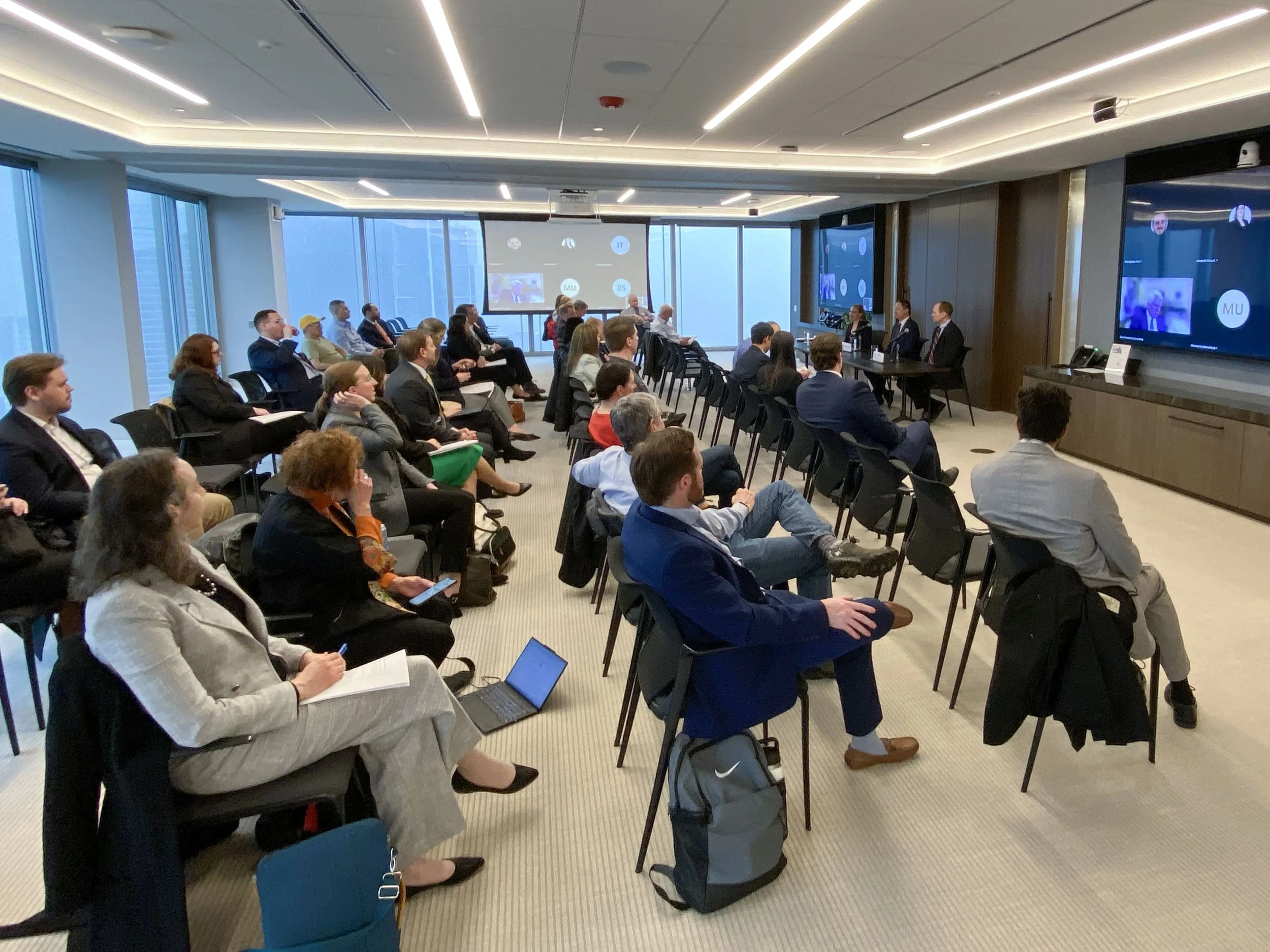
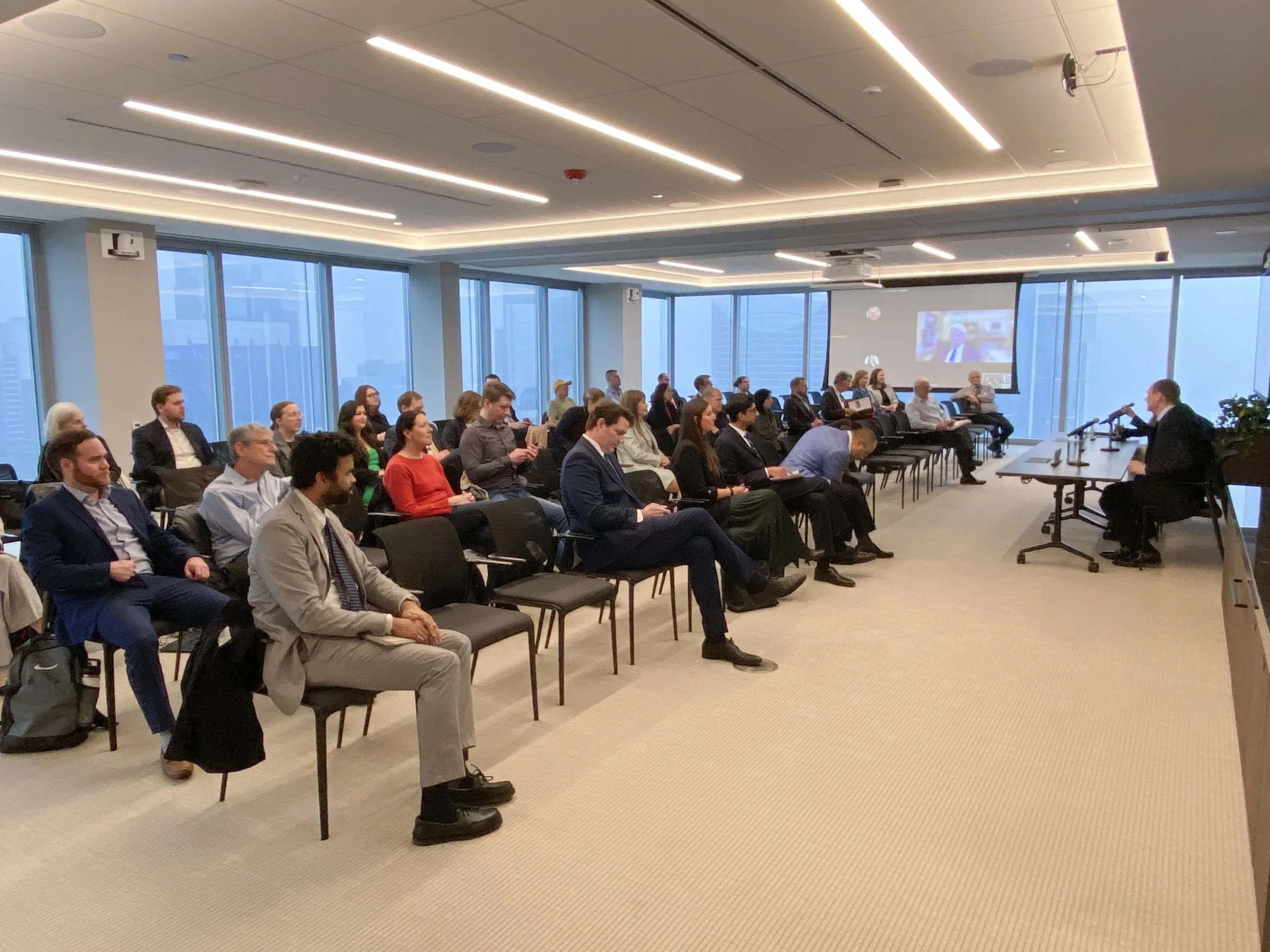
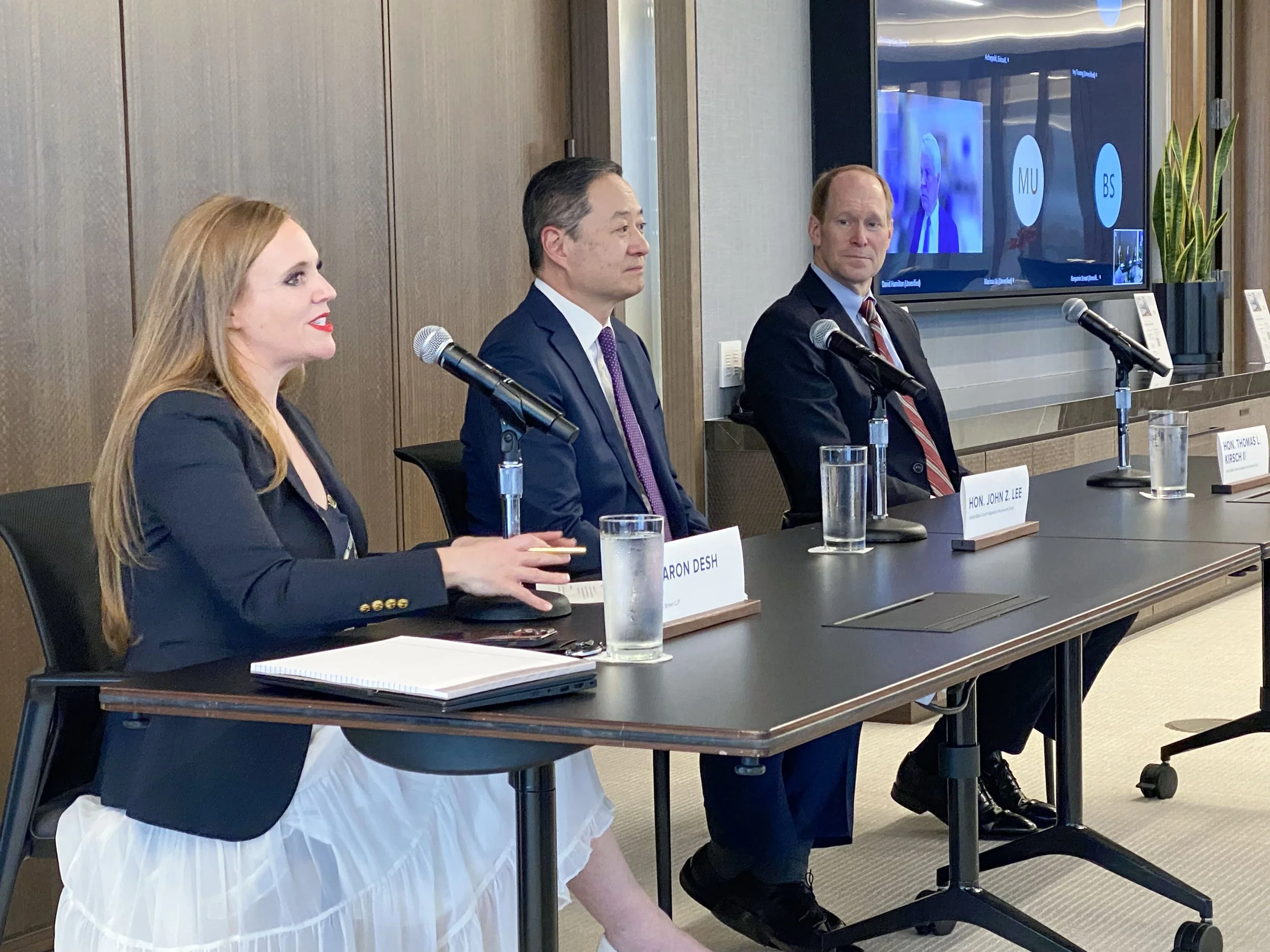
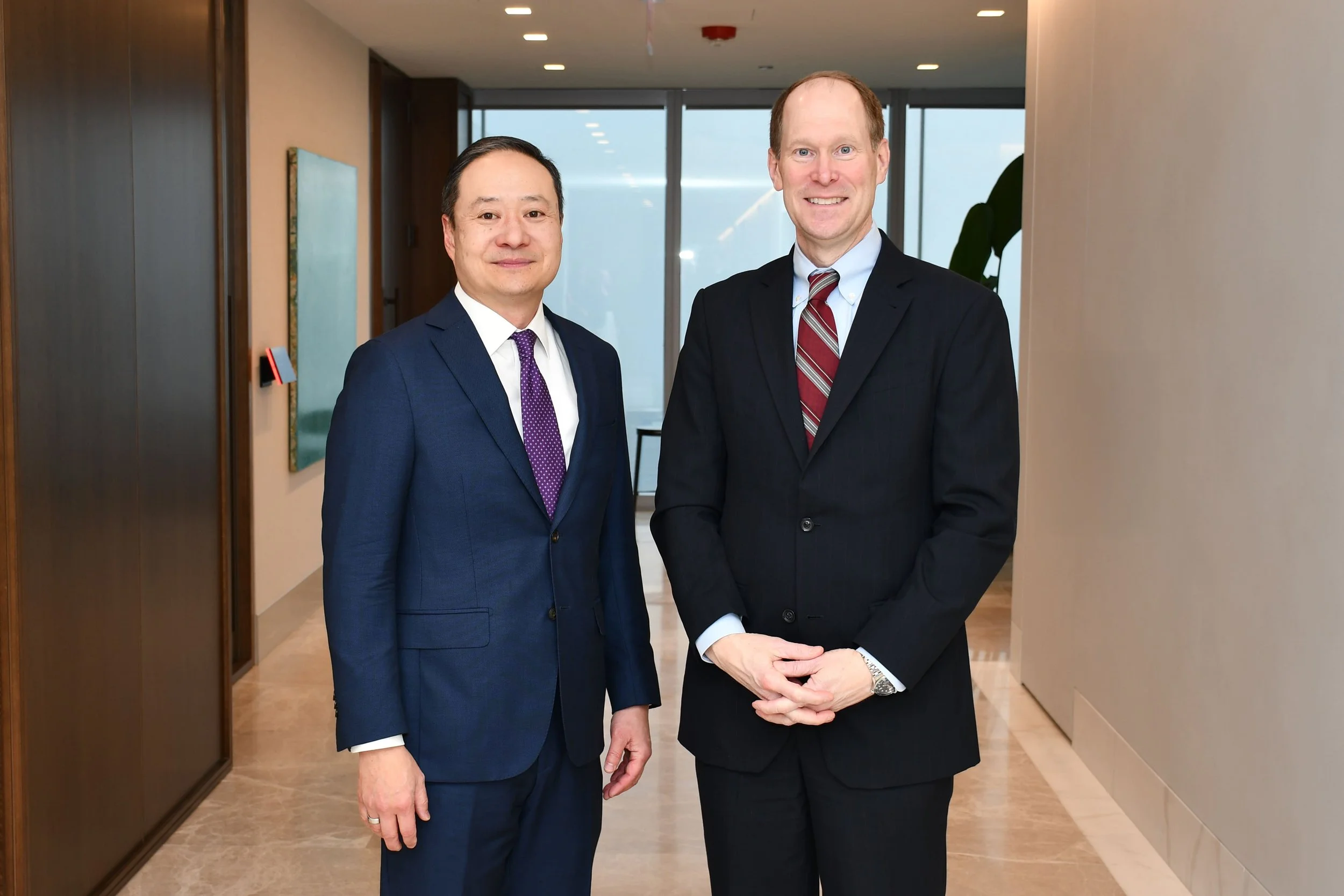
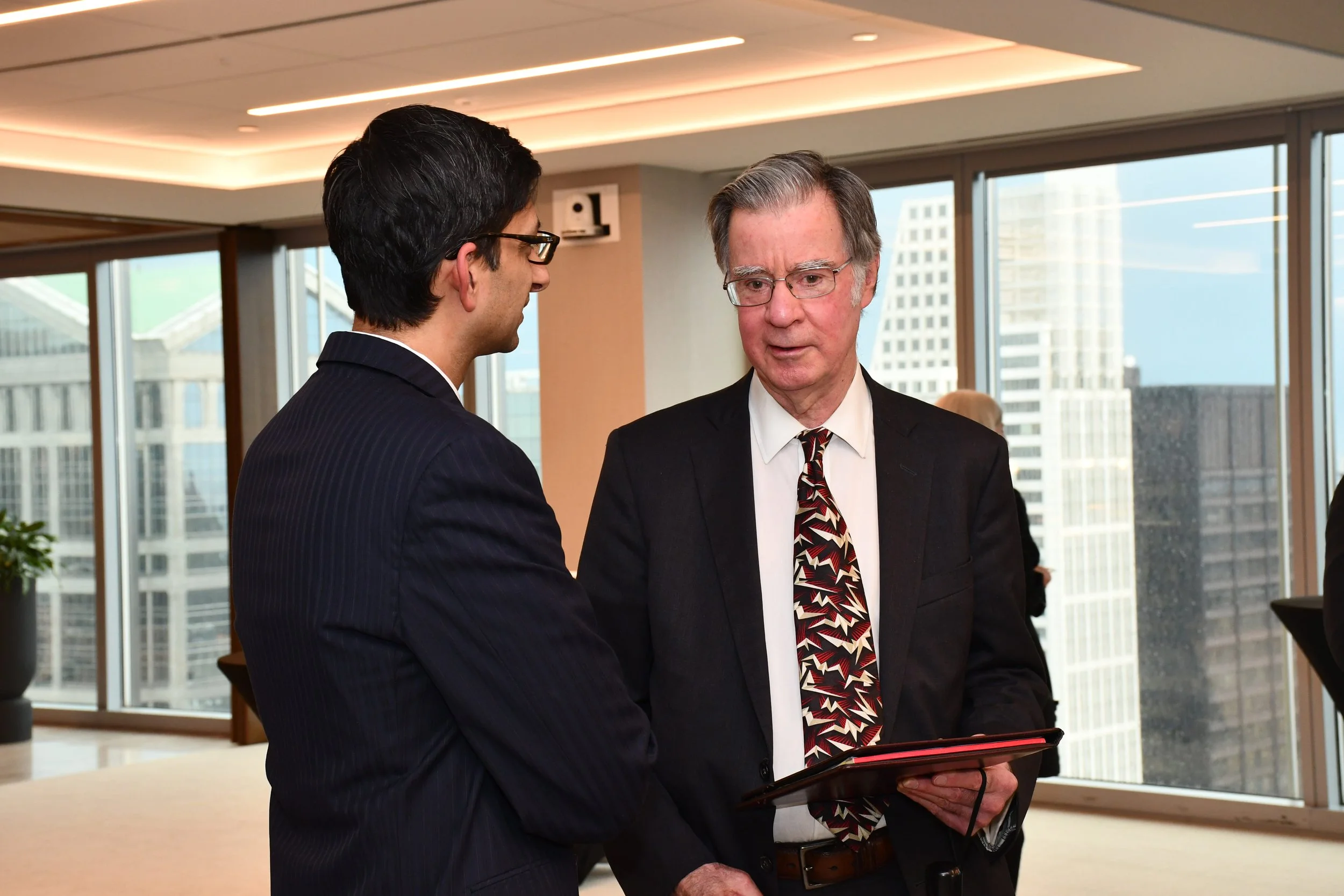
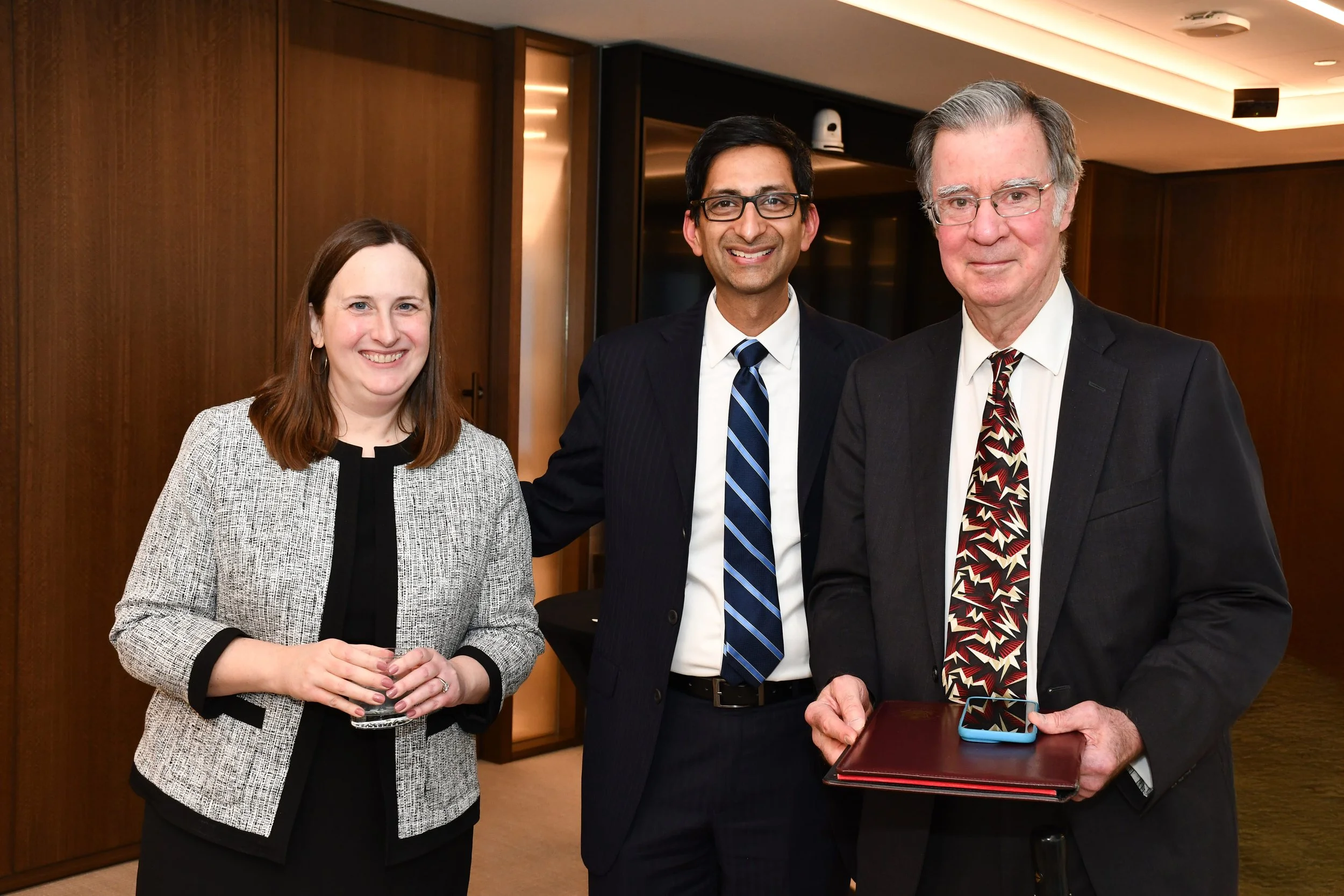
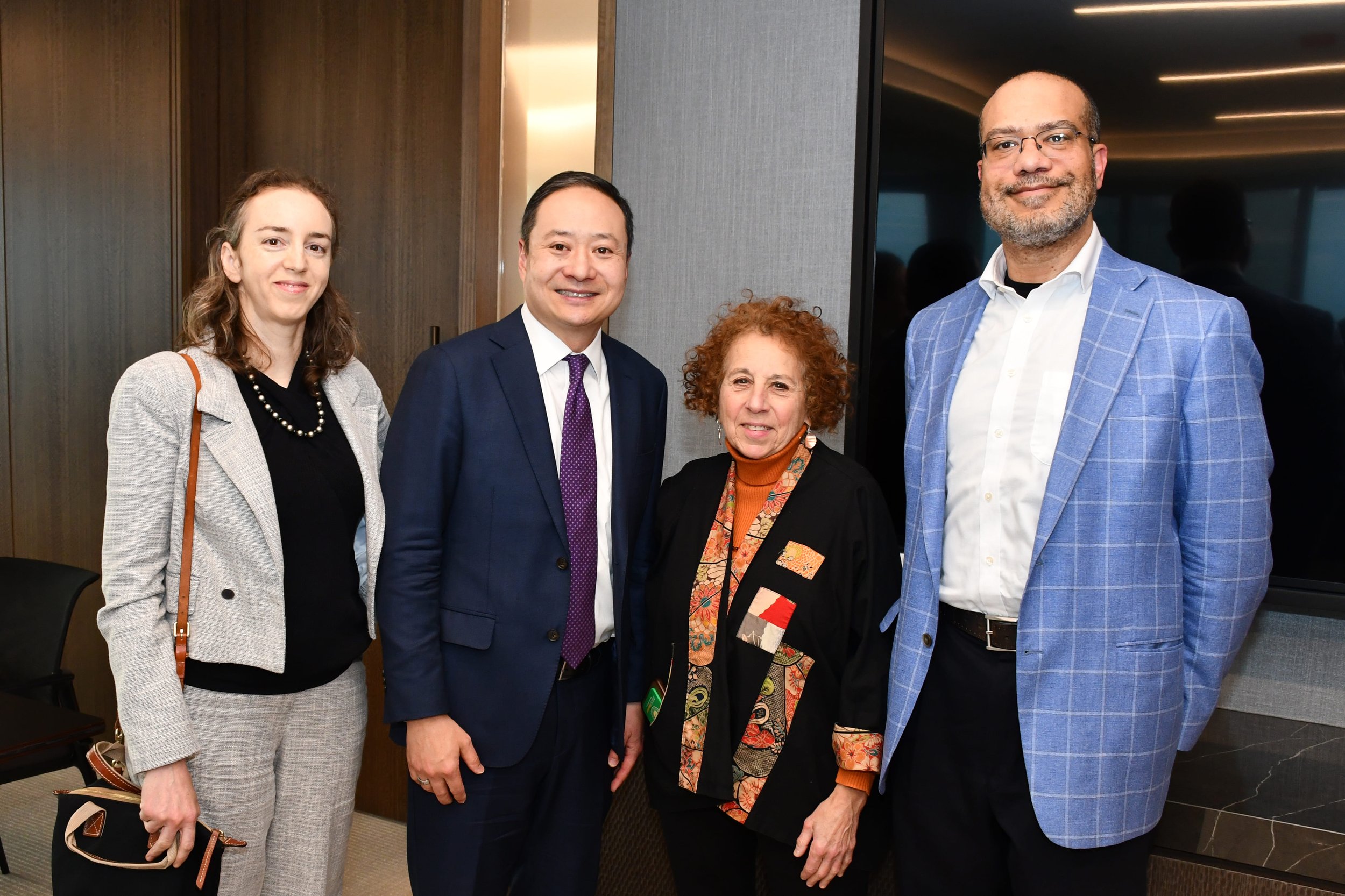
On March 6, 2026, three Chicago appellate judges joined the Federal Bar Association Chicago Chapter for a panel discussion at Winston & Strawn LLP. The judges, John Z. Lee, Thomas L. Kirsch II, and David F. Hamilton, all serve on the United States Court of Appeals for the Seventh Circuit. Sharon Desh, a trial lawyer and partner at Winston & Strawn, moderated the conversation.
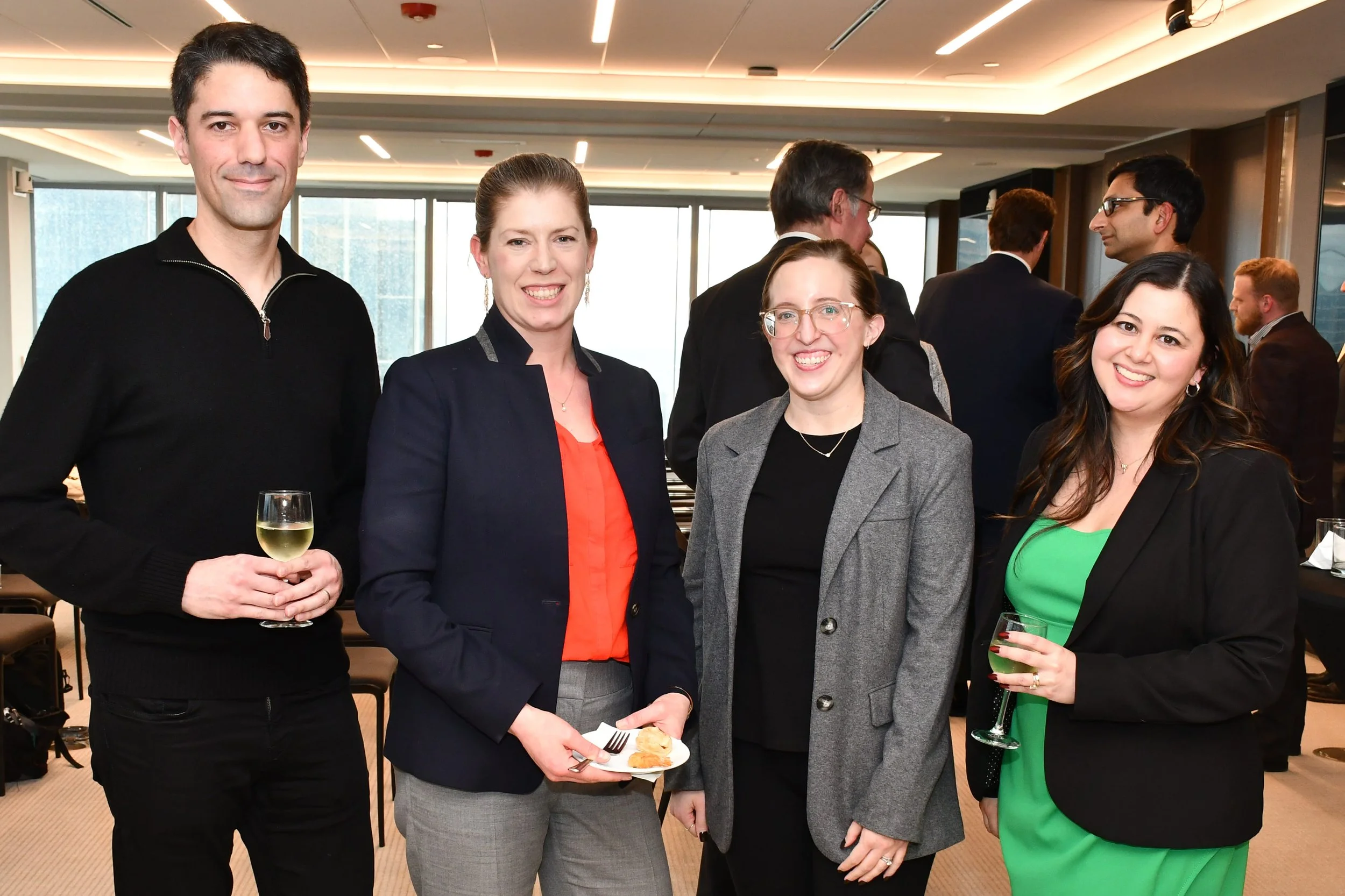
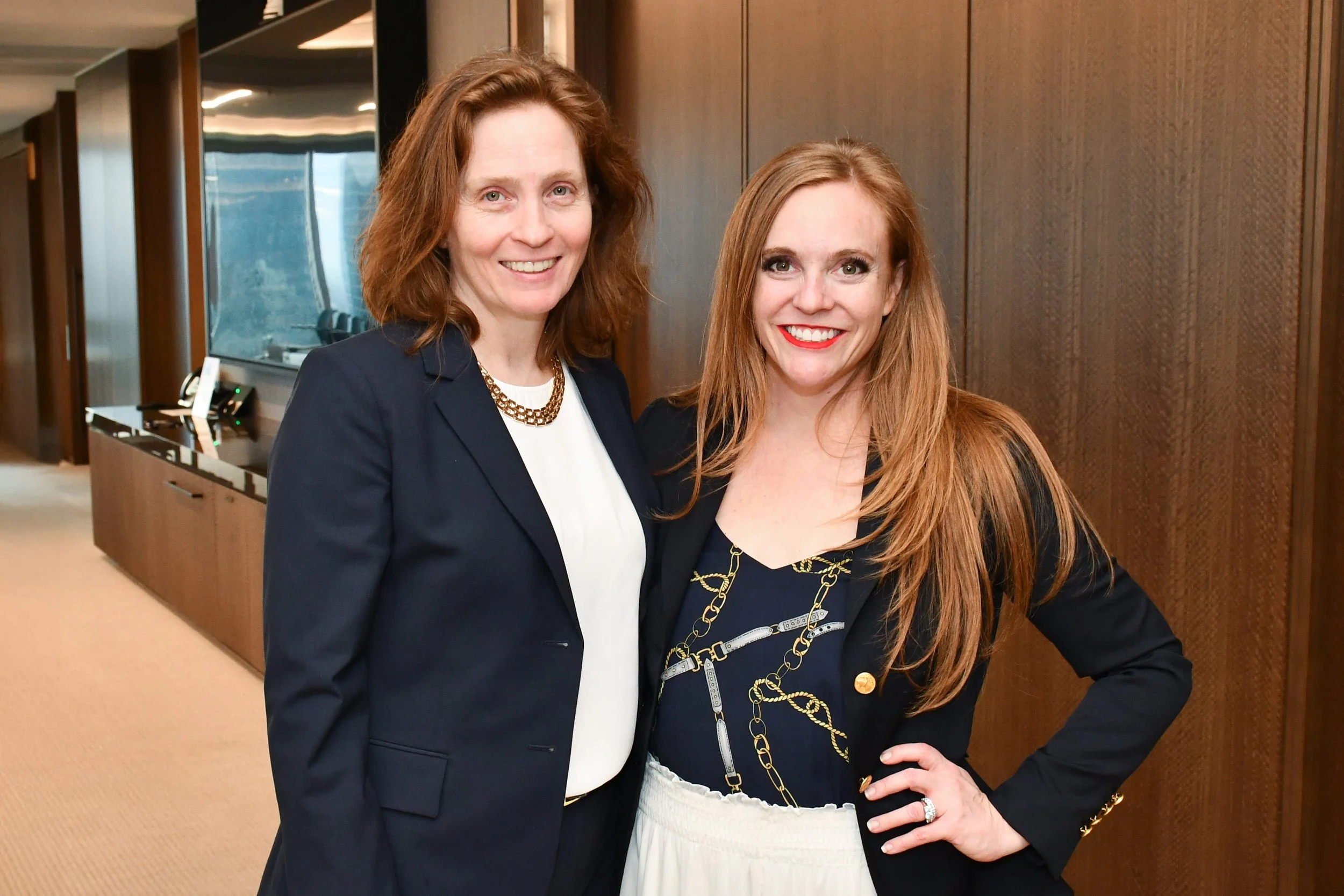
The program, How to Think Like an Appellate Judge: Advice for Practitioners at Every Level, drew attorneys from across practice areas and experience levels. Judges Lee, Kirsch, and Hamilton each brought distinct perspectives shaped by careers spanning private practice, federal prosecution, and years on both the district and appellate bench. The event offered attendees a rare opportunity to hear directly from sitting circuit judges about what effective advocacy looks like from the bench. A reception followed the panel, giving attendees additional time to engage with the speakers.
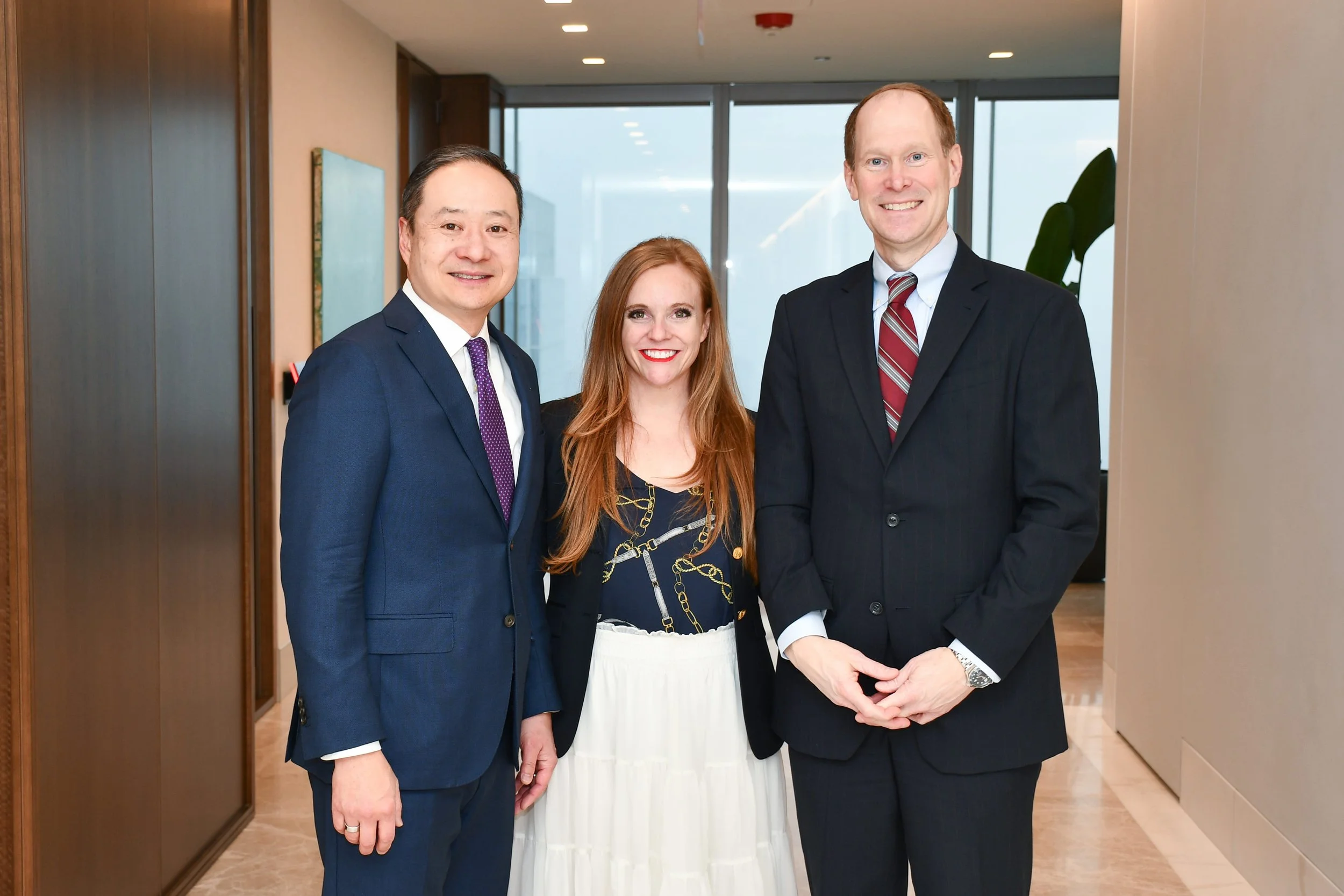
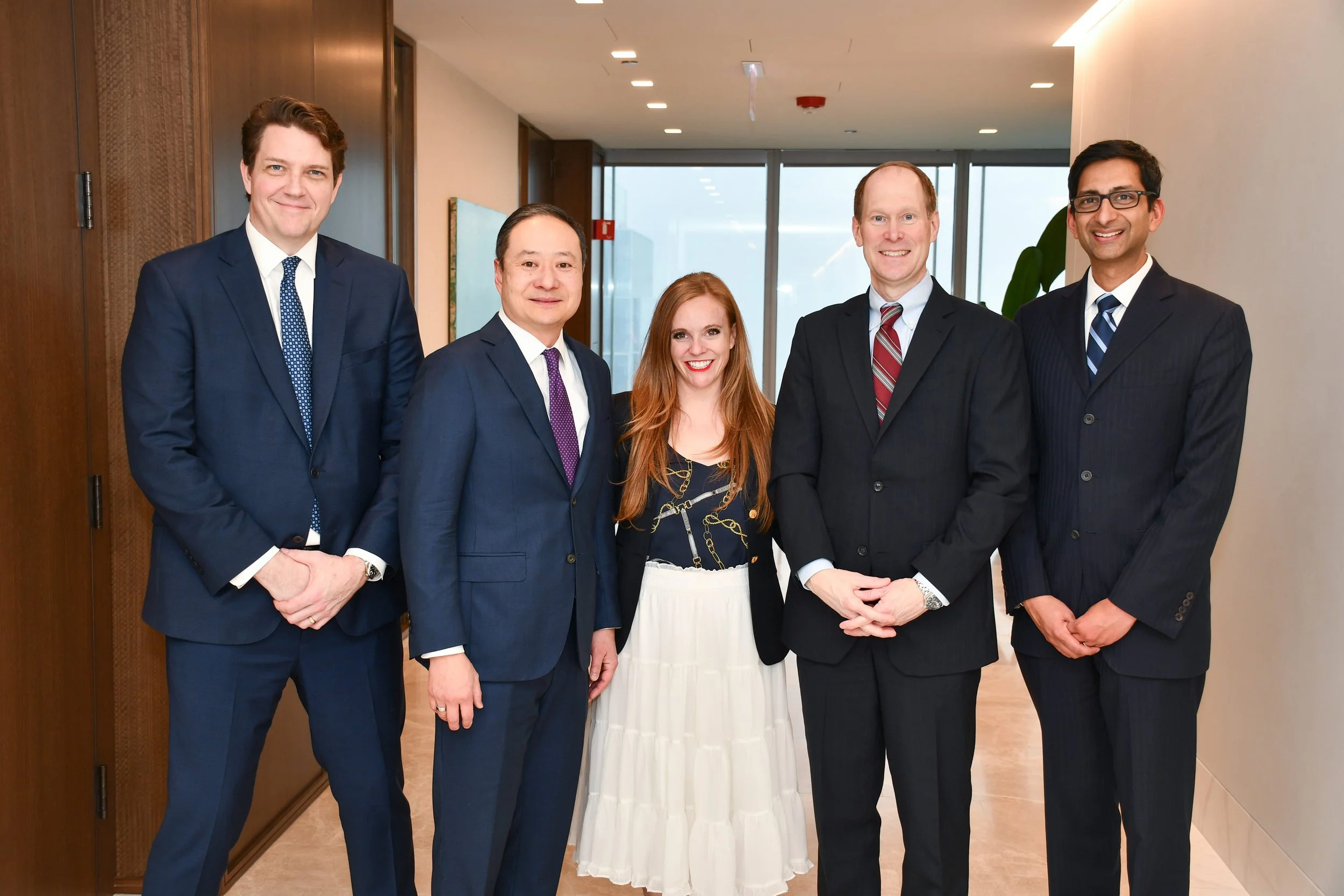
Chicago Appellate Judges Advocate for Collegiality in Strong Decision-Making
The panel opened with a discussion of collegiality within appellate courts. The judges agreed that a collegial culture produces better legal outcomes. When judges approach contrary positions with genuine openness, the court can move the law forward in principled, incremental steps. Collegiality also allows disagreement to remain productive rather than divisive.
Judge Hamilton, who has served on the Seventh Circuit since 2009, emphasized that this culture shapes how panels deliberate and how they reach consensus. Judges Lee and Kirsch echoed that view, noting that professionalism among colleagues on the bench directly influences the quality of legal reasoning in opinions. For practitioners, the takeaway was clear: understanding this dynamic helps attorneys frame arguments in ways that serve the panel's deliberative process, not just their client's immediate position.
Appellate Judges Outline What Makes a Strong Brief
The panel then turned to written advocacy. The judges stressed that effective briefs do more than point toward a favorable outcome. They demonstrate it through authority that proves the point in practice. Weak briefs rely on citations that merely gesture at a result without showing how courts have actually applied the relevant rule.
The judges referenced two classic advocacy resources: Mark Herrmann's The Curmudgeon's Guide to Practicing Law and Thinking Like a Writer: A Lawyer's Guide to Effective Writing and Editing by Stephen V. Armstrong and Timothy P. Terrell. Both texts address the gap between technically competent legal writing and writing that actually persuades. The judges encouraged attorneys at every level to treat brief-writing as a discipline requiring ongoing study and refinement. Strong briefs make the judge's job easier, and judges notice.
Oral Argument Is a Conversation Among Judges
The panel closed with practical advice on oral argument. The judges offered a key reframe: oral argument is primarily a conversation among the judges, not a performance for the panel. Advocates who internalize this listen more carefully to questions and respond more effectively.
The judges advised attorneys to answer questions directly and never fight the hypothetical. Effective advocates offer principled limiting rules that give the panel a workable framework. They also make narrow concessions when appropriate.
Strategic concessions preserve credibility and help the panel reach consensus. Attempting to defend every point, by contrast, often undermines an advocate's overall credibility. Judges Lee, Kirsch, and Hamilton each emphasized that the best oral advocates treat argument as a tool for helping the court, not simply as a final opportunity to restate the brief.
The Federal Bar Association Chicago Chapter regularly hosts programming that connects legal professionals with judges, practitioners, and peers across the federal bar. For upcoming opportunities like this one, explore the Chicago Chapter’s latest events.