2026 Employment Law Seminar Highlights EEOC, Seventh Circuit & Judicial Insights
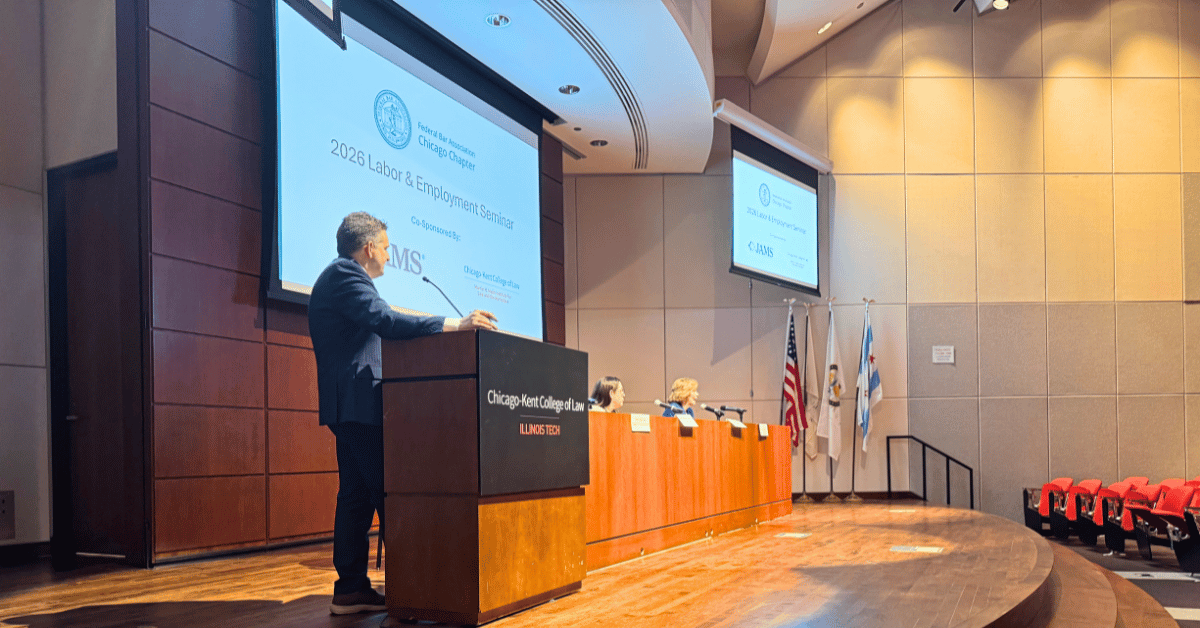
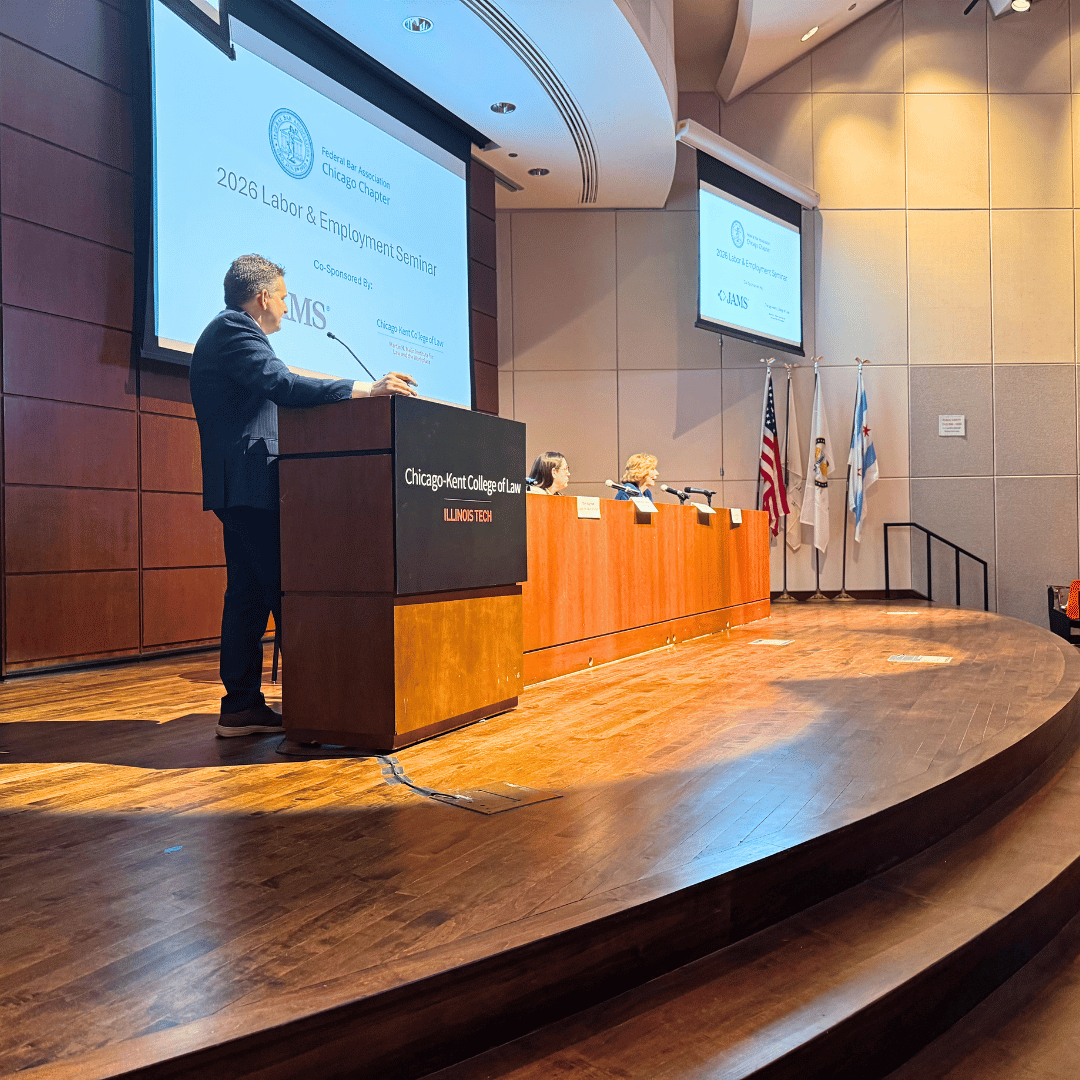
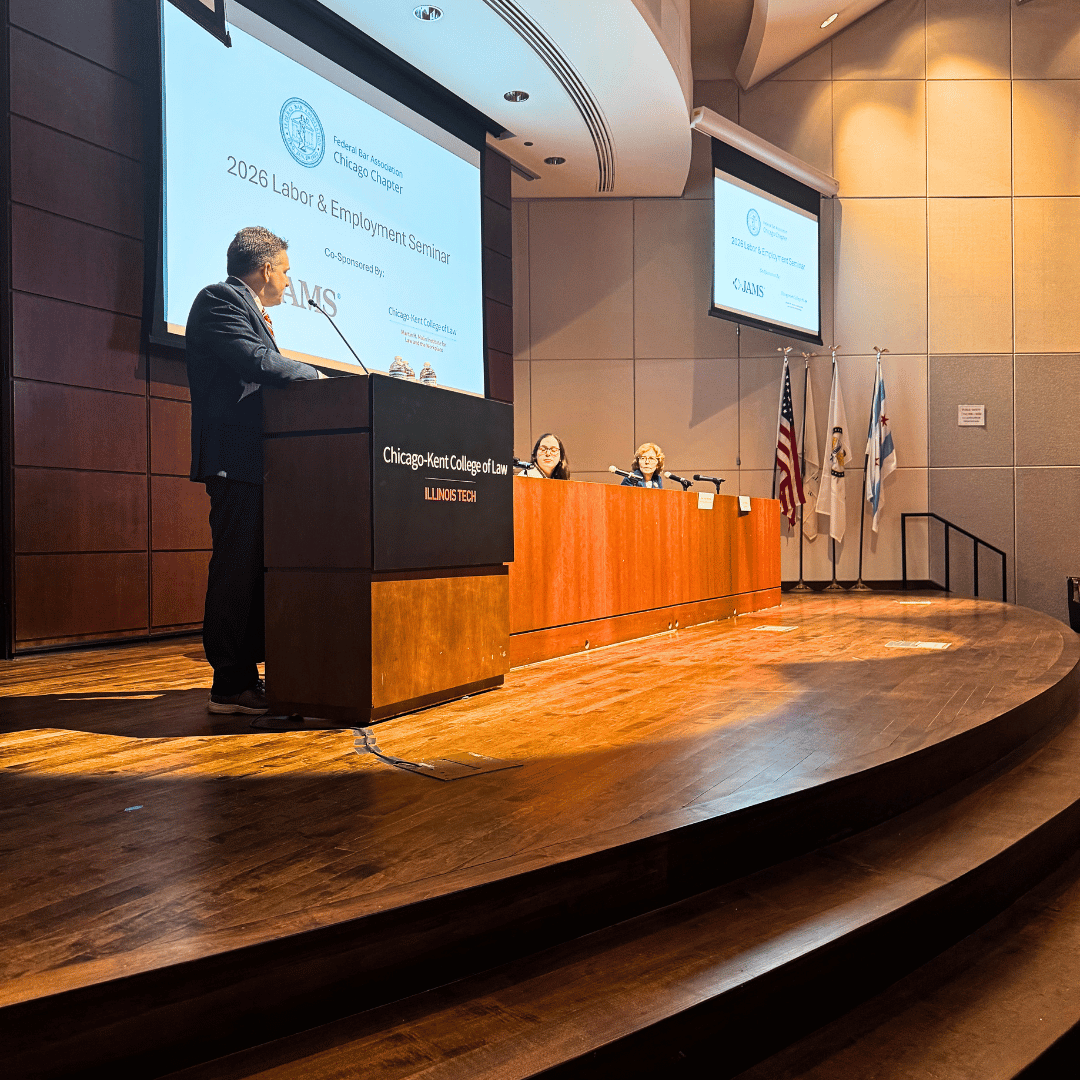
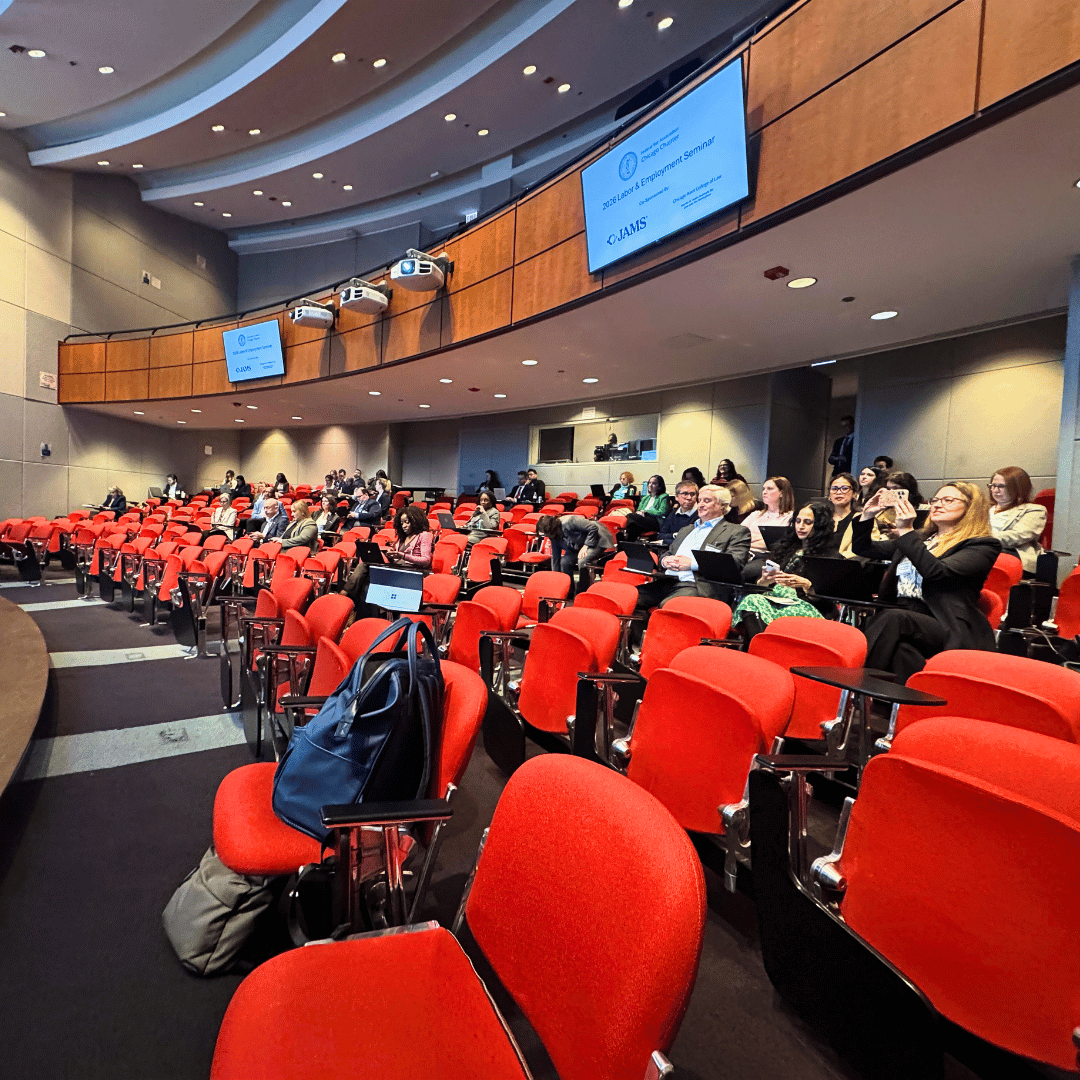
On April 27, 2026, the Federal Bar Association Chicago Chapter drew the city’s labor and employment community to its 2026 Annual Employment Law Seminar. This hybrid program was co-hosted with JAMS and Chicago-Kent's Martin H. Malin Institute. Attendees earned four hours of CLE credit and gathered for a reception following the afternoon programming.
EEOC Commissioner Kalpana Kotagal opened the seminar with plenary remarks. Four panels followed, pairing experienced practitioners with government officials and judges. Topics ranged from federal policy shifts to fresh Seventh Circuit decisions to advocacy strategies from the bench. The program reflected the dual reality facing employment counsel in 2026. Federal enforcement priorities have shifted. Yet the underlying statutes and Seventh Circuit case law continue to govern day-to-day compliance. Attendees left with practical guidance for both.
EEOC Commissioner Opens the 2026 Employment Law Seminar
Commissioner Kalpana Kotagal opened the program with a candid look at where the EEOC stands today. The agency now operates with three of its five Commissioner seats filled. That restored quorum allows the Commission to issue guidance, vote on litigation, and act on policy matters.
Kotagal walked attendees through recent Commission decisions and their practical implications. She also addressed shifts in agency guidance. Some prior guidance documents have been withdrawn or revised. Others remain in effect and continue to shape charge processing. The Commissioner outlined the EEOC's enforcement priorities for the coming year. She noted continued attention to systemic cases and emerging issues under the newer statutes, providing practitioners with helpful context for advising clients during this period of regulatory transition.
Policy Developments Panel Addresses DEI & ‘Federal Enforcement Lens’
Christina Alabi of Diligent moderated the first panel. The panel featured EEOC Chicago District Director Amrith Kaur Aakre. Illinois Attorney General's Civil Rights Bureau Chief Laurie Elkin and Professor Jason Bent of Chicago-Kent also joined. The discussion focused on recent shifts in federal enforcement. Panelists addressed the current treatment of diversity, equity, inclusion, and accessibility programs. The conversation covered affinity groups, employer-sponsored DEIA initiatives, and the disparate impact theory.
The panel offered a key reassurance. The underlying federal employment statutes have not changed. Title VII, the ADA, the ADEA, and related laws remain intact. Court decisions interpreting those statutes also remain controlling. What has changed is the federal enforcement lens. Illinois employers also face a separate layer of state-law obligations. Elkin spoke to the state's continued enforcement posture from her role at the Attorney General's office.
Seventh Circuit Case Law Update Highlights Three Decisions
EEOC Assistant Regional Attorney Deborah Hamilton moderated the case law panel. John Frawley of Werman Salas P.C. and Richard Mrizek of Jackson Lewis joined her on the panel. The discussion focused on three notable 2025 decisions. The first was Eli Lilly and Company v. Richards, decided August 5, 2025. The Seventh Circuit clarified the standards for certifying FLSA and ADEA collective actions. The Supreme Court may review the decision.
The panel next addressed Bivens v. Zep, Inc., decided August 8, 2025. Though a Sixth Circuit case, the decision relies on Seventh Circuit law. It sets a new standard for sexual harassment liability when the harasser is a customer or other third party. The third case was Pable v. Chicago Transit Authority, decided July 28, 2025. The court addressed Rule 37 sanctions tied to messaging applications that automatically delete content. Signal received particular attention from the panel.
Less Familiar Forums Panel Sheds Light on Federal Administration & Jurisdiction
The third panel demystified administrative forums that fall outside the regular practice of many employment lawyers. Peter McNamara, General Counsel for IUOE Local 399, moderated the conversation. Panelists included Illinois Human Rights Commission Chief ALJ Brian Weinthal. Chief Administrative Judge Diane Smason also participated. Assistant Regional Attorney Ann Henry from the EEOC Dallas District Office also joined this session. NLRB Region 13 Regional Attorney Paul Hitterman rounded out the panel.
The conversation took a practical approach. Panelists walked through jurisdiction, how cases reach each agency, and early deadlines that catch new practitioners off guard. They also covered common mistakes, discovery and hearing practice, and available remedies. Speakers pointed attendees to the rules, forms, and procedural guidance for each forum. They identified where practitioners can find standing orders and reference materials. Employment counsel often find themselves outside their usual lane. The panel gave them a roadmap for those moments.
2026 Employment Law Seminar Caps Off with Popular Judicial Panel
J. Bryan Wood of Kaplan Law Firm, PLLC, moderated the closing judicial panel. He spoke with Judge Rebecca Pallmeyer, Judge Georgia N. Alexakis, and Chief Magistrate Judge M. David Weisman. The panel drew from each judge's vantage point on the federal bench. Wood opened with questions about court workloads. The judges shared what their dockets look like and how case volume shapes the time available for each filing. Their answers offered practitioners a clearer picture of how submissions land in chambers.
Discussion then turned to written advocacy. The judges shared what makes settlement letters, motions, and briefs more persuasive. They identified writing habits that help filings stand out for the right reasons. Artificial intelligence drew significant attention. The judges discussed how AI tools are emerging in employment litigation. They addressed verification expectations, citation accuracy, and the professional responsibility implications of generative AI in court filings.
Closing Thoughts on the 2026 Annual Employment Law Seminar
The 2026 Annual Employment Law Seminar gave attendees a comprehensive view of the current employment law landscape. Furthermore, Commissioner Kotagal’s remarks opened a frank conversation about the agency's direction. Four panels then connected policy developments, Seventh Circuit case law, administrative practice, and judicial perspective. The program reinforced a useful theme for practitioners. Federal enforcement priorities continue to shift. Yet the underlying employment statutes and Seventh Circuit precedent remain steady. Attorneys who track both layers will serve clients well in the year ahead.
The Federal Bar Association Chicago Chapter thanks JAMS and the Martin H. Malin Institute for co-sponsoring the program. The Chapter also thanks each speaker for sharing time and experience. For further networking and educational opportunities, explore the FBA Chicago Chapter’s upcoming events.