Prosecution of Jack Johnson: FBA Chicago Chapter Examines Landmark Case in Black History
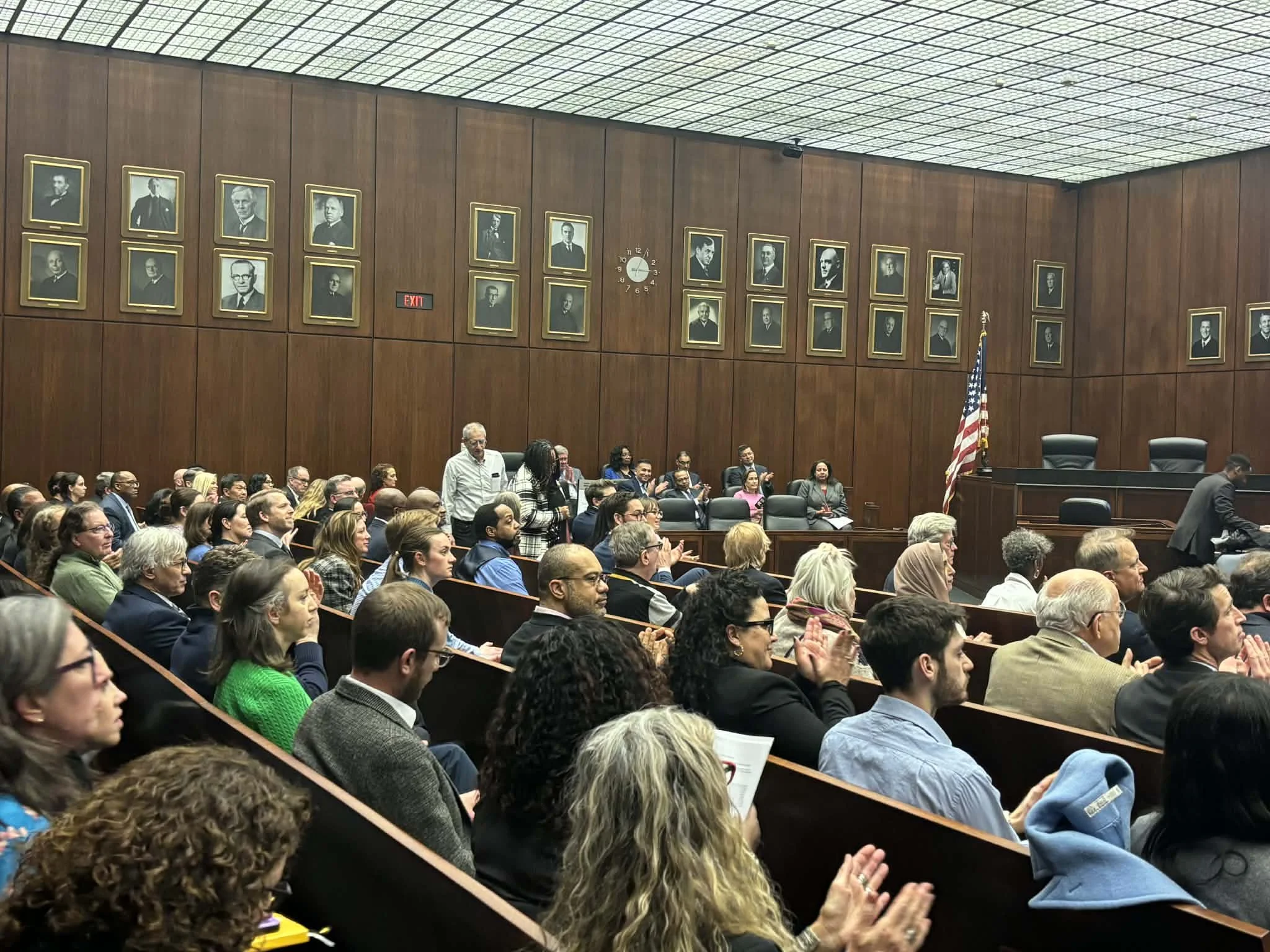
The prosecution of Jack Johnson, America's first Black world heavyweight boxing champion, took center stage on February 11, 2026, as the Federal Bar Association Chicago Chapter hosted a compelling in-person program at the Dirksen United States Courthouse's Ceremonial Courtroom.
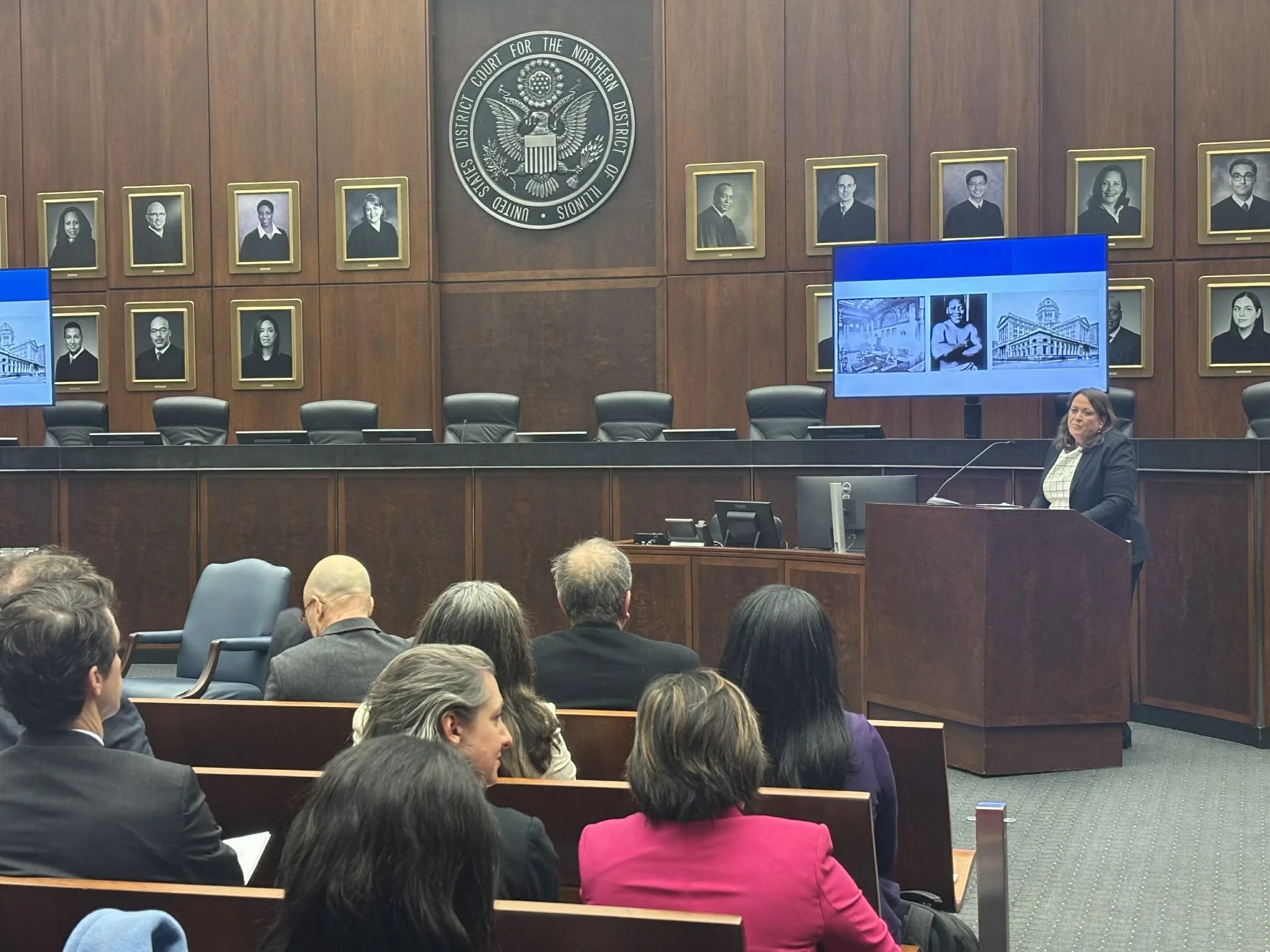
Titled "A Critical Review of the 1913 Federal Mann Act Prosecution of Jack Johnson: Chicago Journalist Dorothy Tucker In Conversation With Biographer David Maraniss," the event drew a capacity audience for a 90-minute deep dive into one of the most racially charged federal prosecutions in American history. The program was offered free of charge to all attendees, including FBA members and non-members, judges, law clerks, students, and government employees.
The Historical Stakes Surrounding the Mann Act
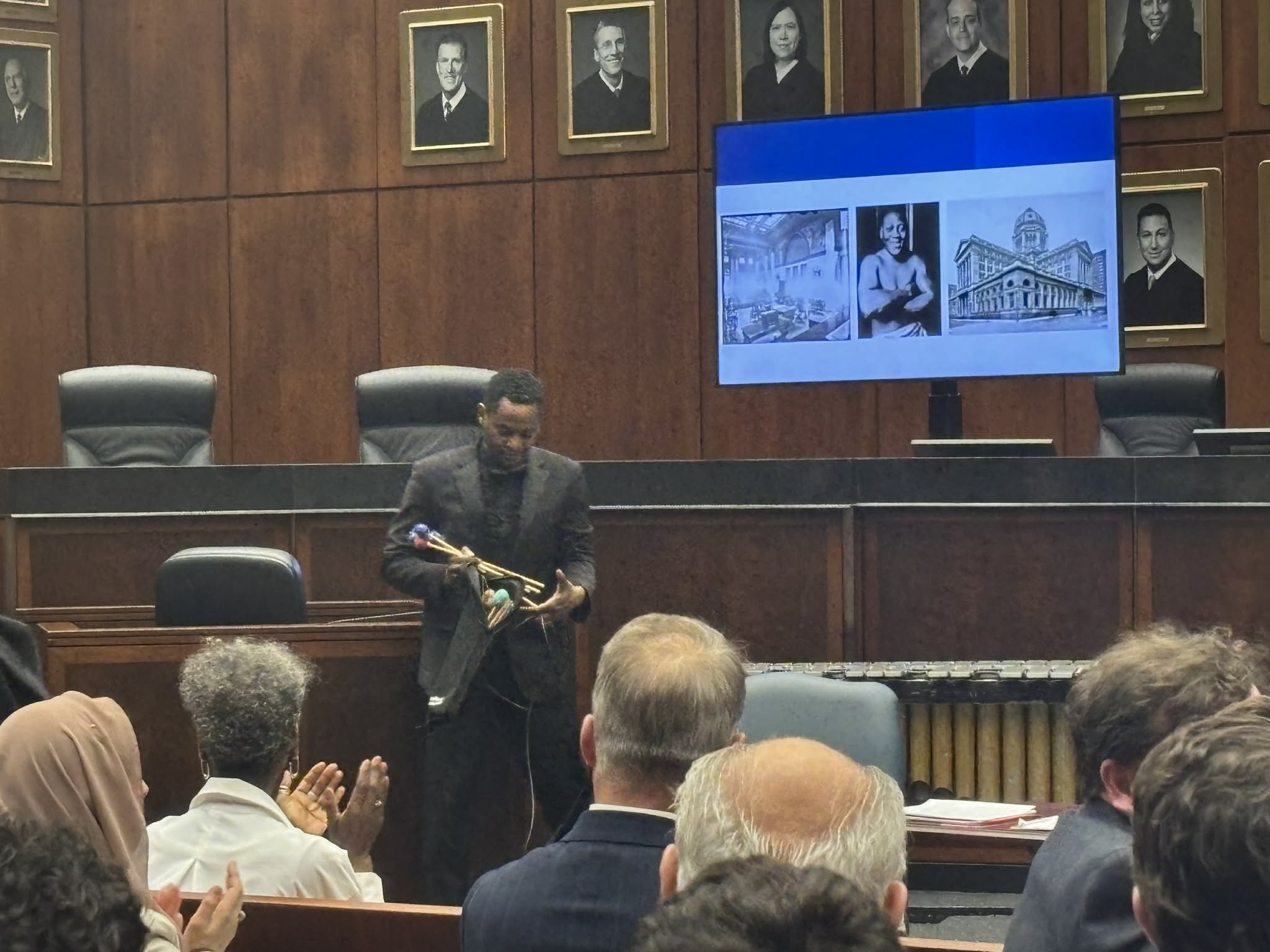
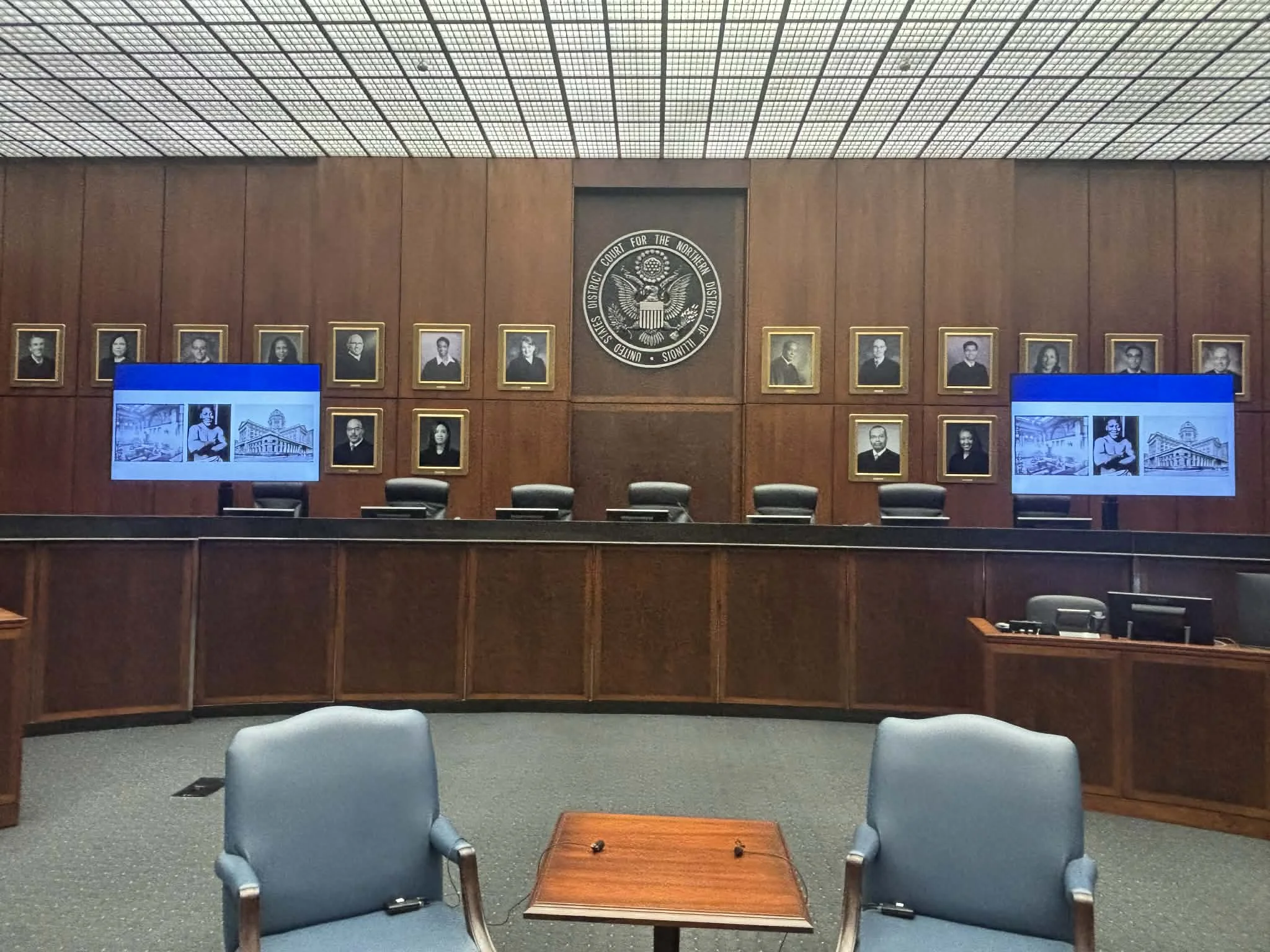
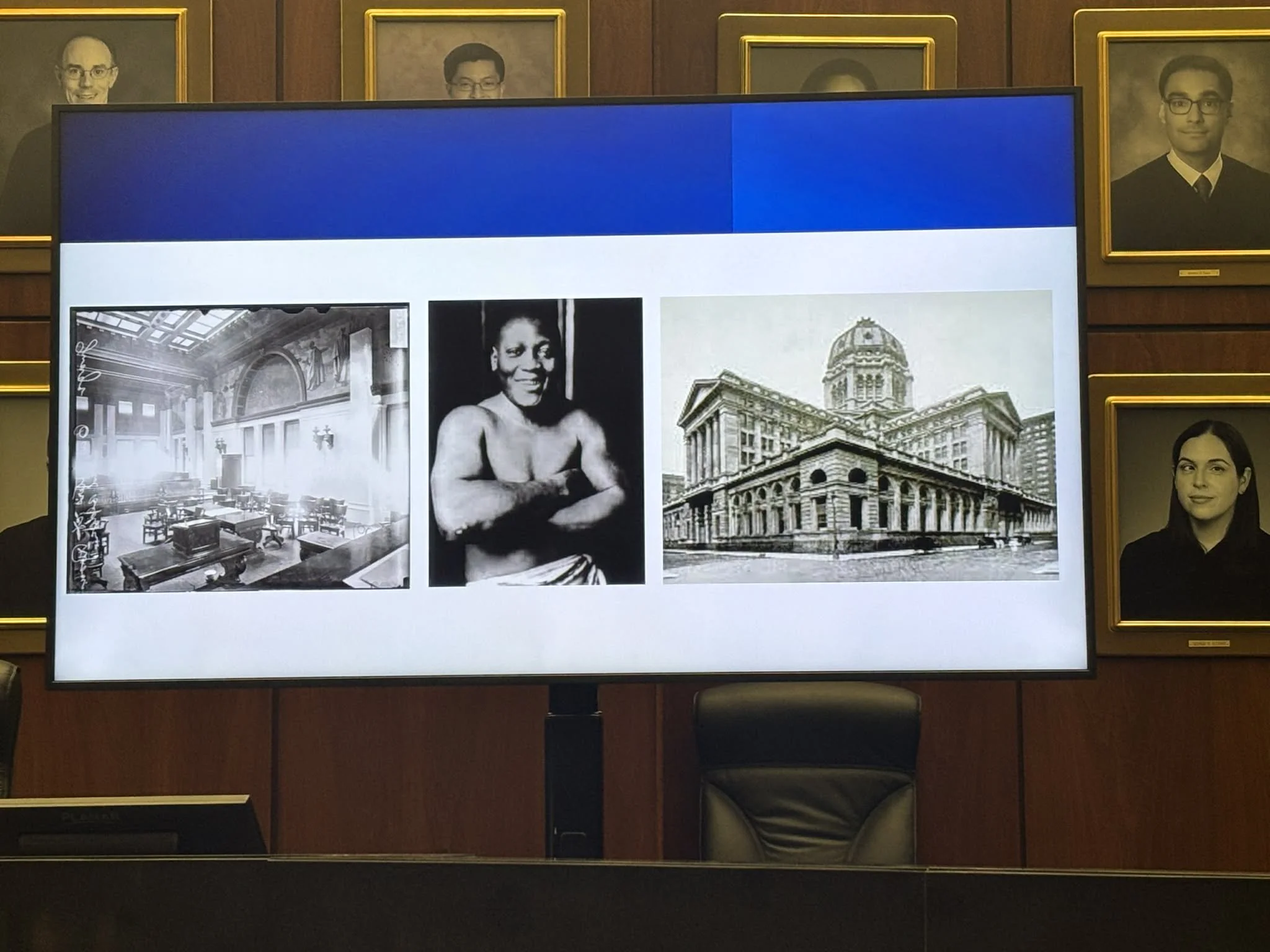
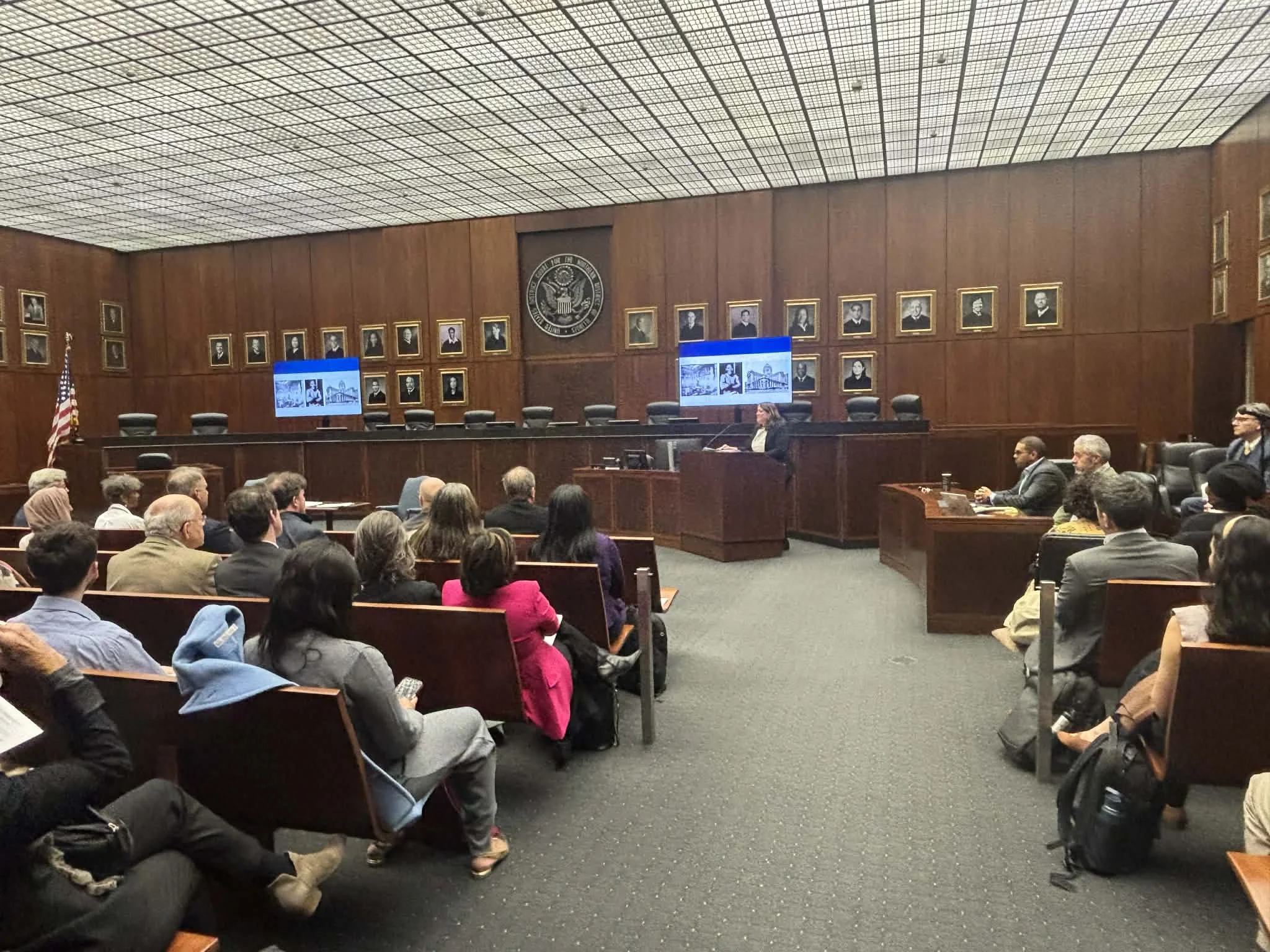
The evening began with a striking visual introduction: archival slides of the old Cobb courthouse and Judge Carpenter's courtroom, where the Johnson trial was held, alongside images of Johnson himself and the text of the Mann Act, both then and now. The juxtaposition set up the evening's central question: did the lofty ideals inscribed in those courtroom walls mean anything at all for Jack Johnson in 1913?
The answer, the program made clear, was no. Tucker guided Maraniss through the social and political climate of early 20th-century America. The discussion featured the erosion of Reconstruction-era progress, the rise of Jim Crow, and the 1910 passage of the Mann Act, championed in part by Chicago U.S. Attorney Edwin Sims under the banner of combating so-called "white slavery." Into that volatile environment stepped Johnson, a flamboyant celebrity who in 1910 had defeated a white boxer in a fight that sparked riots nationwide. He opened Café de Champion in Chicago's historic Bronzeville neighborhood and made no effort to conceal his relationships with white women (relationships that would ultimately make him a federal target).
Inside the 1913 Prosecution of Jack Johnson
Maraniss walked the audience through the mechanics of a prosecution that, by any modern standard, reads as a blueprint for institutional racism. Federal investigators worked to secure the cooperation of women in Johnson's orbit, ultimately building their case around Belle Schreiber, a white woman Johnson had transported by train from Pittsburgh to Chicago in 1910 — a trip the government alleged violated the Mann Act's prohibition on transporting women for "immoral purposes."
The story unfolded with remarkable detail. Johnson had married a young white woman named Lucille Cameron in late 1912, even as federal pressure mounted and Judge Kenesaw Mountain Landis (later infamous as the commissioner who banned the Black Sox players from baseball) ordered Cameron held as a material witness. The Chicago press covered the story in openly racist terms. When Johnson was convicted in May 1913 by an all-white jury after just 98 minutes of deliberation, Assistant U.S. Attorney Harry Parkin publicly called the verdict a triumph against "miscegenation". In the same breath, he conceded that Johnson was "perhaps" persecuted. The lead prosecutor, U.S. Attorney James Wilkerson, would later preside as the trial judge over Al Capone's 1931 federal tax case in that same Cobb courthouse.
Prosecution of Jack Johnson Aftermath
Tucker and Maraniss devoted the program's closing segment to Johnson's life after the verdict and its enduring significance. Facing a one-year federal sentence, Johnson fled the country and lived as a fugitive for seven years before eventually returning to serve his time. His Café de Champion was effectively destroyed by city authorities who revoked its liquor license, a final act of institutional retaliation. Johnson died in a car crash in 1946 at the age of 68.
The conversation turned to the modern resonance of his story. Johnson received a posthumous pardon in 2018 from President Trump, following years of advocacy by President Obama and the late Senator John McCain. A Dave Chappelle comedy special released earlier this year brought the case back to popular consciousness, with Chappelle arguing that the Mann Act itself was crafted to stop Johnson and posing the question: When justice actors witness wrongfulness unfolding within the legal system, what obligation do they have to speak or act?
An Evening That Connected History to the Present
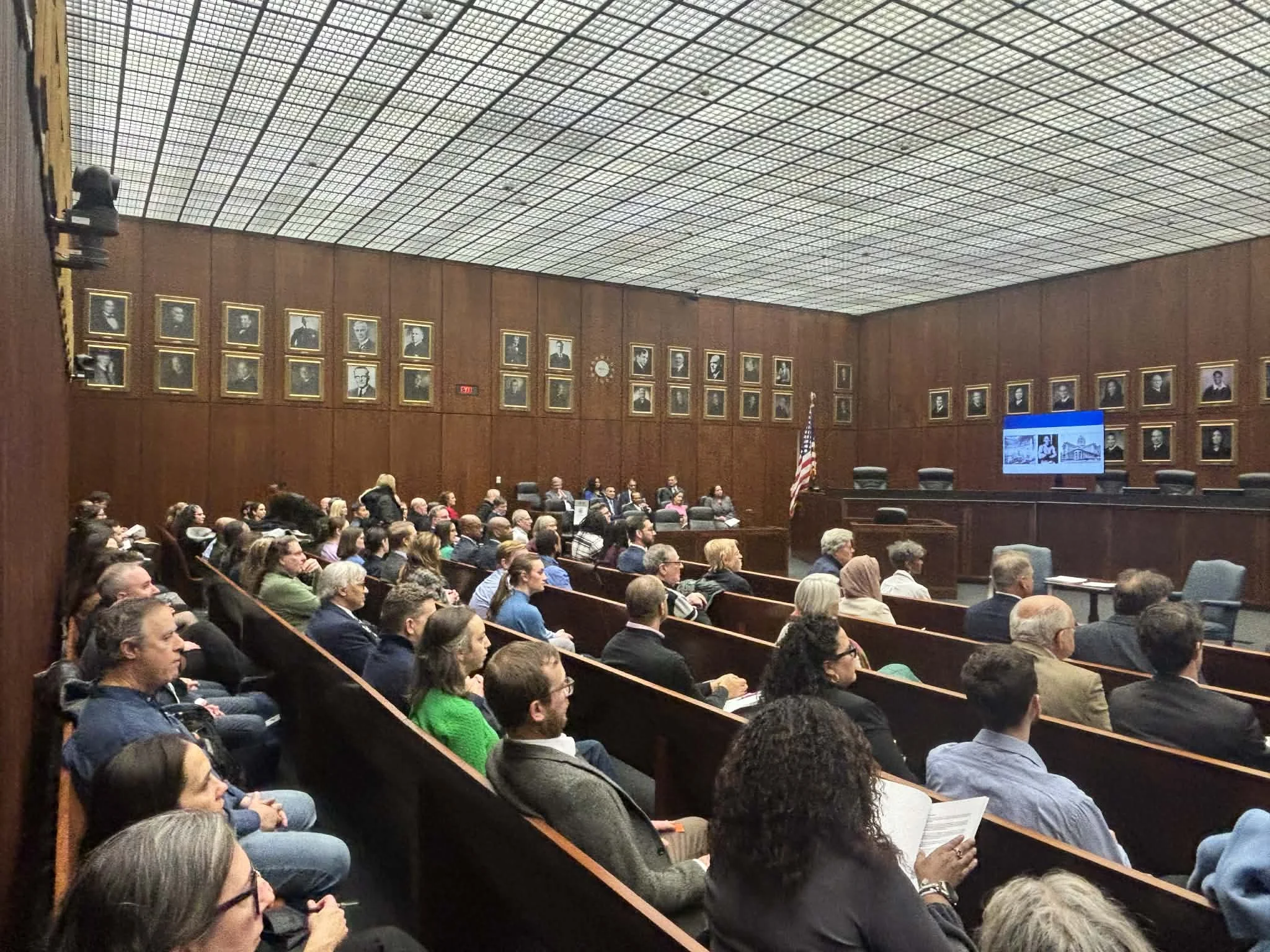
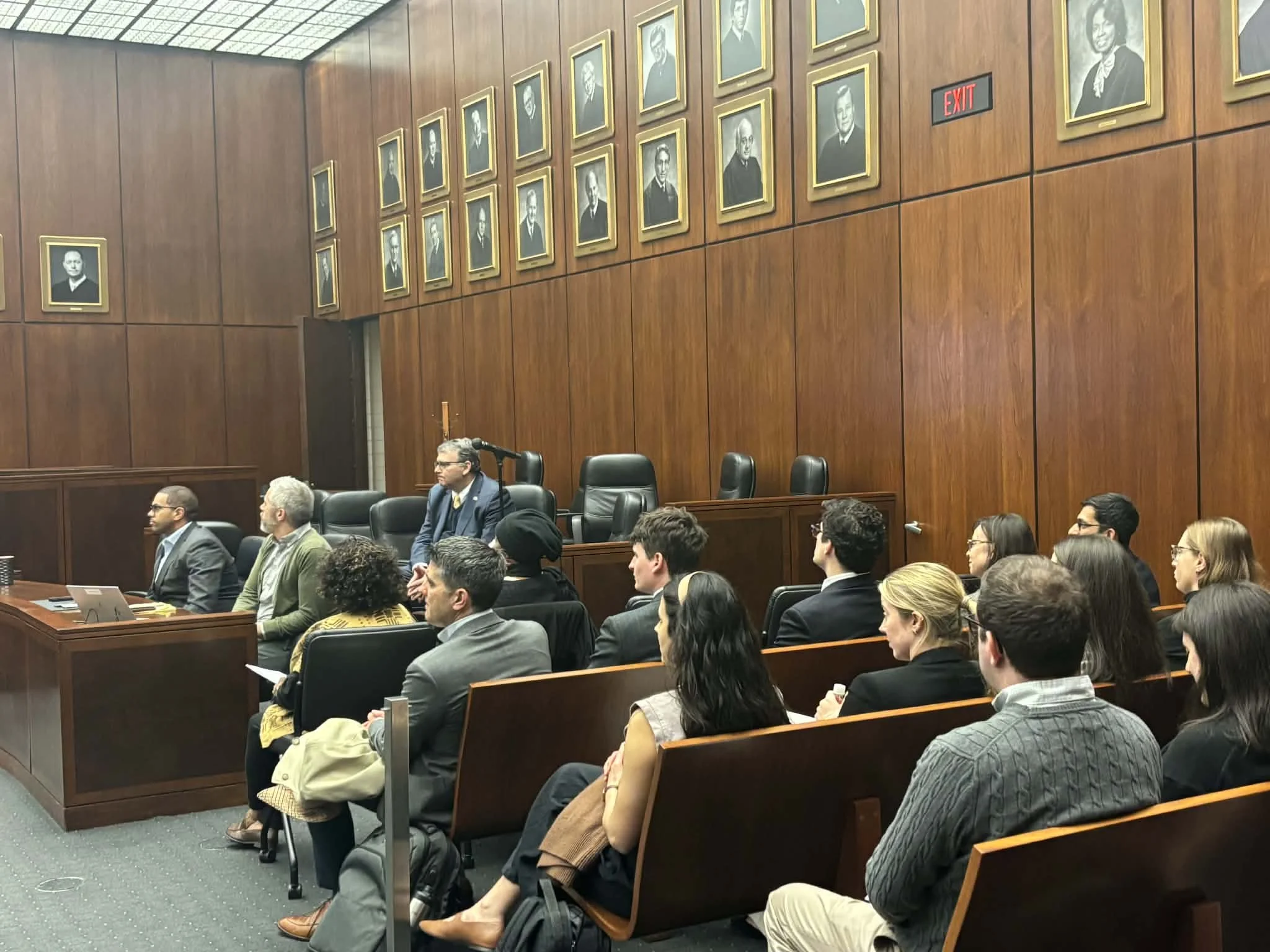
The program closed with an audience Q&A before guests gathered for a light reception outside the Ceremonial Courtroom, fitting surroundings for a conversation about a case that tested the meaning of the courthouse itself. Organized by the Honorable Gabriel Fuentes of the Northern District of Illinois, along with a dedicated team of FBA Chicago volunteers, the event reflected the chapter's ongoing commitment to programs that illuminate the intersection of law, history, and justice.
For those who attended, it was a rare opportunity to sit in a federal courthouse and honestly reckon with what once happened inside it. Now, we ask, “What does history demand of legal professionals today?”
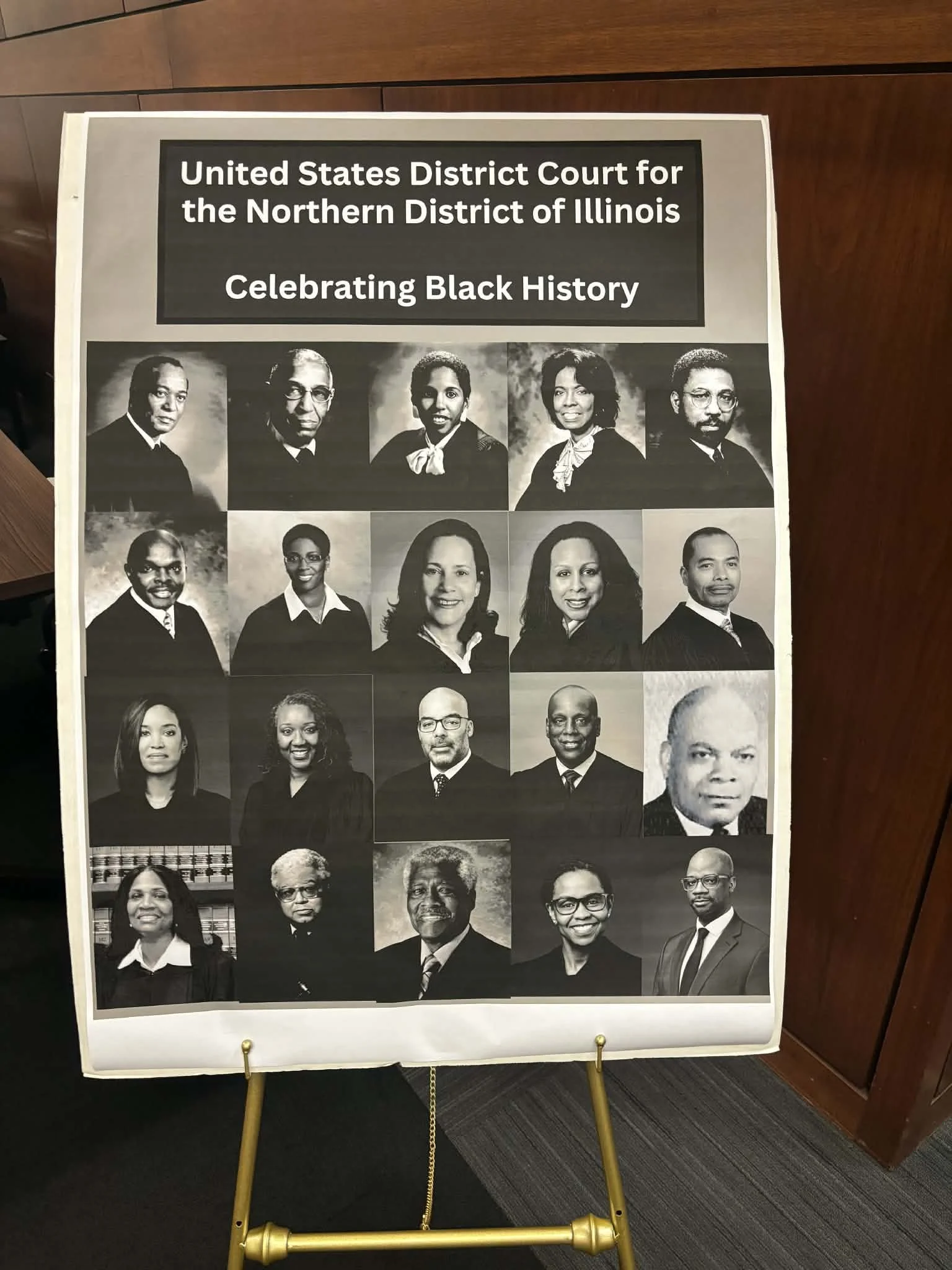
In recognition of Black History Month, the Federal Bar Association Chicago Chapter chose to focus on the prosecution of Jack Johnson for its historical and contemporary significance. For additional networking and education opportunities, explore the Chicago Chapter’s upcoming events!